REVIEW · MEDELLIN
African Music Roots Private Tour in Comuna 13, Medellin
Book on Viator →Operated by Impulse Travel · Bookable on Viator
Music turns Comuna 13 into a classroom. This private 5-hour experience uses Afro-Colombian rhythm and dance as the thread, so you see the neighborhood through people, not just murals or viewpoints. I like that it pairs city transport (metro) with real community context, then lands in a Son Batá music studio where you actually play and move.
My favorite part is the hands-on percussion and dancing guided by the Son Batá team, including learning a hit called Estamos Melos. One thing to plan for: the day can involve walking and climbing on steep, tight paths, so it may not feel comfortable if you’re dealing with limited mobility.
In This Review
- Key things to know before you go
- Why this African Music Roots tour feels different in Comuna 13
- Route overview: metro San Javier, electric stairs, and your way back
- Stop 1: Estación metro San Javier and the entry into Comuna 13
- Stop 2: Electric Stairs of Comuna 13 and the neighborhoods you pass
- From survival to culture: what the guide connects while you descend
- Son Batá music studio: percussion class with Estamos Melos
- Dance time with Son Batá: steps you can actually make
- The return loop: metro San Javier and a typical Colombian snack
- Price and value: is $179 fair for what you get?
- Who should book this Comuna 13 African Music Roots tour
- Practical tips so the day feels smooth
- Should you book this tour?
- FAQ
- Is pickup and drop-off included?
- How long is the tour?
- What language is the tour offered in?
- Is this tour physically demanding?
- What exactly is included besides the music and dance?
- What if the weather is bad or I need to cancel?
Key things to know before you go
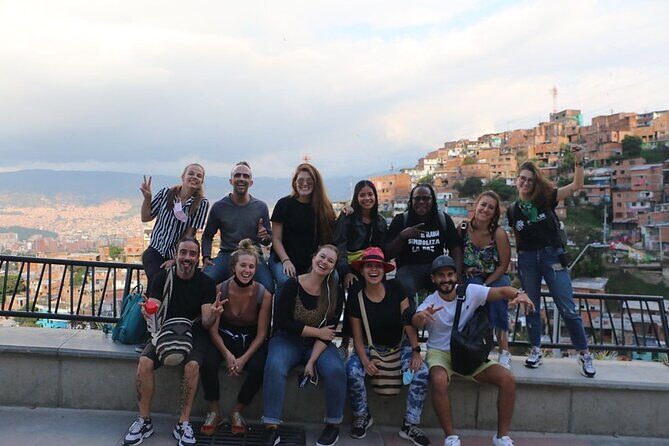
- Private and small-group style: only your group participates
- Metro + electric stairs route: built around getting viewpoints without doing it solo
- Afro-Colombian focus: music and dance used to explain transformation and survival
- Hands-on class: you play percussion to Estamos Melos rhythms
- Dance coaching: learn steps quickly with a Son Batá dancer
- Supports local initiatives: tourism helps sustain community projects tied to the experience
Why this African Music Roots tour feels different in Comuna 13
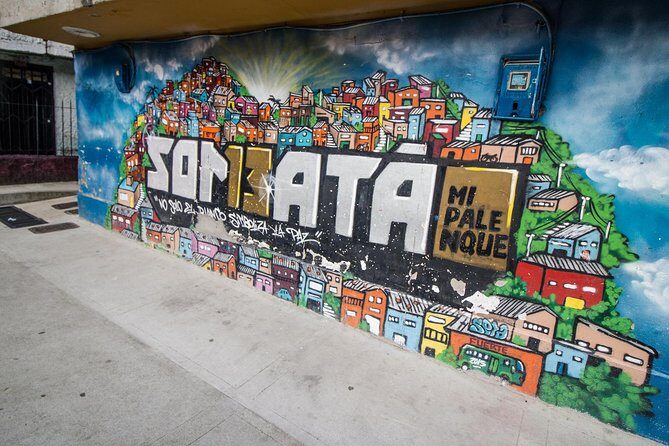
Comuna 13 has plenty of tourist angles, but this tour steers you toward the human side of the story. You’re not just “looking at” a neighborhood; you’re guided through why music and dance mattered when life was harder and when youth needed a path that didn’t lead to violence.
The tour’s best trick is how it builds meaning step-by-step. You start with a metro ride into the area, then hit the electric stairs for big city views, then move downhill through neighborhoods while your guide connects what you’re seeing to what residents lived through. By the time you reach Son Batá, the drumming and dancing aren’t random activities. They feel like the point.
And yes, you’ll get the fun parts, too: learning percussion with instruction you can follow, then getting led through dance steps that are made for real bodies, not stage perfection.
Other Comuna 13 graffiti tours we've reviewed in Medellin
Route overview: metro San Javier, electric stairs, and your way back
This is designed as one continuous loop, roughly 5 hours from pickup to drop-off. It starts near Estación Metro San Javier, climbs toward the upper edge of Comuna 13, and then works its way back down through multiple neighborhoods before returning you to the metro again.
You’ll spend about 30 minutes at the beginning (including an admission ticket), around 4 hours during the main Comuna 13 segment, and another 30 minutes at the end. The timing matters because the electric-stairs stop isn’t just a photo break. It’s set up as a turning point: you see the city and the rural outskirts from above, then you descend while learning how culture shifted the community’s trajectory.
Transport is handled for you. You’re using public transportation with hotel pickup and drop-off, rather than trying to figure it out with a map and a whole lot of stairs on your own.
Stop 1: Estación metro San Javier and the entry into Comuna 13

You begin with hotel pickup in Medellín (using public transportation) and a ride to San Javier, at the entry into Comuna 13. From there, the route moves toward the highest part of Comuna 13, including the Nuevos Conquistadores neighborhood.
This first section is where you get your bearings. Instead of jumping straight into the most famous spots, you’re guided into the area in a way that helps you understand scale: where the neighborhood sits relative to the city and why getting up there is its own kind of experience.
Practical note: the tour includes an admission ticket at this stage, and the stop is short. If you’re someone who hates long preambles, you’ll appreciate this portion. It’s also a good moment to ask questions before the day turns into walking, stairs, and classes.
Stop 2: Electric Stairs of Comuna 13 and the neighborhoods you pass
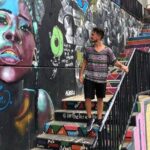
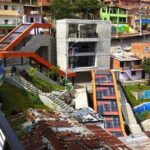
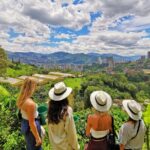
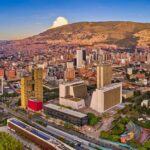
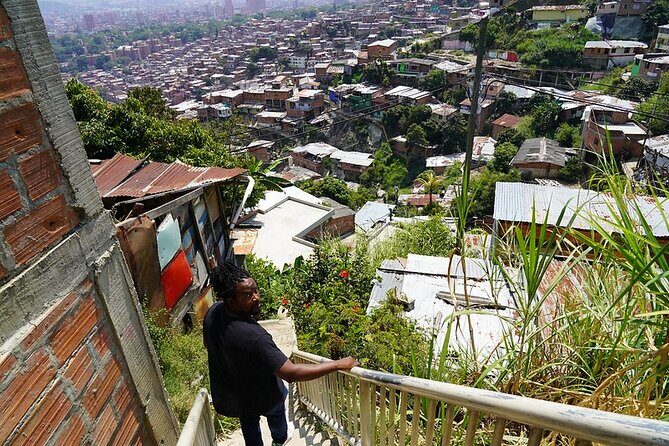
At the Escaleras Electricas De La Comuna 13, you get sweeping views over Comuna 13 and the entire city. This is one of those “okay, now I get it” stops. From above, it’s easier to picture the steep geography and the effort involved in daily life.
Then you start descending through El Corazón, Independencias, and El Salado. As you move, the guide tells you how local dances and musical culture helped local youth and contributed to a more peaceful context. The story doesn’t skip the hard parts: you’ll hear about gang wars, para-military groups, and urban guerillas from years before, and how the community pushed back through cultural power.
That context is what makes the tour feel respectful rather than sensational. You’re learning why the music matters, not only that it exists.
One consideration: this portion involves getting around on uneven ground and steep sections. Plan for a steady pace and don’t assume it will feel like flat sightseeing.
From survival to culture: what the guide connects while you descend

What I like about this tour is how it links physical movement to social change. You’re going downhill through multiple neighborhoods, and the guide’s narration keeps tying what you’re seeing to what residents faced and how community energy evolved.
The tour specifically frames dance and musical culture as a way youth found belonging and voice. That means the story is not only about conflict; it’s also about solutions people built with rhythm, performance, and shared practice.
If you’ve ever done a city tour where the guide says a lot and you absorb little, this is different. Here, the narrative rides alongside your senses: views changing as you descend, people’s everyday presence around you, and then the very tangible shift from street context to studio context later.
Other private tours in Medellin

Son Batá music studio: percussion class with Estamos Melos
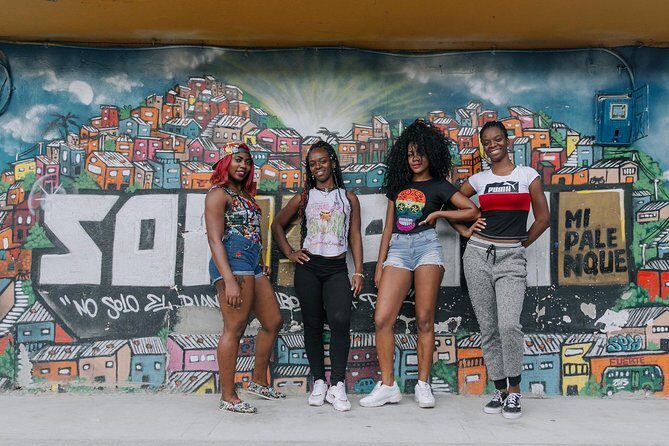
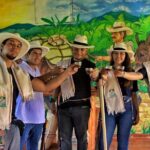
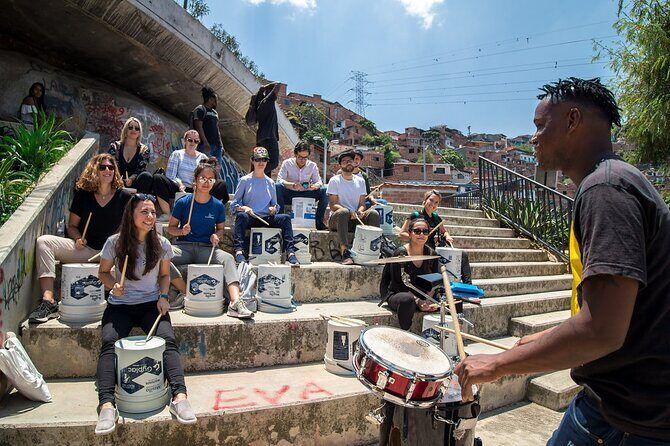
This is the part that turns history into a skill you leave with. You visit Son Bata’s music studio, where local musicians recorded a hit called Estamos Melos. Then you learn how to play it with percussions.
The instruction is designed to be doable. You’re not expected to be a drummer already. The tour describes the percussions activity as easy and enjoyable, led by experts who teach you how to follow along. That hands-on format matters because it makes the music’s meaning physical. You feel the rhythm instead of just hearing about it.
Also, this stop supports the kind of local initiatives that rely on tourism. It’s not just a performance you watch from outside; you participate in a living cultural practice.
Dance time with Son Batá: steps you can actually make
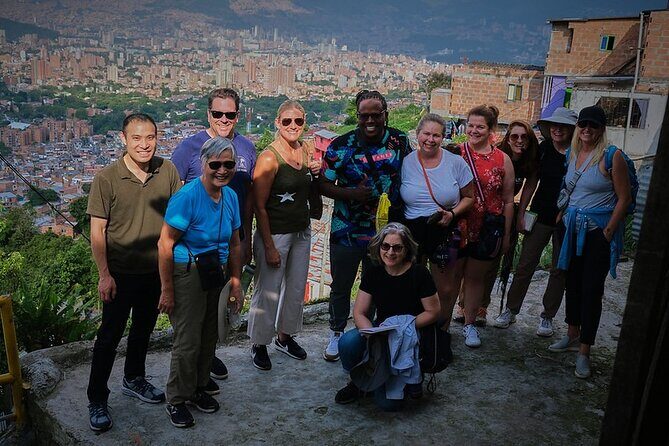
After percussion, you get loose with a dance session led by one of the best dancers at Son Batá. The teaching style is what counts here. The tour is set up so you can make great steps quickly, with guidance that helps you get the pattern without getting stuck.
This is where the “African Music Roots” theme becomes more than a label. You’re learning movement vocabulary tied to the Afro-Colombian cultural story you heard during the neighborhood narration.
If you’re shy, you’ll still be okay. You’re in a guided setting, and the focus is participation, not looking perfect. Come with comfortable shoes and a willingness to move a little.
The return loop: metro San Javier and a typical Colombian snack
You end by returning to Estación metro San Javier. Before you head back to your hotel with the guide, you get a local snack.
I appreciate this final piece because it keeps the day human and grounded. You’ve been walking, climbing, listening, and learning, and then you get something simple and local before the travel back.
The snack inclusion is also part of the value. Tours like this can otherwise feel like they give you culture but forget your stomach. Here, you’re fed in a way that matches the day’s pace.
Price and value: is $179 fair for what you get?
At $179 per person, this tour isn’t “cheap,” but it also isn’t just paying for a guide to walk you around. The price bundles several things that would cost extra if you tried to DIY:
- Hotel pickup and drop-off handled via public transportation
- A guide who works in Spanish and English
- Admission tickets tied to the stops
- Public transportation rides during the experience
- A typical Colombian snack
- Hands-on percussion and guided dance instruction
- A structure that supports local initiatives tied to the studio and community work
You’re also booking a private setup, meaning it’s only your group. That matters if you want a guide who can match the pace to your questions and comfort level, rather than being rushed by a big schedule.
If you care about cultural context plus participation, this price starts to look like a good deal. If you only want quick photos and short stops, you might feel it’s more than you need.
Who should book this Comuna 13 African Music Roots tour
I’d point you toward this tour if you want:
- Afro-Colombian music and culture explained in a real neighborhood setting
- A hands-on day (percussion and dance) rather than watching from the sidelines
- A guide-led experience that connects viewpoints to lived stories
- A smaller, private group format with English support
You should think twice if:
- Climbing and steep walking are tough for you. The experience includes steep sections and physical movement through narrow areas.
- You’re looking for a very low-effort tour. This is culture, yes, but it’s also movement.
Good to know: most travelers can participate, and children must be accompanied by an adult. If you’re traveling with kids, bring stamina and plan for the walking.
Practical tips so the day feels smooth
- Wear comfortable clothes and shoes. You’ll be walking and standing more than you might expect.
- Bring sunscreen. The day includes outdoor viewpoints and time in the sun.
- Consider your energy level. The main learning happens in the 4-hour Comuna 13 segment.
- If you want less walking, ask about private transportation from and to your hotel for an additional cost. The tour mentions this option.
Also, language is covered. The guide works in Spanish and English, and if the street artist you encounter doesn’t speak English, the guide will translate.
If the weather turns poor, the tour requires good weather. You may be offered another date or a full refund if it has to be canceled due to weather.
Should you book this tour?
I’d book it if Comuna 13 is on your list and you want the story behind the art, not just the art itself. The combination of metro entry, electric-stairs views, neighborhood context, and hands-on Son Batá percussion and dance gives you something most Comuna 13 tours don’t: you leave with a skill and a clearer understanding of why this community protects itself with culture.
Skip it if you want a purely relaxed, flat city stroll or if steep walking would be a dealbreaker. Otherwise, this is one of the best ways to experience the neighborhood’s transformation through the rhythm that residents built to survive and stay human.
FAQ
Is pickup and drop-off included?
Yes. The tour includes hotel pick-up and drop-off in Medellín via public transportation, plus the public transportation rides during the experience.
How long is the tour?
It’s listed as about 5 hours.
What language is the tour offered in?
The experience is offered in English, and the guide provides interpretation in Spanish and English.
Is this tour physically demanding?
It can be. The route includes walking and climbing through Comuna 13 areas, and comfortable shoes are recommended. The tour notes that most travelers can participate, but the physical effort is real.
What exactly is included besides the music and dance?
You get admission tickets for the stops listed in the itinerary, a typical Colombian snack, and a guide. Public transport rides are also included.
What if the weather is bad or I need to cancel?
The tour requires good weather. If it’s canceled due to poor weather, you’ll be offered a different date or a full refund. You can cancel for a full refund up to 24 hours in advance.