REVIEW · MEDELLIN
Anti tour Medellin
Book on GetYourGuide →Operated by Tripcol · Bookable on GetYourGuide
Medellín’s progress has an aftertaste. This tour reads the city through what got demolished, silenced, or forgotten, and it ties street corners to real human lives. I especially liked the viche tasting (traditional liquor) and the way the Casa de la Memoria visit forces you to connect history to place.
Two things make it hit harder than a standard sightseeing loop: you get stories you will not hear anywhere else, and you also meet people connected to Colombia’s armed conflict, not just study it from a distance. One possible drawback: parts of the route can feel crowded and a bit exposed, so comfortable shoes and staying close to your guide matter.
In This Review
- Key things you will notice on Anti Tour Medellín
- Why this anti-tour tour changes how you see Medellín
- Monumento a la Raza and La Alpujarra: starting where power announces itself
- Parque de las Luces: when a market becomes a forest of poles
- El Hueco: the loud commercial heart where old fragments refuse to vanish
- Palacio Nacional and La Veracruz: power shifts—and a church still survives
- Plaza Botero and the Palacio de la Cultura: art as a political instrument
- Junín Street and the Coltejer Building: when ambition shifts the center of gravity
- La Playa Avenue and the finishing point: aristocratic leftovers and a museum-ready mindset
- La Alpujarra spirits workshop: viche tasting with real-world context
- Casa de la Memoria Museum: reflection you can’t fake
- Price and logistics: value for $33 and how to plan your day
- Is Anti Tour Medellín for you?
- FAQ
- Where does the tour start?
- Where does the tour finish?
- How long is the Anti Tour Medellín?
- What language is the guide?
- What is included in the price?
- Is transportation included during the tour?
- What should I bring?
- Is the tour wheelchair accessible?
- What if my plans change?
Key things you will notice on Anti Tour Medellín
- Erased city layers: the walk tracks how Medellín rebuilt over older life.
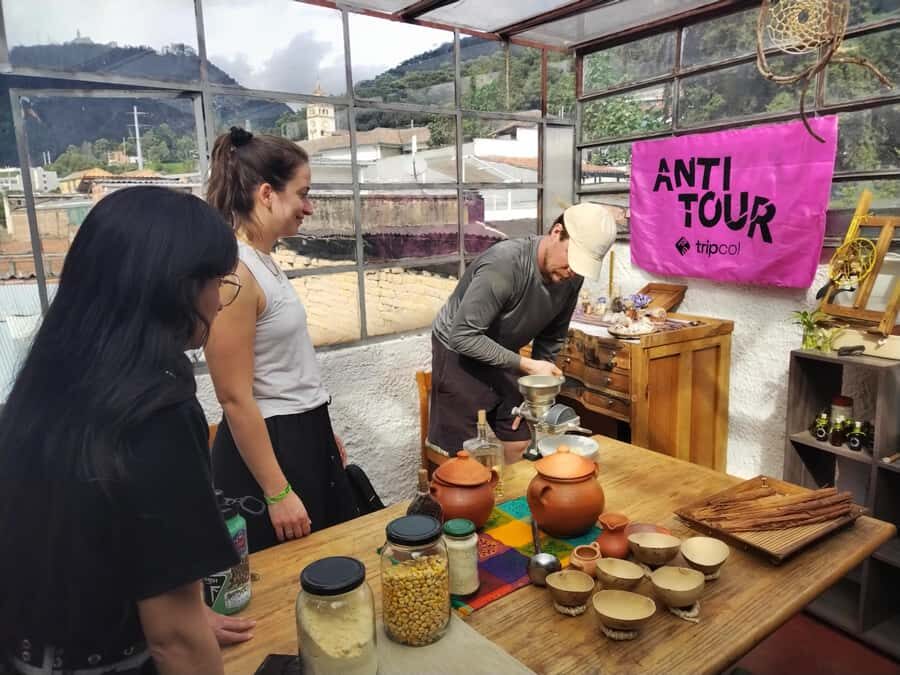
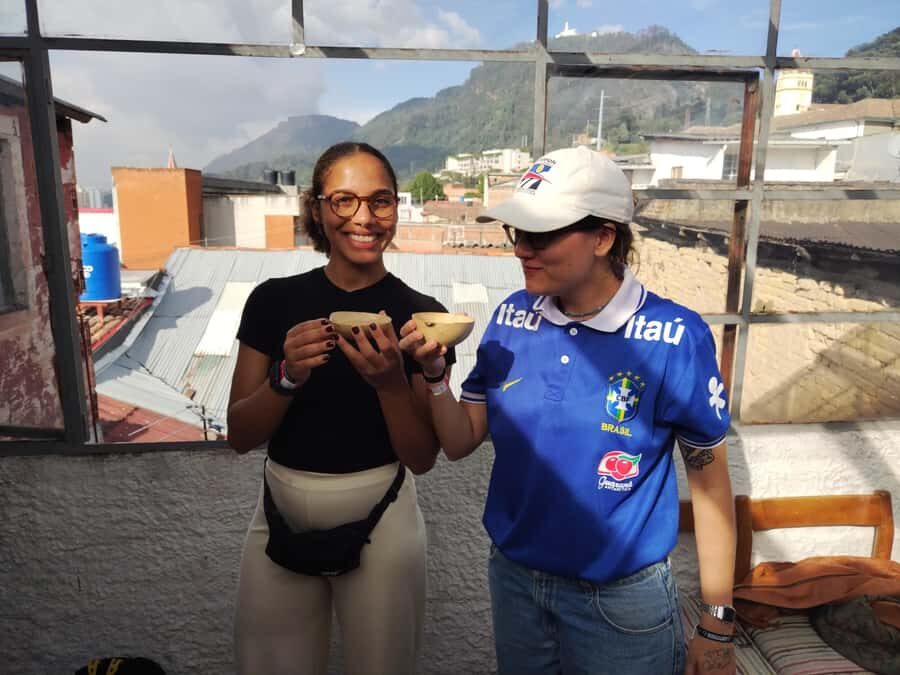
- Viche tasting in La Alpujarra: traditional liquor plus context, not just a sip-and-skip stop.
- Conflict stories with real people: ex-combatants and victims bring weight to the streets.
- Memory-focused stops: the route ends with the Casa de la Memoria Museum for reflection.
- Not a classic walking tour: there’s a mix of on-foot sections and scenic drive segments.
- English live guide: you get explanations in English throughout.
Why this anti-tour tour changes how you see Medellín
If you think you know Medellín from viewpoints and the usual photo stops, this tour nudges your brain in a different direction. It does not try to sell the city as a single mood. Instead, it asks an uncomfortable question: what did Medellín lose while it chased progress?
What you get is part history lesson, part urban reality check. The city is always changing, and unlike some capitals that kept more of the colonial look, Medellín chose to erase a lot of it. On this tour, you learn to notice the gaps—because those gaps tell the story, too. You’ll still see iconic architecture and famous public spaces, but you’ll read them like evidence.
The emotional center is the same throughout: Medellín is not only a place with buildings. It’s a place with memory—some protected, some disrupted, some deliberately missing.
If you're still narrowing it down, here are other tours in Medellin we've reviewed.


Monumento a la Raza and La Alpujarra: starting where power announces itself
You begin at the Monumento a la Raza, a strong marker of identity and power. It sets the tone immediately. This is not a tour where you casually stroll while your brain treats sights as postcards.
From there, you head into La Alpujarra, the political and administrative core of Medellín. This area helps you understand a big idea behind the whole experience: who holds power shapes what gets built, what gets maintained, and what gets removed.
Even nearby reminders like an old train station matter here. Industrialization isn’t just about trains and jobs—it reshapes the city’s direction. And once the city’s direction changes, the older “historic center” can become the thing people stop protecting.
Practical tip: this opening part is also a good moment to get your bearings fast. The tour is structured, but you’ll learn more if you follow the guide’s logic about why each stop exists.
Parque de las Luces: when a market becomes a forest of poles
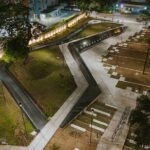
A short walk later, you reach Parque de las Luces. This spot used to be a vibrant market square—now it’s more like a forest of light poles. That contrast is the whole point. You can feel how the function changed, and you start to wonder what was erased to make the new plan possible.
As you move around the area, you’ll see how modern structures sit alongside the echoes of what used to be here. Buildings like the Carré and Vásquez, the EPM Library, and other nearby sites show tension between two forces: redevelopment and memory.
This is one of the stops where you’ll probably notice your own reactions. It’s easy to see the lights and call it attractive. But the tour pushes you to ask what the lights cover up. What kind of life happened here before the change?
El Hueco: the loud commercial heart where old fragments refuse to vanish
Then you shift into El Hueco, a chaotic commercial district. Expect music, crowds, informal trade, and that close-up feeling of everyday Medellín. It’s not quiet culture; it’s city life in motion.
This section is important because it brings you out of the museum mindset. The armed conflict and redevelopment stories are heavy, but the city also keeps running. You’ll see fragments of older buildings mixed with anonymous modern constructions. That mix can look messy if you judge it from a postcard angle. The tour asks you to read it differently: as a city built without pause—or reflection.
Consideration: El Hueco can feel less comfortable than the more formal squares and institutions. If you’re the type who likes low-stimulation travel, this is where you slow down mentally and stay focused on your guide’s instructions. Comfortable shoes help, and water helps even more.
Palacio Nacional and La Veracruz: power shifts—and a church still survives
Next up is the Palacio Nacional area. The building you visit—once a judicial palace—has been repurposed into a shopping center. That transformation is more than a reuse story. It’s a lesson in how power and space can switch roles over time.
A former courthouse turned retail center can feel surprising at first. But it’s exactly the kind of change you’re meant to notice on this tour. When the function changes, the meaning changes. And when meaning changes, what society chooses to remember can also change.
A few steps away, you visit the Church of La Veracruz, one of the last colonial survivors. This contrast is powerful: institutions get redesigned, but some structures stay as quiet witnesses. The church becomes a small act of resistance against relentless modernization—not loud protest, but physical endurance.
You’ll probably leave this stop thinking about what you usually call progress. Is it only new construction? Or is it also deciding what deserves preservation?



Plaza Botero and the Palacio de la Cultura: art as a political instrument
Plaza Botero is famous for Botero sculptures, but on this tour you look beyond the famous faces. Art here is treated as political language—culture used to rebrand and redefine Medellín’s identity.
Around the square sits the imposing Palacio de la Cultura Rafael Uribe Uribe. This is where you can connect what you’ve already learned about redevelopment to something more symbolic: how cities tell their own story through what they fund, display, and highlight.
Botero’s sculptures are easy to photograph. The harder task is understanding why they’re here and what role public art plays in shaping how residents and visitors interpret the city.
If you like travel that mixes emotion with facts, this stop usually does well. It’s one of those places where you can feel the tension between image and history.
Junín Street and the Coltejer Building: when ambition shifts the center of gravity
From the Coltejer Building—an iconic symbol of industrial ambition—you start tracing economic progress like it’s a slow-moving force. Then you connect that to Junín Street, once the heart of elegant urban life.
The tour frames this as collective memory getting displaced over time. That’s a key idea: it’s not always one dramatic event. It can be gradual replacement—shop by shop, building by building—until a neighborhood no longer feels like itself.
Seeing the Coltejer Building alongside the discussion of lost memory gives you a more balanced view. Industrial ambition can create jobs and future growth. It can also push aside older ways of living until people forget what was lost.
Practical tip: keep your camera ready, but also keep looking without the lens. Some of the meaning on this tour is in how different eras sit next to each other.
La Playa Avenue and the finishing point: aristocratic leftovers and a museum-ready mindset
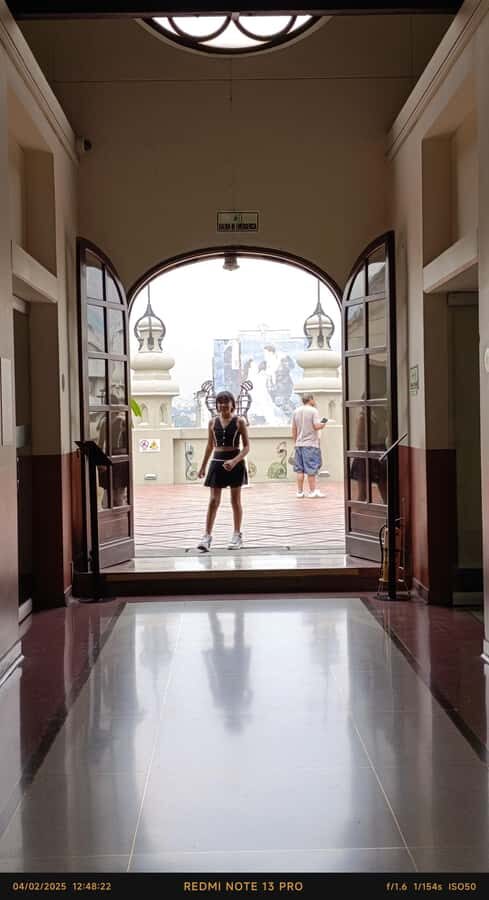
As the tour moves toward the end, you head to La Playa Avenue. This is a remaining trace of Medellín’s aristocratic past, with theaters and old mansions in the mix. After hours of thinking about power, redevelopment, and what got erased, this stretch feels like a transition.
It also helps set you up for the final stop: the Casa de la Memoria Museum. By the time you reach La Playa, you’re not just seeing old architecture—you’re seeing a stage.
The tour ends at Parroquia de San Ignacio de Loyola. That matters because it gives you a clear place to exit without feeling dropped randomly into the city. You can use the ending point to plan what you’ll do next.
La Alpujarra spirits workshop: viche tasting with real-world context
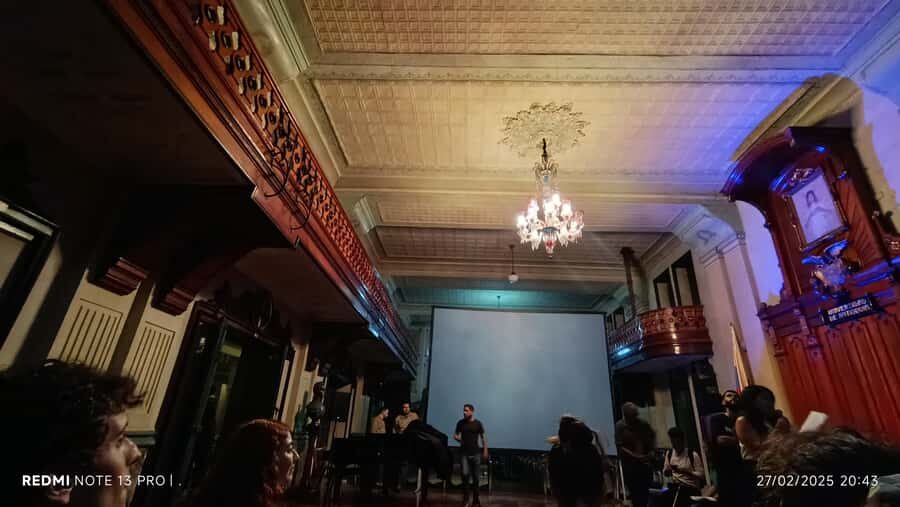
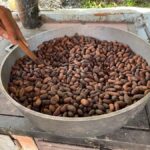
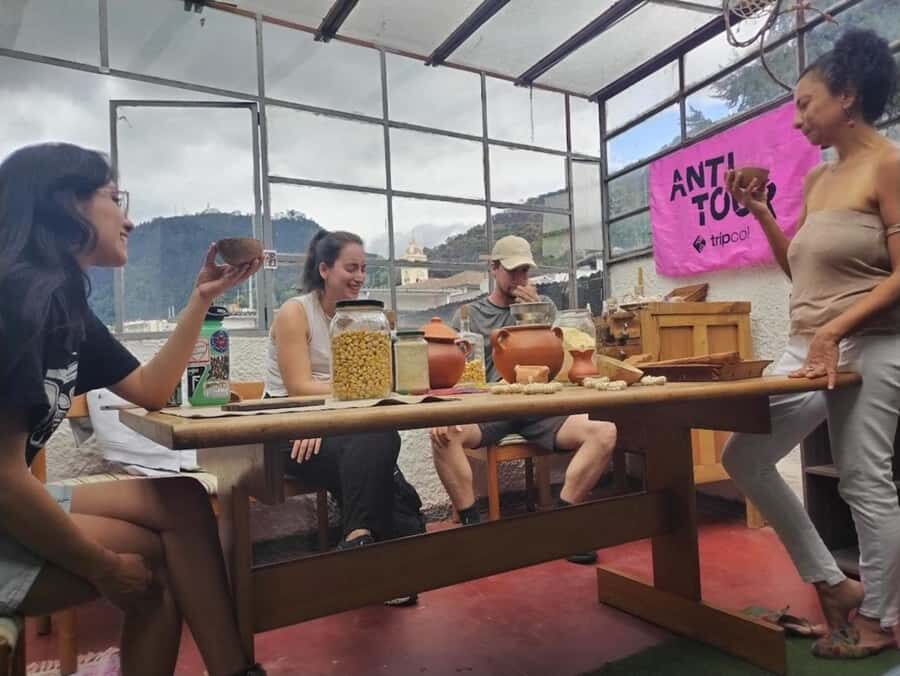
Here’s one of the most memorable parts of the whole experience. In La Alpujarra, you take part in a spirits workshop with traditional liquor tasting—specifically viche—and you connect it to the people and stories tied to Colombia’s armed conflict.
This is where the tour stops being abstract. You learn about lived experience, not just dates and buildings. The highlights say you meet ex-combatants and victims of the conflict, and that human connection is exactly what makes the viche tasting more than a cultural snack.
You might come in expecting a quick drink moment. Instead, the tone is reflective and grounded. You’re tasting something traditional while also thinking about how history affects identity, survival, and community.
If you’re sensitive to heavy topics: you’ll still get it, but the pacing usually helps. You’re not thrown into an overload all at once; you’re guided through it via street-to-story-to-place logic.
Casa de la Memoria Museum: reflection you can’t fake
The last major stop is the Memory House Museum, with a visit included as part of the experience. This is the point where the tour becomes more contemplative. You look at the armed conflict not only as something that happened in the past, but something that has shaped how people live and what they choose to remember.
Museums can sometimes feel like a lecture you walk through. This one tends to land differently because you’ve already walked the city’s “before and after” clues. You now have a sense of what it means when neighborhoods get rewritten.
Take your time here. Don’t just rush for photos. If you’re the type who likes understanding before feeling, this museum is built for both. It supports reflection, not spectacle.
Camera note: a camera is recommended, but prioritize reading and absorbing first. The emotional impact comes from attention, not from speed.
Price and logistics: value for $33 and how to plan your day
At $33 per person for a 3-hour guided experience, the value comes from what’s actually included, not just the guide talk. You get a live English guide, a guided exploration of the old city center areas, the viche tasting, and a ticket for the Memory House Museum.
The tour also includes time built around both street spaces and institutional sites, plus a mix of on-foot segments and scenic drive moments. That matters because it reduces the “only walking” fatigue that can wreck the last third of a day.
What’s not included is transportation to and from the activity. So plan your arrival so you’re not sprinting across Medellín. If you’re staying far from the Monumento a la Raza meeting point, give yourself extra buffer time.
Also factor in weather. You’ll want a hat and sunscreen, and it helps to bring water and snacks. Medellín conditions can change, and you’ll be outside enough that comfort affects how much you enjoy the stories.
Finally, this tour is not suitable for wheelchair users. If mobility is an issue, you’ll want to pick another format that matches your pace and access needs.
Is Anti Tour Medellín for you?
Book it if you want more than city views. I think it’s a great fit if you like travel that has moral weight and real-world context—especially if you’re curious about how redevelopment can erase as well as improve.
Skip it if you’re looking for an easy, purely scenic walk or if you strongly prefer low-intensity environments. This experience has reflective themes tied to Colombia’s armed conflict, and some areas can feel more precarious or hectic, so you’ll want to stay alert and stick close to your guide.
If you’re open-minded, bring good walking shoes, and you can handle a thoughtful, human-centered approach, Anti Tour Medellín is one of the more memorable ways to understand the city.
FAQ
Where does the tour start?
The meeting point is in front of the race monument (Monumento a la Raza).
Where does the tour finish?
The tour finishes at Parroquia de San Ignacio de Loyola.
How long is the Anti Tour Medellín?
The duration is 3 hours.
What language is the guide?
The live tour guide speaks English.
What is included in the price?
The experience includes a guided tour of Medellín’s old city center areas, visits to key stops, viche tasting, time at La Alpujarra, a visit to the Memory House Museum, and the museum ticket.
Is transportation included during the tour?
Transportation to and from the activity is not included. The experience does include scenic drive time as part of the tour.
What should I bring?
Wear comfortable walking shoes. Bring a hat and sunscreen, and consider bringing water and snacks. A camera is recommended.
Is the tour wheelchair accessible?
No, it is not suitable for wheelchair users.
What if my plans change?
You can cancel up to 24 hours in advance for a full refund. You can also reserve now and pay later.