REVIEW · MEDELLIN
Comuna 4 – Moravia Tour
Book on GetYourGuide →Operated by Real City Tours S.A.S · Bookable on GetYourGuide
A neighborhood with no room on maps. That’s the core idea behind this Comuna 4 and Moravia walk, where I like the small-group size and you get real context from a local community leader who grew up here. You’ll spend 3.5 hours learning how Medellin’s transformation affected daily life, with special attention to education, health, welfare, and women’s empowerment.
The trade-off: there’s no hotel pickup, so you’ll need to handle getting to the metro meeting point and be comfortable with walking once you’re there.
In This Review
- Key things to know before you go
- Why Comuna 4 and Moravia tell a different Medellin story
- Meeting at Caribe Metro Station: the south-exit rule
- The small-group format: why it matters more than you think
- Stop-by-stop: walking from transformation to everyday life in Moravia
- Start point and orientation: Barrio Transformation Tour
- The first guided segment: Barrio Transformation Tour (about 30 minutes)
- A quieter local stop (about 45 minutes)
- Moravia: guided walking plus the neighborhood’s real texture (about 1 hour)
- Food tasting in Moravia (about 30 minutes)
- Another local stop for guided context (about 30 minutes)
- Moravia Cultural Center: sightseeing time (about 30 minutes)
- What you’ll learn: education, health, and welfare on the ground
- Respect-first community tourism: how value is shared
- Price and value: is $30 worth it?
- Who should book this tour, and who might not love it
- Should you book the Comuna 4 – Moravia Tour?
- FAQ
- Where is the meeting point for this tour?
- How long is the tour?
- Is the tour in English?
- How big is the group?
- Is there hotel pickup or drop-off?
- What should I bring?
- Is food included?
Key things to know before you go
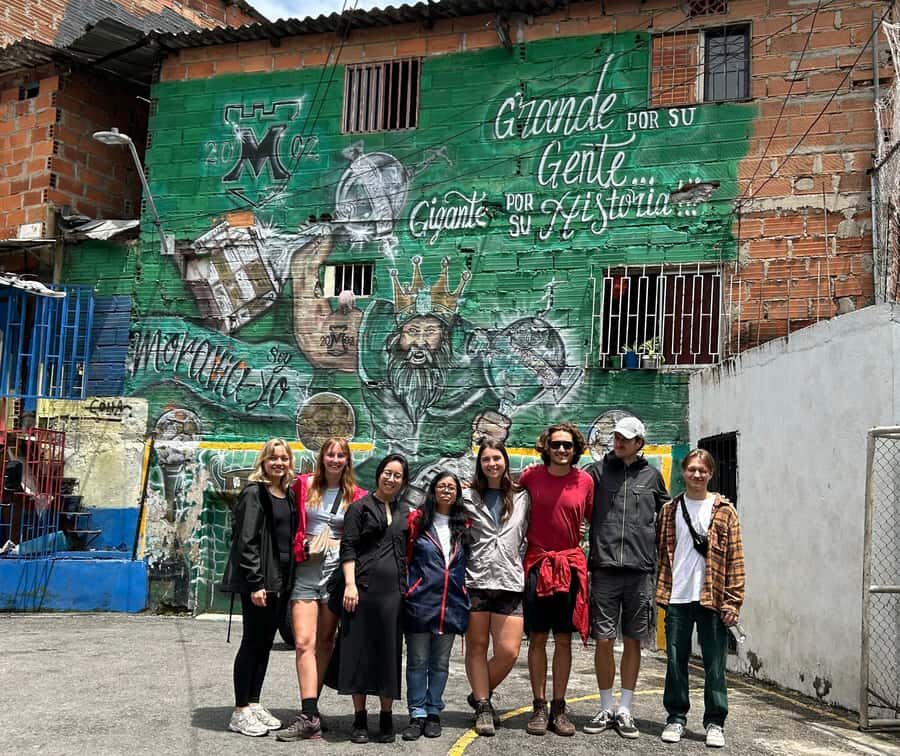
- Small group (up to 8 people): you move at a human pace and questions actually get answered.
- Local community leaders: you meet residents such as Gloria, Gladis, or Heroina, and the experience is built around their firsthand stories.
- Focused on systems, not slogans: education, health care, and welfare show up as practical real-life topics.
- Respect-first community tourism: it’s designed to avoid big crowds and avoid turning the neighborhood into a spectacle.
- Moravia food tasting included: a 30-minute stop adds a welcome break from pure walking and listening.
Why Comuna 4 and Moravia tell a different Medellin story
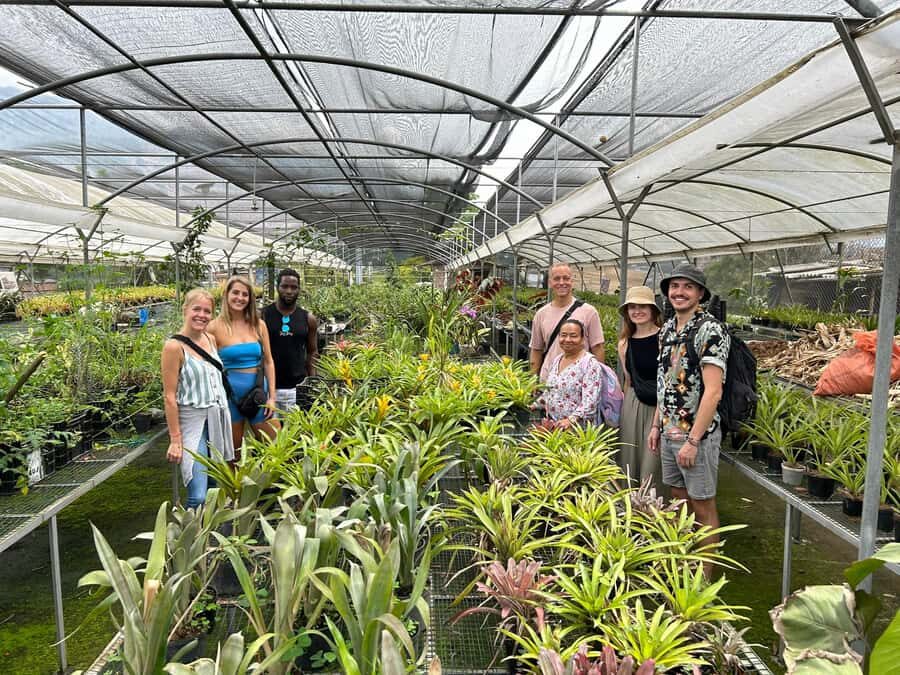
Comuna 4, in Antioquia, isn’t presented here as a set of dramatic photos. It’s treated as a community with history you can explain, and people who can correct the myths you might bring with you.
A key detail that shapes everything: this barrio was built around 60 years ago even though the government did not recognize it for a long time. Once you know that, the rest of the tour clicks into place. You stop thinking only about “change over time” and start seeing what change costs, who benefits, and what still needs work.
I also like that the tour’s goal isn’t just to show streets. It’s to show how social support works in Colombia: education, health care, and welfare systems explained in plain language, tied to what you see around you.
And yes, women’s empowerment comes up directly. Not as a vague theme, but as lived experience in the barrio’s community leadership.
Other Comuna 13 graffiti tours we've reviewed in Medellin
Meeting at Caribe Metro Station: the south-exit rule
This tour starts at the South ticket booth of Caribe Metro Station. The station has two exits, north and south, and you want the one with a pedestrian bridge over the Medellin River.
If you’re going by metro, take the A-line to Caribe, then exit toward the back of the train, meaning the south side. The simple goal here is to get you on the correct sidewalk. Medellin metro stations can be easy, but wrong-exit mistakes can cost real time.
Uber is possible, but the operator specifically suggests it’s not ideal. Their advice is practical: if you do use it, set the destination as Barrio Transformation Tour, use phone data, and stay in contact because your driver might not drop you exactly where you need to be.
The small-group format: why it matters more than you think
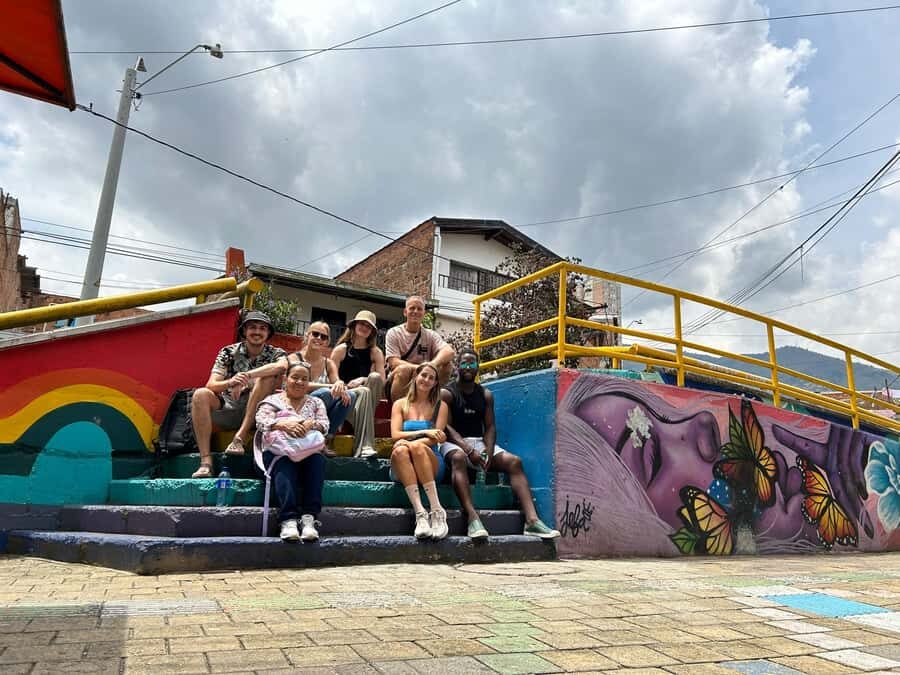
This is limited to 8 participants, and that’s not just a comfort perk. It’s how the tour stays respectful. The community leaders emphasize that big crowds don’t fit the neighborhood, and this experience is designed not to flood the barrio with visitors.
What you’ll feel in practice is that conversations can stay local. You’re more likely to get real answers than rehearsed talking points. In a place where stories carry weight, that matters.
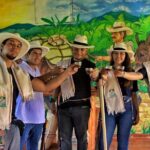
You’ll also be supported by a professional guide who is bilingual and speaks English live, plus a community leader who knows the barrio from the inside. The mix is important: the guide brings structure and explanation, while the community leader brings the lived timeline.
From the vibe described in past groups, names like Toto and Heroina have shown up as standout community hosts. Even if you’re with a different leader (Gloria or Gladis are also mentioned), the key is the same: the voice is coming from residents, not outsiders reading off a script.
Stop-by-stop: walking from transformation to everyday life in Moravia
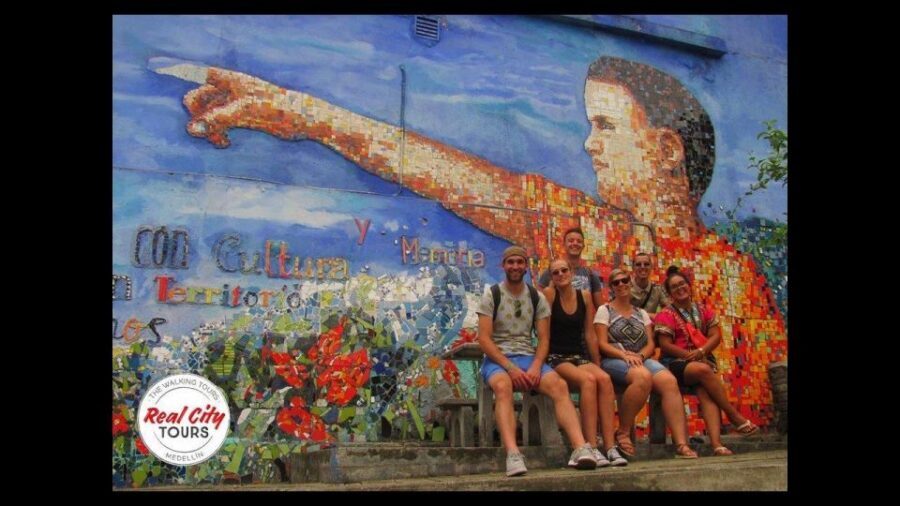
You’ll move through several themed parts across about 3.5 hours. Here’s what each segment is for, and what to watch for.
Start point and orientation: Barrio Transformation Tour
You begin at the starting location of Barrio Transformation Tour. This first phase sets expectations and frames the larger story so the neighborhood stops being a blur of buildings.
Expect the group to get a guided introduction before you start moving through the areas that explain how the community’s needs and growth intersected with city systems.



The first guided segment: Barrio Transformation Tour (about 30 minutes)
Next comes a 30-minute guided tour focused on the transformation story. This is where the tour’s central idea lands: the neighborhood’s shift from long-term lack of recognition to becoming part of Medellin’s urban and social fabric.
Why this matters: if you only walk, you’ll miss the logic. If you only listen, you’ll miss the geography. This portion tries to do both.
A practical tip: wear comfortable shoes and pay attention to the guide’s pacing. When a story is tied to streets, speed is part of the meaning.
A quieter local stop (about 45 minutes)
Then you head to a lesser-known spot for a 45-minute visit. The tour is built to go beyond the surface, and this part is designed to show you something you can’t get from a quick look from a distance.
The bigger goal here is to slow you down enough to notice everyday details: how people use space, where community life seems to happen, and what residents highlight when they’re telling you what’s important.
Moravia: guided walking plus the neighborhood’s real texture (about 1 hour)
Now you spend about 1 hour in Moravia with a guided visit. Moravia is where the story becomes more concrete, because you’re in the part of the experience tied to visible daily life and community organization.
This segment is especially relevant if you’re trying to understand Colombia beyond headlines. The guide tends to connect what you see with how social support and public services affect neighborhoods like this.
Food tasting in Moravia (about 30 minutes)
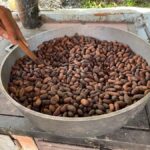
After the walking, there’s a 30-minute food tasting in Moravia. This is not just a break. It’s a way to add another layer to the day, because food is culture that people actually do, not culture that people market.
You’ll get a small snack as part of the tour overall, but this specific tasting time is the structured moment to slow down and reset. If you’re the type who learns best with a rhythm, this helps.
Another local stop for guided context (about 30 minutes)
Next is another guided segment of about 30 minutes in a quieter area. This is where the tour keeps pushing you to look past first impressions again.
I like this “pause and refocus” approach. After Moravia, you’ll have more context, so this part hits differently. Instead of thinking only about what you’re seeing, you start asking why it’s built the way it is and how systems shape daily life.
Moravia Cultural Center: sightseeing time (about 30 minutes)
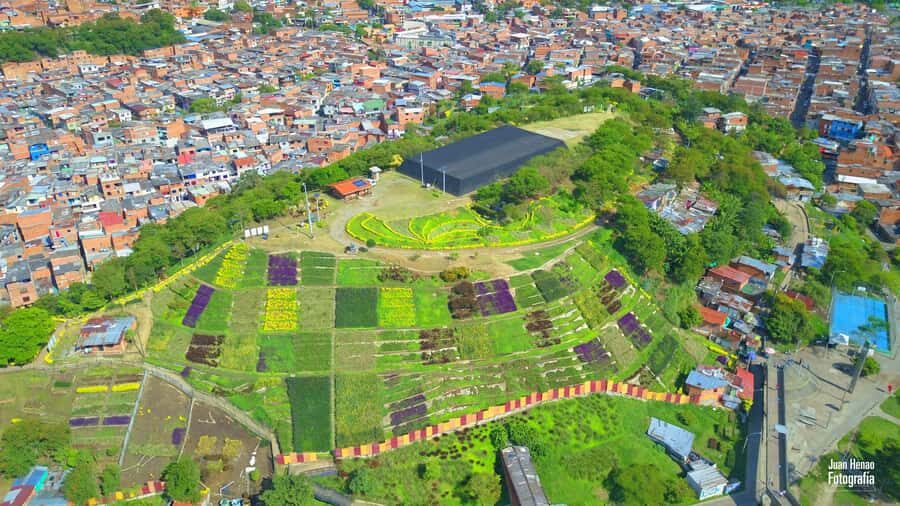
Finally, you end with about 30 minutes at the Moravia Cultural Center for sightseeing. This is your chance to bring everything together visually while you’re still in the story.
As a practical travel move, this last stop is timed well. You get closure without rushing straight back into metro logistics.
You then return to the starting point where the tour ends.
What you’ll learn: education, health, and welfare on the ground
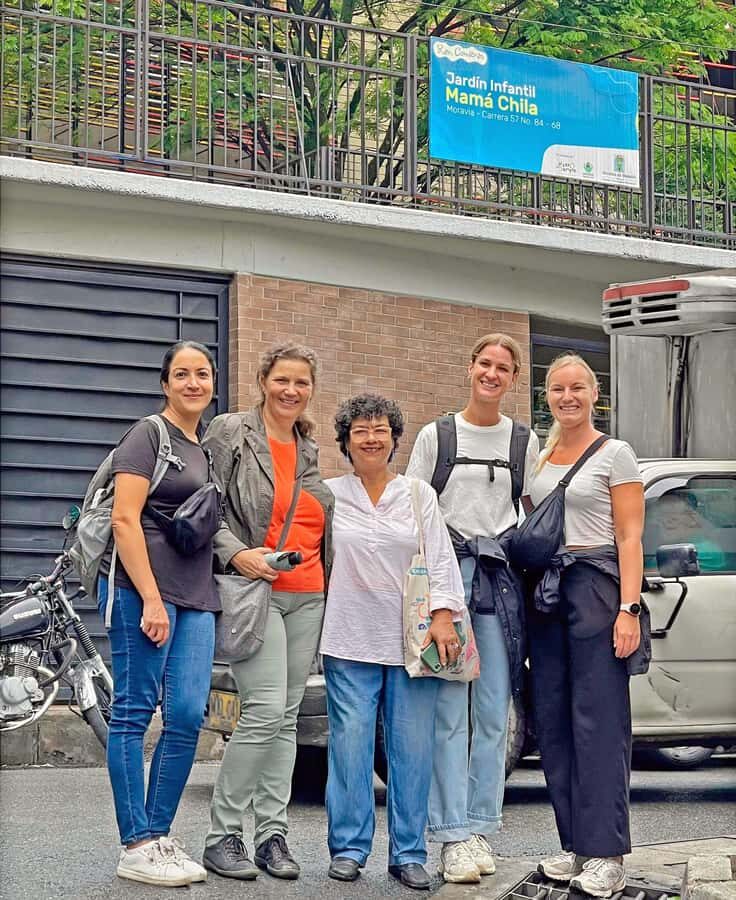
The tour description makes a clear promise: you’ll go beyond what you can see and understand the invisible parts, especially the Colombian education system, health care system, and welfare system.
Here’s why that’s valuable. Many city tours show you architecture or views. This one tries to show you how services work at the neighborhood level, and how those services change (or don’t) when recognition and resources arrive.
When you connect the story to education, you start understanding school access, community priorities, and how families plan for the future. When you connect the story to health care, you start thinking about how people find support and how care is organized. When you connect the story to welfare, you start understanding what safety nets look like in practice.
You’ll hear this explained by a professional bilingual guide who isn’t interested in over-simplified explanations. It’s also tied to real people, because you’re hearing it from residents who live the consequences.
And women’s empowerment isn’t treated like a slogan. Community leadership in the barrio is part of the message, and that’s a big reason this tour feels grounded.
Respect-first community tourism: how value is shared
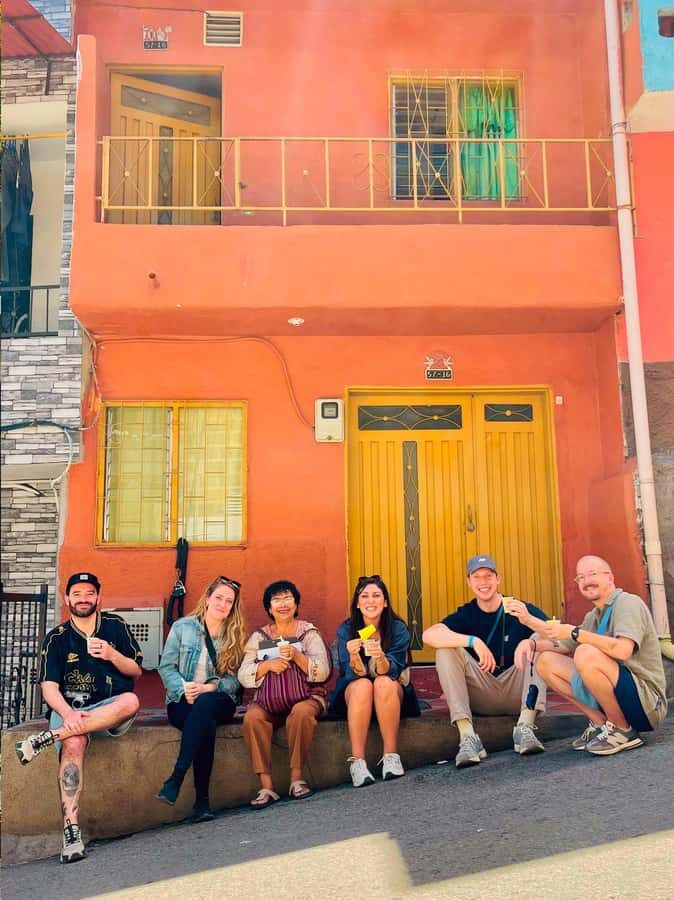
One of the strongest parts of this experience is how it defines itself: not as “poverty tourism,” but as social tourism with respect.
The local hosts emphasize they don’t take big groups and they don’t flood the barrio every day. That means you’re more likely to be welcomed as a participant rather than a spectator.
There’s also a practical piece to it. The community leader gets paid, and a portion of your tour fee goes to community initiatives. You’re not only learning the story; you’re supporting the people who carry it.
For me, that’s the kind of value you can actually feel good about. You’re paying for access to local knowledge, not paying to stare at hardship.
Price and value: is $30 worth it?
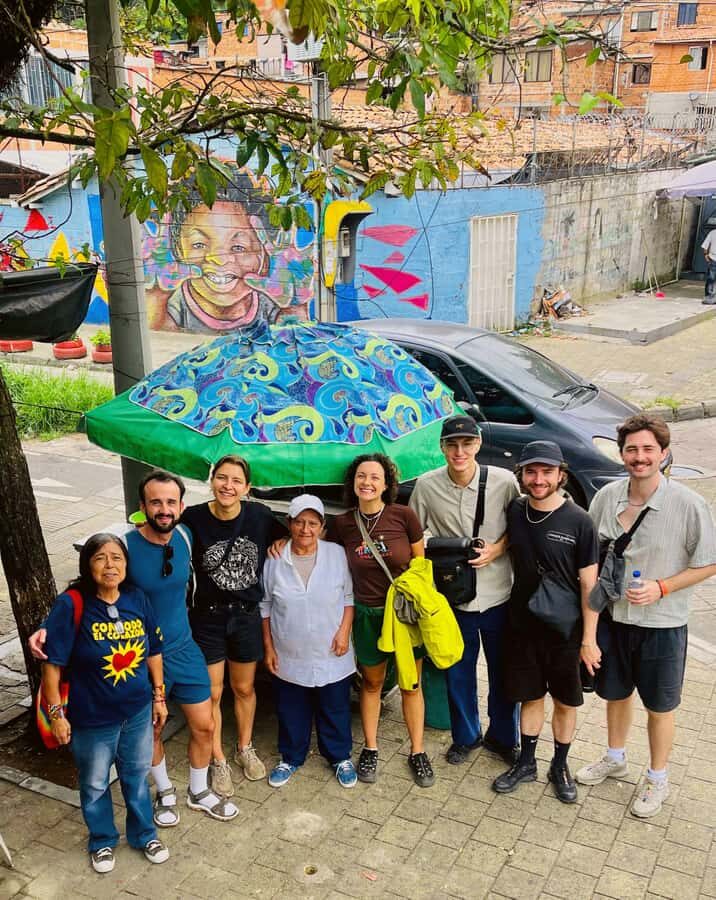
At $30 per person for about 3.5 hours, the pricing is designed to stay accessible while still supporting local leadership.
What you’re getting for the money is pretty specific:
- a local community leader
- a professional bilingual English guide
- a small snack
- Moravia food tasting during the tour
- a small group limited to 8
If you’re comparing it to typical city tours that focus on viewpoints and quick photo stops, you’ll likely feel this is “better used time.” The explanation-heavy approach, combined with resident leadership, makes the experience feel more like learning than sightseeing.
Could it feel more structured than a free wandering day? Yes. But if you want context and you don’t want to guess your way through Comuna 4, that structure is the point.
Who should book this tour, and who might not love it
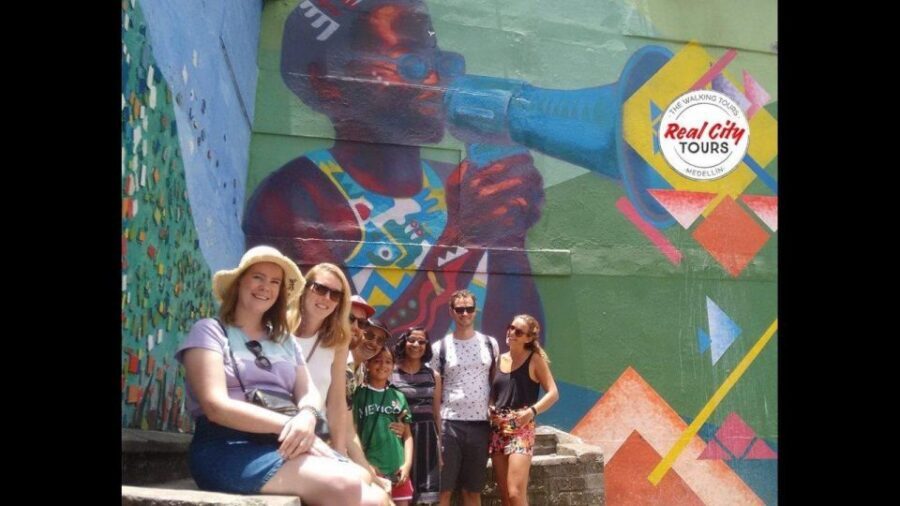
This tour is a strong fit if you:
- want to understand Medellin through neighborhood-level reality, not just big attractions
- like small-group walking tours where questions are welcome
- care about how education, health care, and welfare work in real communities
- want to meet residents like Gloria, Gladis, or Heroina and hear stories in their own voice
It might not be your best match if you:
- need hotel pickup or very minimal walking
- prefer tours centered on classic tourist landmarks only
- want a more casual hangout with no structured explanations (this one is guided and story-driven)
A simple prep checklist: comfortable shoes and sunscreen. Bring both, even if you think you won’t. Medellin sun doesn’t negotiate.
Should you book the Comuna 4 – Moravia Tour?
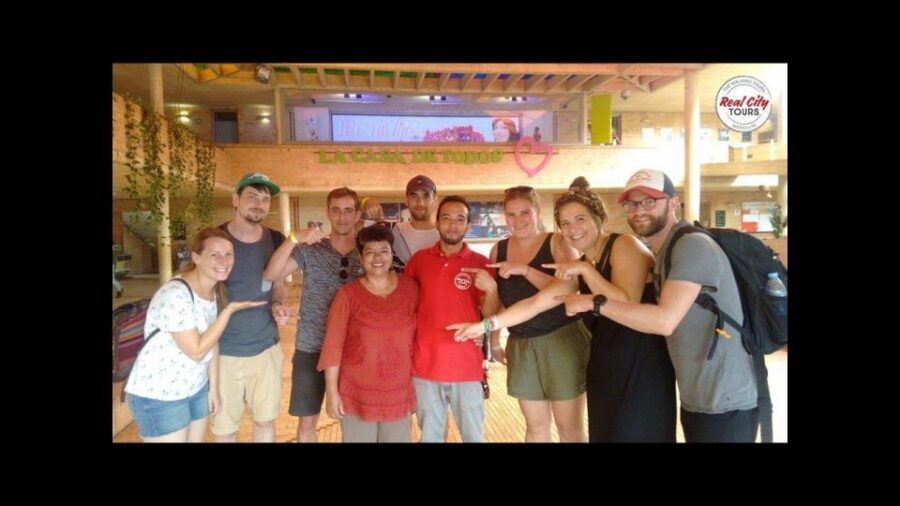
I’d book it if you want a tour that treats residents as teachers and sees community change as a system, not a headline. The small group size, the local leadership, and the focus on education, health, and welfare are the big reasons this feels worth your time.
Book it with confidence if your ideal Medellin day includes walking, talking, and learning why a neighborhood became visible on the city’s radar. Choose something else if you want purely scenic stops and minimal conversation.
If you do book, double-check the south exit meeting point at Caribe Metro Station. That one detail will save you stress, and stress is the enemy of good stories.
FAQ
Where is the meeting point for this tour?
You meet at the South ticket booth of Caribe Metro Station. The station has two exits, and you should use the one with a pedestrian bridge over the Medellin River.
How long is the tour?
The tour lasts about 3.5 hours.
Is the tour in English?
Yes. There is a live English tour guide.
How big is the group?
The group is small, limited to 8 participants.
Is there hotel pickup or drop-off?
No. Hotel pickup and drop-off are not included.
What should I bring?
Bring comfortable shoes and sunscreen.
Is food included?
There is a small snack included, and the schedule also includes a Moravia food tasting (about 30 minutes).