REVIEW · MEDELLIN
Do Not Say That Name
Book on Viator →Operated by Colombia Travel Operator SAS · Bookable on Viator
The fastest way to understand Medellín is to see how it changed after the worst headlines. This Pablo Escobar-themed tour mixes Memorial Inflexión with neighborhood-level stories, and it’s guided in a way that connects the city’s past to what you can still see today. I especially like the free stops built around memory and community, plus the private, bilingual guide setup; the main drawback is that the Escobar portion can feel lighter than you’d expect if you’re chasing every famous filming-location detail.
If you want a structured, no-stress way to move through key sites with local context, this is a strong option. You get private transportation and even medical assistance, which matters on a day that includes walking and public spaces. Just go in knowing this is about Medellín as a living place, not a checklist of cartel landmarks.
In This Review
- Quick hits: what makes this tour interesting
- What you’re really signing up for in Medellín
- Price and value: does $78 make sense?
- Morning vs afternoon: how to choose
- Entering Parque Memorial Inflexión and the Edificio Mónaco story
- The Shrine of the Virgin Mary: faith side of the story
- Cementerio Jardines Montesacro: a brief, sobering stop
- Parque San Antonio: how the conflict shifted
- Comuna 13: murals, public projects, and hillside infrastructure
- Escobar links: what to expect (and what might disappoint)
- Guides: why the day can change depending on your narrator
- Practical tips to get more out of the 4 hours
- Who this tour is best for
- Should you book Do Not Say That Name in Medellín?
- FAQ
- How long is the tour?
- Is the tour private?
- Is admission included for the stops?
- Do I need to pay for food and drinks?
- Is there a bilingual guide?
- Is transportation included?
- What support is included besides the guide?
- Can I cancel and get a full refund?
Quick hits: what makes this tour interesting
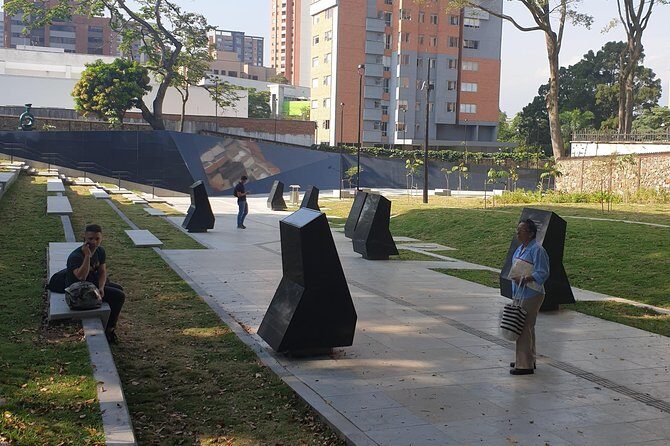
- Parque Memorial Inflexión at the former Edificio Mónaco site, a direct reminder of the violence around Pablo Escobar
- Free admissions at the main stops, so your money stays focused on the guide and transport
- Cemetery and shrine stops that add a human, faith-and-mourning side to the story
- Parque San Antonio as a turning-point explanation for how the conflict changed
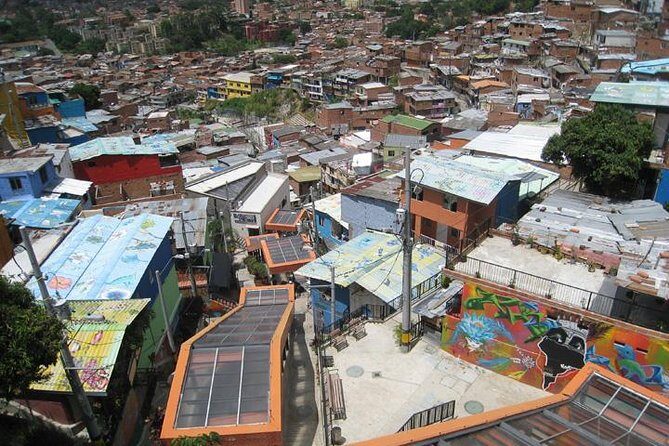
- Comuna 13 transformation through murals and public projects, including major hillside infrastructure
- Private format with a bilingual guide, so you can ask questions without crowd pressure
What you’re really signing up for in Medellín
This isn’t a theme-park Escobar tour. It’s a guided route through places where you can read Medellín’s story like a set of layers: violence, fear, and then rebuilding. You’ll spend time on commemorative spaces and public viewpoints, then shift toward the “what changed?” angle in the neighborhoods where daily life had to restart.
The best part for most people is how the guide ties the city’s transformation to concrete things you can see. It’s not just names and dates; it’s why the city’s projects and community efforts matter. I also like that the tour keeps the pace manageable for a ~4-hour window, so you don’t feel wiped out before dinner.
One thing to consider: if you’re expecting nonstop, hour-by-hour Pablo Escobar filming-location tourism, the experience may feel uneven. A negative review complained that certain famous “Escobar spots” were either not present on the route or couldn’t be visited as expected. If you want heavy Escobar specifics, come prepared to ask your guide what’s possible on the day.
If you're still narrowing it down, here are other tours in Medellin we've reviewed.


Price and value: does $78 make sense?
At $78 per person for about 4 hours, the value mostly comes from three things: a private guide, private transportation, and free admission tickets at the featured stops. For Medellín, that blend can save you time and hassle—especially if you’re not staying near the sites or you’d rather not coordinate multiple rides.
You also get bilingual support, which is huge on a subject that’s full of nuance. When guides can explain the “why” clearly (instead of only listing facts), the tour feels worth paying for. And since you’re not paying entry fees at the stops listed, more of your budget goes into the guidance and logistics.
The catch: food isn’t included. Bring snacks or plan for a meal before or after. If you skip eating, even a great guide can’t fix the grumpy-tired feeling that kills good questions.
Morning vs afternoon: how to choose
You can pick either a morning or afternoon tour, and that choice affects your energy more than the facts. If you’re sensitive to heat, I’d lean morning so you’re not walking in the hottest part of the day. If you prefer a slower start and like traveling after a relaxed breakfast, afternoon works fine too.
The route moves between memorials, religious space, and neighborhood infrastructure. That means you’ll likely do a mix of standing, short walks, and getting on/off transport. Either time of day can work; just match it to your comfort level and how much patience you have for questions, photos, and changing viewpoints.
Entering Parque Memorial Inflexión and the Edificio Mónaco story
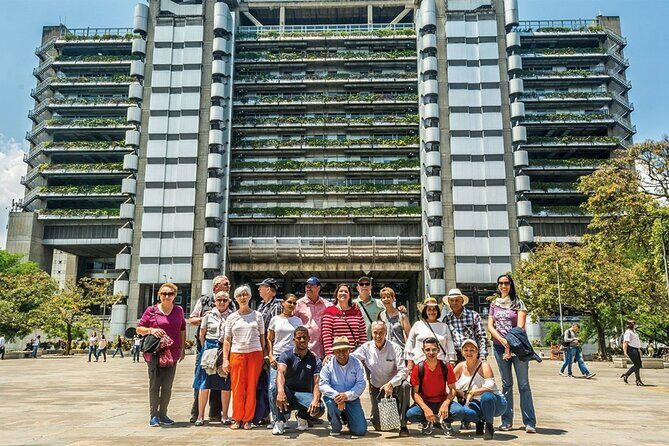
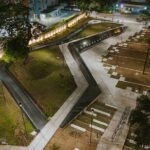
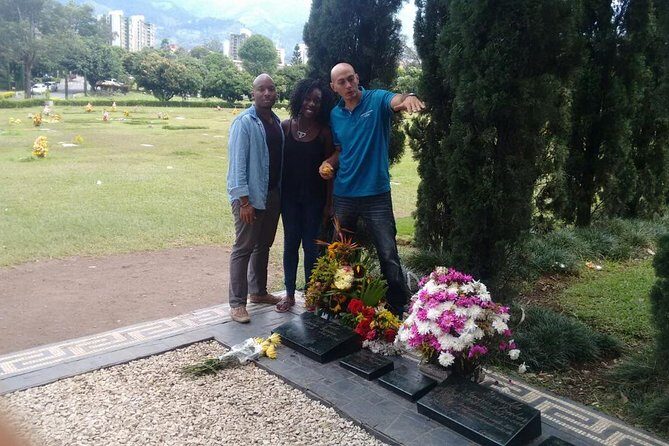
Stop one is Parque Memorial Inflexión, built on the lot of the former Edificio Mónaco. This is an important moment because it takes you to a specific place tied to Pablo Escobar’s era of violence. You’re there about 15 minutes, and that short time is purposeful: it’s enough for orientation and reflection, not a long museum session.
What makes this stop valuable is the way it anchors the tour in a real site rather than only telling the story from a distance. When you stand where events happened, the discussion shifts from “history I watched on TV” to “people lived through this.” The memorial format also keeps the tone respectful, which is key on a subject that can turn dark fast.
Practical note: since it’s an outdoor public space, dress for sun and bring a small layer if you run cool in the evenings. Even in daylight, you’ll want comfortable shoes so you can move smoothly through the park and around nearby areas.
The Shrine of the Virgin Mary: faith side of the story
There’s also a stop at a shrine of the Virgin Mary, where pilgrims ask for miracles. It may sound like a curveball in an Escobar-themed route, but it makes sense. Medellín isn’t only the headlines; it’s also faith, grief, and hope in everyday life.
In tours like this, adding one spiritual stop gives you perspective on how people coped when violence touched their communities. For me, it’s a reminder that the cartel era didn’t just reshape streets—it shaped routines, beliefs, and how families handle suffering.
You won’t be there long, but the emotional tone can be a lot. If you’re traveling with teens or anyone who tends to roll their eyes at “serious places,” this is still worth the stop because it keeps the story human.



Cementerio Jardines Montesacro: a brief, sobering stop
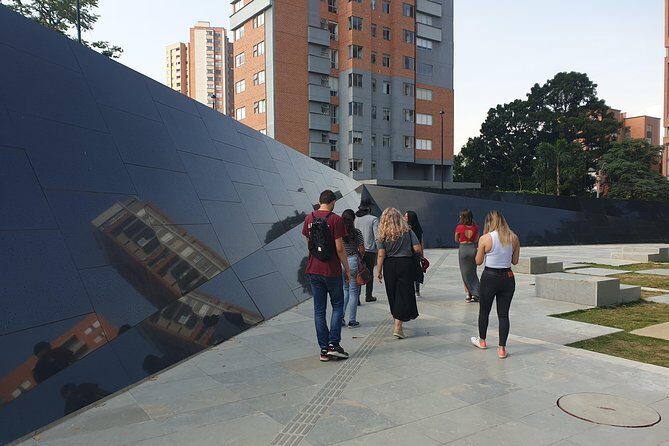
Next up is Cementerio Jardines Montesacro, with about 20 minutes on site. The tour keeps this stop short, which can feel quick if you want deep details. Still, even a brief cemetery visit can reset your expectations: you’re not here for spectacle. You’re here to understand what loss looked like when violence was closer to home.
A cemetery stop also works as a pause between heavier topics. It’s a natural transition from memorial spaces into the “what changed afterward” conversation. If you’re sensitive to scenes of death, take your pace slowly and keep your photos respectful and minimal.
Parque San Antonio: how the conflict shifted
Stop three is Parque San Antonio, where the guide explains changes in the war against Escobar. You get about 15 minutes here, so this is more of a “story waypoint” than a long discussion. The value is that the guide connects the dots between past events and how the situation evolved.
Why this matters: Medellín’s transformation wasn’t one single moment. It was pressure, strategy, community response, and the long grind of rebuilding. A park setting also lets you absorb the geography—how neighborhoods sit on slopes and how that shapes movement, fear, and access.
If you want more detail, this is a good time to ask questions. Since the stop is short, you’ll get the best payoff if you ask one or two specific questions early—like what changed after certain turning points, or how the city’s response affected daily life.
Comuna 13: murals, public projects, and hillside infrastructure
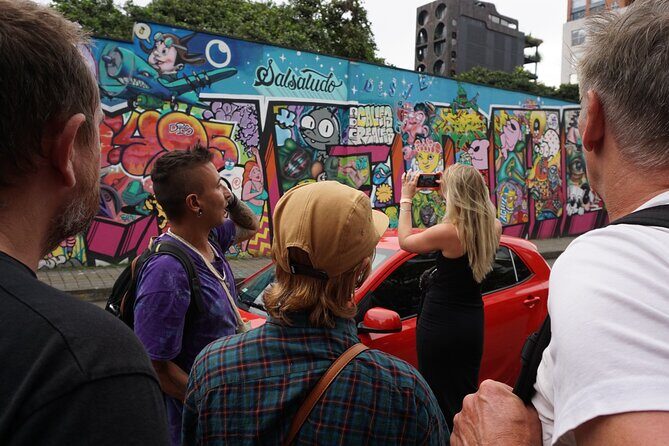
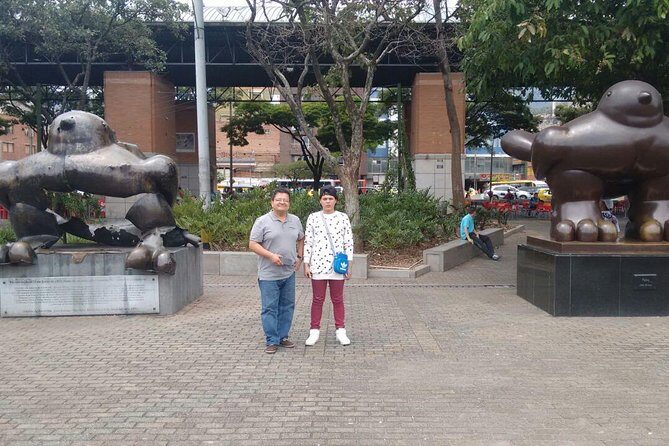
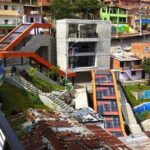
A big part of the experience is the Comuna 13 transformation segment. Even when the Escobar connection isn’t the headline, this is where Medellín’s resilience becomes visible. You’ll see murals and public-art storytelling, plus the hillside infrastructure that supports life in steep neighborhoods.
One review highlighted the way the neighborhood escalator changed daily movement—how infrastructure can reshape private life and community routines. Another mentioned a cable-line ride, which fits Medellín’s geography and gives you a wider perspective on how people navigate the valley.
You’ll also likely encounter the famous electric-stairs idea that became part of the area’s public project story. This matters because it’s not just “cool urban design.” It’s evidence of how the city’s priorities shifted from control and fear toward access and community services.
A note of balance: if you came only for cartel memorabilia, Comuna 13 can feel like a detour. But if you want to understand how a city heals, the Comuna 13 portion is often the most memorable part. It’s also where the tour becomes more about modern Medellín than the era of Pablo Escobar.
Escobar links: what to expect (and what might disappoint)
Let’s talk straight: not everything associated with Pablo Escobar is available to visit in downtown Medellín. One negative review specifically pointed out that some expected locations weren’t really on the route and that certain famous properties are either gone, rebuilt, or far outside the city.
That doesn’t mean the tour avoids Escobar. It means the guide’s focus may lean toward Medellín’s real-world impact: what happened locally, how communities responded, and how the story moved after the worst years. Another review praised the way Escobar-era influence connected to Medellín’s later cultural growth, including the rise of hip hop culture.
So here’s how you should frame it: treat this as a Medellín transformation tour with Escobar in the background where it’s tied to places you can actually visit. If you want a tour built entirely around Escobar’s most famous filming sites, you may need to choose a different itinerary style—or at least ask the guide early what can be covered.
Guides: why the day can change depending on your narrator
The guide is the difference between a tour that feels like a story and a tour that feels like a stop list.
One review praised Juan Carlos as wonderful, calling the experience magnificent. Another credited Hector as enthusiastic and proud of the city, with details about public infrastructure and community change. Those are the kinds of guides who make you feel like Medellín isn’t just a backdrop.
On the flip side, there’s at least one critical account of a guide—Nicolas Zapata—where English skills and narrative structure weren’t enough, and the pacing felt scattered. That led to confusion for family members who wanted clearer, chronological detail.
My advice is simple: when you meet your guide, tell them what you care about most—more about Escobar facts, more about Comuna 13 transformation, or a balance of both. If your Spanish or English isn’t strong, ask the guide to slow down and answer follow-ups directly. A private format helps here.
Practical tips to get more out of the 4 hours
This is a compact schedule, so small choices matter.
Wear shoes you can walk in comfortably for short stretches. Expect hills in Medellín, and plan for standing time during viewpoints and public spaces. Bring sun protection and water, since the tour doesn’t include food or drinks unless specified.
For value, consider your questions in advance. If you’re into the Pablo Escobar story, ask about how the city’s war phase shifted and what changed for neighborhoods afterward. If you’re more into culture and community rebuilding, ask what the public projects did in daily life—access, safety, schooling, or movement.
If you’re traveling with teens, I’d recommend setting expectations early: this tour is about understanding why the city looks the way it does now. The best experiences will happen when your guide explains the “why,” not just the “what.”
Who this tour is best for
This works well for people who want a private, guided overview of Medellín’s modern story. It’s a good match for history-curious travelers, families with older kids, and anyone who watched Pablo Escobar content but wants a real-world context.
It’s also a strong choice if you value comfort and logistics: bilingual guidance, private transportation, and medical assistance included. If you’d rather not figure out transit and timing between scattered stops, you’ll appreciate the structure.
The one group who should think twice is anyone who wants a strict, exhaustive Escobar location checklist. This experience can be more Medellín-focused than you might expect, and the Escobar sites may be more interpretive than literal.
Should you book Do Not Say That Name in Medellín?
If you want a guided, respectful route that connects Medellín’s violent past to the public projects that followed, I think you should book it. The free admissions, private transportation, bilingual guide, and medical assistance make it a practical value for $78, especially in a city where time is the real cost.
Book it with the right mindset: expect a balance of memorials, faith, neighborhood transformation, and only the Escobar elements that tie cleanly to places in Medellín. If that sounds good to you, you’ll likely leave with a deeper understanding of how a city rebuilds itself—one stairway, park, and memorial at a time.
FAQ
How long is the tour?
It lasts about 4 hours.
Is the tour private?
Yes. It’s a private tour/activity, and only your group participates.
Is admission included for the stops?
The stops listed include free admission tickets (Parque Memorial Inflexión, Cementerio Jardines Montesacro, and Parque San Antonio).
Do I need to pay for food and drinks?
Food and drinks aren’t included unless specified. Plan on bringing snacks or budgeting for a meal before or after.
Is there a bilingual guide?
Yes, you’ll have a bilingual guide.
Is transportation included?
Yes. Private transportation is included.
What support is included besides the guide?
Medical assistance is included.
Can I cancel and get a full refund?
Free cancellation is available. You can cancel up to 24 hours in advance for a full refund.