REVIEW · MEDELLIN
Flavors of eternal spring
Book on Viator →Operated by Let's walk Medellín · Bookable on Viator
Medellín tastes like spring. This 3-hour walk strings together famous local stops in San Antonio and La Candelaria, then lets you sample your way through Colombia with all snacks included. I love the simple, no-waste flow of food first and story second, and I also like that the group stays small, with a maximum of 15 people. One thing to consider: the tour is listed as English, but you should still confirm language expectations before you show up.
You’ll start at San Antonio (Cra. 50A con Cll. 46, La Candelaria) at 9:30 am and end near Mercado de La Playa, not far from Teatro Pablo Tobón. It’s not a museum tour. It’s a taste-and-look tour: street food, market energy, and short stops that keep you moving. The route does involve walking between spots, so it’s not recommended if you have mobility limits.
In This Review
- Key highlights worth knowing before you go
- Why this Medellín food walk feels like a spring stroll
- Price and what you actually get for $30
- San Antonio Metro Stop: Las arepas first, then real context
- Parque San Antonio: El guaapo and the sugarcane-lemon hit
- Plazuela San Ignacio: Corn-and-cheese fritters you’ll recognize
- Comfama San Ignacio: Architecture meets how Colombian food developed
- Ruda Tienda Café Librería: Coffee tasting with local pride
- Tranvía de Ayacucho: Empanadas on the tram-track vibe
- Placita de Flórez Market Square: Fruit biodiversity and food processes
- Meeting point, walking pace, and what to expect on the ground
- The language question: English is listed, but confirm
- Quick tips so you can enjoy every stop
- Should you book Flavors of Eternal Spring?
- FAQ
- What is the duration of this Medellín food experience?
- How much does the tour cost?
- Where does the tour start and end?
- Is the tour offered in English?
- What tastings are included during the tour?
- Are meals included or do I pay for food separately?
- Is public transportation included?
- How many people are on the tour?
- Do I need good weather for the tour to run?
- What is the cancellation policy?
Key highlights worth knowing before you go
- Las arepas to start at Estación Metro San Antonio, with a hands-on tasting
- El Guaapo in Parque San Antonio, made with sugarcane and lemon
- Corn-and-cheese fritters at Plazuela San Ignacio, a comfort food you’ll recognize across Colombia
- Coffee tasting at Ruda Tienda Café Librería, with context for why coffee matters here
- Empanadas near Tranvía de Ayacucho, timed so you’re ready for the next flavor hit
- Placita de Flórez fruit sampling, plus a real market square feel and local food processes
Why this Medellín food walk feels like a spring stroll
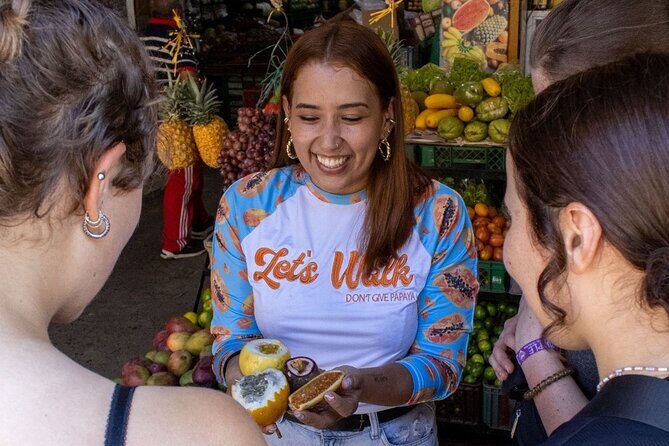
This tour works because it stays practical. You don’t spend hours “learning about food.” You eat it, then you get the cultural meaning in small doses. The title, Flavors of eternal spring, fits the idea of Medellín as a place where local ingredients show up with a sense of daily freshness—especially the fruit stop at the market.
I like the rhythm: short stops, then tasting, then a quick story. That matters in a place like Medellín where neighborhoods and streets can feel different block to block. The route keeps you focused on what’s around you—metros, plazas, markets, tram tracks—so you get bearings fast without turning it into a long transit ordeal.
Also, the tour is priced low enough that you feel free to say yes to snacks instead of rationing yourself. At $30 per person for around 3 hours, you’re essentially paying for guidance, pacing, and a curated string of tastings where the food itself is included.
If you're still narrowing it down, here are other tours in Medellin we've reviewed.

Price and what you actually get for $30
At $30 per person, the best value is that meals and all snacks to try are included. That’s the big deal. Food walking tours can get expensive fast when you have to buy everything along the way. Here, you’re paying for organization and access, not for each individual bite.
Two more practical notes:
First, public transportation is not included, so you’ll want to plan to arrive at the start point under your own steam (walking, taxi, metro, whatever you prefer). Second, the tour is designed for a small group (max 15), which usually means you don’t get lost in the shuffle when you’re trying to grab a sample.
If you’re the type who likes to test lots of small things instead of committing to one huge meal, you’ll likely enjoy this. If you’re picky about textures or you have a hard time with corn-based foods, you’ll want to think ahead—because corn and cheese show up more than once.
San Antonio Metro Stop: Las arepas first, then real context
Your first flavor cue is Estación Metro San Antonio. It’s an instantly useful starting point because you’re in the middle of the city’s movement, not tucked away somewhere tourist-quiet. The stop focuses on Las arepas, one of Colombia’s best-known dishes worldwide.
What makes this a smart first stop is that arepas are both street food and identity food. You’re not just tasting something salty and warm. You’re starting with a dish that people build meals around—so when you see other foods later, you’ll start noticing patterns in ingredients and cooking styles.
You’ll also get a chance to try them right there, and that sets the tone for the rest of the walk. If you’re new to Colombian food, that’s a win: you start with a recognizable anchor, then you move into more specific local specialties.
A practical consideration: if you’re walking in from somewhere far, eat lightly beforehand. The tour feeds you gradually, but you’ll still want to have enough appetite left for guaapo, fritters, coffee, and empanadas later.
Parque San Antonio: El guaapo and the sugarcane-lemon hit
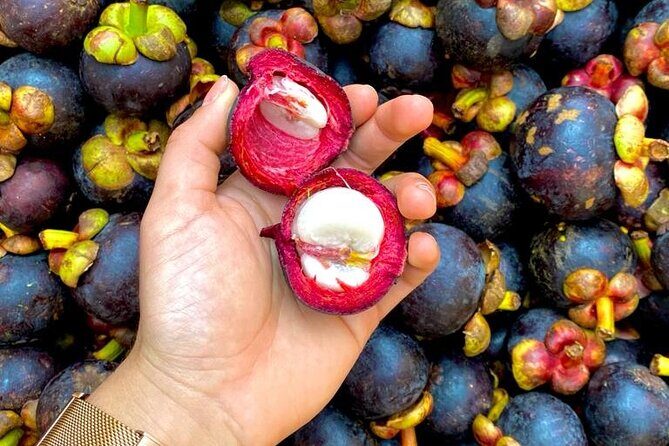
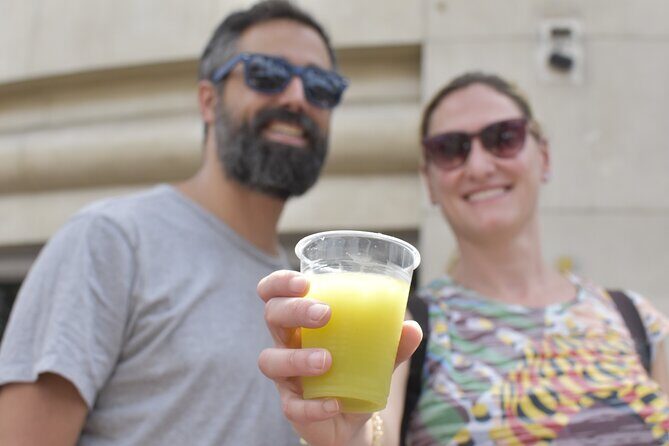
Next up is Parque San Antonio, where you’ll try El Guaapo, a local drink built on sugarcane and lemon. This is the kind of tasting stop that changes how you experience the rest of the tour. A sweet-citrus drink can reset your palate, so the next savory bites feel cleaner and less heavy.
Sugarcane drinks tend to read as candy-like at first sip, but lemon keeps it from feeling flat. That balance is important here because the tour later leans into fried foods and cheese-forward flavors. If you’ve ever noticed that tasting too much fried food back-to-back makes you feel “done,” this drink acts like a reset button.
At a stop this short, you’ll likely do better if you treat it as a quick sip-and-smile moment rather than a deep tasting session. Ask any questions you have, taste, then move on. The pacing matters.
Plazuela San Ignacio: Corn-and-cheese fritters you’ll recognize
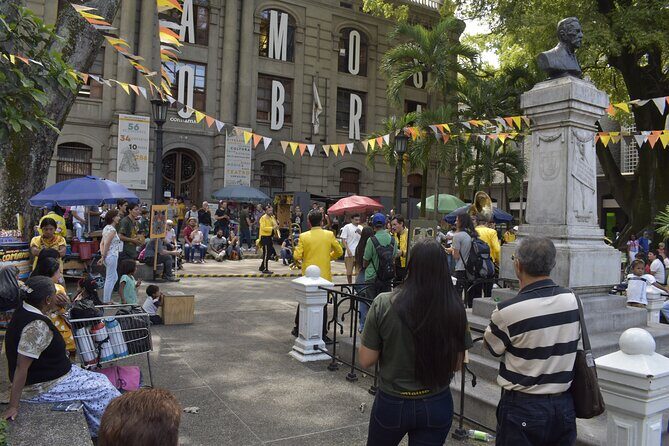
At Plazuela San Ignacio, the focus shifts to fritters—described as delicious masses of corn and cheese eaten across Colombia. This is where the tour leans into comfort food: warm, filling, and very “street snack” in the best way.
This stop also helps you learn something practical about Colombian cooking: ingredients show up in different forms. Corn isn’t just a side dish here; it becomes the base. Cheese isn’t just a topping; it can be part of the core texture and flavor.
If you like crispy edges with a tender interior, you’ll probably enjoy what you try here. If you’re sensitive to dairy or very oily foods, be careful with your pace. Fried snack stops are meant to be sampled, not conquered.
One small tip: take a moment before the first bite to notice how hot the food feels. In outdoor plazas, snacks can cool quickly, and it’s better to eat while it’s at its best.




Comfama San Ignacio: Architecture meets how Colombian food developed

Comfama San Ignacio is the “why this matters” stop. Instead of a new snack, you get the city’s architecture and a discussion about how Colombian food developed. It’s not a lecture-heavy block, and that’s what makes it work.
I like these moments in a food tour because they connect the dots. You’re tasting arepas and fritters in one neighborhood, coffee in another, then fruit at a market. A short architecture-and-history context helps you understand why food feels so local and place-based in Medellín, rather than just a menu of treats.
This stop is also a good time to slow down for a minute. You’ll be walking between sites all morning, so having a short pause where you’re not constantly chewing can actually help you enjoy the next tasting more.
Ruda Tienda Café Librería: Coffee tasting with local pride
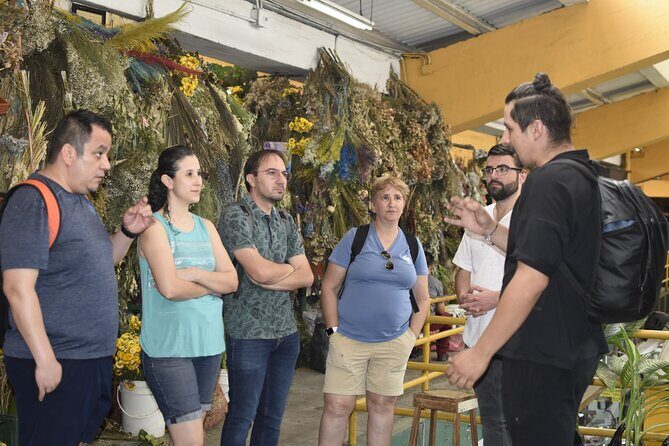
Coffee is one of Colombia’s biggest exports, but the tour doesn’t treat it like trivia. At Ruda Tienda Café Librería, you’ll learn the importance of this product in the territory and then taste one of the best cups of coffee in Medellín.
This is a valuable stop for two reasons. First, it gives you the “why” behind coffee culture—how it connects to identity and everyday life. Second, the tasting makes the education stick. Even if you’re not a coffee nerd, you can still notice differences in aroma, strength, and smoothness when you’re guided to pay attention.
If you get a little wired from coffee, that’s fine. You still have empanadas and fruit to go. Just remember: coffee can mask flavors, so after the cup, keep your next tasting in mind rather than letting everything blur together.
Tranvía de Ayacucho: Empanadas on the tram-track vibe
At Tranvía de Ayacucho, the tasting focus switches to empanadas. You’ll try some of the best empanadas in the city, served right in the tram-track area as part of the walk’s flow.
This stop is great because empanadas are portable comfort food. They’re also a helpful bridge between earlier tastes (corn-based) and later ones (market fruit). If you’ve already been snacking on corn-and-cheese flavors, empanadas can feel like a satisfying finale for savory bites before you move into something brighter.
One consideration: if you’re already full, you may want to take smaller bites and savor. This tour is built on multiple snacks, and it’s easy to overdo it if you’re used to normal restaurant portions.
Placita de Flórez Market Square: Fruit biodiversity and food processes
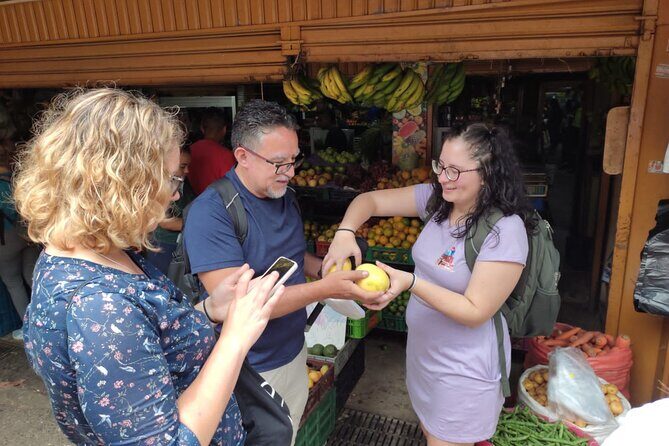
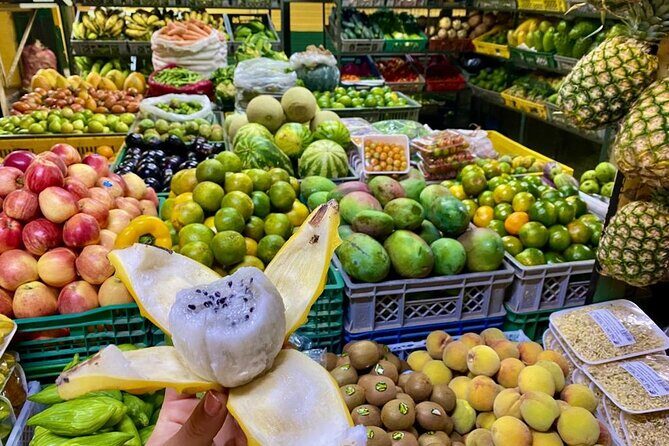
The longest stop is Placita de Flórez. Here you’ll taste the biodiversity of Colombia represented through fruits, then visit a local market square and learn about local food processes.
This is the part of the tour that tends to stick with you the most because it’s sensory. Fruits come with color, smell, and texture, and tasting them in a market context makes it feel real—not staged. You’re not just grabbing something sweet. You’re seeing how local food is handled and presented.
If you want to understand Colombia beyond fried snacks and coffee, this stop delivers. It’s also a practical lesson: markets are where you learn what’s seasonal and what people choose when they’re shopping for daily life.
I also love that the time here is longer (about 40 minutes). It gives you space to look around, ask questions, and try different fruit options without feeling rushed.
Meeting point, walking pace, and what to expect on the ground
You’ll start at San Antonio (Cra. 50A con Cll. 46, La Candelaria) and finish near Mercado de La Playa (near Teatro Pablo Tobón). The tour lasts about 3 hours and includes all tastings, but it doesn’t include public transport—so arriving early and on time helps the whole day feel smooth.
The tour is described as easy enough for most travelers, but it’s not recommended for travelers with mobility problems. That’s a big deal. Even if the stops are close, you’re still moving between them and standing in outdoor or semi-outdoor areas.
Wear comfortable shoes. Bring sun protection if the weather is bright. And since good weather is required, have a flexible mindset: if weather turns, your plan might change.
Also, this tour is capped at 15 people. Smaller groups usually mean quicker service and more room to ask questions when you’re tasting.
The language question: English is listed, but confirm
Here’s the honest travel advice part. The experience is listed as offered in English. However, there has been at least one negative report warning that English might not be provided and that people only realized the issue once they were already in the tour area.
That doesn’t mean your experience will be bad. It does mean you should act like a smart traveler: confirm language details at booking and keep your message in writing if possible.
If you speak Spanish, you’re likely to feel more confident throughout the walk. And regardless of language, food tours still work well with pointing, tasting, and simple questions—especially at places like markets and snack counters.
Quick tips so you can enjoy every stop
- If you’re sensitive to fried foods, pace yourself at the fritter and empanada stops.
- Drink water before and between tastings when you can.
- Have a light plan for after the tour, because you’ll end near Mercado de La Playa where you can keep eating if you want.
- If you’re bringing a phone, expect to use it for maps at least once. The route involves multiple well-known landmarks, but starting and ending points are specific.
Should you book Flavors of Eternal Spring?
Book it if you want a short, focused food walk that includes the snacks, not just advice. At $30, it’s good value for a guided route through major Medellín food stops, especially if you’re excited about arepas, coffee, and market fruit.
Skip it (or think twice) if English is essential for you and you can’t confirm it ahead of time. Also, if mobility is a concern, the walking involved makes it a tougher fit.
If you want a way to understand Medellín through what people actually eat in public spaces, this one delivers—corn-and-cheese comfort, coffee culture, and a fruit-market finish that feels like the city’s seasonal heart.
FAQ
What is the duration of this Medellín food experience?
The tour is approximately 3 hours.
How much does the tour cost?
The price is $30.00 per person.
Where does the tour start and end?
It starts at San Antonio (Cra. 50A con Cll. 46, La Candelaria, Medellín) and ends near Mercado de La Playa (Diagonal al Teatro Pablo Tobón Centro de, Cl. 51 #N° 40 -35, La Candelaria, Medellín).
Is the tour offered in English?
The experience is offered in English.
What tastings are included during the tour?
You’ll have included snacks such as arepas, El Guaapo (sugarcane and lemon), corn-and-cheese fritters, coffee tasting, empanadas, and fruit tastings at a market.
Are meals included or do I pay for food separately?
Meals are included, and all snacks to try are included along the way.
Is public transportation included?
No. Public transportation is not included.
How many people are on the tour?
The tour has a maximum of 15 travelers.
Do I need good weather for the tour to run?
Yes. The experience requires good weather.
What is the cancellation policy?
You can cancel for a full refund up to 24 hours in advance. If you cancel less than 24 hours before the start time, the amount paid is not refunded.