REVIEW · MEDELLIN
Medellin: Learn to make Colombian empanadas from scratch
Book on GetYourGuide →Operated by Colombia Experiences · Bookable on GetYourGuide
Empanadas get personal in Medellín. I love the hands-on part, where you shape dough and choose fillings with a real family team, and I love the warm local welcome that turns a cooking class into conversation. The only catch is that you’ll want to stay fully engaged for the whole 150 minutes since this is a make-and-cook experience, not a sit-and-watch one.
You meet at Casa 201, then spend time in a family home kitchen with an English instructor and hosts who also speak some Portuguese. It’s limited to 9 people, so you’re not shouting across a room to ask basic questions.
Come hungry and ready to get a little messy. You’re also told to bring a good disposition, a smile, and a solid appetite, which is exactly what makes the class feel like spending time with locals rather than following a script.
In This Review
- Key things you’ll remember from this Medellín empanada lesson
- Why Medellín empanadas feel different when you learn them in a home kitchen
- Casa 201 and the 150-minute flow you’ll follow (and why it matters)
- Welcome drink, empanada origin, then straight to the prep
- Filling choices: meat, chicken, a monthly surprise, plus vegan and vegetarian options
- The cooking part you’ll actually do: prep, cook, and build empanadas from scratch
- Enjoying your empanadas with another drink: the payoff moment
- Price and value in Medellín: is $56 fair for this kind of class?
- Who should book this empanada lesson (and who might skip it)
- Quick tips so you get more out of your empanada-making session
- Should you book this Medellín empanada class?
- FAQ
- How long is the Medellín empanada-making experience?
- What does it cost, and what’s included?
- Are there vegetarian or vegan options?
- How big is the group, and is instruction in English?
- Where is the meeting point?
- Can I cancel for a full refund?
Key things you’ll remember from this Medellín empanada lesson
- Small group (up to 9) means you actually get hands-on coaching as you work.
- Family-home atmosphere at Casa 201 makes the cooking feel personal and real.
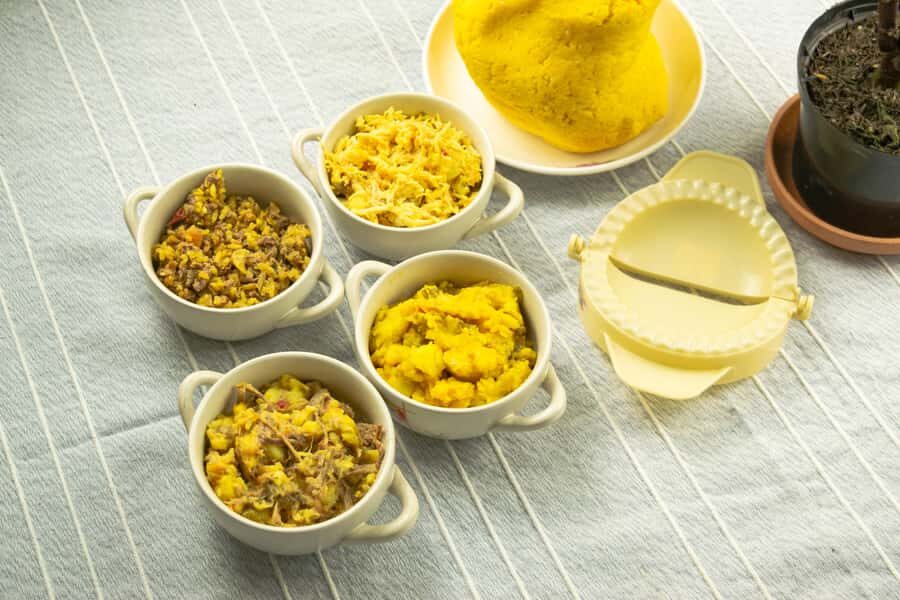
- Pick your filling: meat, chicken, and a monthly special surprise.
- Vegetarian and vegan-friendly choices including a veggie set with mushrooms, corn, cheese, potato, and hogao.
- A quick empanada origin chat before you start cooking, so you know what you’re making.
- Eat what you make with another drink, so the learning ends with a proper payoff.
Why Medellín empanadas feel different when you learn them in a home kitchen
Medellín and the wider Antioquia region have a way of making food feel like daily life, not museum culture. This class leans into that. Instead of treating empanadas like a generic snack, you get the story first, then you learn the practical steps that turn dough + filling into something you can actually repeat later at home.
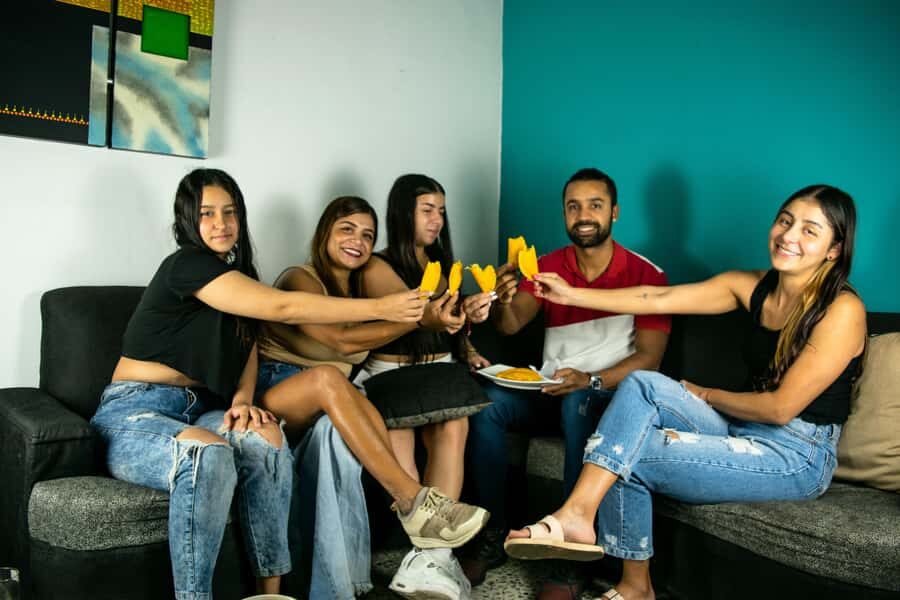
Two things make the experience worth your time. First, the hosts treat it like a shared table. You’re not just learning technique; you’re also getting a sense of how Colombian home cooks think about flavor—especially how fillings can change depending on preference. Second, the class respects different diets. You can choose meat, chicken, and a special monthly filling, but you can also build a vegetarian option and even select vegan-friendly ingredients.
The drawback is also simple: this is active cooking. If you’re expecting a relaxed tasting tour, you might feel rushed. If you enjoy rolling, filling, crimping, and cooking, you’ll have a great time.
If you're still narrowing it down, here are other tours in Medellin we've reviewed.


Casa 201 and the 150-minute flow you’ll follow (and why it matters)
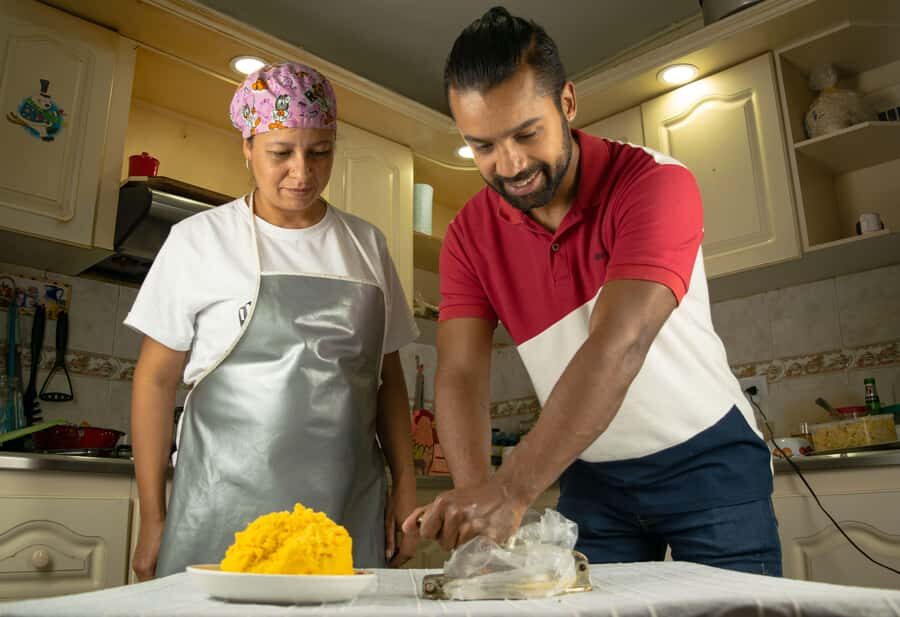
You’re told the meeting point is Casa 201, and from there the class runs for about 150 minutes. That time is long enough to do real work: prep, cook, and eat together. It’s also short enough that you’re unlikely to get bored.
Here’s the rhythm you can expect. You’ll start with a local welcome drink, then you’ll get a brief history of empanadas so the food has context. Next comes the main block: you’ll prepare and cook the empanadas with the guide and their family team. Finally, you’ll enjoy your empanadas and have another drink.
Why this flow works: you’re not learning in a vacuum. The origin story helps you understand why empanadas are such a flexible concept in Colombian cooking—then the hands-on part lets you practice that flexibility with different fillings. And because the class ends with eating what you make, you get immediate feedback on what worked.
If you like structure, this feels comfortable. If you hate learning by doing, look for a different food tour. This one is built for people who want to roll up sleeves.
Welcome drink, empanada origin, then straight to the prep
You begin with a local welcome drink, which does more than just make you feel settled. It sets the tone: you’re entering a home routine, not a classroom.
Then you get a brief history of empanadas. The point here isn’t to memorize dates. It’s to understand where empanadas fit in Colombian food culture and why they show up in so many forms. That background becomes useful once you’re choosing fillings—because empanadas are basically a format. The wrapper is the constant; the filling changes based on what’s available and what the cook wants to highlight.
After that, the group moves into the practical steps. The guide and hosts explain how they prepare empanadas in Colombia, and you take over with your own hands. You’re not just tasting and guessing—you’re learning the process behind the flavor.
For first-timers, this matters a lot. You leave with something more useful than a memory: you learn the basics you can apply later.
Filling choices: meat, chicken, a monthly surprise, plus vegan and vegetarian options
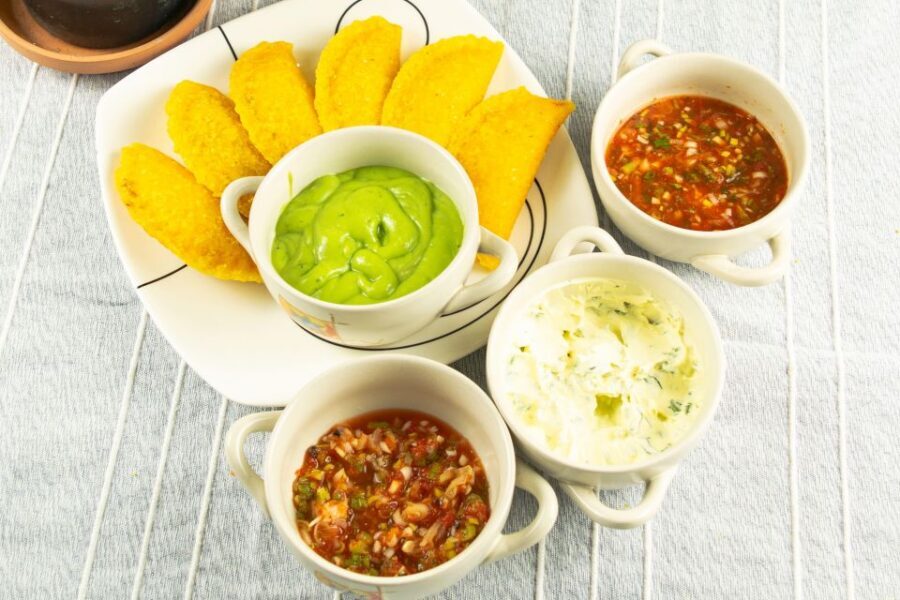
The menu structure is one of the biggest reasons this class works for a wide range of people. You’ll have the chance to choose flavors based on your preferences, and the class can accommodate vegans.
On the non-vegetarian side, you can make empanadas with:
- Meat
- Chicken
- A special filling that changes every month
That monthly changing ingredient is a smart touch. It keeps the class feeling less repetitive and more like you’re cooking what’s current in that home kitchen. It also means you’re getting a slightly different experience depending on when you go.
For vegetarians, the class specifically lists an option: mushrooms, corn, cheese, and potato with hogao. Hogao (the slow, flavorful topping made from tomatoes and onions in Colombian cooking) brings a deep savory note that helps vegetarian fillings feel complete, not like a compromise.
For vegans, you don’t get a single fixed filling listed. Instead, you’re able to use ingredients according to your preference. So if you’re vegan and you want a certain style of filling, this is designed to be flexible.
The practical takeaway for you: if you have dietary needs, communicate them early and clearly. The class is set up for it, but you’ll get the best results when your preferences are understood from the start.
The cooking part you’ll actually do: prep, cook, and build empanadas from scratch
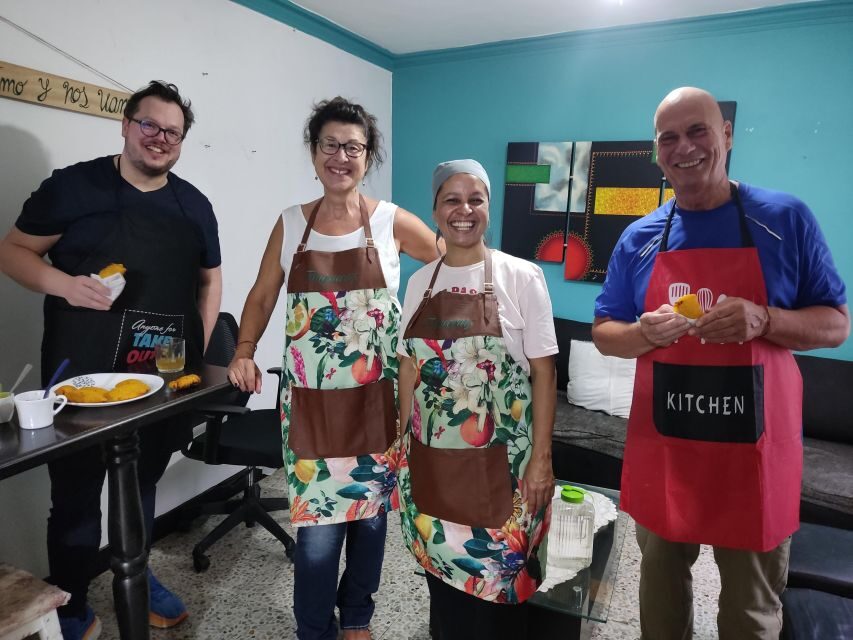
The centerpiece is preparation and cooking, and it’s the part you’ll talk about afterward. You’ll learn the way they make empanadas in Colombia, and then you’ll do it yourself along with the guide.
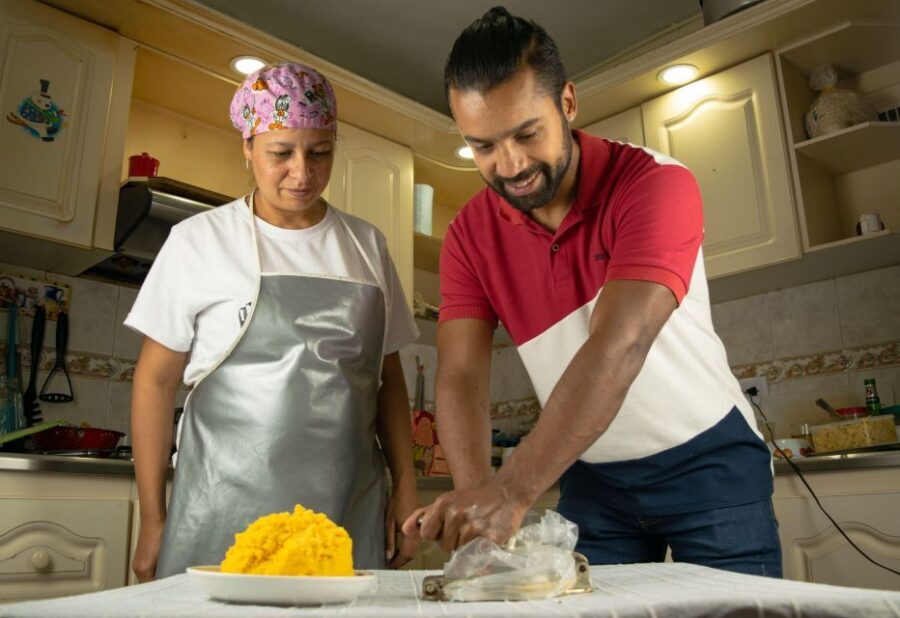
You should expect a true “hands-on” format: mixing or assembling components, preparing filling, shaping empanadas, and cooking them until they’re ready to eat. The hosts explain along the way, and the format is small-group friendly, so it’s easier to correct mistakes early rather than learning through trial and error at full speed.
One detail that feels important: the class is run by a family team. The experience notes say the hosts speak some English and Portuguese, and that cooking is one of their passions at home. One guide role is described as a sister who’s the empanada genius, paired with the other host to provide an authentic experience. That kind of pairing usually means better instruction—one person keeps things moving while the other helps with technique.
Also, you’ll have time to practice and improve. Several people describe it as an experience where there’s enough time to get comfortable, not just a quick assembly line.
The only “consideration,” really, is timing. This is 150 minutes total, so you won’t have hours to perfect every step. If you like to linger, bring a little patience. If you like learning fast and eating quickly, you’re in the right place.





Enjoying your empanadas with another drink: the payoff moment
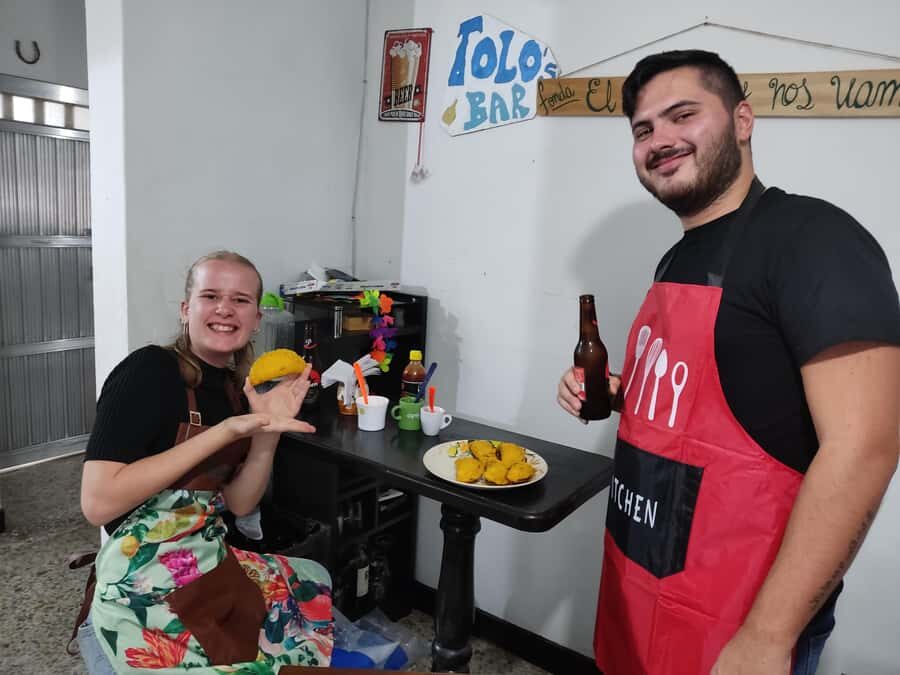
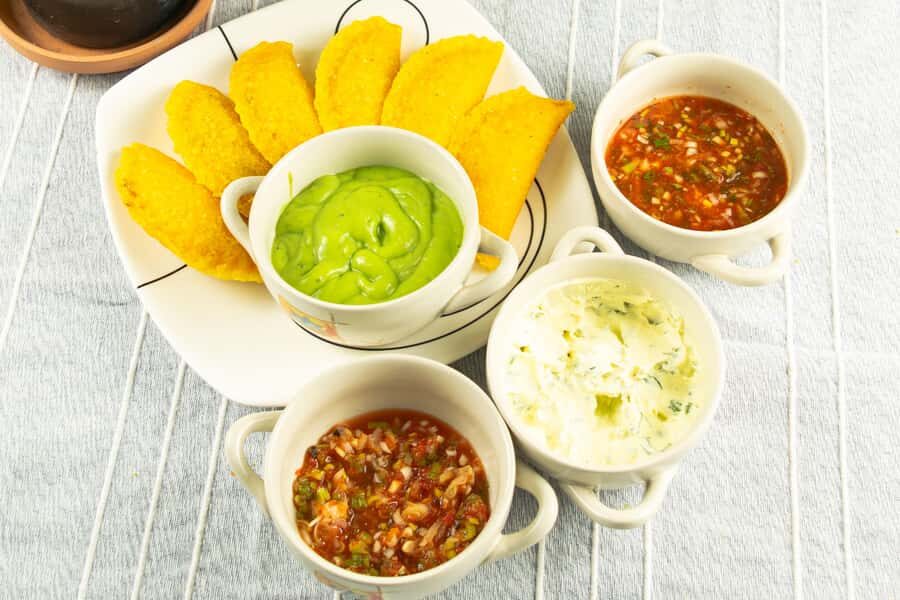
Once your empanadas are ready, you shift from cooking mode to eating mode. You’ll get to enjoy the empanadas you made, and the class includes another drink.
That ending matters more than it sounds. Food classes can sometimes feel like you cook for no reason—you take a few bites and leave. Here, the structure is built so you finish the process and taste the results while the experience is still fresh in your head.
This is where your filling choices make sense. Meat, chicken, and the monthly special each bring different vibes. If you’re doing vegetarian—especially the hogao-based filling—you’ll notice how that topping pulls the flavors together.
You’ll also get the social benefit. Since the group is small, it’s easier to share tables and chat rather than just trading polite nods across the room. This is one reason people tend to rate this type of experience highly: it feels like a shared moment, not a transaction.
Price and value in Medellín: is $56 fair for this kind of class?
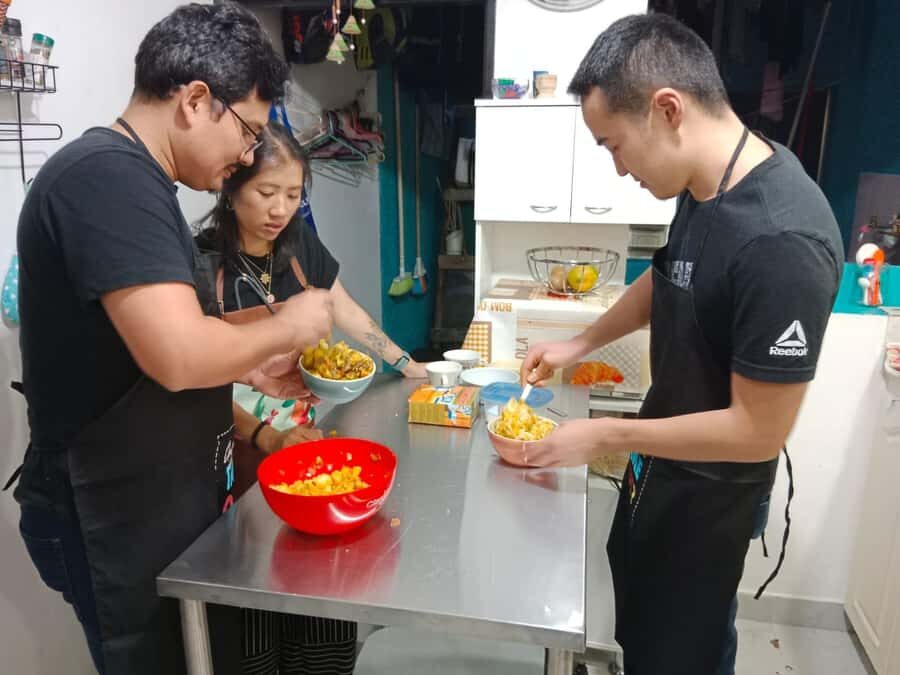
At $56 per person for a 150-minute, small-group cooking lesson, the value comes from the full package—not just the food.
Here’s what’s included, based on the class details:
- A local welcome drink
- A brief history of empanadas
- Ingredient-backed preparation and cooking with your own hands
- Multiple filling paths based on preferences, including vegetarian and vegan-friendly options
- Another drink to enjoy with what you made
You’re also paying for the setting: a family home setup is different from a cookie-cutter studio. And you’re paying for attention. With a maximum group size of 9, you’re more likely to get corrections and guidance than you would in a large cooking room.
In other words, $56 doesn’t only buy empanadas. It buys context, coaching, and a realistic skill you can carry home. If you like eating out, you might spend that much on one meal plus drinks. This gives you a meal plus the know-how behind it.
If you’re on a strict budget, decide based on what you want most: convenience and novelty, or learning and hands-on time. If you choose the learning, this price feels reasonable for Antioquia.
Who should book this empanada lesson (and who might skip it)
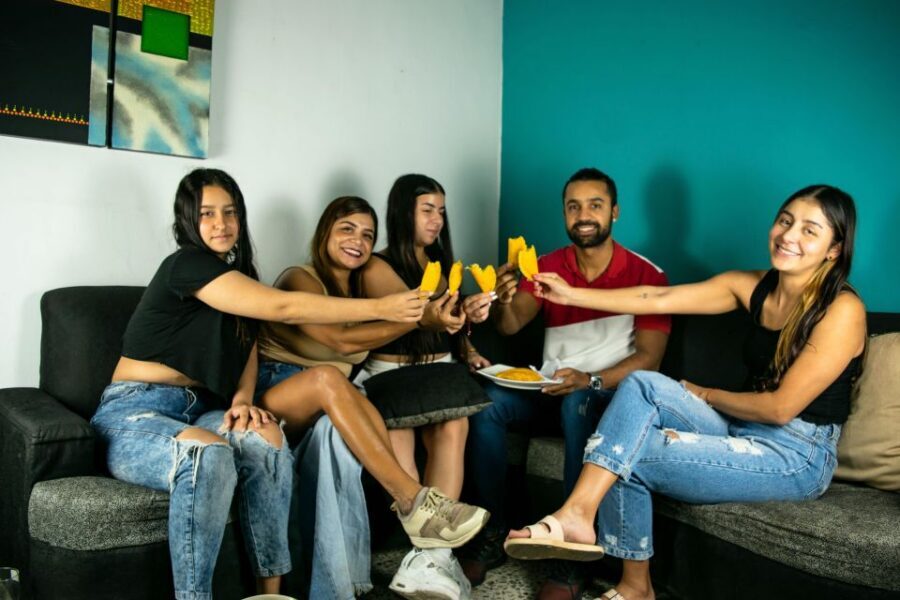
This class is a strong fit if you:
- Want a Medellín food experience that’s social and home-based
- Love cooking with step-by-step guidance
- Prefer learning through doing rather than watching
- Need vegetarian or vegan options that aren’t treated as an afterthought
It’s also ideal for mixed groups: people can choose different fillings and still share the same cooking flow. The small group format makes it easier to help everyone stay involved.
I’d consider skipping if you:
- Want a relaxing sightseeing tour where you mostly observe
- Have very limited time for a full 150-minute activity
- Don’t enjoy hands-on food prep (this is part of the point)
One nice thing is that the hosts offer instruction in English, and they speak some Portuguese too. If you’re comfortable with English basics, you’ll be fine.
Quick tips so you get more out of your empanada-making session
Before you go, plan around the practical reality: you’ll be working with food. That means you’ll likely want to wear something comfortable and easy to get a little floury or sauce-adjacent.
During the class:
- Ask questions as you cook, not after. Technique gets easier when you apply it right away.
- Pick your filling choices confidently. The class is designed to adapt ingredients to your preferences.
- Don’t be shy about trying the vegetarian or vegan options if that’s your need. The class includes a listed vegetarian filling with hogao and has vegan-friendly ingredient flexibility.
And mentally, go in expecting a warm, conversational vibe. The hosts emphasize sharing and connecting with people of different backgrounds, and cooking is presented as something they love doing at home.
If you do that, you’ll likely leave not just full, but proud—like you can recreate parts of it later.
Should you book this Medellín empanada class?
If you want a meal with a story, plus a skill you can reuse, I’d book it. The combo of small group size, hands-on cooking, and flexible fillings for meat, chicken, vegetarian, and vegan diets makes it a smart choice for a food-first trip to Medellín.
Book it especially if you enjoy authentic, family-style experiences more than polished demonstrations. And if you’re traveling with friends or family, this format tends to work well because everyone can participate and still pick what they like.
If your ideal day is mostly sightseeing with minimal cooking, choose a different kind of tour. But if you like rolling dough and turning it into dinner, this is a solid use of your time in Antioquia.
FAQ
How long is the Medellín empanada-making experience?
It lasts 150 minutes.
What does it cost, and what’s included?
The price is $56 per person. It includes a local welcome drink, a brief history of empanadas, preparation and cooking, and another drink to enjoy the empanadas.
Are there vegetarian or vegan options?
Yes. For vegetarians, there is a filling with mushrooms, corn, cheese, and potato with hogao. The experience also notes vegan options based on your preferences.
How big is the group, and is instruction in English?
It’s a small group limited to 9 participants, and the instructor is English.
Where is the meeting point?
The meeting point is Casa 201.
Can I cancel for a full refund?
Yes. Free cancellation is offered up to 24 hours in advance for a full refund.