REVIEW · MEDELLIN
Medellín: Trekking Ríos de Cristal
Book on Viator →Operated by Aventura San Francisco · Bookable on Viator
First thing: this trek starts early for a reason. You’ll head from Medellín into East Antioquia’s high mountains and river valleys, hiking paths with big canyon views around the Melcocho and Río Verde rivers, led by guides such as Diana and Andrés. The best part is that the walking connects you to crystal-clear water and real countryside life, not just a pretty trail.
Two things I really like: the small group size (max 12) keeps the experience personal, and the route is built around actual places—Melcocho and Río Verde crossings, a swim stop, and homestays in the area. One consideration: this is not a casual stroll. The third day includes a very steep stretch and slippery rocks in spots, so you’ll want solid moderate fitness and good shoes.
In This Review
- Key points at a glance
- Medellín To East Antioquia: what you’re really signing up for
- Price and logistics: does $528 feel fair?
- Your group size and guide style (Diana and Andrés matter)
- Day-by-day route: rivers, climbs, and viewpoints that pace you
- Day 1: Melcocho crossings, canyons, and a first night in La Torre
- Day 2: Río Verde swim, a steep crossing, and the Páramo de Sonsón payoff
- Day 3: Moderate early hours, then steep Murringo path sections
- Stops you’ll feel: Sonson and Río Melcocho in context
- Homestays and meals: where the trip becomes personal
- What to bring (so Day 3 doesn’t ruin your day)
- Who this trek is best for (and who should skip it)
- Should you book Medellín: Trekking Ríos de Cristal?
- FAQ
- How long is the Medellín: Trekking Ríos de Cristal experience?
- What fitness level do I need?
- Is hotel pickup included?
- What group size is the trek?
- What can I expect to do during the trek?
- Will there be places to stay and eat overnight?
- Is the experience refundable if I cancel?
Key points at a glance
- Max 12 hikers means you’re not lost in a crowd.
- Hotel pickup helps you start the day without logistics stress.
- River time is part of the plan, including a swim on Day 2.
- Homestays in farm homes keep the trip tied to local community life.
- Páramo de Sonsón views show up as a payoff on Day 2.
- Day 3 gets steep and includes the more preserved parts of the Murringo path.
Medellín To East Antioquia: what you’re really signing up for
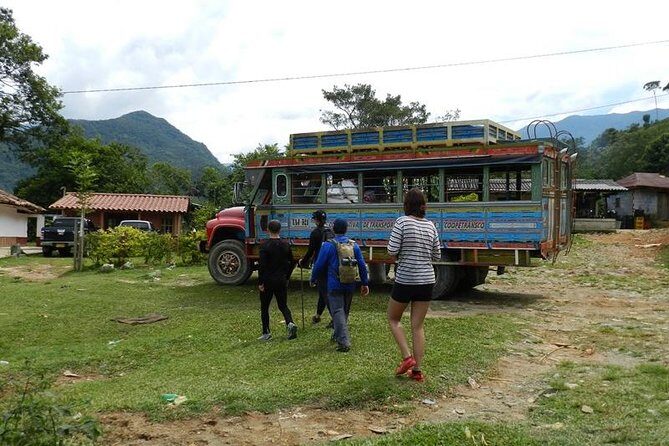
This trek is about distance, yes. But it’s also about pace and perspective. From Medellín, you’re taken into the East Antioquia region where rivers cut through mountain terrain and the walking follows that rhythm—down into valleys, up toward ridgelines, then down again.
You’re hiking through areas that feel close to the city on a map but remote once you’re on the paths. That’s why so many people rave about the combination of farms, forests, rivers, and the sense that you’re moving through lived-in countryside rather than a theme-park route. The trip is offered in English, which matters if you want explanations on what you’re seeing—plants, insects, animals, and local context.
And because the group is small (maximum 12), it feels more like a shared adventure with your guide explaining what’s around you, rather than you watching your own feet while the rest of the group disappears ahead.
Other hiking tours in Medellin
Price and logistics: does $528 feel fair?
At $528 per person for an approx. 3-day trek, the value comes down to what’s included. You’re not just paying for a guide and a trail. You also get hotel pickup, a guided multi-day route, and overnight stays in local homes. Several details stand out from the experience feedback: homestays were described as clean and welcoming, with running water and electricity, plus good meals.
You’re also paying for the “hard parts” of travel that solo hikers usually struggle with: getting out to the right valleys, timing the route so you’re at river and viewpoint spots at the right moments, and arranging community stays along the way.
If you prefer totally independent travel, this may feel structured. But if you want a guided trek that supports the local economy and keeps the schedule smooth, the price starts to make more sense.
One more practical thing: the itinerary begins very early. Start time is listed as 6:00 am, and the first day’s trekking begins later, at 10:00 am. That early start is there to position you for the best hiking flow and daylight for river time.
Your group size and guide style (Diana and Andrés matter)
A max group of 12 is a big deal on a trek like this. On trail, you want space to pause, ask questions, and let your guide adjust to the pace of the group. In the feedback, Diana and Andrés show up repeatedly as guides who know the local environment and customs, not just the route.
What that means for you: you’re more likely to understand what you’re seeing—why certain plants or animals are common, how local people relate to the land, and how the countryside works beyond the viewpoint.
Also, the vibe described in the feedback leans toward thoughtful, people-first guiding. You’re treated as part of the group, and the homestay component feels integrated rather than rushed.
Day-by-day route: rivers, climbs, and viewpoints that pace you
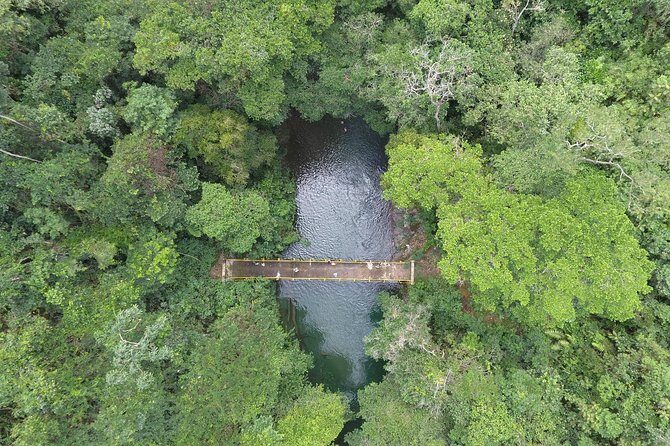
Here’s how the three days fit together, and what each day is likely to feel like.
Day 1: Melcocho crossings, canyons, and a first night in La Torre
You start early, with the day organized around a 10:00 am start to trekking (after pickup and travel). The hike begins with a descending path so you can cross the Melcocho River and then start climbing toward Vereda El Cedro.
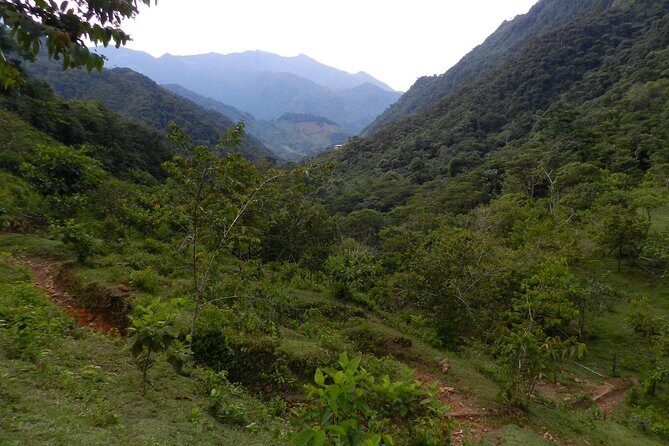
As you ascend, you get wide viewpoints over the Santo Domingo and Melcocho River canyons. This is a good way to “warm into” the trip: you’re not thrown straight into a long wall of uphill. You’re moving down and then up while the guide keeps the setting in view.
You’ll continue ascending until La cuchilla, then the route shifts into a long descent toward the La Torre path, where you spend the night.
What to expect on Day 1 in practical terms: you’ll likely feel your legs more from the walking time and changes in elevation than from technical scrambling. Still, plan for uneven footing and a real hike, not a casual stroll.




Day 2: Río Verde swim, a steep crossing, and the Páramo de Sonsón payoff
Day 2 begins at 8:00 am, heading toward Río Verde. The highlight here is a refreshing swim. If you like nature breaks that aren’t just “look at it and move on,” this is your moment.
After the water time, the hike turns into a steep climb to cross Río Verde de los Montes. This is one of the days where you’ll feel the effort more clearly, because the climb is described as steep.
Then you’re rewarded with a spectacular view of the Páramo de Sonsón. Even if you’ve never hiked in a páramo setting, the payoff is usually how open and exposed the viewpoint feels compared with the forested sections.
Practical tip for you: bring a plan for being wet. Even if you don’t want to overpack, having a dry set of socks or quick-dry layers makes the day more comfortable.
Day 3: Moderate early hours, then steep Murringo path sections
Day 3 starts at 7:00 am and stays alongside Río Verde de los Montes for most of the trek. The first hours are described as moderate ascents, so you’re not starting with maximum pain.
But the last two hours change the tone. The climb becomes quite steep, and the route passes through the most preserved parts of the Murringo path.
This is where you’ll want strong traction and steady breathing. In the feedback, slippery rocks are mentioned—especially on the last day. It’s not about fear. It’s about footwork, balance, and not rushing.
If you’re the type who hates feeling rushed, pace yourself early on Day 3. Save your energy for the steeper stretch. This isn’t the day for blisters you didn’t prevent on Days 1–2.
Stops you’ll feel: Sonson and Río Melcocho in context
The trip includes Sonson as a stop, along with Río Melcocho. What matters is not just the names—it’s what they represent in the flow of the hike and the culture around it.
Sonson acts like a gateway into East Antioquia’s rural rhythm. You’re not just trekking through “nature.” You’re moving through places where communities live close to the land, where the route makes sense because people have been navigating these valleys for years.
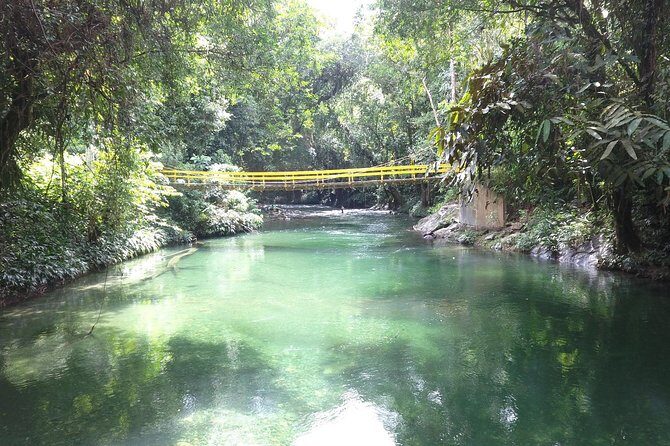
And Río Melcocho is the river centerpiece that anchors Day 1’s crossing and canyon views. If you love water that looks and feels clean, this is part of what makes the whole itinerary memorable.
Homestays and meals: where the trip becomes personal
One of the most highly praised parts of this experience is the overnight stays in local farm homes. The feedback describes families as hospitable, welcoming, and kind, with food that people found delicious. Homestays were also described as clean, and running water and electricity were specifically mentioned.
A nice detail for families: vegetarian food can be prepared. One account noted a vegetarian meal option for a 15-year-old, which is a helpful sign if you have dietary needs.
What to consider: homestays mean you’re living simply. Comfort is usually described as solid (clean, with basic utilities), but it won’t be a hotel. If you like the idea of sleeping close to the countryside and waking up in that setting, you’re going to love this part.
What to bring (so Day 3 doesn’t ruin your day)
The tour description calls for moderate physical fitness, and the route includes steep sections and slippery rocks. Even without a packing list provided, you can plan intelligently.
I’d bring:
- Sturdy hiking shoes with good grip (for rock and slick spots)
- Quick-dry layers and a lightweight rain layer
- A small towel and dry socks for after river/swim time
- A water-resistant bag for your phone and key stuff
- Sunscreen and a hat (you’ll be out in daylight for long stretches)
- Any basic personal meds for long days
If you’re thinking about river swim time, you might want footwear you can handle getting wet. Don’t count on the terrain being soft and forgiving.
Who this trek is best for (and who should skip it)
This is a great fit if you:
- want a guided hike with small-group energy (max 12)
- like the outdoors but also care about local people and community stays
- enjoy river time and don’t mind being active for multiple days
- have at least moderate hiking fitness and can handle steep segments
You may want to think twice if you:
- want a low-effort “see and stroll” day
- struggle with uneven footing or slippery rocks
- have trouble with early mornings (the start time is 6:00 am)
Service animals are allowed, which can matter for some visitors. For everyone else, the main gate is physical comfort with long walking and Day 3’s steep end.
Should you book Medellín: Trekking Ríos de Cristal?
Book it if you want a trekking experience that mixes real countryside living with river swimming and big viewpoint payoffs, all in a group small enough for genuine guide interaction. The praise is consistently tied to the guides’ knowledge (Diana and Andrés show up often), the clean and welcoming homestays, and the way the hike supports local community life.
Think twice if you’re not ready for a tough finish. Day 3 is steep, and the trail includes slippery rocks. If you’re prepared for that and show up with solid shoes and a steady pace, this can be one of those trips where you come back tired in the good way—legs worked, mind clearer, and your memory stuck on clear river water and canyon views.
FAQ
How long is the Medellín: Trekking Ríos de Cristal experience?
It runs for approximately 3 days.
What fitness level do I need?
The tour is for travelers with moderate physical fitness. You’ll be walking for multiple days, including steep sections.
Is hotel pickup included?
Yes. Hotel pickup is included for a hassle-free start.
What group size is the trek?
It has a maximum of 12 travelers.
What can I expect to do during the trek?
You’ll hike across river areas and paths with canyon viewpoints. Day 2 includes a swim in Río Verde, and the final day includes steep hiking along the Murringo path.
Will there be places to stay and eat overnight?
Yes. The experience includes overnight stays in local homes along the way, with meals provided during the trip. Vegetarian food can be prepared.
Is the experience refundable if I cancel?
No. It is non-refundable and cannot be changed for any reason. If the minimum number of travelers isn’t met, you’ll be offered a different date/experience or a full refund.