REVIEW · MEDELLIN
Shared Tour Commune 13 and Metro Cable La Aurora de Medellin
Book on Viator →Operated by Beyond Colombia Free, Group & Private Tours · Bookable on Viator
Medellín’s art escalators change how you see the city. This shared tour links Commune 13 street art, community spaces, and a Metrocable ride into one practical 4-hour loop. You get a guided look at how the neighborhood’s physical connections and public art helped shape daily life.
I really like two things here. First, you’ll spend real time on the murals and street-level storytelling, where the walls explain struggle and hope in plain sight. Second, the viewpoint stops and the metrocable segment give you Medellín from above—so you leave with both context and a fresh sense of scale.
One caution: English quality can vary by guide, and timing can be a little unpredictable at the start (one experience report mentioned a late guide and a rough beginning). If you’re strict about schedules, go in with a little patience and keep an eye on the meeting point.
In This Review
- Key highlights at a glance
- Commune 13 and Metrocable: why this loop works
- Start at San Javier Metro: the best place to get your bearings fast
- Escaleras eléctricas: more than an iconic photo spot
- Murals and the street-level story: where the meaning lives
- Cultural center and library stops: education as a community anchor
- Mirador views: reading the commune’s position in Medellín
- Boarding the Metrocable from Aurora: a transport story with real views
- Parque Biblioteca San Javier / CEDEZO: a calm finish with learning energy
- Price and what’s included for $45
- Group size, pace, and how to handle a late start
- Who this tour suits best
- Should you book this Commune 13 and Metrocable tour?
- FAQ
- What is the duration of the Commune 13 and Metrocable tour?
- How much does the tour cost?
- Where does the tour start, and what time does it begin?
- Where does the tour end?
- Is the tour available in English?
- How big is the group?
- What is included in the tour price?
- Is lunch included?
- What is the cancellation policy?
Key highlights at a glance
- Small group (max 10 people): Easier questions, less crowd noise, better pace.
- Certified guide plus local context: You’re not just looking at murals; you’re getting the meaning behind them.
- Escalators, miradores, and Metrocable: The route is built around Medellín’s “uphill mobility” story.
- Community spaces like the library and cultural center: Education and local projects are part of the visit, not an afterthought.
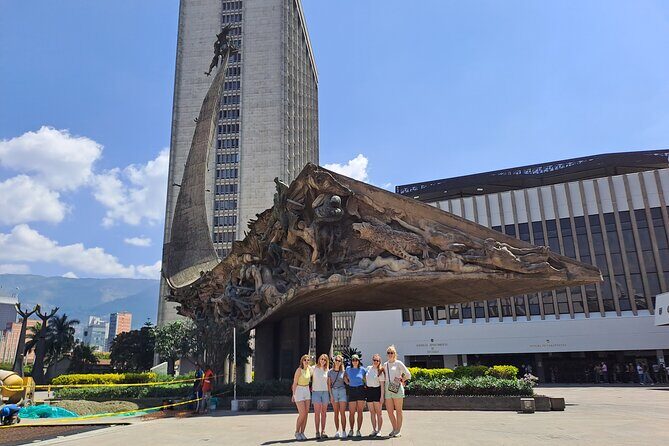
- Panoramic city views: You get a clear sense of where the commune sits in relation to the rest of Medellín.
- A typical drink test included: A small but fun local touch during the tour.
Commune 13 and Metrocable: why this loop works
This tour is built around movement—up hills, through neighborhoods, and finally up into the sky with the metrocable. That matters, because Commune 13 is easier to understand when you experience the same “climb” that shapes daily routines there.
The other smart piece is balance. You get art and perspective (murals, mirador views), but you also get public spaces like libraries and cultural centers, where community projects happen. It’s a more complete picture than a wall-to-wall graffiti photo stop.
And because it’s a shared tour priced at $45 per person for roughly 4 hours, it’s one of the more budget-friendly ways to cover multiple areas with a guide. You’re paying mostly for guidance and time, not for expensive admissions.
Other Comuna 13 graffiti tours we've reviewed in Medellin


Start at San Javier Metro: the best place to get your bearings fast
You begin at Estación metro San Javier, which is the natural gateway into this part of Medellín. From the start, you’ll see why the neighborhood’s transformation isn’t just about buildings—it’s about access, connections, and getting around.
This start point is also practical. You’re using Medellín’s transit system to reach the area instead of relying on private transport. The meeting point is listed at Cra. 95 #96-29, San Javier II, so I’d suggest you arrive a bit early and confirm the guide’s group before you wander off.
If you’re sensitive to walking, keep in mind that this tour mixes short segments of travel with steps and changing elevations. Comfortable shoes help more than people expect on this kind of route.
Escaleras eléctricas: more than an iconic photo spot
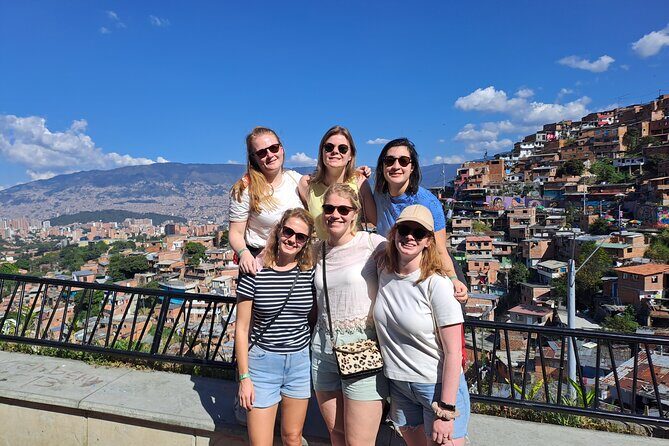
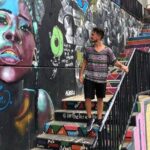
The first big “wow” comes from the electric escalators in Commune 13. These escalators aren’t just scenery. They’re a symbol of how the neighborhood connects different levels that used to feel separated by geography.
When the guide talks through the escalators, listen for two themes: how that physical connection changed everyday movement, and how it links to broader revitalization in the commune. The story is the value here. If you only look at the escalators as a landmark, you miss the point.
A small practical note: you’ll be climbing during this phase, so keep your pace easy. It’s not a race; the tour format works best if you slow down and take in what’s around you as you go up.
Murals and the street-level story: where the meaning lives
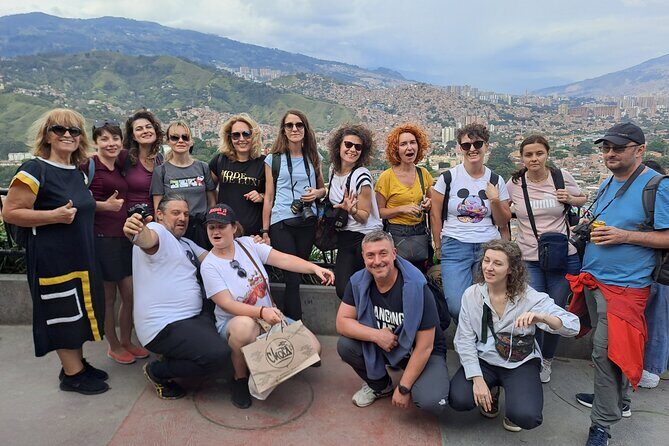
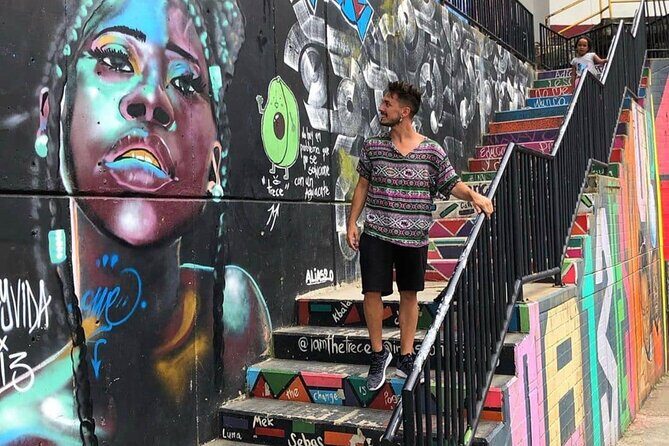
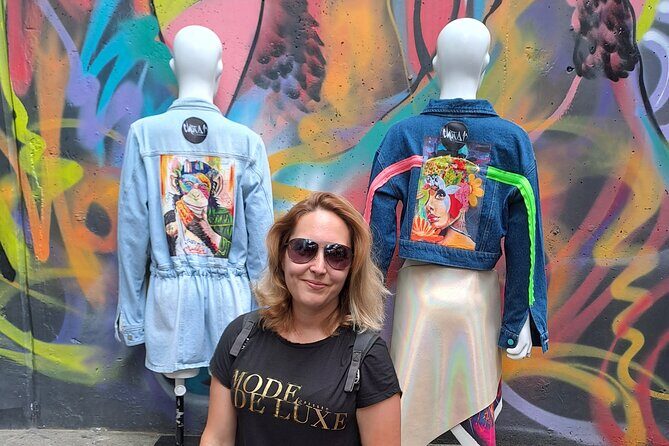
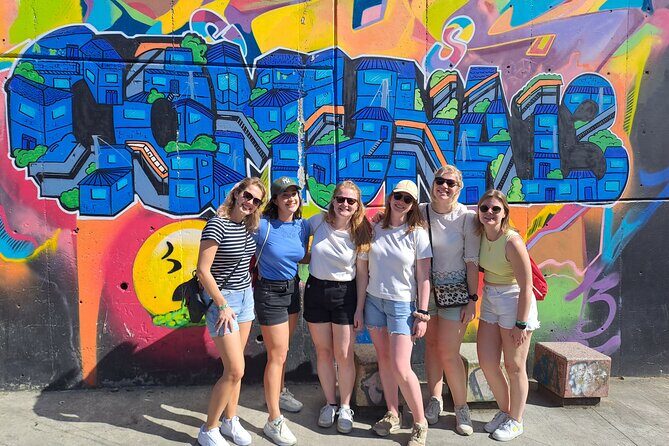
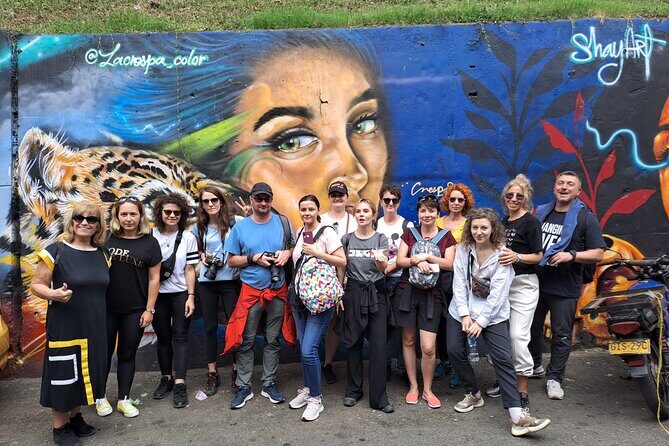
Once you’re moving through the neighborhood streets, the tour turns into an outdoor gallery. You’ll walk past murals that cover a range of themes—from social struggle to hope and change—and your guide will explain what different works are referencing.
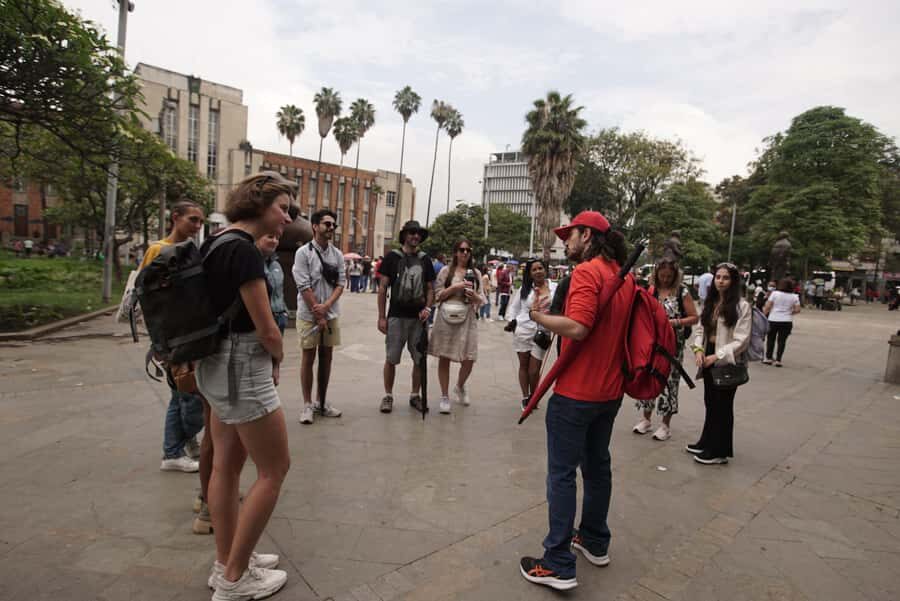
This is where a strong guide makes the biggest difference. One guide named Melina stood out for connecting history with current city news, and people felt safe while learning. Another guide, Pablo, was praised for answering questions and laying out both historical background and the present-day situation clearly.
If your goal is understanding rather than just sightseeing, this portion is the heart of the tour. It’s also the part where respectful behavior matters. Avoid blocking passage in narrow lanes, and if you’re taking photos, be mindful of how people around you are using the space.
Cultural center and library stops: education as a community anchor
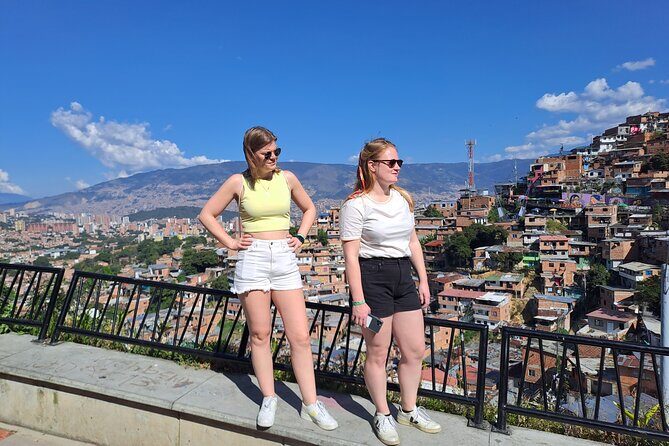
The tour includes a cultural center and a library area within the commune. This shift is smart because it moves the conversation beyond art on walls and into learning and community development.
Look for what these public spaces represent: a place where local social projects can run, and where culture and exhibitions can happen in everyday life. Even if you don’t speak much Spanish, you’ll usually be able to pick up the main themes through the guide’s explanations and what’s displayed on-site.
This also adds variety to your day. After a lot of walking and visuals outdoors, having a more structured indoor or semi-indoor stop helps your energy level and keeps the tour from feeling like a nonstop photo mission.



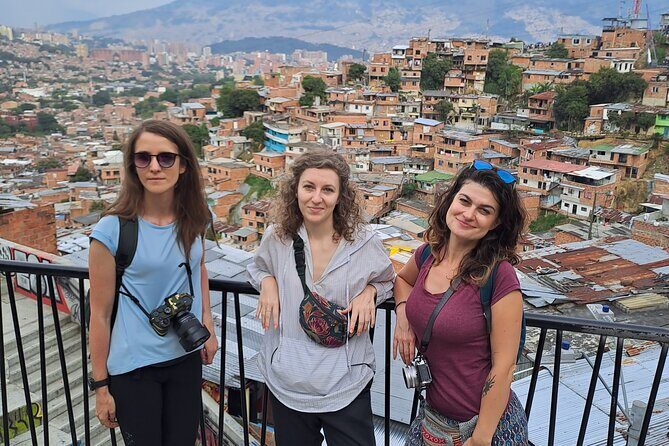
Mirador views: reading the commune’s position in Medellín
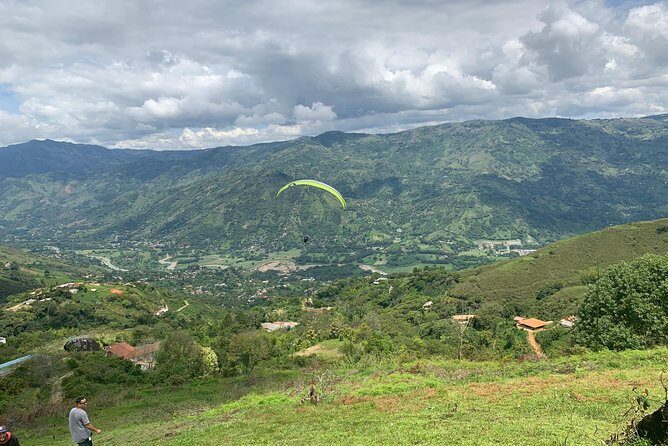
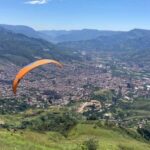
At the Mirador viewpoint, you get panoramic perspective over the commune and the wider city. This is one of those moments where the geography clicks: you understand why the neighborhood’s location has shaped its access challenges and why modern transit connections matter.
I like viewpoint stops because they refresh your brain between narrative segments. You take in the scale, then the guide’s earlier points about movement and connection make more sense.
If you’re into photography, this is also where you’ll likely want to pause longer than the rest of the group—just don’t forget that other people are there too. Give the space you’d want, and take your time.
Boarding the Metrocable from Aurora: a transport story with real views
The tour then moves into the Metrocable ride, including the boarding point listed at Aurora (Cll. 64 #104-69, Medellín). This part is more than transportation. It’s a living example of how the city built mobility across difficult terrain.
From the cabins, you get a different visual of Medellín—one that you can’t recreate from ground level. The experience is designed so you see both the height and the way the commune fits into the city’s larger structure.
Timing matters here. The ride is short within the 4-hour total, so come ready to look, not to multitask. If you want photos, get them quickly at the best angles and then enjoy the view like it’s part of the story, not just a background.
Parque Biblioteca San Javier / CEDEZO: a calm finish with learning energy
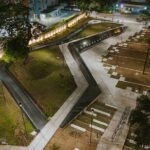
You end at Parque Biblioteca San Javier, connected to CEDEZO San Javier. This is a strong closing note because it’s less about spectacle and more about what the community uses the space for.
By the end of a tour like this, you might feel like you’ve seen a lot of powerful images. The library and public park vibe helps balance that out. It gives you a place to sit, regroup, and reflect on the theme the tour keeps returning to: connection, education, and community projects.
Because the tour ends back at the starting meeting point area, you’re also not stuck figuring out your exit plan. That makes the whole experience easier to fit into a first or second day in Medellín.
Price and what’s included for $45
At $45 per person for about 4 hours, this tour is good value if you want guided context and transport-based sightseeing. What you’re paying for is the guide’s explanations, the structured route, and the included typical drink test.
The tour lists certified guide and a typical drink test as included. It also marks the stops as having free admission for the parts you visit, which is a big help for budget travelers.
What’s not included is lunch and tips. That’s normal for a half-day tour, but it changes how you plan your day. If you’re hungry afterward, build in time to grab food near your next activity.
For language: the tour is offered in English, but at least one experience report described English as okay rather than fluent. If English is important to you, I’d treat this as a “guided explanation” experience rather than a fully academic lecture.
Group size, pace, and how to handle a late start
This is capped at 10 people, which tends to make a big difference in a neighborhood like this. Smaller groups mean fewer crowds at the escalators, more time for questions, and less pressure to keep moving when someone wants clarification.
That said, one report mentioned a late guide and a rough start where the person ended up briefly without the group. I can’t promise that won’t happen, so here’s what I’d do to protect your experience: arrive early, double-check you’re in the correct meeting group, and if anything feels off, ask the provider or guide for a clear plan right away.
Once the tour is underway, the structure seems to hold. Guides are described as friendly and helpful, with people feeling safe during the experience when learning alongside the guide.
Who this tour suits best
This tour is a great fit if you want more than surface photos. You’ll enjoy it if you like guided walking routes, street art with context, and transit-based sightseeing where the ride itself helps explain the neighborhood.
It’s also ideal if you want a “history + present” viewpoint. One guide connected explanations to current city news, and another focused on historical background while addressing the complicated situation in a clear way.
If your top priority is a museum-style quiet day, this isn’t that. It’s a neighborhood walk with active viewpoints and transport. Think “guided city understanding,” not “indoors all day.”
Should you book this Commune 13 and Metrocable tour?
Yes—if you want a short, well-priced way to understand Commune 13 through art, public spaces, and the Metrocable. The mix of murals, educational stops like the library and cultural center, and panoramic viewpoint time gives you both emotion and context.
I’d say book it with one mindset: go for the guide-led explanations, not just the visuals. If you’re depending on excellent English, consider asking in advance about the guide language comfort level. And if you’re very schedule-driven, plan a little buffer at the start in case the first minutes are imperfect.
Overall, this is one of those Medellín experiences that makes the city feel legible—how people move, how communities build, and how public art can carry real meaning.
FAQ
What is the duration of the Commune 13 and Metrocable tour?
It runs for about 4 hours.
How much does the tour cost?
The price is $45.00 per person.
Where does the tour start, and what time does it begin?
It starts at Estación metro San Javier at 9:00 am.
Where does the tour end?
The tour ends back at the meeting point area.
Is the tour available in English?
Yes, it is offered in English.
How big is the group?
The tour has a maximum of 10 travelers/people.
What is included in the tour price?
The tour includes a certified guide and a typical drink test.
Is lunch included?
No, lunch and tips are not included.
What is the cancellation policy?
You can cancel for a full refund up to 24 hours before the experience’s start time.