Coffee tasting in Medellín can feel like a superpower. This one trains your nose and palate with a blind tasting and a professional cupping protocol, plus a short prep class so you can apply it right away. You’ll also get a Colombia-focused explanation of how quality is built long before the beans reach your cup.
Two things I really like: the guide (Javier) explains things in a way that helps you taste with confidence, not guess. And the format is hands-on with a small group (max 15), so you actually participate while grading samples. You’ll get a clear sense of what makes higher quality coffee different.
One possible drawback: it’s short, about 1 hour 30 minutes. If you want a long, deep cupping workshop or a heavy focus on one single brewing method, this may feel a bit fast.
In This Review
- Key things to know before you start tasting
- Medellín’s coffee tasting at Marquee: what you’re paying for
- From Parque Lleras to the cup: how the 1.5-hour flow works
- Blind grading and cupping basics: how you learn to taste
- Colombian coffee standards: turning production into flavor
- Fragrance, aroma, body, aftertaste: the tasting vocabulary that matters
- What you’ll notice about low vs high quality coffee
- Preparation class: how to brew better after the tasting
- Price, group size, and logistics: fitting this into your Medellín plan
- Who should book this coffee tasting class
- Should you book this coffee tasting in Medellín?
- FAQ
- How long is the coffee tasting experience?
- What does it cost?
- Where do we meet for the tour?
- How big is the group?
- What happens during the tasting?
- Who hosts the experience?
- Can I cancel and get a refund?
- What days and times does it run?
Key things to know before you start tasting
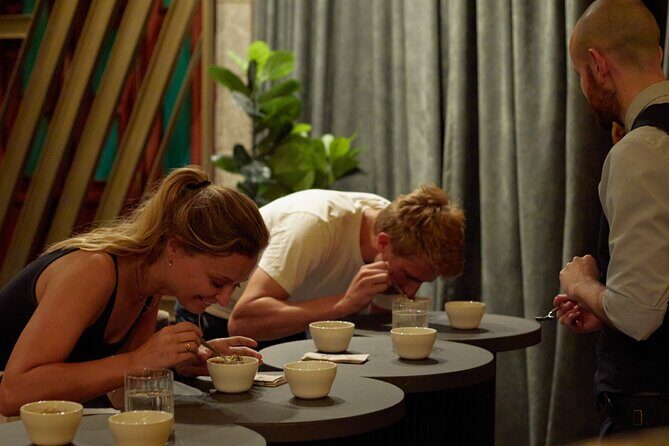
- Blind grading with a sensory protocol so you learn how to evaluate coffee, not just sip it
- Hands-on participation while you judge fragrance, aroma, body, and aftertaste
- Colombian coffee production standards explained so you’re not stuck if you can’t visit a farm
- A brief coffee preparation class to help you brew better after the session
- Small group size (max 15) for more interaction with the guide
Medellín’s coffee tasting at Marquee: what you’re paying for
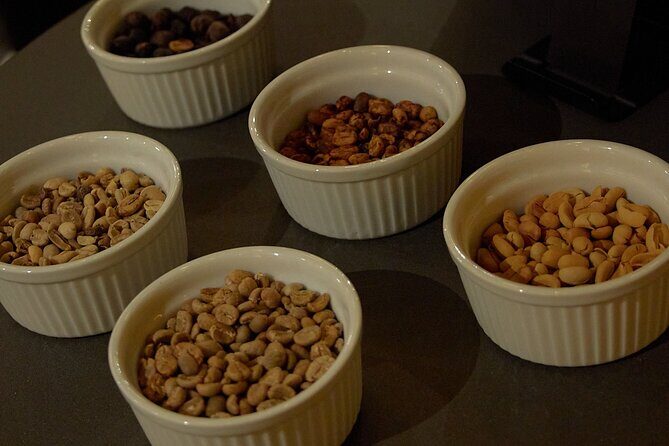
This experience is built around one idea: you should be able to taste quality, explain it, and repeat it later at home. For $49 per person, the value isn’t just the coffee sample count. It’s the structure—an intro to Colombian coffee production, a guided sensory grading process, and then practical brewing guidance. That’s a lot to pack into about 1.5 hours.
The setting matters too. You meet at Marquee Hotel Medellín in El Poblado, and the session happens in a comfortable hotel environment. That means you’re not fighting noise, weather, or logistics while you’re trying to focus on the cup in front of you. It’s a clean, controlled place to learn the fundamentals of tasting.
Also, this isn’t a vague “coffee journey.” You’ll work with specific concepts that show up in real coffee buying and brewing: fragrance vs aroma, body, and aftertaste. If you’ve ever wondered why some coffees taste smooth and balanced while others taste flat or harsh, this is the kind of training that helps you connect those differences to what’s happening in the cup.
If you’re in Medellín and you don’t have time to go out to a coffee farm, this is the next-best option. You’ll learn how coffee is produced in Colombia and how those production steps connect to flavor.
Other food & drink experiences in Medellin
From Parque Lleras to the cup: how the 1.5-hour flow works
The experience is scheduled in a compact block of about 1 hour 30 minutes, and it includes a stop at Parque Lleras as part of the plan. That’s useful if you’re already planning time in that central area of El Poblado. It also makes the outing feel like part of your day, not just a standalone detour.
You start at the Marquee Hotel Medellín (Cra. 38 #9A-13, El Poblado). From there, the group stays together and the tasting experience unfolds during the session, ending back at the meeting point. The whole thing is designed so you can fit it in between other Medellín plans without losing half a day.
Timing-wise, the activity runs on Monday to Tuesday, within the seasonal windows listed, from 9:00 AM to 4:00 PM. You’ll want to pick a slot that won’t force you to rush to dinner afterward, because the tasting takes attention and you’ll do better when you’re not thinking about your next appointment the whole time.
And with a cap of 15 travelers, it doesn’t feel like you’re waiting your turn in a classroom of strangers. You’re more likely to get quick reactions from the guide as you taste and describe what you notice.
Blind grading and cupping basics: how you learn to taste
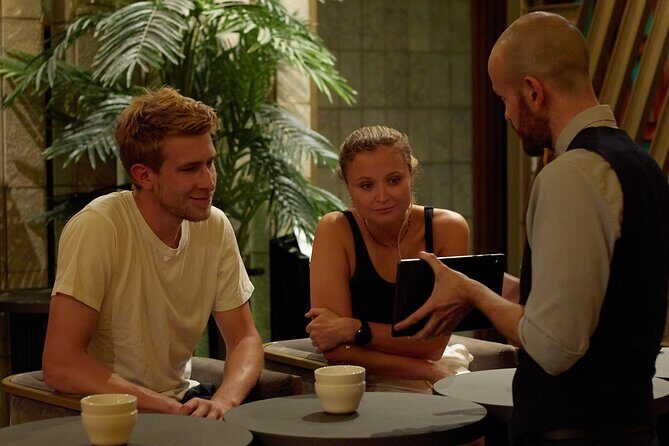
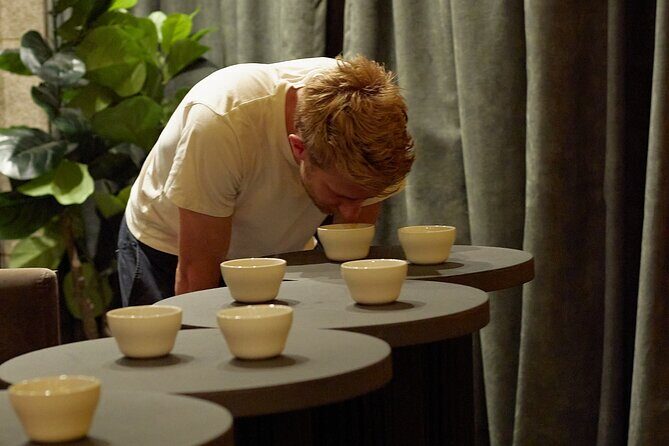
The heart of this experience is a blind coffee grading session. Blind tasting is the key difference between drinking coffee and learning coffee. When the cup is presented without labels, you can’t lean on assumptions like “this one must be better because it’s pricier” or “I like it because I’ve seen a brand before.”
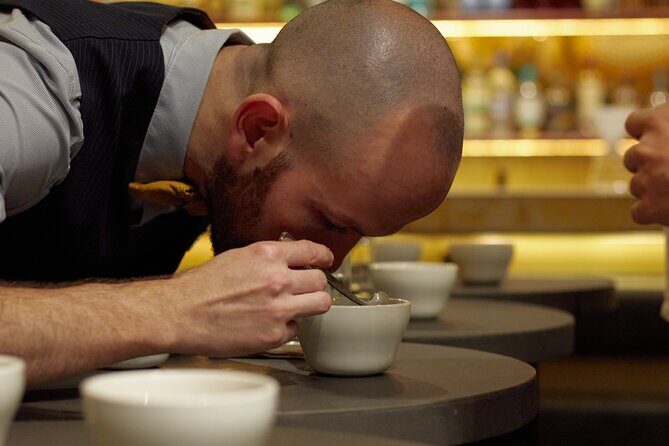
You’ll use a professional coffee sensory protocol to evaluate several coffee types. You won’t just smell and sip. You’ll follow steps designed for cupping-style assessment, with the guide walking the group through what to notice and how to describe it.
One of the best parts is that you interact. You’re not stuck watching the expert do everything while you take polite notes. You’ll evaluate the samples alongside the group, so the learning is active. That also makes it more fun if you’re traveling with friends or family and want to compare notes.
This is especially helpful because cupping has its own rhythm. There are moments where smell and aroma matter, and moments where you focus on mouthfeel and finish. Once you understand that, you start tasting like a buyer and not like a casual sipper.
And if you’ve visited coffee farms before, this kind of session adds a different layer. A farm visit teaches origin and process. Cupping teaches evaluation—how to turn process into flavor in a repeatable way. You leave with a framework you can use again when you’re shopping for beans.
Colombian coffee standards: turning production into flavor
A big promise here is learning what goes into Colombian coffee quality. The guide gives a brief intro to standards and processes of high-quality coffee production. That matters because coffee flavor doesn’t appear by accident in the roaster’s bag. It’s shaped by decisions made far upstream.
You’ll learn how coffee is produced in Colombia in case you cannot go to a farm. In practical terms, that means you’ll get enough of the “how it’s made” story to make sense of what you taste during the cupping. Instead of treating the flavor notes like random descriptors, you’ll understand why certain profiles show up.
The session also connects coffee flavors to extraction. That’s a big deal for real-life use. Many people can tell they like a coffee, but they can’t explain what changed when they brewed it at home. When extraction is explained in a tasting context, it becomes much easier to troubleshoot your own brews later.
Finally, the experience focuses on the real difference between low and high quality coffee. Not the marketing difference. The sensory difference. You’ll learn what “better” means in the cup and why some coffees come across as more balanced and complex while others taste incomplete or rough.
Fragrance, aroma, body, aftertaste: the tasting vocabulary that matters
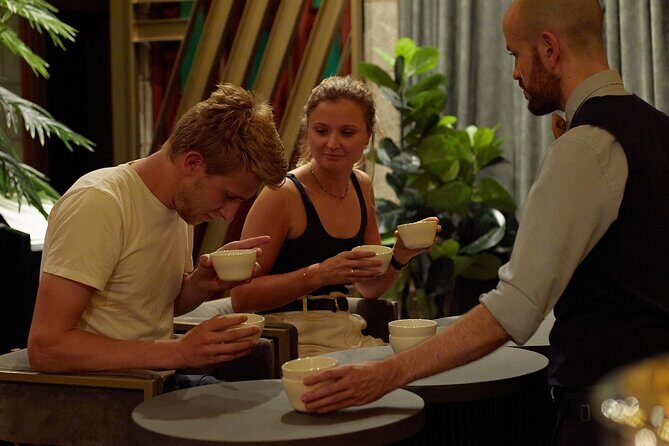
Coffee tasting can feel fuzzy until you get the right vocabulary. This experience teaches the concepts that actually help you enjoy the true taste of coffee: fragrance, aroma, body, and aftertaste.
Here’s the practical way to use those words during the tasting:
- Fragrance is what you notice as the coffee first meets your senses. Think of it like the opening note.
- Aroma is what you notice next, after the cup is handled and warmed in the cupping process.
- Body is the texture and weight of the coffee on your tongue—how thick, smooth, or drying it feels.
- Aftertaste is the finish. Does it fade quickly, or does it leave a lingering impression? Is it clean, sweet, or harsh?
Once you can label what you’re experiencing, you stop tasting randomly. You start tasting with purpose. And you stop getting stuck in the “I like it/I don’t like it” loop.
It also helps you shop. If you know you prefer a coffee with a fuller body and a cleaner finish, you can look for roasters or bags that describe those traits. You’re no longer relying only on the origin name or the price tag.
A few more Medellin tours and experiences worth a look
What you’ll notice about low vs high quality coffee
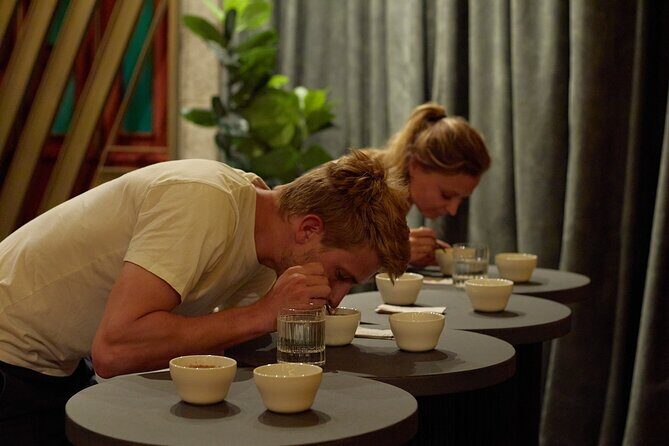
This class is designed to make the quality gap obvious. You’ll compare several coffees and grade them using the protocol. That creates a kind of “before and after” moment in your palate.
Low quality coffee often comes with a few common problems: it can taste flat, show harshness without balance, or leave a finish that feels rough rather than clean. High quality coffee tends to have more clarity, more readable flavors, and a finish that feels smoother or more pleasant.
The point isn’t to become a coffee snob. It’s to learn how to make better choices with less guesswork. If you’ve ever bought a bag that sounded great on paper but tasted disappointing, this teaches you what to look for so you can avoid that pattern.
And because the tasting is blind, your preferences are less influenced by expectations. You’re training your senses, not your assumptions.
Preparation class: how to brew better after the tasting
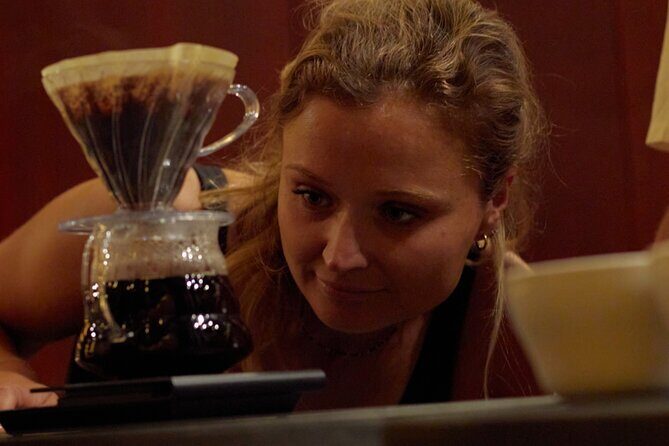
The experience doesn’t end at sampling. It closes with a brief coffee preparation class and recommendations for how to consume the coffee you tasted.
Even though details of every brewing method aren’t spelled out in advance here, the practical takeaway is clear: you’ll learn how to prepare coffee so your taste preferences from the cupping carry over into your own cup. That might mean understanding how to set up brewing to respect extraction, or learning what style tends to work best for the profiles you liked.
This is where the experience becomes more than entertainment. A lot of tasting events are a one-time event. This one tries to make your next brew better.
Also, you’ll likely leave with stronger buying habits. If you can name what you liked—body, finish, aroma profile—you can shop more effectively when you find local shops or specialty beans in Medellín. The experience gives you the mental checklist to use when you see new bags on a shelf.
Price, group size, and logistics: fitting this into your Medellín plan
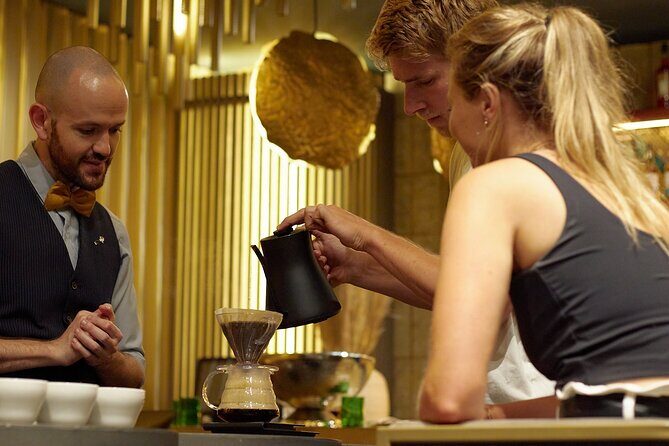
At $49 per person for about 1 hour 30 minutes, the price is best seen as a guided tasting + training package. You’re paying for structure: production education, blind cupping practice, sensory vocabulary, and a prep class afterward. It’s not just tasting a few sips.
The small size helps. With a maximum of 15 travelers, you get a better chance to participate and get your questions answered. This matters because cupping relies on attention and timing, and it’s hard to do well when the group is huge.
You also start from a location in El Poblado near public transportation, which makes it easier to slot into a day without extra taxi costs. The meeting point is at Marquee Hotel Medellín (Cra. 38 #9A-13). You’ll end back at the same place, so you don’t need to plan a complicated end-of-tour route.
One more consideration: it’s not a full day excursion. If you’re the type who wants every minute packed with activities, you might find it satisfyingly compact. If you wanted an extended cupping deep dive, the short format could feel limited.
That’s why it helps to know what you want before you book: do you want a guided tasting with practical take-home skills? This fits. Do you want a long, multi-hour hands-on workshop? You may want to compare with longer cupping courses.
Who should book this coffee tasting class
This experience is a great fit if you:
- Love coffee and want a clear way to evaluate it beyond taste alone
- Want a Colombia-focused explanation even if you can’t visit a farm
- Prefer learning through doing (blind grading, protocol-based tasting, and interaction)
- Plan to buy coffee in Medellín and want better decision-making at the shop
It may be less ideal if you’re looking for a very long class or a slow, step-by-step brew “lab” session. The format is designed to be tight and finish with recommendations, not to run for hours and hours.
Should you book this coffee tasting in Medellín?
If you want a practical specialty coffee lesson that makes the difference between low and high quality easier to spot, I think it’s a strong yes. The combination of blind cupping, sensory vocabulary, and a brief prep class gives you more than a simple taste tour.
Book it especially if you’re short on time and you still want real learning. It’s compact, it’s interactive, and it’s guided in a setting that keeps the focus on the cup.
If you’re hoping for a long, ultra-detailed cupping marathon, go in with realistic expectations: this is about 1.5 hours of focused tasting and skills, not an all-day workshop.
FAQ
How long is the coffee tasting experience?
It runs for about 1 hour 30 minutes.
What does it cost?
The price is $49.00 per person.
Where do we meet for the tour?
You meet at Marquee Hotel Medellín, Cra. 38 #9A-13, El Poblado, Medellín.
How big is the group?
The experience has a maximum of 15 travelers.
What happens during the tasting?
You get an introduction to coffee production standards, then you blind grade several coffees using a professional sensory protocol. You also learn about fragrance, aroma, body, and aftertaste, and you end with a brief preparation class and recommendations.
Who hosts the experience?
The tastings are led by Javier, who guides the group through coffee production and the tasting process.
Can I cancel and get a refund?
Yes. You can cancel for a full refund up to 24 hours in advance of the experience start time.
What days and times does it run?
It’s listed for Monday to Tuesday from 9:00 AM to 4:00 PM during the seasonal windows shown.