REVIEW · MEDELLIN
Medellin: Coffee Tour with Transport, Snacks and Tastings
Book on GetYourGuide →Operated by D'arrieros Coffee Farm · Bookable on GetYourGuide
A day at a coffee finca beats another city tour. This Medellín coffee experience is a full half-day in Antioquia that turns Colombian coffee culture into hands-on moments: dressing up, picking beans, tasting, and learning how the cup gets made.
I especially like the way the day mixes real farm work with practical coffee lessons you can use at home, not just a slideshow.
The tastings are a standout too. You’ll sample a mucilage frappé, a husk-based tea, plus two specialty coffees like honey and cherry, and the guide shows you how to brew and taste with more intention.
The main drawback to plan around is the physical side: you’ll walk uphill on farm paths and around plantation areas, so it’s not a good fit for anyone with limited mobility.
In This Review
- Key points before you go
- From Medellín to a working coffee farm in San Sebastián de Palmitas
- Dress like a paisa muleteer and start the day with local pride
- The farm walk and bean-picking moment you’ll remember
- Coffee processing lessons: from harvest to drying and the flavors you taste later
- Tasting time: mucilage frappé, husk tea, and two specialty coffees
- Paisa snack and lunch: the food that makes the farm feel real
- Optional 45-minute horseback ride through coffee-and-sugarcane scenery
- The practical side: price, time, and what $80 buys you
- Who should book this coffee farm tour, and who should skip it
- Should you book D’arrieros Coffee Farm from Medellín?
- FAQ
- FAQ
- How long is the coffee tour from Medellín?
- Where does pickup happen in Medellín?
- What time are the pickups in different neighborhoods?
- What tastings and drinks are included?
- Do you get to pick coffee beans?
- Is lunch included, and what does it include?
- Is the horseback riding included?
- What souvenir do you take home?
- Is the tour suitable for people with limited mobility?
Key points before you go
- San Sebastián de Palmitas is only about 45 minutes from Medellín, making this feel like a true day trip, not a travel marathon.
- Dress-up is part of the experience, with traditional paisa items loaned during the tour, including a logo poncho gift.
- You’re not just watching coffee: you pick beans and learn the steps from harvesting through drying.
- Tastings are varied and weird in a good way: mucilage frappé, husk tea, and two specialty coffees (honey and cherry).
- The paisa lunch is included, plus a sweet plantain snack with panela and cheese.
- Optional 45-minute horseback riding adds scenery and fun if you’re comfortable following the instructions.
From Medellín to a working coffee farm in San Sebastián de Palmitas
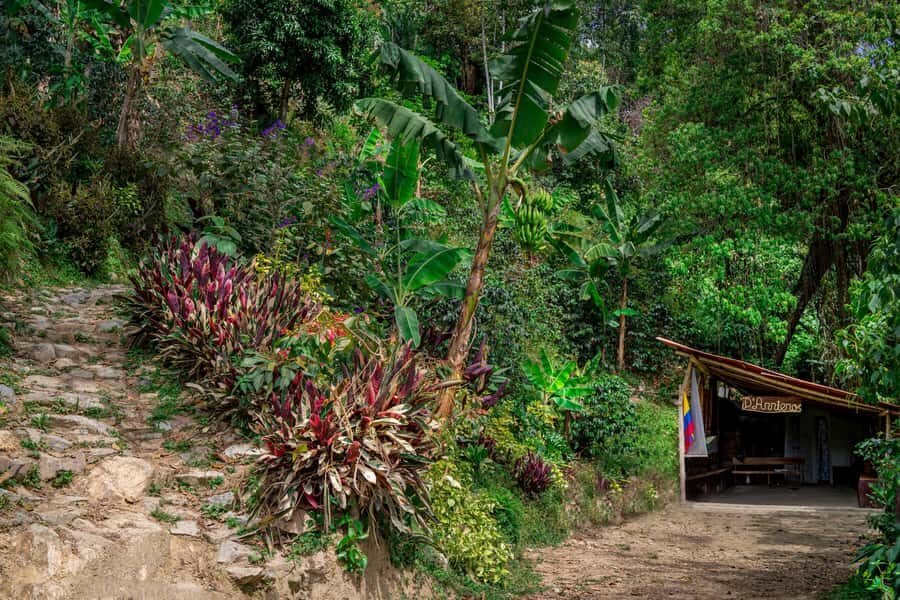
This tour gives you the classic Antioquia switch: trade city streets for hillside views and coffee rows in a short drive. The farm is in San Sebastián de Palmitas, about 45 minutes from Medellín, and the day runs long enough to feel complete without eating your whole calendar.
You’ll get round-trip transport with hotel pickup and drop-off around Medellín neighborhoods like El Poblado, Laureles, and Estadio. Pickup windows are spread out by area (Poblado is roughly 8:40–9:00 a.m., Laureles 9:05–9:25 a.m., and Estadio 9:15–9:35 a.m.), so plan to be ready early rather than “close enough.”
A practical note: even though the overall schedule is tidy, it’s still a working farm. Expect sun, hills, and some time on your feet. Bring closed-toe shoes and wear something you can move in. The tour is specifically not recommended for wheelchair users or anyone with limited mobility.
Other coffee farm tours we've reviewed in Medellin
Dress like a paisa muleteer and start the day with local pride
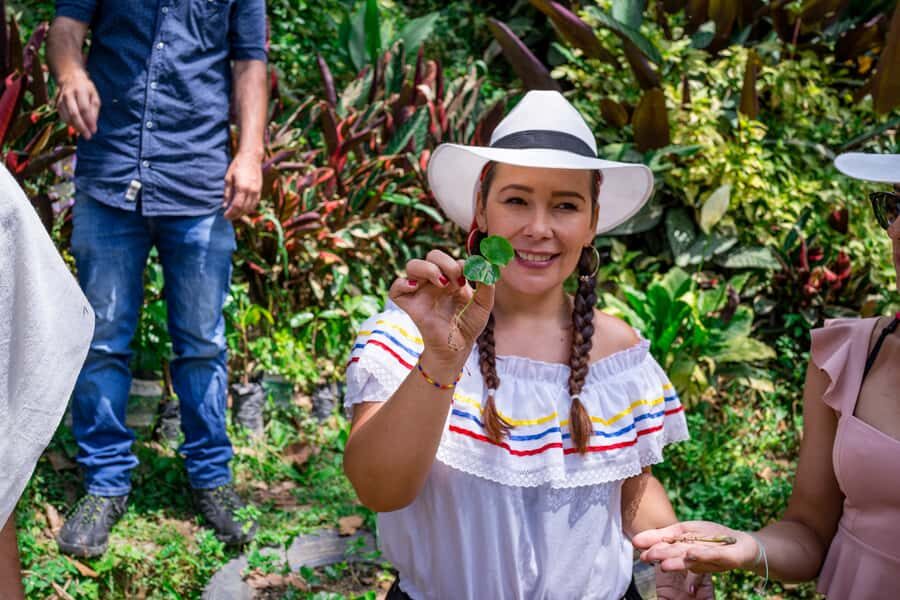
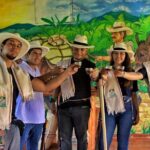
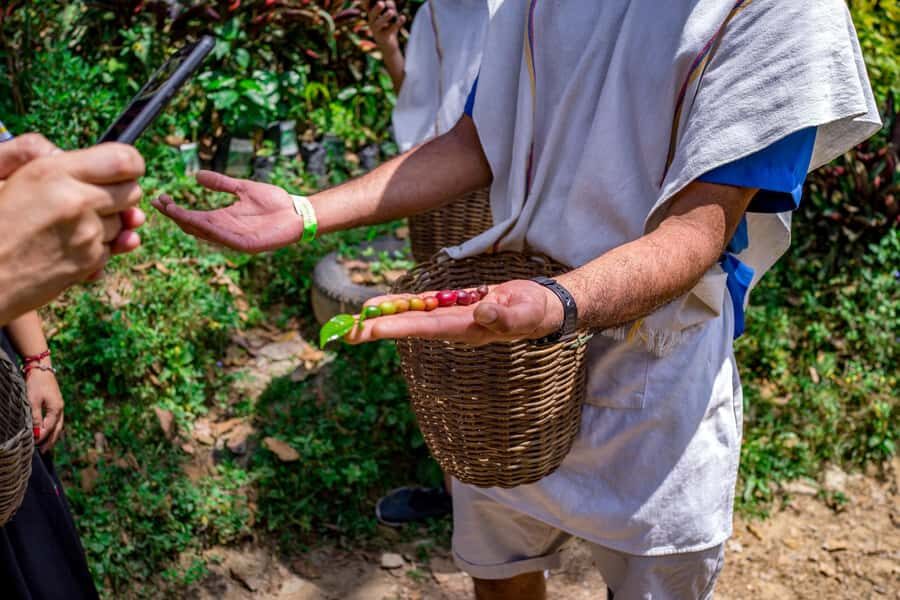
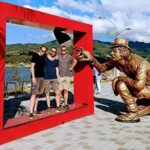
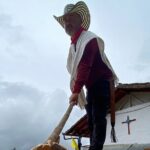
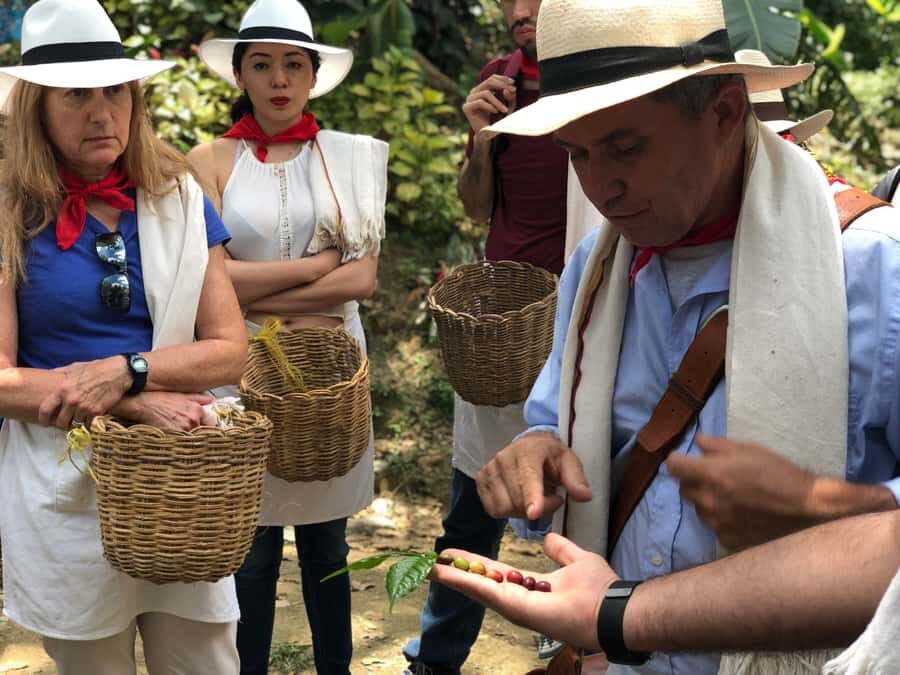
One of the clever parts of this experience is that it doesn’t start with coffee talk. It starts with identity. Once you arrive, you get into the traditional paisa outfit—including a hat and a poncho (the poncho is a gift with the farm logo). You’ll also be loaned items used by paisa muleteers.
It sounds like a cute photo gimmick, but it actually helps set the tone. Coffee in this region isn’t just a product. It’s tied to work traditions—mules, farming routes, and the way families built their livelihoods across steep terrain. Dressing the part makes the later lessons land better.
You’ll also get an early chunk of context about coffee’s history in Colombia. Think of it as your mental map before you start walking through processing and tasting.
The farm walk and bean-picking moment you’ll remember
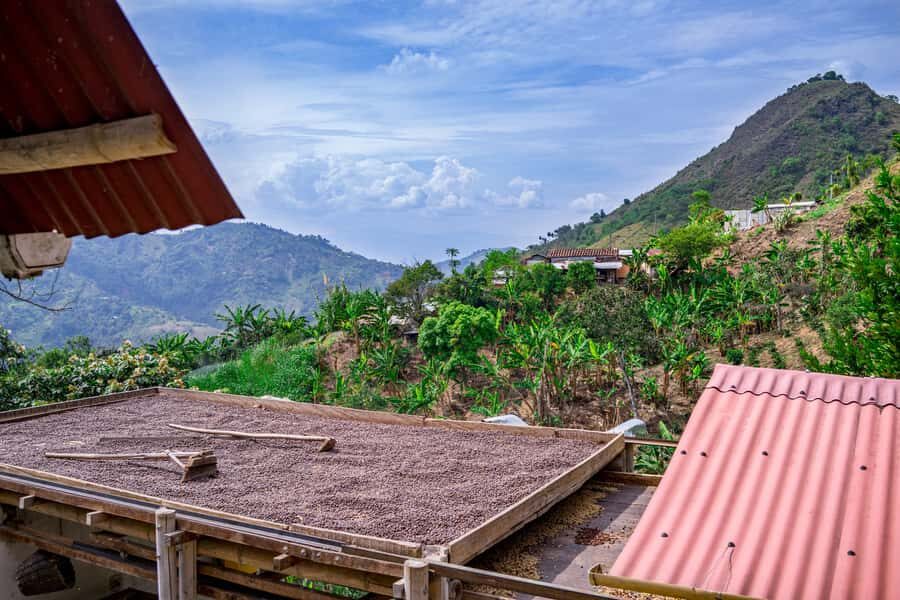
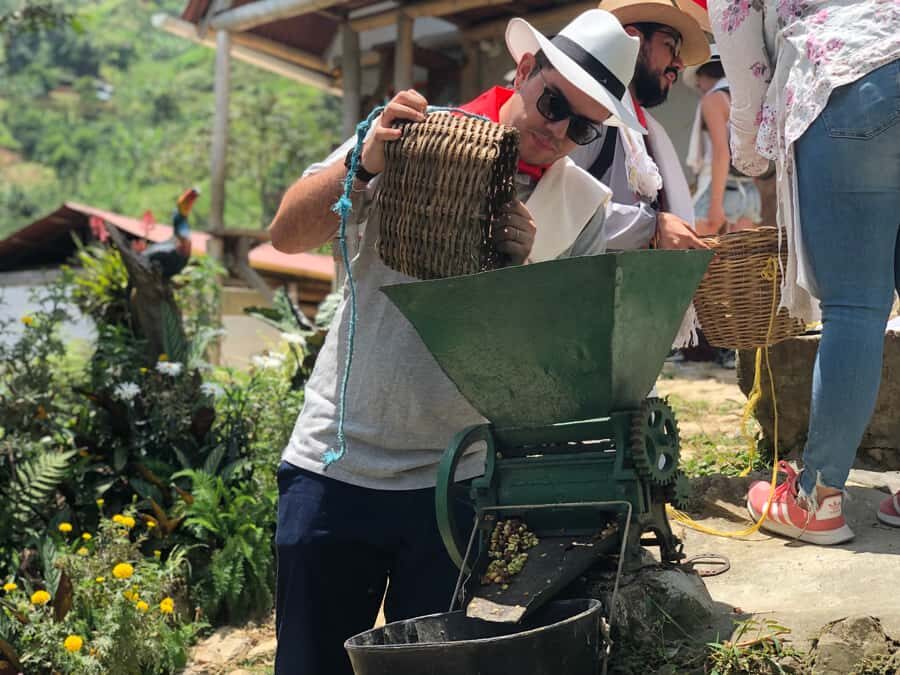
After the initial welcome and photos, you move into the heart of the day: the plantation time. You’ll take part in learning about the coffee process while walking through the farm environment and working areas where coffee grows and gets handled.
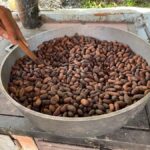
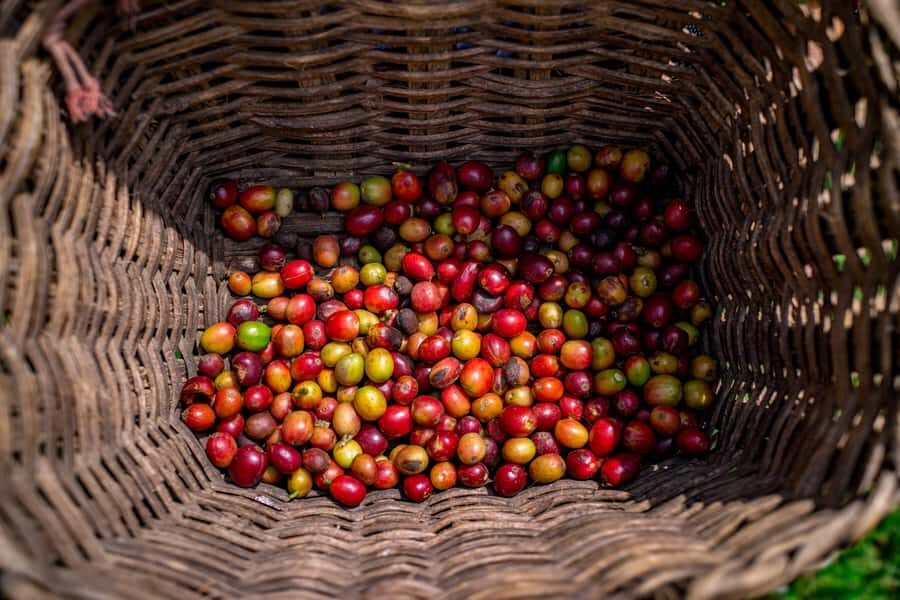
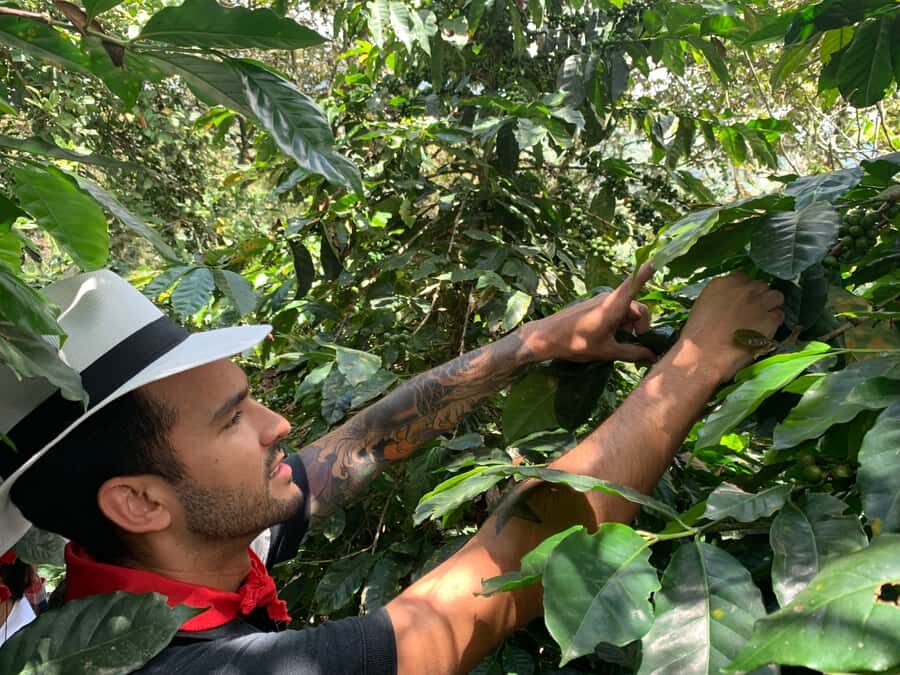
A highlight is the bean-picking part. You’ll pick coffee beans right there on the plantation, which gives you a direct sense of scale and effort. Coffee shows up in supermarkets as a packaged product. Here, you see the reality first: the plant, the harvest, and how much work turns into a few cups.
Then comes the practical portion. The guide explains what happens from harvesting to drying, and you’ll see how the farm thinks about quality. This matters because Colombian coffee reputation isn’t built on one magic ingredient. It’s built on consistent handling and careful stages.
There’s also a scheduled mix of movement and pauses. The day includes breaks and sightseeing time at the top areas, so you’re not constantly on the move. Still, it’s a farm walk with hills, so pace yourself.
Coffee processing lessons: from harvest to drying and the flavors you taste later
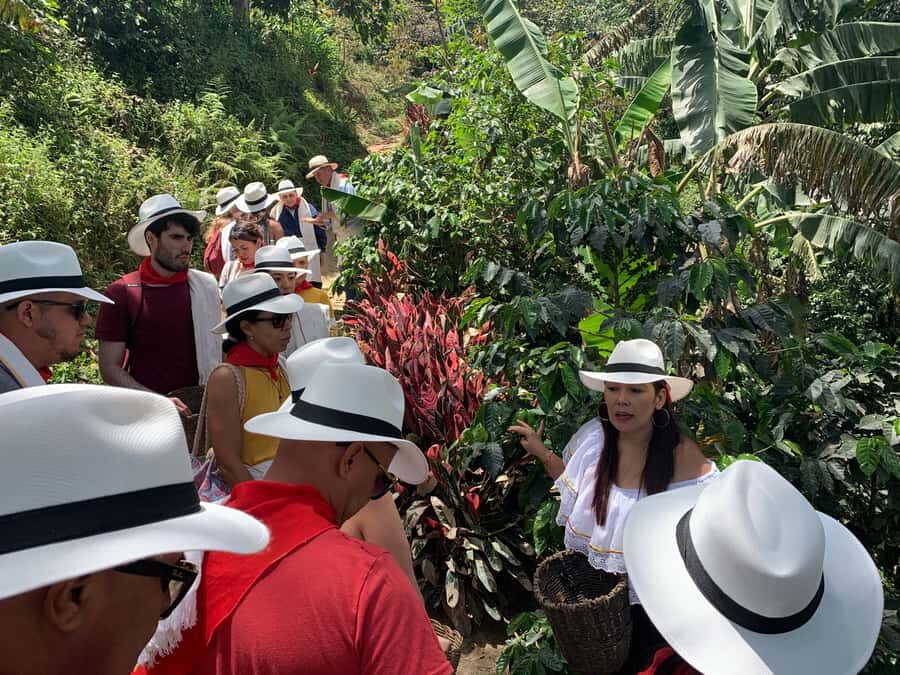
This tour is built to connect the dots: what you learn on the farm becomes what you taste later. During the guided time, you’ll go through the steps of processing in a way that’s meant for beginners. You’re not expected to be a coffee technician—just pay attention.
What I like about this approach is that it’s not only about romance. It’s about process control. Drying and handling impact flavor. That’s why the guide keeps bringing you back to what changes as coffee becomes ready for brewing.
You’ll also learn about the substances around the bean—especially the sticky layer that covers beans during processing. The tour references mucilage, described as honey-like, and that concept isn’t left in the classroom. It shows up in your drink tastings too.
If you’re the kind of person who wants to order coffee and actually understand what you’re tasting, this section is where the day starts paying off.
Tasting time: mucilage frappé, husk tea, and two specialty coffees
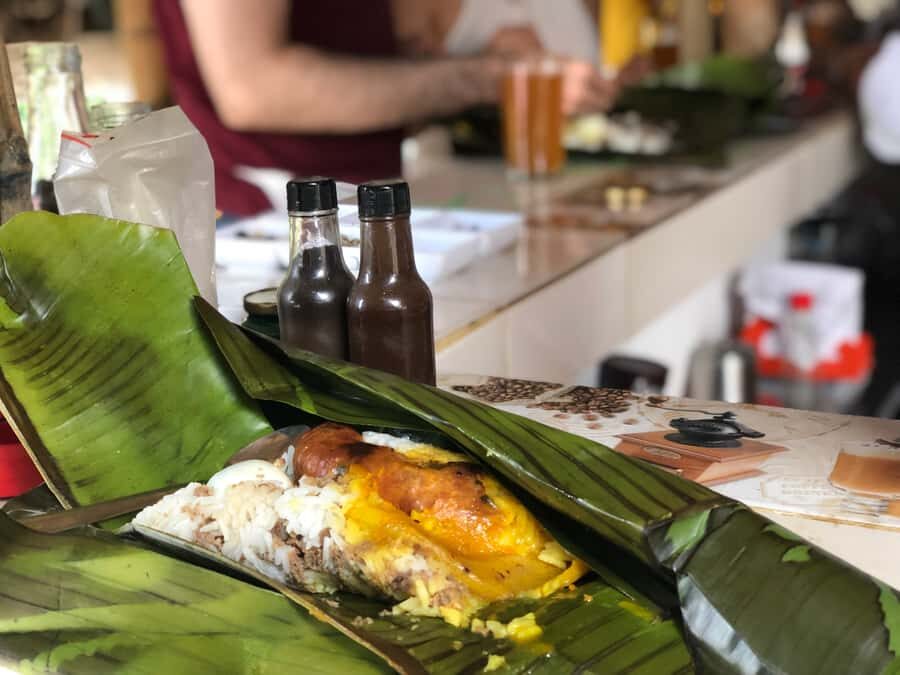
This is where the tour turns educational. Your included drinks and tastings aren’t random sips. They’re tied to the processing and brewing lessons the guide gives.
Here’s what’s on the tasting menu:
- A coffee mucilage frappé
- A tea made from coffee husks
- Tastings of two specialty coffees: honey and cherry
That combo is smart. The husk tea points to parts of the coffee plant most people never think about. The mucilage frappé gets at the idea that processing stages create measurable differences. Then the honey and cherry specialty coffees bring it to the cup, where you can talk about aroma and flavor.
You’ll also get a class on how to brew and taste coffee like a pro. That’s useful because tasting isn’t just liking something or not liking it. It’s learning how to notice roast level, aroma, acidity, and finish—without needing fancy equipment.
If you’ve ever felt like coffee tasting is too vague, this part gives you language to use.
A few more Medellin tours and experiences worth a look
Paisa snack and lunch: the food that makes the farm feel real
Coffee farms can sometimes treat food like an afterthought. Not here. You get a snack and a full lunch that reflect paisa cuisine.
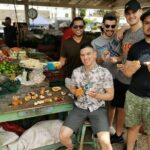
In the middle of the morning you’ll be served a sweet plantain snack topped with panela and cheese. It’s the kind of taste that hits two notes at once: sweetness from panela and a salty balance from cheese.
Then comes lunch. The tour includes a hearty paisa meal with rice, chicken, boiled eggs, mashed potato, and plantain. If you have dietary restrictions, the lunch can be modified, but you’ll need to handle that ahead of time when options are offered.
I also like that the food fits the day’s pacing. After walking, learning, and tasting, you’re not sent back to the bus on an empty stomach.
Optional 45-minute horseback ride through coffee-and-sugarcane scenery
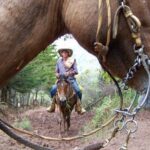
If you choose it, you’ll add a 45-minute horseback ride through the farm and around viewpoints. The tour notes that instructions are given for inexperienced riders, which is reassuring if you’re nervous about getting on a horse for the first time.
This is one of the best “Medellín day-trip” add-ons because it changes your perspective. On foot, you see coffee rows and the immediate work areas. On horseback, you get a broader view of the terrain and the way the plantation sits in the hills.
There’s also a built-in humility factor: even if you know nothing about horses, you follow staff guidance and focus on enjoying the scenery.
The only consideration is timing and energy. If you’re not feeling up for more hills after walking, skip the ride and keep your day comfortable.
The practical side: price, time, and what $80 buys you
At $80 per person for about 6 hours, this tour sits in the middle of the Medellín day-trip range. The real question is whether it feels like value—and it often does, because so much is included.
You get:
- Round-trip transportation
- A 3.5-hour guided tour
- Multiple tastings (mucilage frappé, husk tea, and honey/cherry coffees)
- Bean picking and farm education
- A plantain snack plus a paisa lunch
- A souvenir package: an 80-gram package of specialty honey coffee plus caramelized coffee candy with panela
- A poncho gift and traditional clothing loan during the tour
- A certification diploma as a coffee picker
When you add up meals, guide time, transport, tastings, and the souvenir, the price starts to make sense. You’re not paying just for a photo in front of coffee plants. You’re paying for instruction, food, and curated tastings that turn coffee into an experience.
Who should book this coffee farm tour, and who should skip it
Book it if:
- You want a hands-on coffee experience, not just a tasting bar
- You’re curious about how processing affects flavor
- You like guided days that mix learning with real activities like bean picking
- You want a fun cultural touch—dress-up and the paisa meal—without it feeling staged
Skip it if:
- You have mobility limitations, because you’ll walk up hills and through plantation areas
- You need a fully seated, low-walking day
- You dislike the idea of following a structured schedule for a few tastings and a guided class
For families, it can work well because the day is organized, and the optional horseback ride often becomes the “story” part of the trip. For non-riders, the farm walk and tasting sequence still fill the day.
Should you book D’arrieros Coffee Farm from Medellín?
I think this is a strong choice if you want one memorable day that genuinely connects Medellín to the coffee culture of Antioquia. The tastings are varied, the food is included in a meaningful way, and the bean-picking plus processing lessons make it feel like more than a quick stop.
If you’re physically able to handle a hillside farm walk, and coffee is at least a little interesting to you, I’d say go for it—especially if you’re also considering the 45-minute horseback ride. If not, you can still enjoy the coffee and lunch, but be honest with yourself about the walking portion.
FAQ
FAQ
How long is the coffee tour from Medellín?
The tour runs for about 6 hours total, with a guided coffee farm portion lasting about 3.5 hours.
Where does pickup happen in Medellín?
Pickup is available in neighborhoods including El Poblado, Laureles, and Estadio, with drop-off at the same three areas afterward.
What time are the pickups in different neighborhoods?
Pickup windows are roughly: Poblado 8:40–9:00 a.m., Laureles 9:05–9:25 a.m., and Estadio 9:15–9:35 a.m.
What tastings and drinks are included?
You’ll get a coffee mucilage frappé, a tea made from coffee husks, and tastings of two specialty coffees: honey and cherry.
Do you get to pick coffee beans?
Yes. You’ll visit the coffee plantation and participate in picking coffee beans as part of the guided experience.
Is lunch included, and what does it include?
Yes. Lunch is included and is described as a paisa meal with rice, chicken, boiled eggs, mashed potato, and plantain. Dietary restrictions can be modified.
Is the horseback riding included?
Horseback riding is optional. If you choose it, it’s a 45-minute ride through the farm area and to viewpoints, and instructions are provided for inexperienced riders.
What souvenir do you take home?
You receive a souvenir set including an 80-gram package of specialty honey coffee and caramelized coffee candy with panela. You also get a certification diploma as a coffee picker.
Is the tour suitable for people with limited mobility?
No. The tour is not recommended for people with limited mobility, and it is not suitable for wheelchair users, because you’ll walk through hilly farm areas.