REVIEW · MEDELLIN
Comuna 13, Graffiti tour Medellin
Book on Viator →Operated by COMUNA PROJECT · Bookable on Viator
Graffiti in Comuna 13 turns a neighborhood into a living classroom. This 3-hour outdoor art walk connects the works on the walls to Medellín’s social transformation, with stops that feel like you’re spotting history in plain sight. I love that the tour pairs street art with real place-based context, and I also like that you’re moving around using public transit, not private cars.
The standout strength is the local guiding. One account names a guide, Santi, and credits him with unusually strong connections and calm, caring storytelling that makes the area’s past and present feel understandable. One possible drawback: there’s at least one negative report about a no-show, so I’d treat it like any popular tour—confirm the day before and have a time buffer.
If you want a street-art experience that’s more than photos, this is aimed right at that: you’ll get a guided route, small-group feel (max 10), and snack time while learning how people use art to speak when life gets loud.
In This Review
- Key points worth knowing before you go
- Graffiti as a map of Medellín’s social change
- Price and logistics: what $50 buys you (and what it doesn’t)
- Where to meet in San Javier and how the 9:00 am start affects your day
- Stop 1: the neighborhood icon you’ll notice once you know what to look for
- Stop 2: the most beautiful neighborhood in Medellín, our house
- What you’ll learn from the street art: history, politics, and daily life
- Snacks, English, and the small-group feel (max 10)
- Transportation by public transit: why it changes the experience
- Insurance and practical comfort: what’s covered and what you should bring
- Small-group pacing: when it becomes personal
- Who should book this Comuna 13 graffiti tour?
- Should you book Comuna 13 graffiti with Comuna Project?
- FAQ
- How long is the Comuna 13 graffiti tour?
- What is the price per person?
- What language is the tour offered in?
- What’s included in the tour price?
- What is not included?
- Where does the tour start?
- Is the tour limited to a small group?
- What’s the cancellation policy?
Key points worth knowing before you go
- Public-transit included: you’re not just viewing murals, you’re traveling like locals do
- Social transformation lens: the art is explained as part of Medellín’s change, not just decoration
- Two neighborhood art stops: you’ll visit major local walls described as an icon and as the house of the community
- Snacks included: the tour supplies food, and alcohol is the only common add-on not included
- Small group size (max 10): it’s built for conversation and close attention to details
- English offered, mobile ticket: you get a phone-based ticket and guidance in English
Graffiti as a map of Medellín’s social change
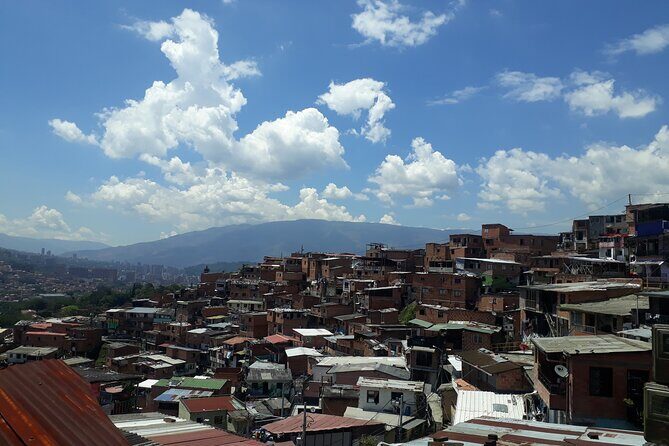
Comuna 13 has a reputation that’s hard to reduce to one word. This tour treats it as more than a backdrop for street photos. You’ll be guided through outdoor art with the idea that murals and public creativity aren’t random—they’re tied to the way communities survive, adapt, and insist on being seen.
What I like about this approach is how it respects the street art as communication. Instead of only pointing out color and style, the guide’s job is to help you connect each work to the neighborhood’s story. The result is a walk where you keep noticing things you might miss on your own—faces, symbols, and messages that are “right there” once someone gives you the key.
You’ll also get a clear sense that Comuna 13 isn’t being packaged as tragedy. The tone (especially in the way one guide named Santi is described) leans toward resilience and everyday life. You’re learning how art grows in the same environment where people deal with hardship.
Other Comuna 13 graffiti tours we've reviewed in Medellin



Price and logistics: what $50 buys you (and what it doesn’t)
At $50 per person for about 3 hours, the price makes sense if you want two things bundled together: guidance plus movement. You’re getting a local guide, insurance, snacks, and transportation included via public transit. That’s the practical value—less planning, fewer add-on costs, and you’re not spending your morning figuring out routes.
It also helps that the tour caps at 10 travelers. Small groups tend to make explanations clearer and questions easier. If you like interactive walks—where you can ask what a mural means—this format usually pays off.
Not included is also straightforward. Alcoholic drinks aren’t included, but they’re available to purchase. So if your plan is a drink-and-sight tour, this isn’t that. Think snack breaks and storytelling, not bar hopping.
Where to meet in San Javier and how the 9:00 am start affects your day
The meeting point is listed at Cra. 109 # 38-25, Veinte De Julio, Medellín, San Javier, Antioquia, Colombia. The tour starts at 9:00 am and ends back at the meeting point, so you can plan a second activity later without needing to recalculate transportation.
Starting in the morning is a real plus for an area tour like this. You’re more likely to get a calmer start, and it gives you time to digest what you learned before the rest of the day speeds up. Since it’s an outdoor route, earlier hours also mean you can better manage heat and walking stamina (bring what you need, like sun protection and comfortable footwear, since you’ll be on your feet).
The tour is also described as being near public transportation, which is helpful if you’re coming from another part of Medellín. You won’t be completely isolated from the city’s transit links, and that makes it easier to handle if you need to adjust plans.
Stop 1: the neighborhood icon you’ll notice once you know what to look for
Your first stop is described as an icon in the neighborhood. That wording matters. It signals that you’re not just passing random walls—you’ll be taken to a piece that functions as a reference point for locals.
Here’s what you can expect at a stop like this. Your guide should help you interpret the mural as a “signal,” not just street decoration. That might mean the story behind why this work exists, what it says about community identity, or how the art connects to the broader social transformation of Medellín.
A small caution: if you’re hoping for a stop with clear tourist signage and easy self-guided context, that may not be the vibe. Icon murals in working neighborhoods often don’t come with English placards. The tour is designed to provide that missing context.
Stop 2: the most beautiful neighborhood in Medellín, our house
The second stop is described with pride: the most beautiful neighborhood in Medellín, our house. That line tells you the tone your guide is trying to set. This isn’t only about art history; it’s about belonging—about how people claim their space through daily life and public expression.
At this stage, the tour usually feels more human. You’ll likely notice how the murals fit into the flow of real streets, not staged backdrops. The best moment is when you stop thinking of graffiti as something you watch from the outside and start seeing it as something that’s part of how people narrate their world.
The drawback to keep in mind is that the meaning of works can be nuanced. If your Spanish is limited (the tour is offered in English, so you’ll be fine), you’ll still be dependent on the guide’s explanations. Pay attention when you’re told what symbols mean, and ask follow-up questions if something clicks.




What you’ll learn from the street art: history, politics, and daily life
This tour’s core promise is learning Medellín’s story through social transformation. In practice, that means your guide links art to the conditions that shaped the neighborhood—without turning it into a lecture.
One of the most praised elements is how the guide brings history into conversation. In an account naming Santi as the guide, the storytelling is described as deep and personal, with discussion of politics and socially relevant circumstances that helped shape Comuna 13’s artistic environment. You can expect explanations that connect cause and effect: the idea that people create visible meaning when life gets complicated.
You’ll also spend time on works of art that are hidden in plain sight. That phrase is a useful expectation-setting clue. Some murals may look like background at first glance, then reveal stronger detail once your guide points out what to look for—figures, dates, symbols, or messages.
If you’re the type of traveler who loves context, you’ll enjoy this. If you only want wide scenic views and quick photo stops, you may wish the tour had more open-time. This experience is built around interpretation, not just movement.
Snacks, English, and the small-group feel (max 10)
Tour comfort isn’t just about weather. It’s about whether you can keep your energy up during a morning walk. This one includes snacks, so you’re not hunting down a snack place halfway through your route.
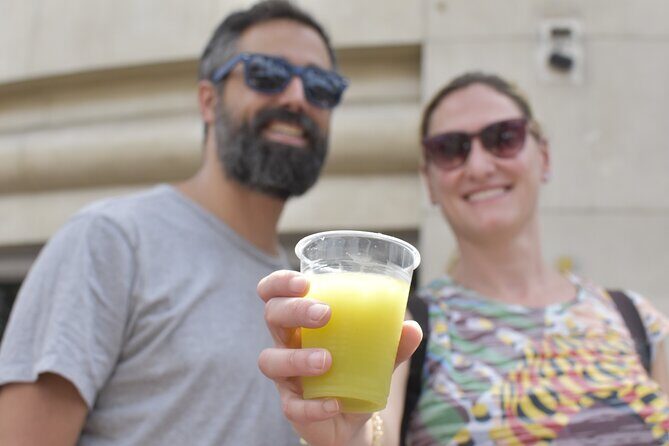
In one detailed account, the guide introduced simple local foods and treats such as potato empanadas and frozen mango pops with lemon and salt, plus dragon fruit. Even if your specific snack mix differs, the intention is the same: you’ll be offered local flavor in a way that fits the pace of the tour.
Language-wise, the tour is offered in English, and the tour includes a local guide. That’s a big deal in a neighborhood art tour, because the value is in the explanation. If you’re traveling solo or you prefer direct back-and-forth, small groups (up to 10) make it easier to stay engaged.
One more practical note: the tour is described as suitable for most travelers, and service animals are allowed. If you travel with a service animal, this is a key item to check off.
Transportation by public transit: why it changes the experience
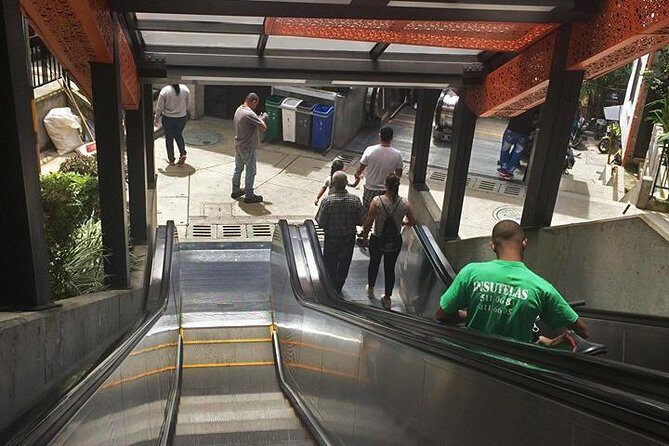
This tour includes transportation by public transit. That’s not a small detail—it’s part of the authenticity. You’re not only looking at the neighborhood; you’re riding through it as part of the environment.
Public transit also tends to create a steady rhythm. You’ll likely move between stops without needing to solve navigation. Since the tour ends back at the meeting point, you also avoid the classic problem of getting dropped somewhere inconvenient after the last mural.
The main consideration is mental, not technical. Transit-based tours ask you to be slightly flexible. If you’re the kind of person who hates changing plans, this might feel less controlled than a closed car transfer. On the flip side, it’s often what makes the tour feel grounded.
Insurance and practical comfort: what’s covered and what you should bring
Insurance is included, which is a meaningful safety net for an activity that happens outdoors and on a schedule. It won’t remove every risk of being in a neighborhood setting, but it’s reassuring to know it’s built into the package.
What you should bring is mostly common sense for any outdoor neighborhood walk. You’ll want to dress for walking and the morning conditions. Since alcohol isn’t included (though you can buy it), keep your priorities simple: plan for snacks now, and decide later if you want anything else.
Also, since this is a mobile-ticket tour, don’t forget your phone. Confirmation is received at booking time, and the tour uses a mobile ticket, so having that accessible matters.
Small-group pacing: when it becomes personal
The tour can run as a group experience, but the small size helps it feel personal. The max of 10 travelers creates space for real questions. In one account, the tour reportedly ran with just one participant plus the guide Santi, turning it into an unusually focused, conversation-driven walk.
That’s the upside to a small cap: you can get tailored attention. You’ll likely spend more time on what you care about, like understanding why specific murals carry certain messages or what the neighborhood’s transformation means in everyday terms.
Who should book this Comuna 13 graffiti tour?
Book it if you want street art with context. You’ll enjoy it most if you like learning how art connects to people’s lives, and if you care about the story behind the walls.
You might skip it if you’re only looking for quick photo stops or scenic viewpoints. The emphasis here is explanation—social transformation, meaning, and what the works say about daily life—so you’re paying for interpretation as much as artwork.
It’s also a solid fit if you’re comfortable taking public transit and walking for a few hours. Since snacks are included and the route is designed around two key art stops, it’s a balanced way to spend a morning.
Should you book Comuna 13 graffiti with Comuna Project?
Yes, with two conditions.
First, if you’re drawn to meaningful street art and you like a guide-driven story, this is good value at $50 because it includes a local guide, insurance, snacks, and transit. You’re not just buying access to murals; you’re buying understanding and a practical route.
Second, do a quick sanity check on timing. One negative report mentions a no-show and no reply when contacted, so keep confirmation handy and arrive a little early. That’s the simple way to reduce stress and make sure you get the experience this tour is designed to deliver.
FAQ
How long is the Comuna 13 graffiti tour?
It lasts about 3 hours.
What is the price per person?
The price is $50.00 per person.
What language is the tour offered in?
The tour is offered in English.
What’s included in the tour price?
It includes a local guide, insurance, and snacks, plus transportation by public transit.
What is not included?
Alcoholic drinks are not included, though they are available to purchase.
Where does the tour start?
The meeting point is Cra. 109 # 38-25, Veinte De Julio, Medellín, San Javier, Antioquia, Colombia.
Is the tour limited to a small group?
Yes. There’s a maximum of 10 travelers.
What’s the cancellation policy?
Free cancellation is available if you cancel at least 24 hours before the experience’s start time for a full refund.