REVIEW · MEDELLIN
Comuna 13: Graffiti tour & Street Food/drink with telesferic
Book on Viator →Operated by The Best Tours in Medellín S.A.S · Bookable on Viator
Medellín’s murals tell stories you can’t miss. This Comuna 13 tour mixes street art, local food, and city viewpoints using the metro and a cable car. You’ll move with a small group and get a safety-focused start before you head into the neighborhood.
I especially like how the route uses big public transit moments, from the metro at Estación Poblado to the cable car views overhead. I also like the people-first mix: graffiti history, plus a dance show where music is used as change, not just entertainment.
One thing to keep in mind is that this is weather-dependent and not designed for everyone—there’s a note that it’s not suitable for people over 70. If it’s rainy, the schedule can feel less comfortable, since you’ll still be walking and riding between stops.
In This Review
- Quick hits: what makes this Comuna 13 tour work
- From El Poblado metro to Comuna 13: a smart way to start
- Stop 1 at Estación Poblado: your safety and expectations briefing
- Comuna 13: graffiti, cable car views, and the point of all that art
- The cable car moment: see the neighborhood from above
- Escalators and local sayings: small details that make you feel less lost
- Dance show with a purpose: music as leadership
- Food stop built into the mural time
- Stop 2 in practice: how pacing and safety feel on the ground
- Stop 3: a traditional drink with panoramic city views
- Price and timing: why $18 can be good value here
- Who this tour is best for (and who should think twice)
- What I’d watch for before you go
- A final reality check: how to get the most out of it
- Should you book Comuna 13 Graffiti Tour with street food and telesférico?
- FAQ
- What is the price of the Medellín Comuna 13 graffiti and street food tour?
- How long does the tour take?
- Where do I meet for the tour?
- What does the tour include in Comuna 13?
- Is the cable car ride included?
- How big is the group?
- Is the tour suitable for older travelers?
Quick hits: what makes this Comuna 13 tour work
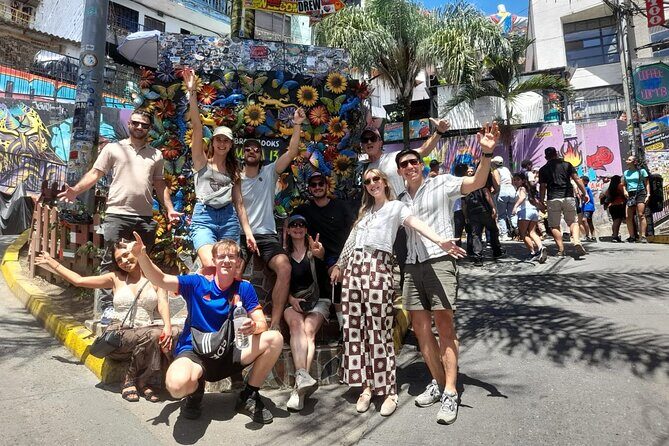
- Metro-to-cable-car planning gives you city views without complicated logistics.
- Graffiti with context focuses on transformation, not shock value.
- Escalators and saying lessons help you understand how people move through the area.
- Street food and drinks are built into the timing, so you’re not hunting on your own.
- Small group size (max 8) makes it easier to stay together in a real neighborhood.
From El Poblado metro to Comuna 13: a smart way to start
I like when a tour starts with orientation instead of guessing. Here, you begin at the metro’s Estación Poblado area, and that early briefing matters because Comuna 13 can feel confusing if you arrive without local context.
Right after meeting, you get a short plan for what comes next and some safety recommendations. It’s not scary, but it’s practical—think of it as helping you get your bearings fast before you head to the murals and viewpoints.
You’re also starting from a transit hub in El Poblado, which is handy for timing. It’s the kind of setup that reduces the “how do I get there” stress that can drain your first afternoon in Medellín.
Other Comuna 13 graffiti tours we've reviewed in Medellin
Stop 1 at Estación Poblado: your safety and expectations briefing
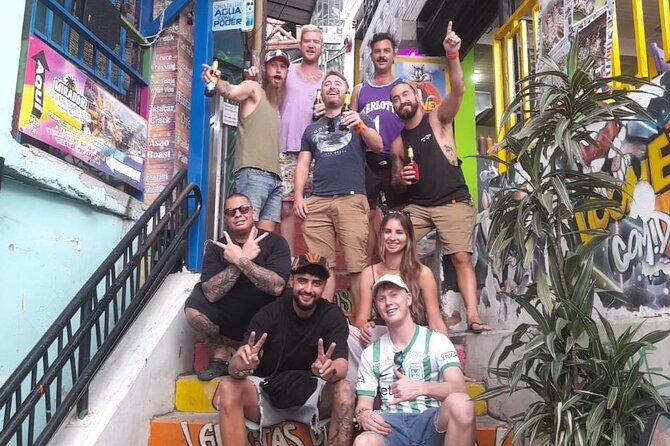
This first stop is brief on purpose—about 15 minutes—so you’re not waiting around. You’ll hear what the day will look like and get clear safety guidance before moving to Comuna 13.
Why that matters: with street-art tours, the difference between fun and uncomfortable is usually group pacing and awareness. A quick setup at the metro means you start walking with the rules in your head, not learned the hard way on the street.
Also, because you’ll be using public transit during the experience, it helps to understand the flow early. You’ll be less likely to fall behind when you know where you’re going next and why.
Comuna 13: graffiti, cable car views, and the point of all that art
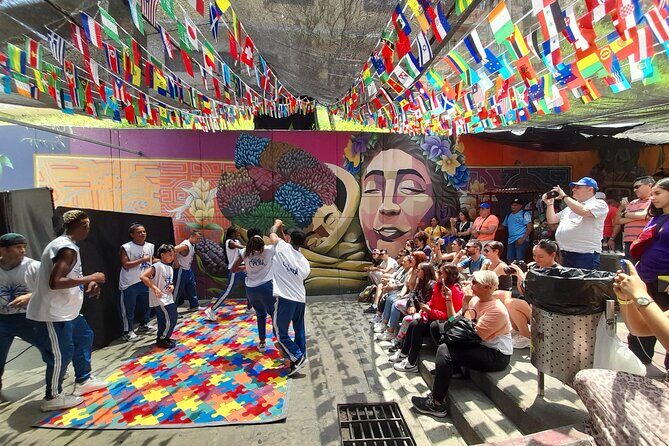
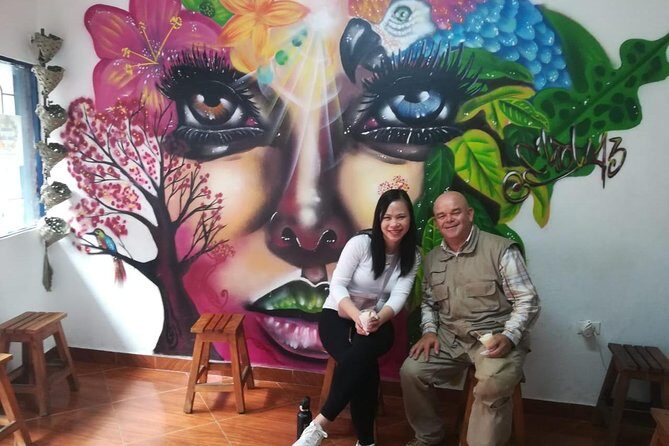
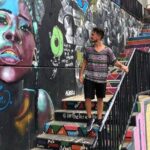
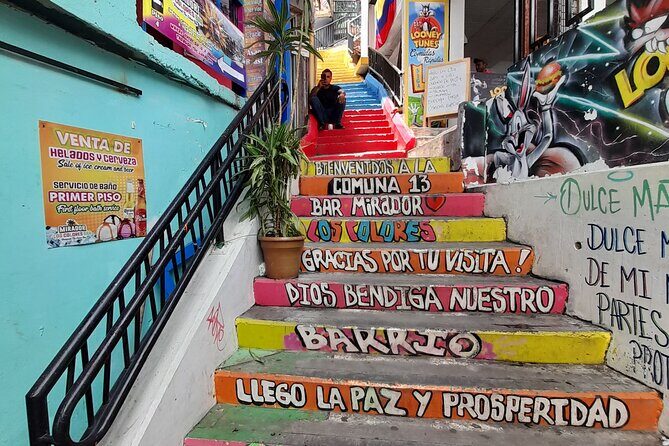
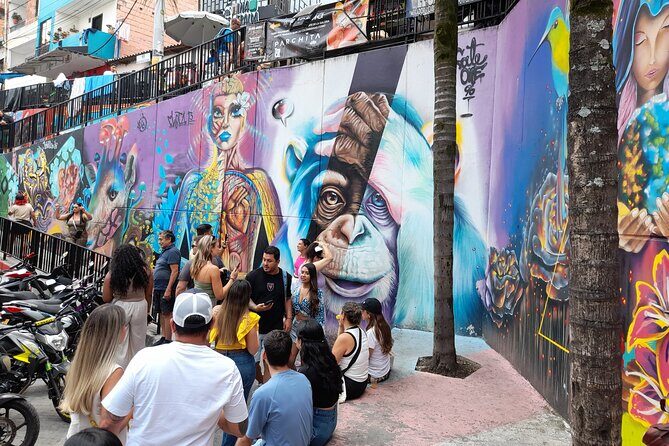
The heart of the tour is Comuna 13 itself. You’ll visit areas known for color, murals, and the kind of street art that turns a neighborhood into an open-air classroom.
The tone is important: the tour frames Comuna 13 as a transformation story. The message isn’t just that the walls look cool. You’ll learn about the change process—how residents used community efforts and art as a form of expression and leadership.
The cable car moment: see the neighborhood from above
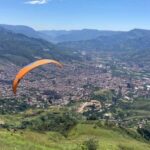
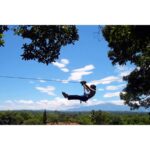
One of the best parts is the cable car ride with city views. Even if you’ve seen Medellín’s skyline from a distance, cable car angles change what you notice—routes, hills, and how the neighborhoods stack together.
This is also a timing win. You get a viewpoint experience without spending extra time booking separate transport or adding another tour. If you only have a short trip window, that efficiency is real value.
Escalators and local sayings: small details that make you feel less lost
The tour includes escalator moments where you’ll learn local sayings. That might sound minor, but it’s the kind of detail that helps you understand the vibe of a place.
Escalators in Comuna 13 aren’t a gimmick. They’re part of how the neighborhood functions, and it’s easier to appreciate that when someone points it out and gives you context.
Other food and street food tours we've reviewed in Medellin


Dance show with a purpose: music as leadership
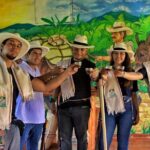
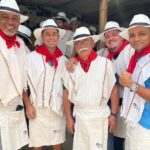
You’ll also enjoy a dance show performed by a group using music as change. This isn’t just a performance break—it’s part of the tour’s theme that Comuna 13’s transformation is cultural, not only physical.
It works because the tour keeps returning to the same idea: art isn’t decoration. It’s a tool people use to move from hardship to identity.
Food stop built into the mural time
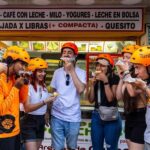
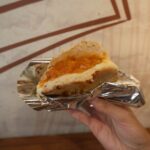
While you’re exploring, you’ll get a chance to try ice cream in Comuna 13. That’s not just a sugar pause. It’s timed so you can rest without losing the walking momentum that street-art tours need.
The general pattern is: view something, walk a bit, learn something, then fuel up. That rhythm helps you stay engaged instead of treating the day like a checklist.
Stop 2 in practice: how pacing and safety feel on the ground
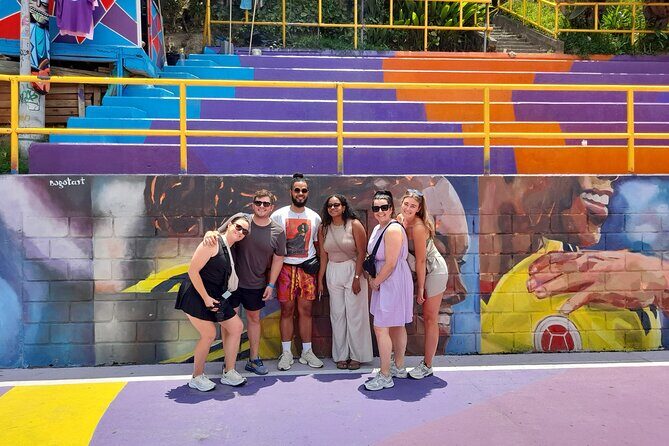
Because the group is capped at 8 travelers, you’re less likely to get separated. In a neighborhood setting, staying together matters, and smaller groups also mean your guide can answer questions without repeating themselves for a big crowd.
Now, a practical note: some guides may include additional greetings along the way, and the group can slow for conversations. That’s not always a problem—it can show you that the tour is happening in real life, not a staged set—but it can make the day feel less rushed.
Either way, the tour’s focus is on safer routes. You’ll be taken to places described as the safest areas in Comuna 13 that still deliver graffiti and colorful visuals. That balance is the reason people book this instead of trying to DIY the whole thing.
Stop 3: a traditional drink with panoramic city views
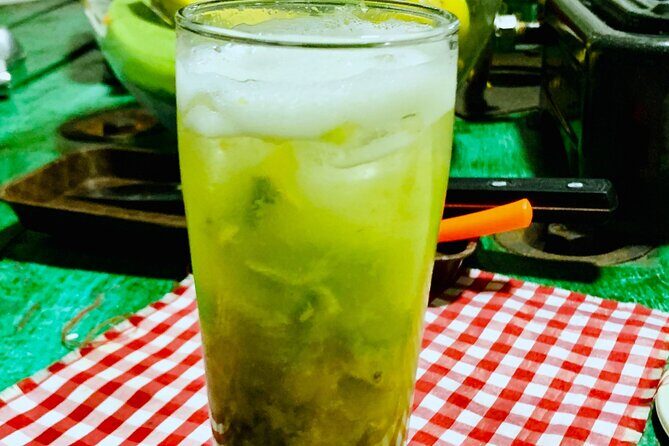
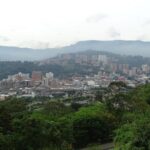
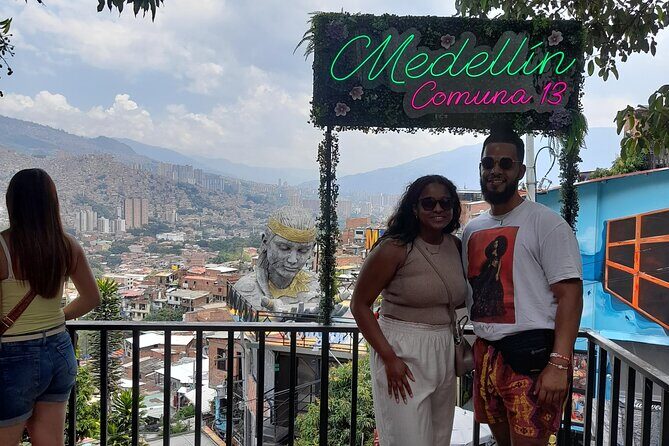
The last stop is where you get a final flavor of the neighborhood and a bigger payoff for the day. You’ll enjoy a traditional drink at a point in Comuna 13 that offers panoramic views of the entire city.
This is a nice way to end, because you’re not just walking back into urban noise after hours of murals. You pause, sip something local, and look out over Medellín in one broad view.
Why this matters for your memories: late-day viewpoints tend to stick because you can connect them to what you saw earlier. You’ll likely remember the streets, escalators, and cable car angles more clearly after you see the whole city laid out.
Price and timing: why $18 can be good value here
At $18 per person for about 3 hours 30 minutes, this is one of those deals that looks even better once you picture what’s included. You’re not just paying for a walk—you’re paying for transit-based sightseeing, entry elements, and food/drink moments built into the schedule.
Also, because the tour uses big public transport components, it can save you from piecing together separate tickets or adding extra transportation time. For many visitors, that’s the hidden value: fewer moving parts and less uncertainty.
Averages matter too. This is typically booked about 6 days in advance, which suggests it has steady demand. If you’re traveling in a busy season or on a tight itinerary, booking earlier helps you avoid picking a less convenient time.
Who this tour is best for (and who should think twice)
I’d recommend this tour if you want a street-art experience with real context, not a quick photo sprint. It’s also a good fit if you like transit-based sightseeing and want a cable car viewpoint without extra planning.
It’s especially suited to people who value safety guidance and small-group pacing. The tour’s structure—start with briefing, move through safest areas, end with views and food—hits that comfort need while still staying authentic.
On the other hand, it’s not listed as suitable for people over 70. And because it requires good weather, you should expect that rain can impact comfort and timing.
What I’d watch for before you go
This kind of tour can be very different depending on your specific guide and how your group flows. The overall format is consistent, but small differences in pacing can change your experience.
Here are the two practical things I’d keep in mind:
- Make sure you’re clear on the overall route so you’re not wondering what’s happening when you’re moving between stops.
- If you have a specific graffiti artist or mural you care about, mention it early. The tour may not have every specialty request in its exact path, and your guide can only help if they know your priority before you start.
The good news: the tour has a defined theme—graffiti, transformation story, viewpoints, and food—so even if you’re flexible, you’ll still get a complete arc to the experience.
A final reality check: how to get the most out of it
If you want photos, you’ll get them—especially with the cable car views. But don’t treat it like a pure sightseeing loop. The most rewarding part is when you pay attention to the transformation story and how music, movement, and public spaces become part of the message.
I also suggest you come with curiosity and a light schedule mindset. This tour works best when you’re okay walking, riding, and pausing when it happens.
And since the group is small, don’t be shy about asking questions during breaks. A lot of the value here is explanation—what you’re seeing and why people built meaning into the walls.
Should you book Comuna 13 Graffiti Tour with street food and telesférico?
If you’re visiting Medellín for a short time and want a single afternoon that combines graffiti context, food and drink, and a cable car viewpoint, this is a smart booking. At $18 for roughly 3.5 hours with a small group limit, it’s strong value for what’s included.
Book it if you like guided safety, public transit sightseeing, and stories tied to the neighborhood’s transformation. Skip it or reconsider if weather is likely to be awful, if you need full accessibility support, or if you’re sensitive to walking and moving between transit points.
FAQ
What is the price of the Medellín Comuna 13 graffiti and street food tour?
The price is $18.00 per person.
How long does the tour take?
It lasts about 3 hours 30 minutes.
Where do I meet for the tour?
You meet in El Poblado, Medellín, Antioquia, Colombia. The starting point is Estación poblado del metro.
What does the tour include in Comuna 13?
You’ll visit graffiti and colorful areas with a local guide, enjoy a dance show, ride a cable car for city views, try ice cream, learn local sayings, and use escalators. You’ll also have a traditional drink at the end.
Is the cable car ride included?
Yes. The tour includes a cable car experience for views of the city.
How big is the group?
The tour has a maximum of 8 travelers.
Is the tour suitable for older travelers?
The tour is noted as not suitable for people over 70.