REVIEW · MEDELLIN
Cooking class: Street Food & Mojito making
Book on Viator →Operated by Cook in Cartagena · Bookable on Viator
Street-food cooking in Medellín hits different. You’ll learn to make Mojito de Lulo and classic snacks in a hands-on way, plus you get to see local ingredients up close.
I especially like how the class focuses on real Empanadas & Patacones technique, not just reading recipes. I also love the small-group feel and the chance to taste native fruit while you cook.
One thing to consider: it’s non-refundable and time-based, so make sure the 6:00 pm slot works for your plans.
In This Review
- Key things to know before you go
- Street Food and Mojito in Medellín, Done the Hands-On Way
- Where the Class Starts (and Why Location Matters)
- The Host and Small-Group Pace That Keeps It Relaxed
- The Market and Fruit Step: Learning Ingredients Before You Cook
- Mojito de Lulo: How the Drink Shapes the Whole Evening
- Empanadas and Patacones from Scratch (with Fillings and Flavor Mixes)
- After You Cook: Eating Your Work (Beer Included)
- Price and Value: Is $60 Worth It?
- Who This Class Fits Best
- Booking Timing and What to Expect After You Sign Up
- Should You Book This Medellín Cooking Class?
- FAQ
- Where does the street food and mojito class meet?
- What time does the class start in Medellín?
- How long is the cooking class?
- Is this class private or shared?
- Is the cooking class offered in English?
- What will I make during the class?
- Is there a mobile ticket?
- Is it near public transportation?
- What is the cancellation or refund policy?
- How far in advance should I book?
Key things to know before you go
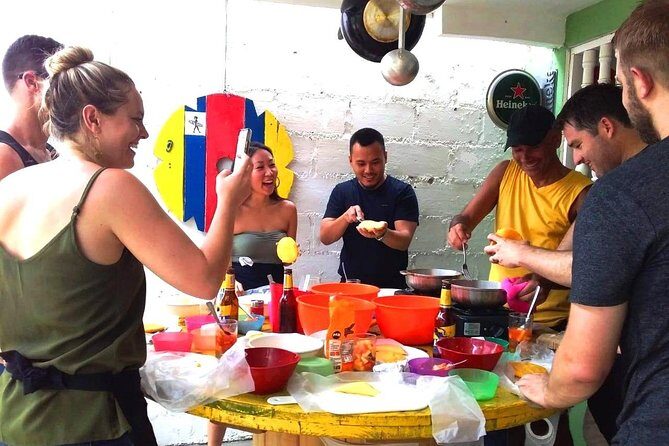
- Street-food style cooking at home: you cook popular local recipes in a house setting, not a showroom.
- Mojito de Lulo hands-on: you’ll make and enjoy a Medellín-style cocktail with native fruit.
- Empanadas & Patacones from scratch: you learn how to build them, not just assemble.
- Native fruit tasting: you’ll sample fruit and see ingredients you may not have tried before.
- Private group experience: only your group participates, keeping the pace relaxed.
- English offered: the class is offered in English, so you can follow the steps comfortably.
Street Food and Mojito in Medellín, Done the Hands-On Way
Medellín has a lot of food energy, but it’s easy to miss the parts locals care about most: how the ingredients feel, how the batter or dough behaves, and why certain fillings just make sense. This cooking class leans hard into that practical side. You’ll be cooking in a real, lived-in setting while someone teaches the logic behind the food—not only the steps.
I like that it’s framed around street-food recipes, not restaurant plating. You learn what makes these snacks work on the street: the texture, the balancing of sweet and savory options, and how to move through the process without getting lost. And when the class shifts to drinks, it stays just as hands-on. The Mojito de Lulo part matters because lulo (a native fruit) isn’t just a garnish here—it’s part of the flavor identity.
If you’re budgeting, the $60 per person price can look simple on paper. In practice, you’re paying for guided instruction, ingredients, and the full payoff meal afterward (including beer). For a 2 hours 30 minutes session, that’s decent value—especially since it’s private and offered in English.
Other food and street food tours we've reviewed in Medellin



Where the Class Starts (and Why Location Matters)
The meeting point is Unicentro Shopping Mall in Laureles, Medellín: Cra 66B #34 A 76, Laureles – Estadio. The start time is 6:00 pm, and the activity ends back at the same meeting point.
Why this helps you: Unicentro is a familiar anchor area in Medellín, so you’re not relying on some obscure backstreet meeting. Also, it’s marked as near public transportation, which is useful if you don’t want to game the taxi game before a cooking class.
Timing-wise, starting at 6 pm is smart. You’re not rushing dinner plans at noon, and you’re not late enough to feel like everything is already shut down. It’s the kind of evening slot that lets you cook, eat, and still have energy for a post-class stroll or a casual night bite nearby.
The Host and Small-Group Pace That Keeps It Relaxed
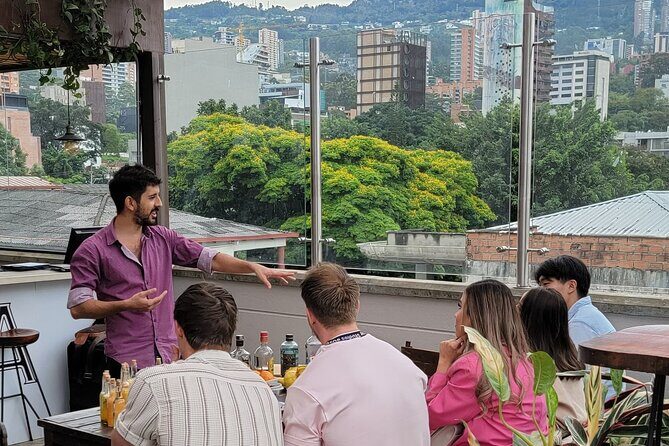
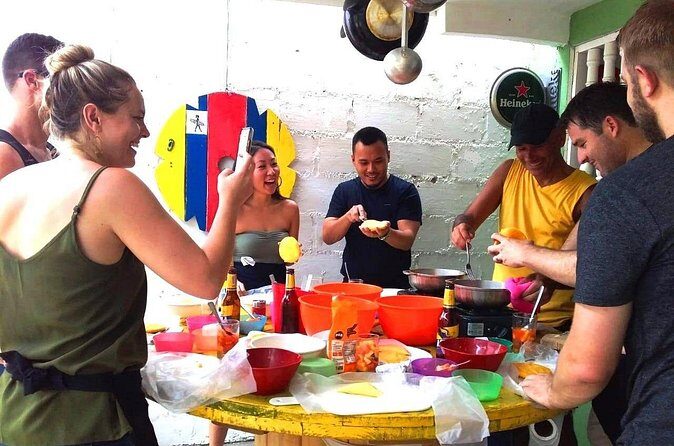
This is a private tour/activity, meaning only your group participates. In plain terms, that usually means you’re not stuck watching someone else cook while you wait your turn. The pacing tends to stay more comfortable, and you can ask questions as they come up.
In one standout experience, the host was AnnaMaria. That matters because you’re not just following instructions—you’re learning from a person who can explain how the locals think about flavor and timing. In that same experience, there was a mix of Spanish and English, which is exactly what you want in real-world cooking: you get clarity without the class turning into a formal language lesson.
A practical tip: go in with a relaxed mindset. Cooking classes often feel quick, but you’ll get more out of it if you treat it like a conversation with food. Ask what to watch for during cooking (texture changes, dough behavior, filling thickness). Those small cues are usually what you can’t learn from reading.
The Market and Fruit Step: Learning Ingredients Before You Cook
A big part of why this class works is the ingredient introduction. You’ll head out to a local food market area where you’ll see fruit, vegetables, herbs, and other ingredients you might not recognize yet. One experience specifically mentioned the wonderful oldest food market in Medellín, along with friendly stall holders.
Here’s what you should take from this segment: street food starts with ingredient confidence. If you know what lulo smells like when it’s fresh, or how herbs look when they’re meant for flavor rather than garnish, cooking later feels easier. You’re building a small ingredient map in your head.
You’ll also taste native fruits. For me, that’s one of the most underrated “value adds” in cooking classes. It turns the class from a one-time meal into something you can repeat and adapt later. Even if you can’t find the exact same fruit back home, you’ll at least learn the flavor direction—bright, tangy, and refreshing.
Mojito de Lulo: How the Drink Shapes the Whole Evening
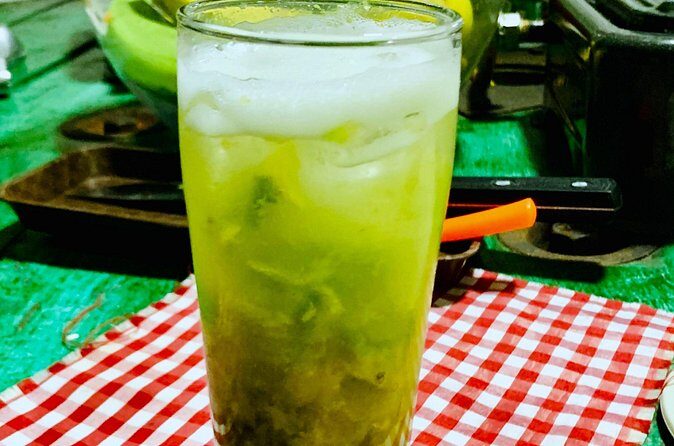
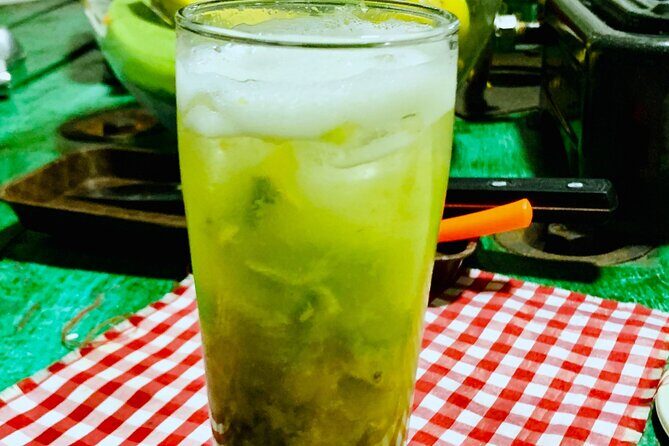
Then comes the cocktail: Mojito de Lulo. This isn’t just sip-and-socialize. You make it, and you’ll learn how the native fruit changes the profile compared with the usual mojito style people expect.
Why it’s a great fit for Medellín street-food cooking: mojitos are meant to cut through richness. When you’re about to eat empanadas and patacones—both satisfying, both built on frying and dough—having something cold, citrusy, and fruit-driven makes the meal feel balanced instead of heavy.
Practical angle for you: drink timing matters. If you can, start with a small sip while you’re still hungry, then save the rest for when the fried foods hit. You’ll notice the flavors more that way, and your palate won’t be dulled before the food portion begins.
Other food & drink experiences in Medellin



Empanadas and Patacones from Scratch (with Fillings and Flavor Mixes)
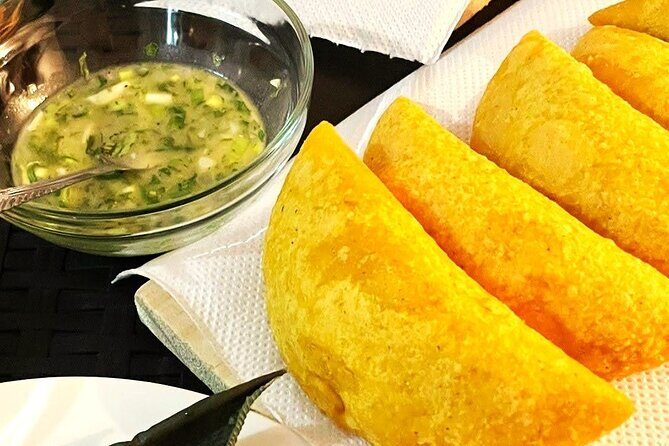
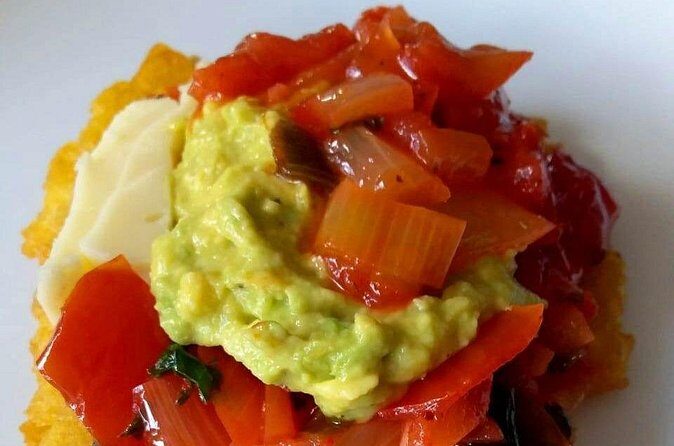
This is the main event. You’ll learn how to cook Empanadas & Patacones from scratch. The class includes different fillings, including sweet and savory combinations, so you’re not just making one “default” version.
What makes this especially valuable: empanadas and patacones aren’t only about taste—they’re about technique. Getting the dough texture right and managing the fillings so they stay tasty (not soggy or leaking) is the learning curve. When someone shows you the method, you’ll understand what you should aim for in the first place.
And patacones aren’t just “fried plantain.” The oil, the thickness, and the pressing step matter. Doing it with guidance helps you avoid the most common home-cooking mistakes: under-frying, over-frying, or trying to rush the press step.
In one experience, the menu conversation went beyond the exact staples and included salsas and other snack components like arepas. That’s not guaranteed in every session based on the info you have here, but it’s a sign that the class can include extra flavor pairings and side elements that make the meal feel more complete.
After You Cook: Eating Your Work (Beer Included)
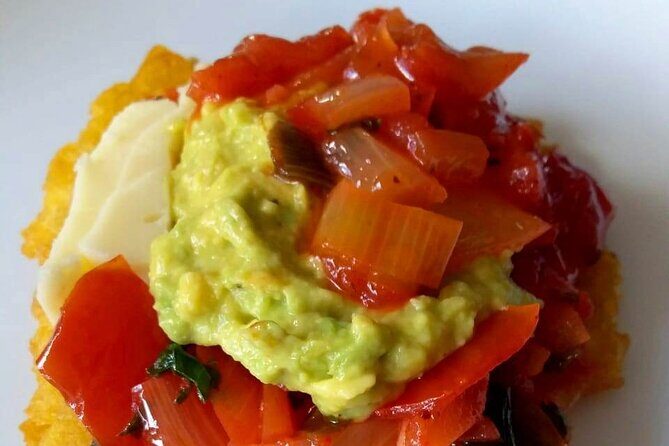
Once the cooking is done, you eat what you made. You’ll enjoy your own meals, plus an ice-cold beer is included afterward.
This part matters more than people think. Many classes finish with “take pictures and leave.” Here, the meal is the payoff, and you can actually taste how your technique turned out. If you made two versions—sweet and savory—this is where you learn what you personally liked best.
Also, the social element is real without turning forced. You’ll share travel stories with the hosts. It helps you connect the food to life in Medellín rather than treating it like a scripted activity.
Price and Value: Is $60 Worth It?
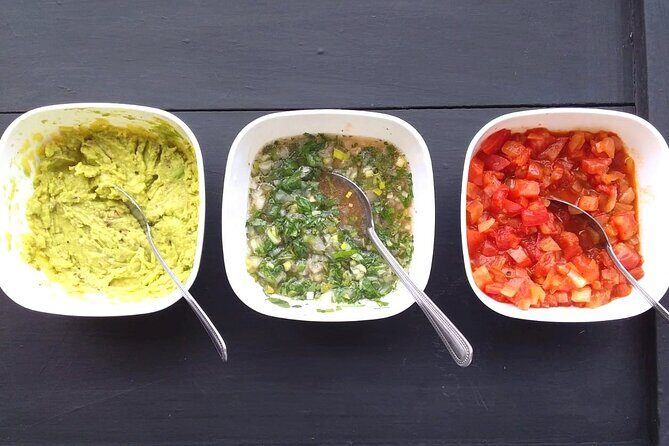
At $60 per person for about 2 hours 30 minutes, you’re paying for more than a cooked meal. You’re buying instruction, ingredients, and a structured experience that includes:
- hands-on cooking (not just watching),
- Mojito de Lulo making,
- native fruit tasting,
- and a post-cooking meal with beer.
For comparison, a single casual dinner plus a cocktail might cost similar money, depending on where you eat. The difference here is the skill. You’re leaving with knowledge you can repeat later—especially around empanada and patacón technique and how sweet-savory fillings can work.
One more point: the class is private. That raises the value if you’re traveling as a group and want an activity that stays focused on your party, not a long line of strangers.
Who This Class Fits Best
This experience is a strong match if you want:
- a practical cooking lesson (texture, fillings, timing),
- a food-and-drink pairing that makes sense together,
- and a more personal, smaller group setup.
It’s also a good choice if you like the idea of learning ingredients first—especially native fruit—so your cooking has context.
If you’re the type who hates hands-on messes, or you’re looking for a sightseeing-heavy day, this may feel more “kitchen-focused” than “city-focused.” But if you want food skills and a satisfying evening meal, that kitchen time is the point.
Booking Timing and What to Expect After You Sign Up
You’ll receive confirmation at the time of booking, and you’ll get a mobile ticket. On average, this class is booked about 33 days in advance, so if you want a specific evening plan, it’s smart to reserve earlier rather than later.
The class is offered in English, and one experience noted that a mix of Spanish and English worked well. If you speak only English, you should still be able to follow along and ask questions. Just be ready for real-life bilingual teaching, which is normal in many local food experiences.
Should You Book This Medellín Cooking Class?
I’d book it if you care about learning the how, not just eating the food. Mojito de Lulo + hands-on empanadas and patacones is a pairing that makes sense for a Medellín evening, and the private, small-group feel keeps it fun instead of rushed.
You might skip it if you’re trying to keep flexibility for late plan changes, because it’s non-refundable and can’t be changed for any reason. Also, make sure 6:00 pm works with your dinner plans, since this replaces dinner with the meal you cook.
If those timing and refund rules fit your travel style, this is the kind of class that gives you skills you can use again—plus an actual dinner you made with your own hands.
FAQ
Where does the street food and mojito class meet?
The meeting point is Unicentro Shopping Mall, Cra 66B #34 A 76, Laureles – Estadio, Medellín, Antioquia, Colombia. The activity ends back at the meeting point.
What time does the class start in Medellín?
The start time is 6:00 pm.
How long is the cooking class?
The duration is approximately 2 hours 30 minutes.
Is this class private or shared?
It’s a private tour/activity. Only your group will participate.
Is the cooking class offered in English?
Yes, it’s offered in English.
What will I make during the class?
You’ll cook popular street food recipes, including Mojito de Lulo, empanadas, and patacones from scratch, with different fillings and sweet and savory combinations. You’ll also taste native fruits.
Is there a mobile ticket?
Yes. The tour includes a mobile ticket.
Is it near public transportation?
Yes, it’s marked as near public transportation.
What is the cancellation or refund policy?
This experience is non-refundable and cannot be changed for any reason. If it’s canceled because the minimum number of travelers isn’t met, you’ll be offered a different date/experience or a full refund.
How far in advance should I book?
On average, it’s booked 33 days in advance, so booking ahead is a good idea if you want a good chance at your preferred dates.