REVIEW · MEDELLIN
From Medellín: Private Pablo Escobar History Tour
Book on GetYourGuide →Operated by Epic tours Medellin · Bookable on GetYourGuide
Pablo Escobar’s Medellín is hard to forget. This private 4-hour tour connects the places you’ve heard about with the human impact they caused, from Parque de la Memoria in El Poblado to the site tied to the end of Escobar’s life. It’s not a gore-fest for shock value, but you do learn the painful context behind how Medellín changed.
I especially like the private guide setup. You get bilingual storytelling, and guides such as Manuel, Andrés, Carlos Andrés, Jhon, or Sara (depending on availability) tend to focus on the city’s “before and after,” not just name-dropping. I also like that the tour is built to move fast between key sites with hotel pickup in central Medellín, so you don’t waste half a day figuring out logistics.
One drawback to consider: it’s site-and-stories heavy, not a museum day. If you’re hoping for major exhibits or lots of time inside formal history spaces, this format may feel more like walking through locations tied to the story than slow, exhibit-style learning.
In This Review
- Quick Take: What Makes This Tour Worth Your Time
- Why the El Poblado Start Matters for Escobar’s Medellín
- Parque de la Memoria and the Former Monaco Building
- Barrio Pablo Escobar: Free Housing and the Tough Questions It Raises
- Escobar’s Grave and the Place He Was Killed
- Optional Comuna 13: Graffiti as an Open-Air Lesson
- A 4-Hour Private Tour That Doesn’t Feel Cramped
- Price and Value: Is $63 a Good Deal?
- Logistics You’ll Want to Know Before You Go
- Who This Tour Fits Best (and Who Should Skip It)
- Should You Book This Private Pablo Escobar Tour?
- FAQ
- How long is the Medellín private Pablo Escobar history tour?
- What’s the price per person?
- Where does pickup happen?
- Is this tour private?
- What languages are available?
- What places are visited during the tour?
- Are food and drinks included?
- What should I bring?
- Is the tour wheelchair accessible and are there any special closure days?
Quick Take: What Makes This Tour Worth Your Time
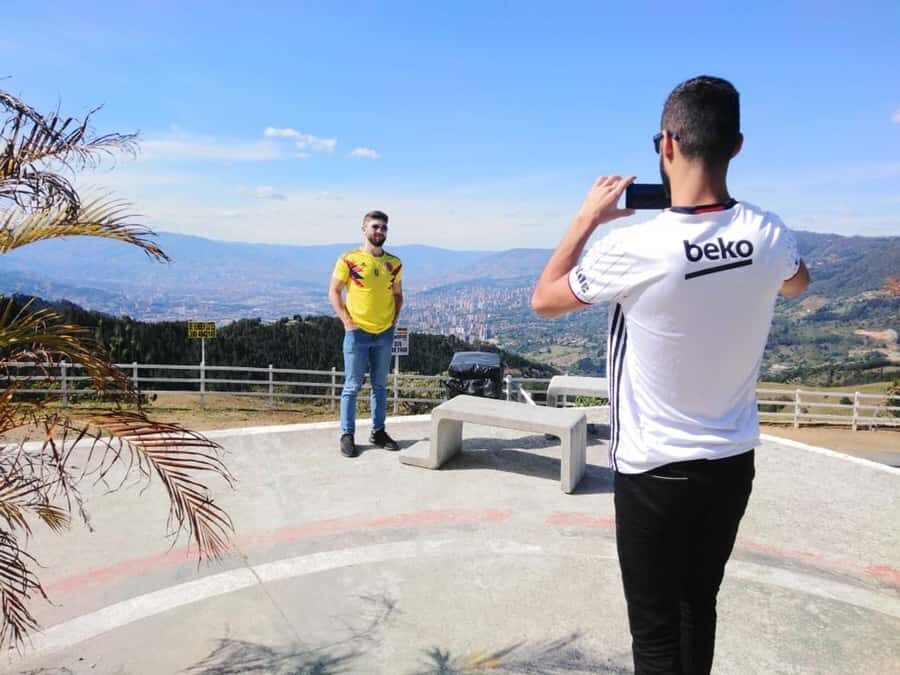
- El Poblado start with a modern remembrance stop at Parque de la Memoria
- Parque de la Memoria at the old Monaco building and how the area is being re-framed
- Barrio Pablo Escobar shows the contradictions: free housing plus serious harm
- Escobar’s grave and the place he was killed for a clear, chronological ending
- Optional Comuna 13 adds street-art context and a wider view of survival in Medellín
- Private format with bilingual guidance and hotel pickup in central areas
Why the El Poblado Start Matters for Escobar’s Medellín
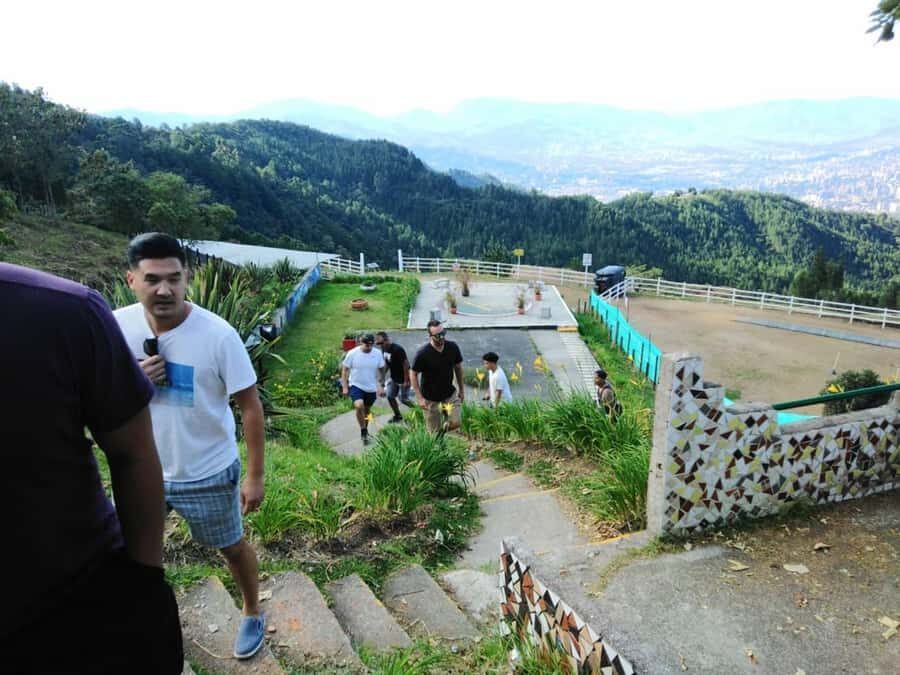
A lot of people come to Medellín and only think about the drug lord’s legend. Starting in El Poblado helps you do the opposite: you begin with the city’s attempt to process what happened and then you work your way outward to the places tied to Escobar’s rise and fall.
This opening also sets the tone. You’re not thrown into grim stops right away. Instead, you start at a remembrance-focused spot that pushes you to look at the story through the lens of memory, rebuilding, and public reflection.
Other Pablo Escobar history tours we've reviewed in Medellin


Parque de la Memoria and the Former Monaco Building
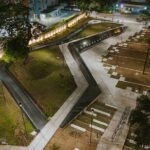
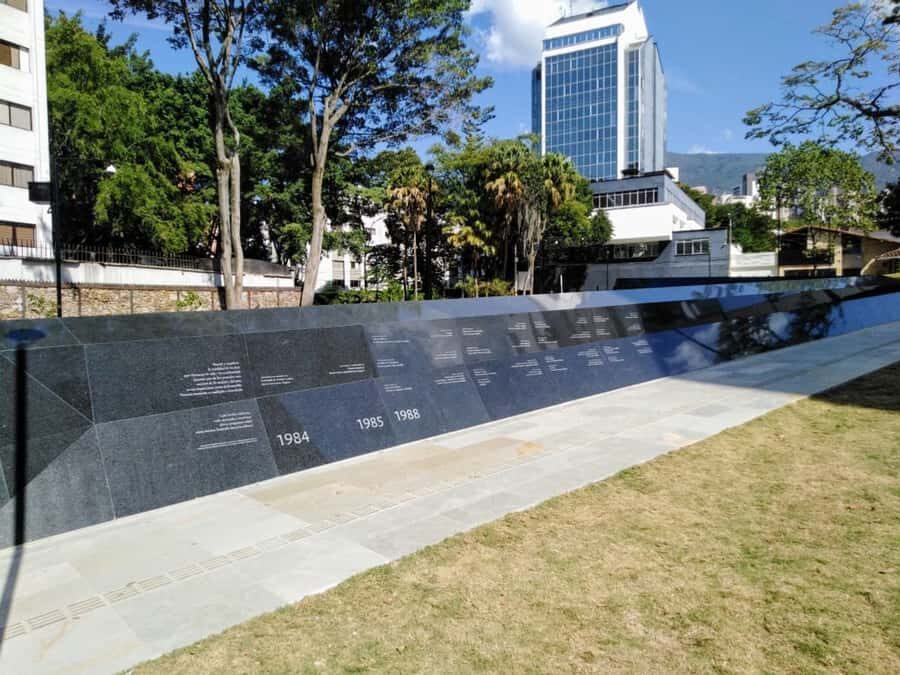
The tour kicks off with a visit to Parque de la Memoria, described as a renewed space built to reconstruct the area’s history through art and culture. This park sits on a former building known as Monaco, which was demolished on February 22, 2019, and that date matters because it signals how the city is actively reshaping its narrative.
Here’s why this stop is valuable: you get a reminder that Medellín isn’t stuck in the past. The goal isn’t to erase the story—it’s to reframe it, so the city isn’t known only for trafficking but also for how it learned to survive and speak back through culture.
Don’t expect this to feel like a sterile memorial. The emphasis on art and cultural reconstruction gives you a different kind of learning than a plaque-and-photo routine.
Barrio Pablo Escobar: Free Housing and the Tough Questions It Raises
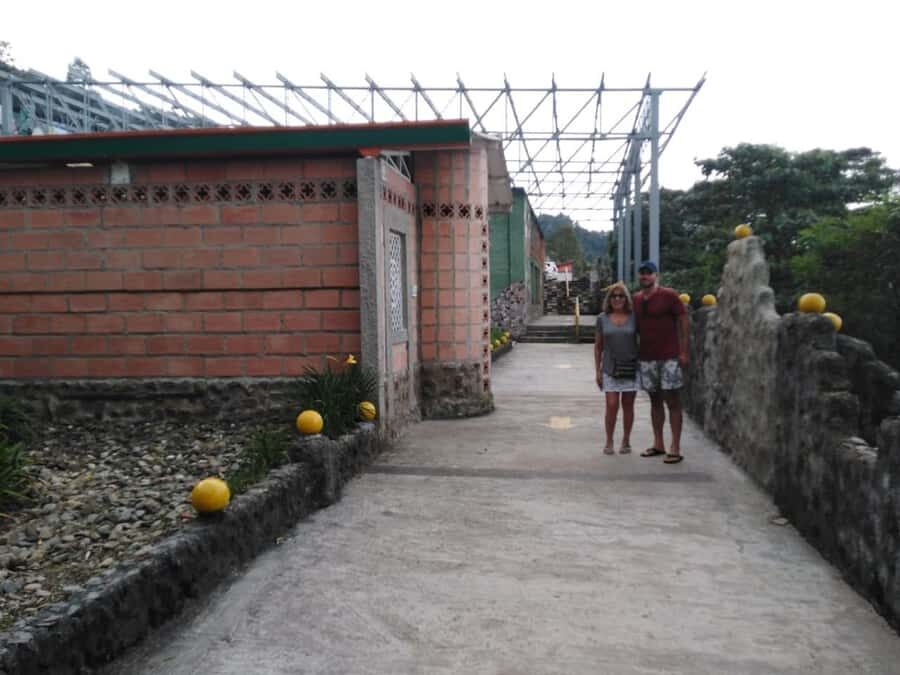
Next you head to the neighborhood known as Barrio Pablo Escobar. This is the area founded by Escobar where he offered free houses to the homeless and the poorest people in Medellín.
That sounds like a simple fact. It’s not. This stop forces you to hold two truths at once: people can receive help, and the person tied to that help can still be responsible for massive harm. A good guide helps you talk through the contradictions without turning it into an excuse or turning it into a cartoon villain story.
You’ll also notice how neighborhood history is written into everyday life. Even when you don’t see museum-style explanations, the place communicates something: what residents needed, what society tolerated, and how the city kept moving.
For me, the best moments here are when your guide ties past choices to Medellín’s later resilience—why people learned to rebuild, organize, and keep their identity even after violence disrupted daily life.
Escobar’s Grave and the Place He Was Killed
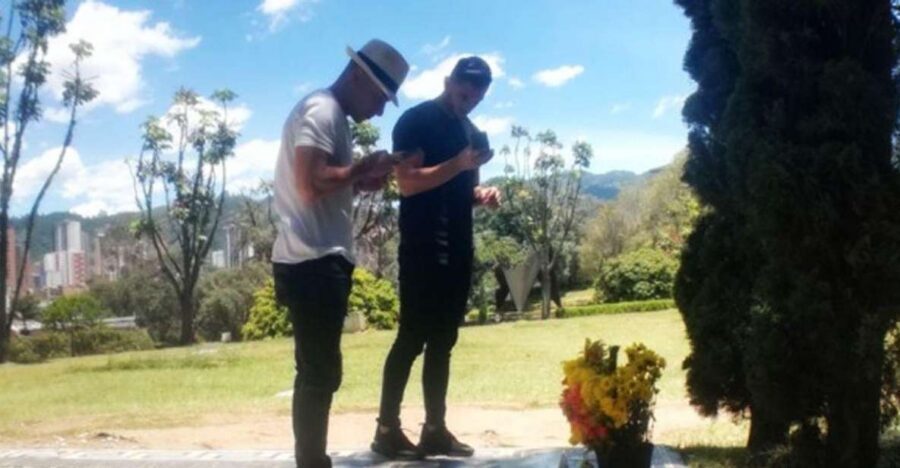
The tour heads west to the end point: the house where Escobar died, described as dilapidated. This is the part of the day that lands hardest emotionally, because it’s the end of the man, not just the myth.
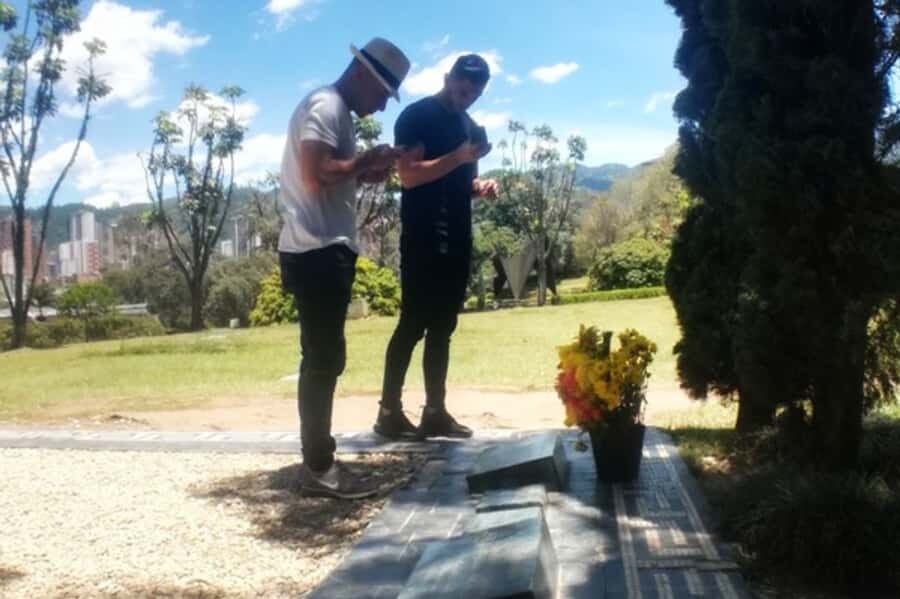
You’ll also visit Escobar’s grave, and the combination of these two locations helps you understand the full arc: the rise, the damage, and then the violent closing chapter. I like having both stops together, because one is about the aftermath and memory, and the other is about the physical, on-the-ground reality of how the story ended.
Important note: this is not a place for irony or sightseeing selfies. Keep your head in the story your guide is telling and you’ll get more out of the experience.
Optional Comuna 13: Graffiti as an Open-Air Lesson
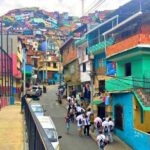
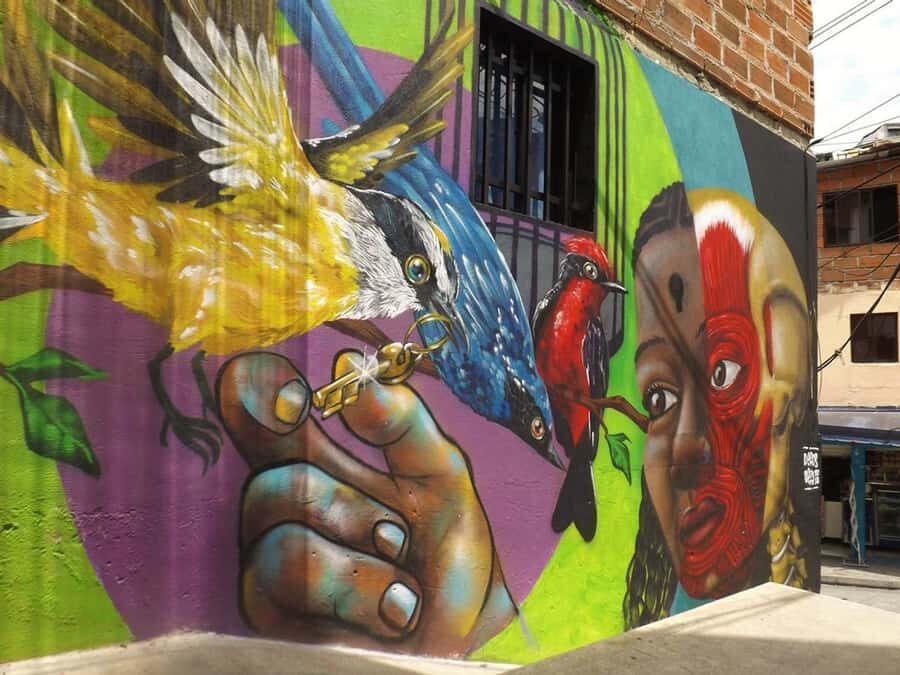
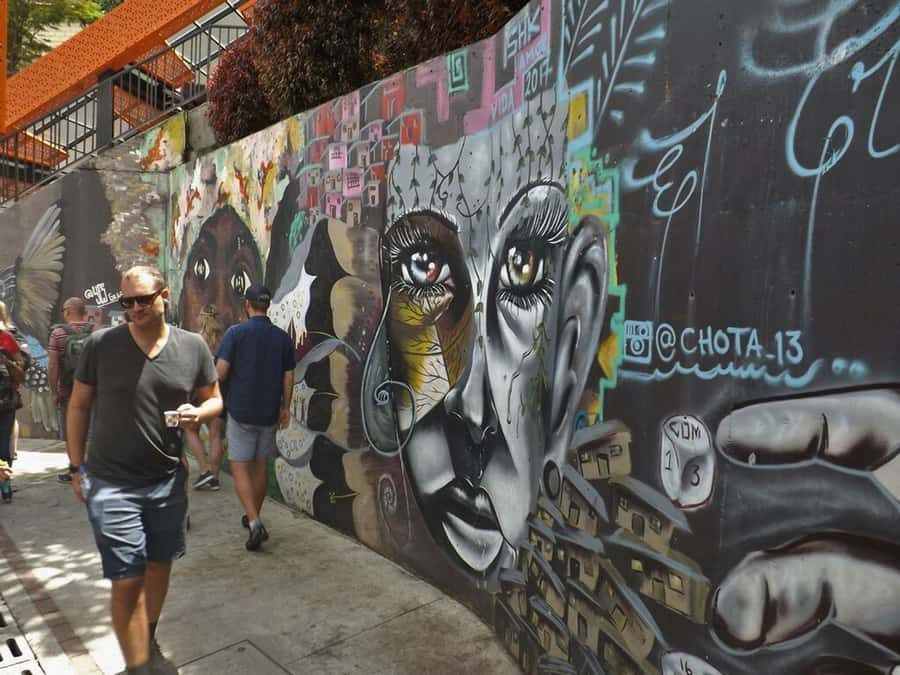
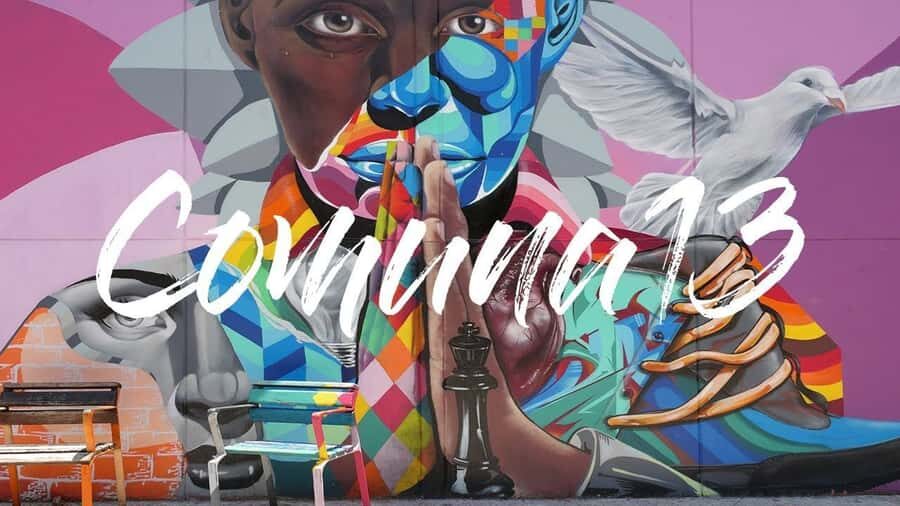
If you choose to add Comuna 13, you get a broader Medellín story than just Escobar. Comuna 13 is known for having a lot of graffiti and is described as the largest open-air gallery in Latin America, which tells you what to expect: walls that act like public communication.
Why add it? Because it helps you see how Medellín’s identity shifted. Instead of only focusing on the criminal chapter, you also see expression, reclaiming space, and the visual language people use to document what they survived.
Comuna 13 can also be a good reality check. If you came hoping for only “Escobar facts,” this stop reminds you that Medellín’s resilience didn’t start after the drug lord era ended—it was happening alongside the city’s constant pressure and change.
Other private tours in Medellin



A 4-Hour Private Tour That Doesn’t Feel Cramped
Four hours sounds short until you look at the geography. Medellín isn’t a tiny compact museum city, and the tour’s structure—private group, hotel pickup and drop-off in central Medellín, and a bilingual guide—helps you use your time without burning it on transit research.
You’ll typically be driven between points, with the guide explaining as you go and at each stop. Reviews highlight this “make it make sense” approach, and you can feel the difference when the day has a clean flow instead of a stop-start scramble.
This is also one of the perks of private: you can ask questions on the spot. If you’re the type who wants to understand how Medellín rebuilt, why certain neighborhoods developed their reputations, or how the city faced the legacy of the violence, a good guide can steer the conversation in the direction you care about.
Price and Value: Is $63 a Good Deal?
At $63 per person for 4 hours, this tour competes well in a market where many “history” experiences either cost more or don’t include the essentials.
Here’s what you’re actually paying for:
- Private guide service (not a crowded group format)
- Bilingual English/Spanish guidance
- Hotel pickup and drop-off in central Medellín
- Legal insurance included
- A route that targets multiple key locations tied to the Escobar story, with the option to include Comuna 13
Food and drinks are not included, so plan on buying water and any snacks you want. But that’s also a small plus: you can choose what fits your pace and preferences instead of being locked into someone else’s set break.
If your goal is to understand the story through place-based context—rather than reading about it later—this price usually feels fair.
Logistics You’ll Want to Know Before You Go
This tour is designed to be straightforward, but you still want to show up prepared.
Bring sunscreen and water, and wear comfortable clothes since you’ll be moving between areas. The day also includes hotel pickup in central Medellín, and if your hotel is outside the pickup zone, you’ll get a nearby meeting point.
If you use a wheelchair, the tour is listed as wheelchair accessible, which is a real quality-of-life factor when you’re choosing a private option.
One more scheduling note: La Catedral is closed on Mondays. If that stop is part of your day’s plan, your guide may adjust the route so you still get the important story beats.
Who This Tour Fits Best (and Who Should Skip It)
This is a strong match if you:
- Want a guided, bilingual way to understand Escobar’s impact on Medellín
- Like place-based history (memory sites, neighborhoods, and the locations tied to major events)
- Prefer a private format with room to ask questions
- Are adding Medellín to a Colombia trip and want a concentrated overview without spending all day in transit
It may be less ideal if you:
- Want museum-style exhibits and lots of indoor time
- Prefer a lighter tone (this is about painful and bloody history, even when told thoughtfully)
- Plan to treat it like a “dark tourist checklist” rather than a serious look at a community’s past
Should You Book This Private Pablo Escobar Tour?
If you want an honest, organized way to understand Escobar’s Medellín—starting with remembrance in El Poblado, moving through Barrio Pablo Escobar, and ending with the grave and the place he was killed—this tour is a practical choice. The private setup, hotel pickup in central areas, and the chance to include Comuna 13 make it one of the easiest ways to get a full picture in just 4 hours.
Book it if you’re ready to learn the complicated side of Medellín: the damage done, the city’s response, and how people found resilience where they could. Skip it only if you’re expecting a museum-heavy day or you want something less intense than confronting real history.
FAQ
How long is the Medellín private Pablo Escobar history tour?
It lasts 4 hours.
What’s the price per person?
The price is $63 per person.
Where does pickup happen?
There is hotel pickup and drop-off in central Medellín. If your hotel is outside the pickup zone, the closest meeting point will be provided.
Is this tour private?
Yes, it’s a private group.
What languages are available?
The guide is bilingual in English and Spanish.
What places are visited during the tour?
You’ll visit Parque de la Memoria in El Poblado, Barrio Pablo Escobar, Escobar’s grave, and the place where he was killed. You can also opt to include Comuna 13.
Are food and drinks included?
No. Foods and drinks are not included.
What should I bring?
Bring sunscreen, water, and comfortable clothes.
Is the tour wheelchair accessible and are there any special closure days?
It is listed as wheelchair accessible. La Catedral, the prison Escobar built for himself, is closed on Mondays.