REVIEW · MEDELLIN
Pablo and Comuna 13 with Cable Car
Book on Viator →Operated by city vibes tours · Bookable on Viator
Pablo and Comuna 13 tell two very different stories. This private, guide-led day connects the names people know with the neighborhoods Medellín actually built its future on. I like the just-your-party format (you’re not stuck with strangers’ pace) and the included Metrocable ride for city views that make the whole day click; a fair warning is that this is a heavy topic, so expect real talk about Medellín’s darker years, not a party tour.
You’ll be guided by professional drivers and storytellers—people like Jaime, Carlos, Jeimy, Danny, and Juan show up in the guide lineup—so the day comes with context, not just stops on a map. The itinerary is built around short, focused visits, so you can absorb a lot without feeling dragged. The tone many guides use is balanced, which matters when you’re learning about Pablo Escobar, Griselda Blanco, and how Comuna 13 changed.
If you’re the kind of traveler who wants more than Narcos-style trivia, this is a practical way to connect urban change, art, and living history in one route. Just remember: there’s no lunch included, and the Comuna 13 portion can run emotionally and visually intense.
In This Review
- Key Highlights Worth Marking
- Medellín’s Two-Track Story: Pablo’s Past and Comuna 13’s Future
- Private Guide Format: The Real Value of Paying $85
- Comuna 13 and the Electric Escalators: More Than Street Art
- Riding the Metrocable: A View You Can’t Replicate
- Los Olivos: The House Where Pablo Died
- Cementerio Jardines Montesacro: Graves and the Human Cost
- Inflexión Memorial Park: Why This Stop Changes the Tone
- Barrio Pablo Escobar: The Neighborhood Built for the Poor
- How the Route Stays Manageable in Real Medellín Traffic
- What’s Included (and What You’ll Plan For)
- Who This Tour Fits Best
- The Big Take: Balanced Storytelling Makes the Day Worth It
- Should You Book This Tour?
- FAQ
- How long is the Pablo Escobar and Comuna 13 with Cable Car tour?
- How much does the tour cost?
- Is this a private tour?
- What’s included in the price?
- What’s not included?
- Are tickets included for the stops?
- Is the tour easy for most people to join?
- Is free cancellation available?
- Is a service animal allowed?
Key Highlights Worth Marking
- Private tour for your party only, with flexible pacing and time to ask questions
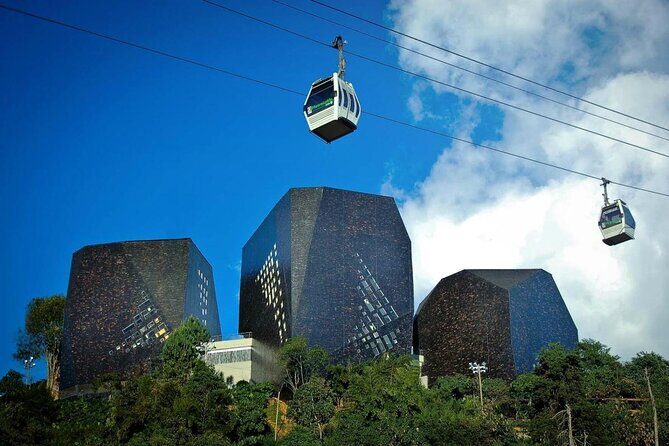
- Metrocable ride included, giving you a fast, scenic way to see Medellín from above
- Comuna 13 + electric escalators area, with guided commentary that explains what you’re seeing
- Major Pablo Escobar-related sites in a single loop, including cemetery and memorial stops
- A balanced presentation approach, aiming for context instead of glorification
- Bottled water included, and tickets are handled for most key stops
Medellín’s Two-Track Story: Pablo’s Past and Comuna 13’s Future
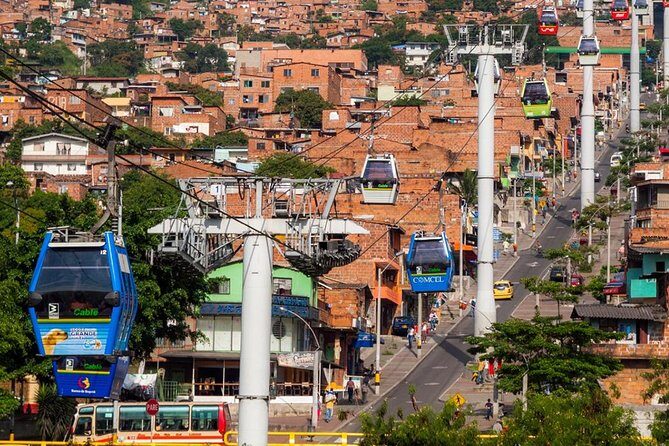
Medellín’s reputation has layers. This tour matches those layers on purpose: you start in Comuna 13’s story—graffiti, community change, and the geography of the hillside—then you move into sites tied to Pablo Escobar and the violence of the 1980s and 1990s. The point isn’t to shock you. It’s to help you connect why the city looks the way it does today.
What I’d call the “smart move” here is pairing the city’s reinvention with the people and locations at the center of its darkest era. When you ride the cable car and then see public spaces and memorials later, the day feels less like a history lecture and more like a walk through cause and effect.
You’ll also notice the tour’s structure is short stop after short stop. That matters in Medellín, where time can disappear under traffic. Keeping visits tight helps you see a lot without turning the day into a blur.
Other Comuna 13 graffiti tours we've reviewed in Medellin

Private Guide Format: The Real Value of Paying $85
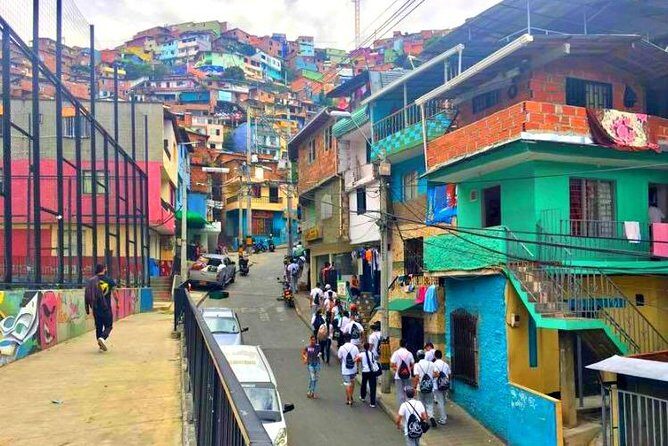
The price isn’t just for sightseeing. You’re paying for a private guide-led route that can adapt to your questions and your timing. At $85 per person for about 5 hours, the math works best when you value explanation and context—especially on topics like Pablo Escobar, where headlines usually simplify things.
This is billed as a private experience for your party only, and many guides in the lineup have a strong storytelling style. Reviews frequently mention drivers and guides like Jaime and Carlos setting a steady pace and staying respectful while talking about difficult material. Even when people asked for small timing changes, the experience aimed to accommodate.
Here’s the practical part for you: you’re not relying on crowded tours or trying to piece together connections between sites on your own. The guide does that linking—Comuna 13’s transformation, Pablo’s neighborhood footprint, and how memorial spaces frame what happened.
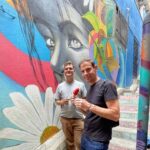
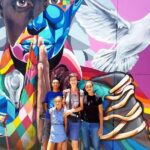
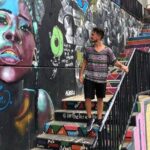
Comuna 13 and the Electric Escalators: More Than Street Art
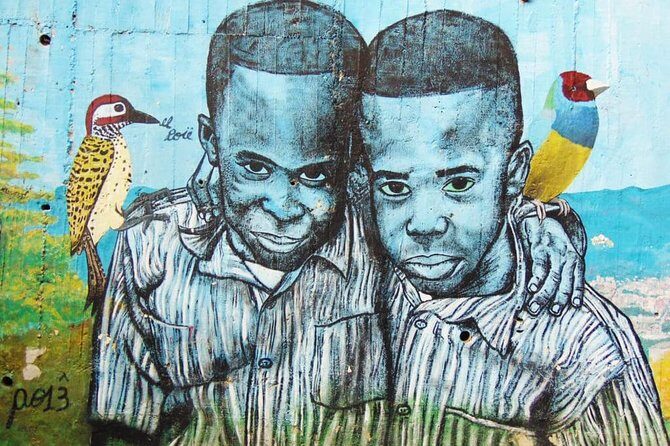
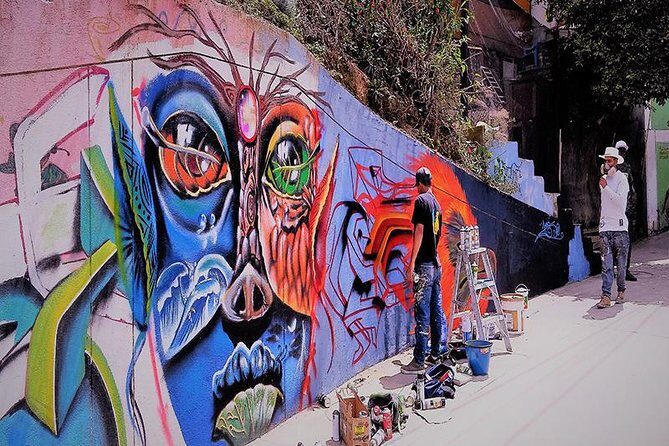
The first stop is Escaleras Electricas De La Comuna 13, with a Comuna 13-oriented guided experience. The focus is on going inside the comuna and seeing how the neighborhood works—visually through graffiti and physically through the hillside layouts that shaped daily life. Expect about 2 hours here.
Why this start works: Comuna 13 isn’t just a backdrop for the Pablo story. It’s its own living place, with a history and identity that existed before anyone famous showed up in the conversation. Starting here means you understand the neighborhood as more than “the place where things happened.”
Potential drawback to keep in mind: Comuna 13 is tied to real hardship. Even when the tour emphasizes resilience and community change, the commentary covers difficult periods. If you only want light, photo-only sightseeing, this section may feel emotionally heavy.
Riding the Metrocable: A View You Can’t Replicate
Next up is Medellín Metrocable, about 40 minutes, with the admission included. This is the “breathing space” of the itinerary—not long enough to feel like a break, but long enough to change how you see the city.
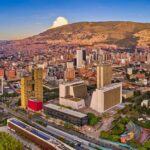
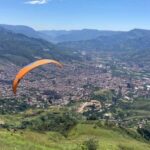
A cable car ride does two useful things for your brain. First, it gives you distance. From above, Medellín’s hills and neighborhoods make more sense, so the Comuna 13 setting stops feeling random. Second, it shows the role transportation can play in connecting areas that used to feel isolated.
The day’s pacing helps here too. You go from street-level commentary in Comuna 13 to a ride that gives city-scale context. It’s one of those travel moments that turns facts into something you can actually picture.
Los Olivos: The House Where Pablo Died
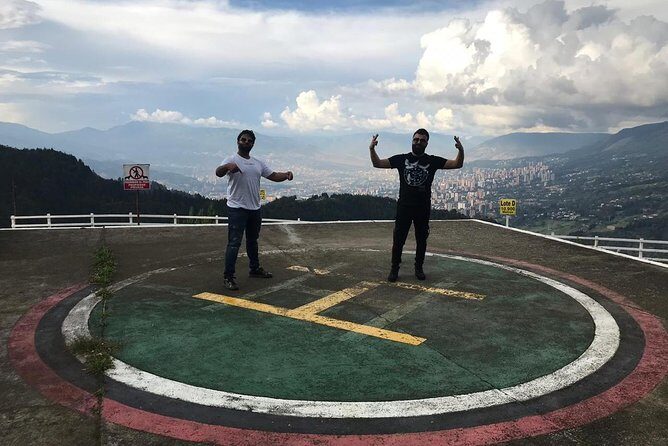
Stop three is Los Olivos Antioquia – Chocó, about 30 minutes, with admission free. This is described as the house where Pablo died.
This kind of stop can be jarring, but it also anchors the day in a specific location. Instead of talking about the era in abstract terms, you’re seeing a point on the timeline. The guide commentary typically helps place what you’re seeing into a broader Medellín context.
A good way to approach this section is to treat it as history with consequences, not a movie set. Many guides in this lineup are careful about tone and avoid turning the subject into spectacle. That restraint makes the rest of the tour—cemetery and memorial park—hit harder in a thoughtful way.
Other Pablo Escobar history tours we've reviewed in Medellin



Cementerio Jardines Montesacro: Graves and the Human Cost
Stop four is Cementerio Jardines Montesacro, about 30 minutes, with admission free. This visit includes Pablo Escobar’s grave and Griselda Blanco’s grave.
Cemeteries can feel like a strange place to start sightseeing, but that’s exactly why it matters. Violence doesn’t end when the headlines stop. It shows up in the final resting places and in the way families and cities carry memory.
Be ready for a respectful, reflective tone. Also note: this stop has a “two-name” focus. Seeing both graves reinforces that the tour isn’t only chasing one celebrity figure—it’s aiming at the broader story of the cartel era and its ripple effects.
Inflexión Memorial Park: Why This Stop Changes the Tone
The fifth stop is Inflexión Memorial Park for about 20 minutes, also with admission free. It’s built in honor of victims of Pablo, and it references that the family’s building was in the area in the past.
This is where the day often shifts from “what happened” to “what remains.” Memorial spaces are meant to hold facts, grief, and public accountability in one place. If you want to understand how Medellín processes its past, this is one of the most important short stops on the route.
Even if you don’t personally connect to memorial design, the framing matters. It makes the tour feel less like a trail through famous sites and more like an education in how a city remembers.
Barrio Pablo Escobar: The Neighborhood Built for the Poor
The final stop is Barrio Pablo Escobar, about 30 minutes, with admission included. The description is specific: you’ll see the neighborhood Pablo built and donated to poor people in the early 80s, plus a room full of pictures from that time.
This is the stop that tends to confuse people at first, and that’s why it’s valuable. A balanced guide approach helps here: you’re not being asked to ignore harm or pretend it didn’t happen. Instead, you’re shown how a person’s actions could exist in the same era alongside suffering—and how cities handled the complex legacies afterward.
If you’re hoping for a straight-up “good guy/bad guy” storyline, you won’t get that simplicity. Several guides are praised for staying neutral and letting you form your own judgment by the end of the day.
Practical note: this is a shorter visit, so treat it like a highlight reel of the neighborhood’s story rather than an extended exploration.
How the Route Stays Manageable in Real Medellín Traffic
The tour is about 5 hours, and that time window matters because Medellín traffic can change fast. What helps is the itinerary’s design: six stops, many under 30 minutes, plus two major anchors—Comuna 13 and the cable car ride. You get a lot of content without spending the day sitting in transit.
Also, because it’s private, your guide can adjust the flow. Reviews mention flexibility when travelers asked for short delays, and that kind of adjustment can save your whole day when plans shift. If your schedule is tight, this private setup is a practical advantage.
One more detail you’ll care about: bottled water is included. Lunch is not. So if you want a full day of energy, plan to eat before or after the tour. Alcoholic beverages are also not included.
What’s Included (and What You’ll Plan For)
Included in the experience:
- All fees and taxes
- Bottled water
- Cable car ride (Metrocable admission included)
- Admission included for Barrio Pablo Escobar
- Other stops listed as free admission (Escaleras Electricas De La Comuna 13, Los Olivos, Cementerio Jardines Montesacro, Inflexión Memorial Park)
Not included:
- Lunch
- Alcoholic beverages
This matters for value. With many stops having free admission and two key admissions handled, you’re not spending extra time figuring out tickets. You also avoid that annoying budgeting moment where you realize the “cheap” tour quickly becomes a ticket hunt.
Who This Tour Fits Best
You’ll probably love this if:
- You want a guided, story-driven day that connects Medellín transformation to Pablo Escobar’s era
- You like Comuna 13 as more than graffiti and want its history explained
- You’re comfortable with the topic being serious and real
You might want to skip it (or consider a lighter option) if:
- You want an all-happy, photo-only day
- You prefer broad sightseeing without touching cartel-era sites and memorials
- You get overwhelmed by cemetery and memorial content
It’s also described as suitable for most travelers, and service animals are allowed. That’s helpful if your group needs specific accommodations.
The Big Take: Balanced Storytelling Makes the Day Worth It
A key theme that shows up again and again is how guides handle neutrality. People often highlight unbiased framing, respect, and a clear ability to explain how Medellín moved forward.
That’s not a small detail. When you’re learning about Pablo Escobar and Comuna 13, guides who present facts with care change the whole experience. You leave with more than a list of locations. You leave with a sense of how Medellín tells the story now—through transportation, public art, and memorial spaces.
And the Metrocable ride makes it physical. You don’t just read about connection. You experience it.
Should You Book This Tour?
Book it if you want a single, efficient day that links Comuna 13’s transformation with the sites tied to Pablo Escobar and the victims. The private format, included cable car ride, and strong guide storytelling make the $85 price feel like paying for meaning, not just transport.
Skip it if you’re seeking a casual “see-and-go” day. This route includes cemetery and memorial content, and the commentary covers difficult years. If you’re okay with that—and you want context—this is one of the more purposeful ways to understand Medellín in a short window.
FAQ
How long is the Pablo Escobar and Comuna 13 with Cable Car tour?
It runs about 5 hours.
How much does the tour cost?
The price is $85.00 per person.
Is this a private tour?
Yes. It’s a private tour/activity for your party only.
What’s included in the price?
Included are all fees and taxes, bottled water, and the cable car ride. Admission is also included for Barrio Pablo Escobar.
What’s not included?
Lunch and alcoholic beverages are not included.
Are tickets included for the stops?
Admission is included for Medellín Metrocable and Barrio Pablo Escobar. Other listed stops are described as free admission.
Is the tour easy for most people to join?
Most travelers can participate.
Is free cancellation available?
Yes. You can cancel up to 24 hours in advance for a full refund.
Is a service animal allowed?
Yes, service animals are allowed.