REVIEW · MEDELLIN
Medellín: Electric Bike Tour, Centre, Point of Sale and Comuna 13
Book on Viator →Operated by Tom Travel Guide · Bookable on Viator
Electric bikes make Medellín feel instantly friendly. You glide from the tree-lined streets of Laureles into the city center, then finish with a serious, human tour of Comuna 13 and its street art and resilience. I love how the electric bike route keeps things smooth, with an easy pace that still lets you see real neighborhoods. One caution: you should feel comfortable riding a bike, since it is not a good fit for first-timers.
What really lifts this tour is the mix: city planning, local markets, and public art, all led by a local expert guide. In particular, guides like Carlos or Santiago can explain the area in clear English and tie the history to what you’re actually seeing. You also get practical extras like bottled water, rainwear, and special coffee so you’re not scrambling for basics mid-day.
In This Review
- Key highlights at a glance
- Laureles to the City: How the Electric Bike Changes the Day
- Parques del Río: Urban Planning You Can Walk Through
- Plaza Minorista: Where Paisa Market Life Really Shows
- Plaza Botero and the 15-Question Quiz That Makes Art Make Sense
- La Playa Avenue and Junín: Street Vendor Energy You Can Hear
- Comuna 13 on Foot: Graffiti, Resilience, and Respect
- Price and Value: What $98.26 Gets You in Real Life
- How the Timing Works (and How to Make It Easier on Yourself)
- Who This Tour Fits Best
- Should You Book This Medellín Electric Bike + Comuna 13 Tour?
- FAQ
- How long is the tour?
- How much does it cost?
- Where does the tour start?
- Is lunch included?
- What’s included in the price?
- Is it okay if I’ve never ridden a bike?
- What’s the group size?
Key highlights at a glance
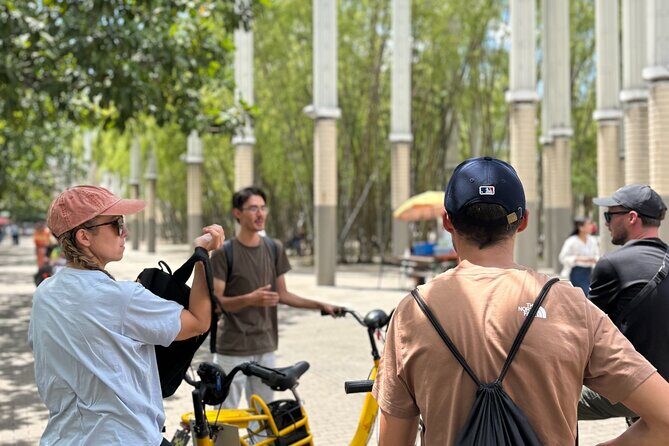
- Laureles, the Time Out cool-zone: a calmer, leafy start with an easy rhythm before the more intense parts
- Parques del Río: an urban green strip that’s as much about meeting people as taking photos
- Plaza Minorista culture: lively market energy and local flavors tied to Colombian cooking
- Plaza Botero quick quiz: fun way to understand the center’s statues and stories
- Comuna 13 on foot: graffiti as a community tool, with careful context about what happened there
Laureles to the City: How the Electric Bike Changes the Day
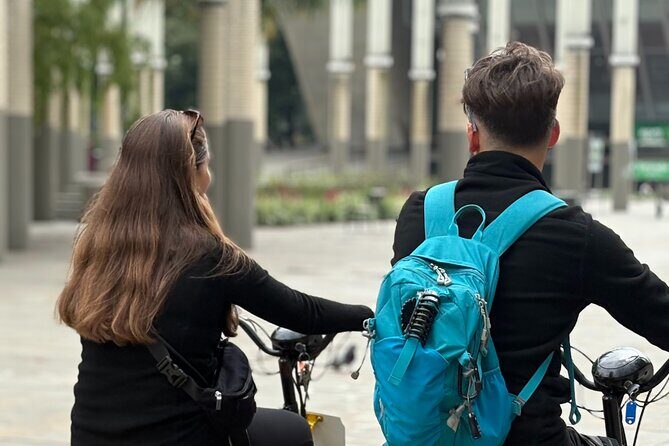
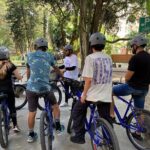
You start in Laureles, near the Estadio area, where the streets feel more “neighborhood” than “tour bus.” This matters because Medellín can be hilly and spread out, and an electric bike lets you cover ground without turning the day into a workout contest. The route also keeps you moving with fewer stops for repositioning, so you spend time actually looking at things.
Laureles is the kind of place where you can sense the local vibe quickly: tree-lined streets, steady foot traffic, and lots of everyday life. Time Out flagged Laureles as one of the most cool districts in the world back in 2023, and this tour gives you a good reason why. It’s a friendly opening act before you switch gears to markets and then head into Comuna 13.
The tour runs about 6 hours 30 minutes, starting at 9:30 am, and it ends back near the meeting point. The group is capped at 9 people, which is big enough for energy and small enough that your guide can keep an eye on the pace and comfort level. That small group size can be the difference between a loud rush and a day where you actually notice details.
Other Comuna 13 graffiti tours we've reviewed in Medellin


Parques del Río: Urban Planning You Can Walk Through

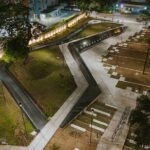
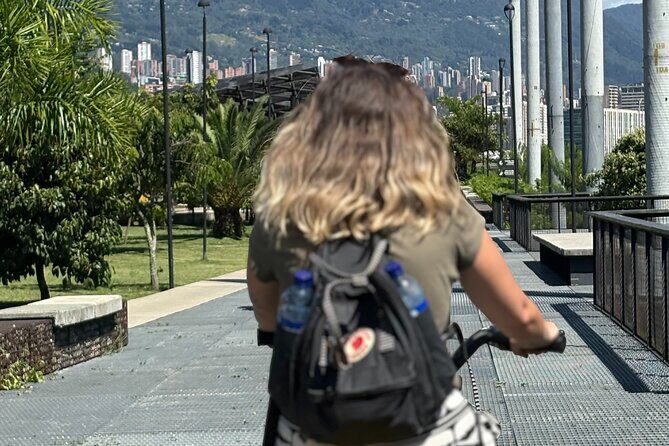
One of the first real “wow” moments is Parques del Río. It is an example of innovative urban planning that connects areas across Medellín through a green, social space. In plain terms: it’s not just a pretty park. It’s a public meeting place, built to encourage cohesion between residents and their environment.
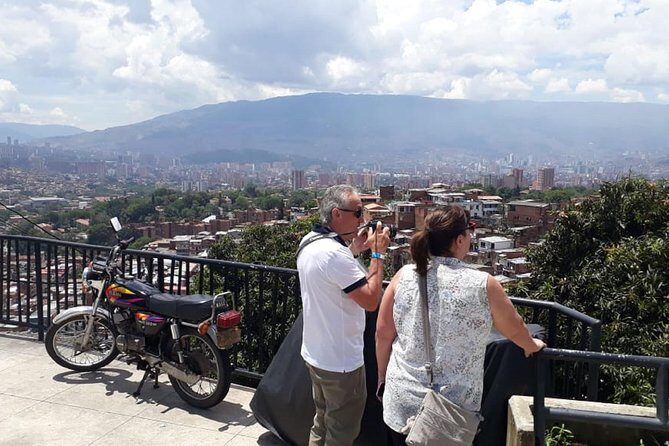
You cross this east-west border by biking through the Parques del Río corridor, and the atmosphere shifts quickly. The pace becomes calmer. It’s the kind of place where you can pause for photos without feeling like you’re interrupting traffic or racing a schedule. Even if you’re not a park person, the design is interesting because it shows how Medellín uses space to stitch neighborhoods together.
Practical tip: bring your camera and take a few minutes even if the rest of the day feels packed. Parques del Río is a good reset, and it helps you get perspective before you step into busier streets and louder markets.
Plaza Minorista: Where Paisa Market Life Really Shows
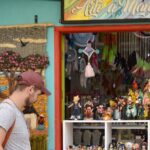
Then you swing into the heart of local culture at Plaza Minorista, one of Medellín’s famous markets. By bike you arrive close to the action, and you step into the world of the pregoneros, the paisa market traders who negotiate, joke, and chat with shoppers. This isn’t quiet shopping. It’s market theater, with rhythm, banter, and plenty of personality.
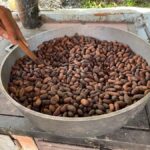
What I like here is that the tour doesn’t treat the market like a checklist of foods. You get context for what you’re seeing: fruits, vegetables, spices, and the Colombian terroir that shapes flavors. There’s also a nice food-culture connection tied to Leonor Espinosa, a Colombian chef known for winning best chef in the world in 2022. The guide links ingredients from places like this to what end up in high-level Colombian cooking.
One drawback to plan around: markets can be sensory overload, especially for people who don’t enjoy noise or crowded aisles. If you’re sensitive to loud environments, you can still enjoy the sights by sticking close to your guide and keeping your pace relaxed.
If you want the most out of this stop, look at how people speak and bargain, not just what’s on display. That’s where Medellín’s daily life shows up.
Plaza Botero and the 15-Question Quiz That Makes Art Make Sense

After the market, you transition into the center at Plaza Botero, and the vibe changes from food aromas to art and symbolism. You keep biking until you reach the plaza, then spend a short, focused time there with a quiz. It’s 15 questions, and it’s designed to help you notice details you might otherwise walk past.
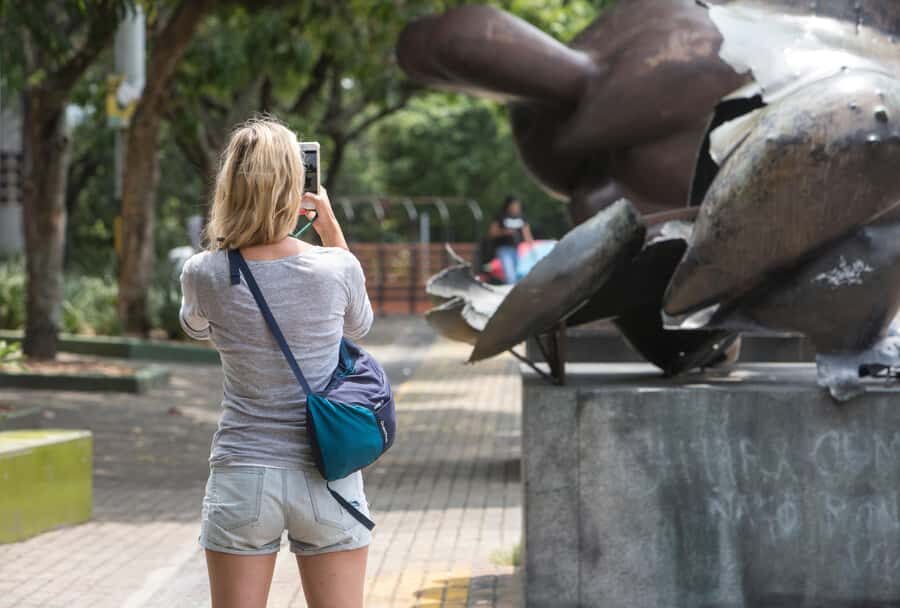
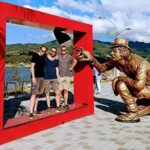
The statues by Master Botero are the centerpiece, and the quiz format helps the meaning stick. You learn stories and anecdotes about the city center, including why those monuments exist and what they’re trying to communicate. It’s a smart way to turn “I’ve seen a statue” into “I understand why it’s here and what it’s saying.”
This stop is also a good break rhythm-wise. You go from moving around intensely in a market to a calmer setting where you can take your time. If your legs are feeling it, this is a moment where you can sit or linger and still feel like you’re participating.
La Playa Avenue and Junín: Street Vendor Energy You Can Hear
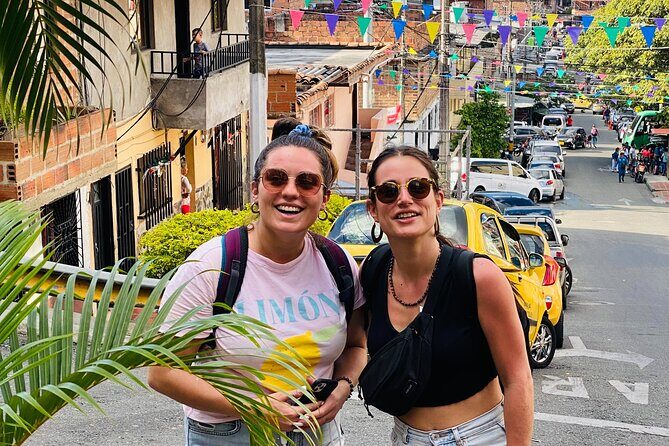
Next you walk along La Playa Avenue, where it intersects with Junín, and the experience turns street-level again. This is where you feel the city’s constant motion: street vendors filling the sidewalks with products, plus the scents that drift out from what they’re selling. And yes, the singing. It’s part of the soundscape, and it gives the whole area a sense of momentum.
This is a good stop for anyone who likes travel that feels lived-in, not staged. The tour timing also helps. You’re not arriving at the earliest chaos of the morning, but you’re still there while the streets are active. That balance makes it easier to watch without feeling trapped in crowds.
A practical note: this is a walking segment, and it can involve uneven sidewalk areas depending on the exact route. Wear comfortable shoes. You’re on a bike earlier, but your feet will do their own share of work here.
Other electric and city bike tours in Medellin



Comuna 13 on Foot: Graffiti, Resilience, and Respect
The last part of the tour is the one people remember most: Comuna 13. After biking, you leave the electric bikes and go on foot through the alleys. This matters because Comuna 13 isn’t the kind of place where you can truly understand it from a bike lane or behind a window view. You need to walk the narrow spaces where murals and community stories live.
Comuna 13 today is known as a symbol of peace and resilience. Once considered one of the most dangerous neighborhoods in the world, it was shaped by displacement from rural areas and years of conflict. The area’s past involved armed clashes and massacres tied to groups including FARC, drug traffickers, paramilitaries, and military forces, all fighting for control of the territory.
That context is handled on purpose. This tour isn’t just about taking photos of graffiti. You hear stories of people rebuilding their neighborhood and using urban art as a tool for transformation. You also talk about community leaders who helped drive change, and you feel how the neighborhood’s creative energy shows up through rappers, painters, and dancers.
One important consideration: Comuna 13 deserves a respectful mindset. Keep your voice calm, follow your guide’s pace, and treat the art and stories as part of real community life. It’s not a theme park. It’s a place where creativity became a form of survival and pride.
The upside? The payoff is big. The alleys make the murals feel personal instead of decorative. You walk away with a stronger sense of why Medellín’s creativity isn’t just style. It’s also meaning.
Price and Value: What $98.26 Gets You in Real Life
At $98.26 per person, this tour sits in the midrange, but the value comes from what’s included. You get use of a bicycle, a helmet, and bottled water. You also get coffee and/or tea, including special coffee that’s rated +86 points, which is a nice touch for a morning that can otherwise turn into a caffeine chase.
The guide is local-expert, and the day includes the graffiti-focused part in Comuna 13. Rainwear is also provided, which is not glamorous, but it’s smart. Medellín weather can shift, and having rain gear on hand keeps you from cutting the day short.
Other costs are optional rather than mandatory. Lunch is optional, and there’s also an exotic fruit tasting option. That structure is good if you like control over your food budget. If you’d rather eat what the market offers or pick something near your schedule, you can.
Also, admission tickets at key stops are free per the tour info. So your money stays tied to the experience, not gate fees.
If you’re deciding between renting a bike on your own or taking a guided route, the guide is the real value. A local expert helps connect places into a story, and that makes the day feel cohesive instead of just a series of photos.
How the Timing Works (and How to Make It Easier on Yourself)

This is a 9:30 am start with about 6 hours 30 minutes total time. That length is long enough to see a lot, but short enough that you’re not facing an exhausting all-day endurance test. Still, it’s a day with both biking and walking, and Comuna 13 is the part that takes mental energy, not just physical energy.
Plan to arrive early so you can get your helmet, fit on the bike, and feel comfortable before you roll. If you’re unsure about handling an electric bike, don’t improvise. Get your questions answered before the ride starts. The tour notes that it is not recommended for people who have never ridden a bike.
Comfort also helps you enjoy the scenery. When you’re relaxed, you watch more: market voices, the design of public spaces, and the stories behind monuments.
If you’re traveling with teenagers, this tour can work well. One review specifically praised the day as fun adventure, with riding that was mostly on bike lanes and an easy bike experience. Even if you’re not with teens, you’ll probably appreciate that the day moves at a pace that keeps people engaged without feeling frantic.
Who This Tour Fits Best
This tour fits you if you want a balanced Medellín day: neighborhood feel in Laureles, real local culture in the market, quick context for the city center, and a serious final chapter in Comuna 13.
You’ll likely enjoy it most if you:
- can ride a bike comfortably, since you’ll be biking most of the route
- want an organized route rather than figuring out transfers on your own
- like guides who connect everyday places with history and meaning
It may not be the best choice if you:
- have never ridden a bike before and don’t want to learn mid-trip
- strongly dislike crowded, noisy market areas
- prefer to skip heavier history and focus only on sightseeing
Should You Book This Medellín Electric Bike + Comuna 13 Tour?
I’d book this tour if you want one itinerary that hits three different Medellín moods in a single day, without wasting time. The electric bike makes the distances manageable, and you still get meaningful walking time where it counts in Comuna 13. The included extras like coffee, water, helmets, and rainwear remove small hassles that add up on a half-day outing.
Skip it if you’re a total bike beginner or you know you won’t enjoy the mix of market energy and deeper historical context. Otherwise, this is a strong choice for travelers who want their photos to come with context, not just pixels.
FAQ
How long is the tour?
It runs about 6 hours 30 minutes.
How much does it cost?
The price is $98.26 per person.
Where does the tour start?
It starts at Cl 44A #70 – 79, Laureles – Estadio, Medellín.
Is lunch included?
Lunch is not included, but you can add it if you want.
What’s included in the price?
You get a bicycle, a helmet, bottled water, coffee and/or tea, a local-expert guide, the Comuna 13 graffiti tour, and rainwear.
Is it okay if I’ve never ridden a bike?
The tour notes it is not recommended for people who have never ridden a bike.
What’s the group size?
The group is limited to a maximum of 9 travelers.