REVIEW · MEDELLIN
Medellín: Pablo Escobar Jail Private Tour
Book on GetYourGuide →Operated by Medellin Travels · Bookable on GetYourGuide
Pablo Escobar’s story hits hard in Medellín. This private 4-hour tour links the myths to real locations, from the cartoonish-to-terrifying idea of his self-designed prison to the last places tied to his death. I especially like the nuanced framing—you get the facts and the chaos without turning it into a fan club.
Second, I like that the route is built around specific stops that explain how power worked: the Cali vs Medellín rivalry at the Monaco building ruins, and the emotional ending at the last house where Escobar lived and died. The only caution: this is heavy, disturbing subject matter, so it can feel emotionally rough if you’re sensitive to violence and victim stories.
In This Review
- Key highlights worth your time
- Medellín’s Escobar sites: why this private tour format works
- Price, pickup, and time: is $135 worth it?
- Your guide matters: Carlos and Sara’s clarity and professionalism
- Monaco Building ruins and the Cali vs Medellín cartel rivalry
- Escobar’s self-designed prison: control, ego, and cruelty in one place
- Where violence turned inward: the site of murders of associates
- Escobar’s rise and the numbers people cite: wealth and the debt claim
- The last house where he lived and died: how the story ends
- What to expect from a 4-hour private run
- Practical tips for visiting narco sites in Medellín
- Should you book the Medellín Pablo Escobar Jail Private Tour?
- FAQ
- How long is the tour?
- Is this a private tour?
- What’s included in the price?
- What isn’t included?
- Which languages are available for the live guide?
- Where does hotel pickup happen?
- Is the tour wheelchair accessible?
- What should I bring?
- Are there any restrictions on alcohol or drugs?
- How does the cancellation and payment flexibility work?
Key highlights worth your time
- Monaco Building ruins: see where the Cali vs Medellín cartel rivalry kicked off
- Escobar’s self-designed prison: understand the mix of wealth, ego, and control
- Sites tied to internal killings: learn what happened when associates turned on each other
- Last house where he lived and died: follow Escobar’s final chapter in Medellín
- Private format with hotel pickup: smoother timing for a 4-hour window
- Guide quality on Q&A: Carlos and Sara are repeatedly praised for clarity and professionalism
Medellín’s Escobar sites: why this private tour format works
If you come to Medellín expecting a simple narco museum experience, you’ll be disappointed. This tour is built around the places where the story happened, so the scale of it feels real fast—money, fear, propaganda, and revenge all packed into a few blocks and buildings.
I like the private structure because it gives the guide room to answer your questions and adjust the pace. In a group tour, you can miss the part that matters most: why people became loyal, why others hated him, and how political and social pressure shaped everything.
One more thing you’ll appreciate: the emphasis stays on explaining the timeline and the relationships, including the rivalry between the Cali and Medellín cartels. That context makes the stops far more than photo ops.
Other Pablo Escobar history tours we've reviewed in Medellin


Price, pickup, and time: is $135 worth it?
At $135 per person for a 4-hour private tour, you’re paying for three practical things: a live guide, hotel pickup and drop-off, and a route that’s focused enough to cover the key sites without dragging. If you’re splitting costs with a small group, the value gets even better because the tour stays private.
It also helps that the guide language options are English and Spanish. You’re not guessing what you’re looking at. You’re getting direct interpretation on the ground—especially important with Escobar sites, where the context can change how you feel about nearly everything you see.
The one trade-off: food and drinks aren’t included. So you’ll want to plan around it—either grab a snack before you go or eat after. For a topic this intense, having a calm, timed meal later can help you digest what you saw.
Your guide matters: Carlos and Sara’s clarity and professionalism
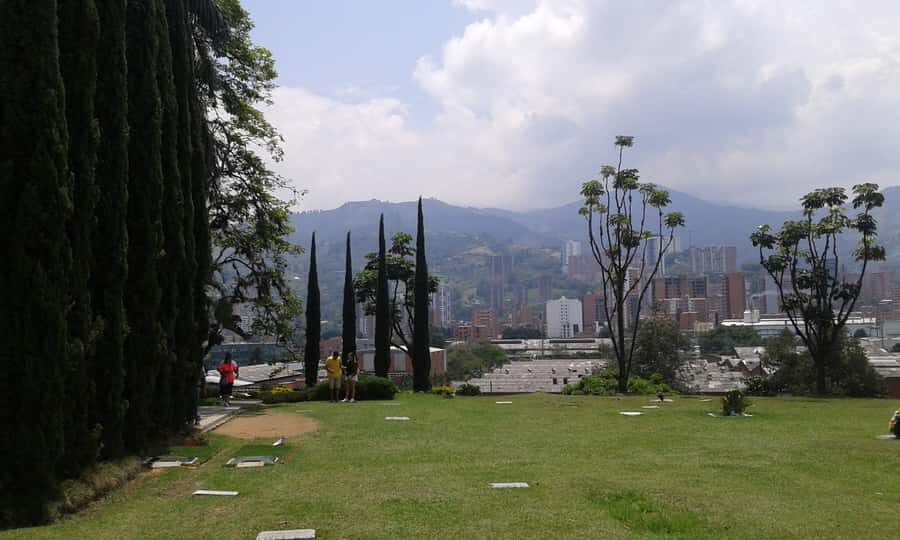
The biggest praise in the reviews is guide quality. Carlos, in particular, gets high marks for being knowledgeable, answering questions, and going out of his way to fix a real-life problem—returning an item left in his vehicle. That kind of care makes the day feel smoother, even when the subject matter is grim.
There’s also strong positive feedback about Sara, with notes about punctuality and professionalism, plus the sense that she enjoyed explaining things in detail. When you’re standing at locations connected to violence and betrayal, good explanations keep you from feeling lost or rushed.
In this tour, the guide role isn’t just narration. The guide helps you connect the dots between Escobar’s rise, how people viewed him differently, and why the rivalry between cartels mattered so much to Medellín’s streets and power structure.
Monaco Building ruins and the Cali vs Medellín cartel rivalry
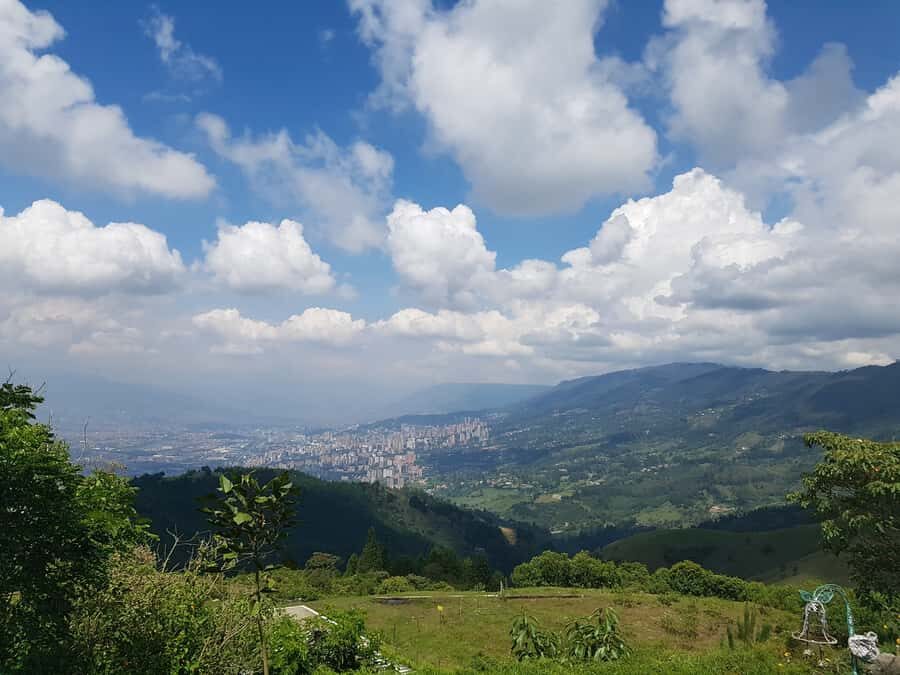
One of the most useful stops is the Monaco building ruins, tied to the point where the war between the Cali and Medellín cartels started. Even if you know the basics, this kind of location-based storytelling helps you understand the rivalry as a practical struggle for territory, influence, and leverage—not just names and headlines.
What I like about anchoring the conflict to a place is that it gives the story physical scale. Cartel rivalry is often described as abstract, but seeing a ruined structure connected to the “when and where” makes the conflict feel closer to daily life and decisions people had to make.
Expect the guide to connect this rivalry to the broader arc of Escobar’s life: how power shifted, how loyalty worked, and how quickly a local business-style mindset could turn into systematic terror. It’s not comfortable, but it’s clearer.
Escobar’s self-designed prison: control, ego, and cruelty in one place
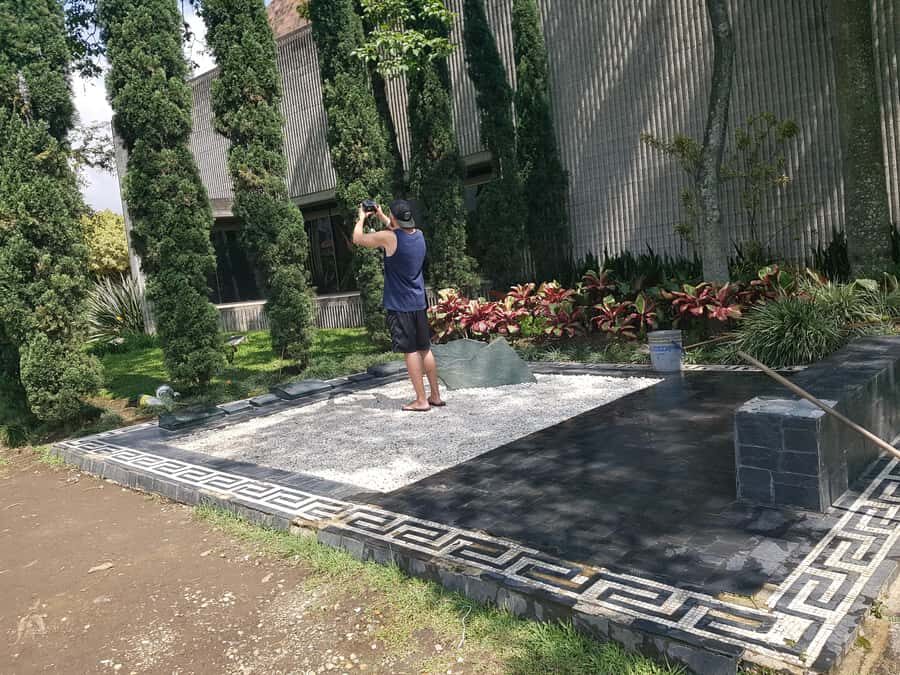
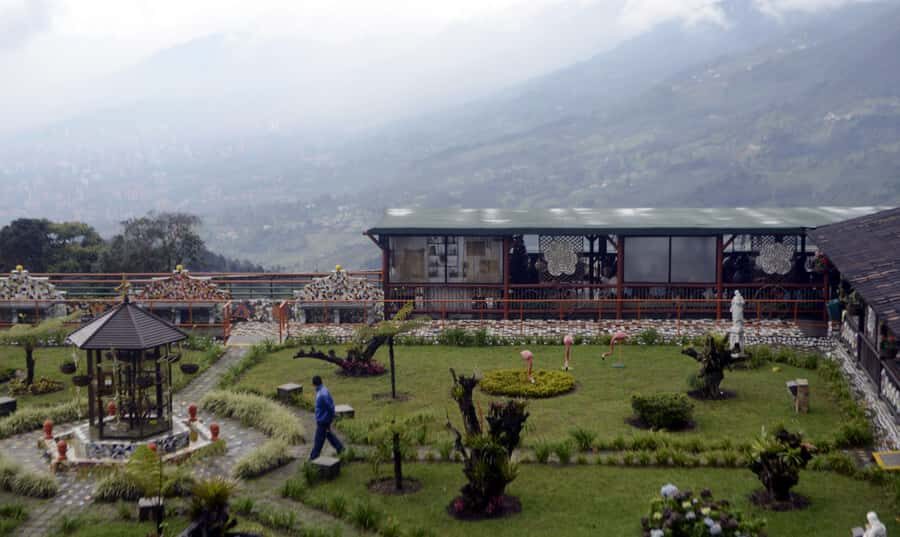
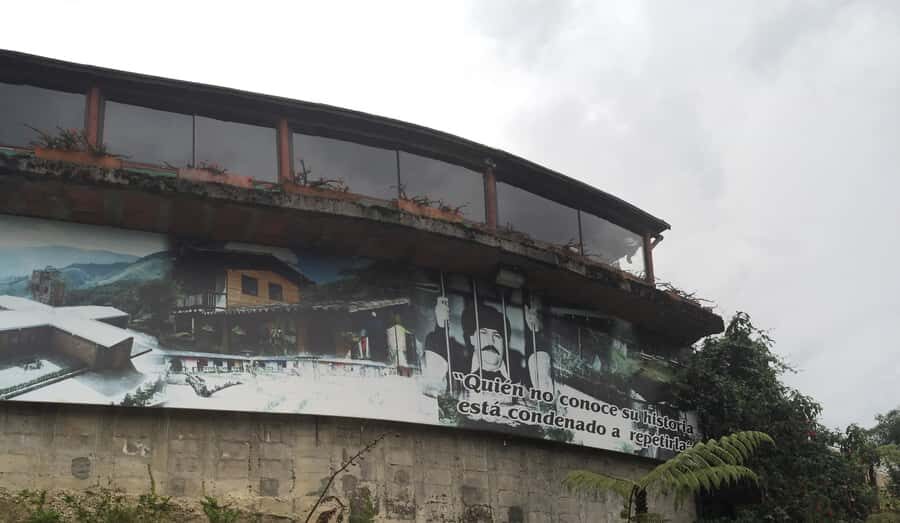
The tour’s emotional engine is the visit to Escobar’s self-designed prison. This is the stop that forces you to confront a shocking contrast: extreme wealth and extreme violence sharing the same story.
The value here is in how the guide explains the concept and what it represented. Escobar wasn’t just hiding; he was shaping a narrative. He designed a space that reflected his image—rich enough to feel absurd, strict enough to be real control.
You’ll likely come away with a sharper sense of how he could be revered by some people while hated by others. That split matters. It’s part of why the story became so sticky for Colombia—because it wasn’t only criminal acts. It was also political messaging and a public relationship built on fear and selective admiration.
Other private tours in Medellin





Where violence turned inward: the site of murders of associates
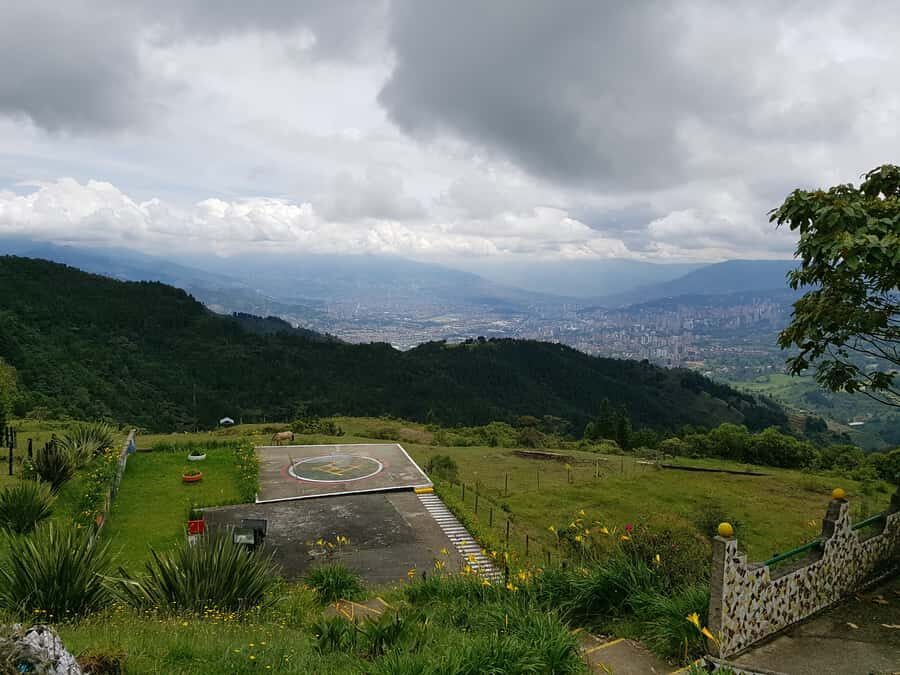
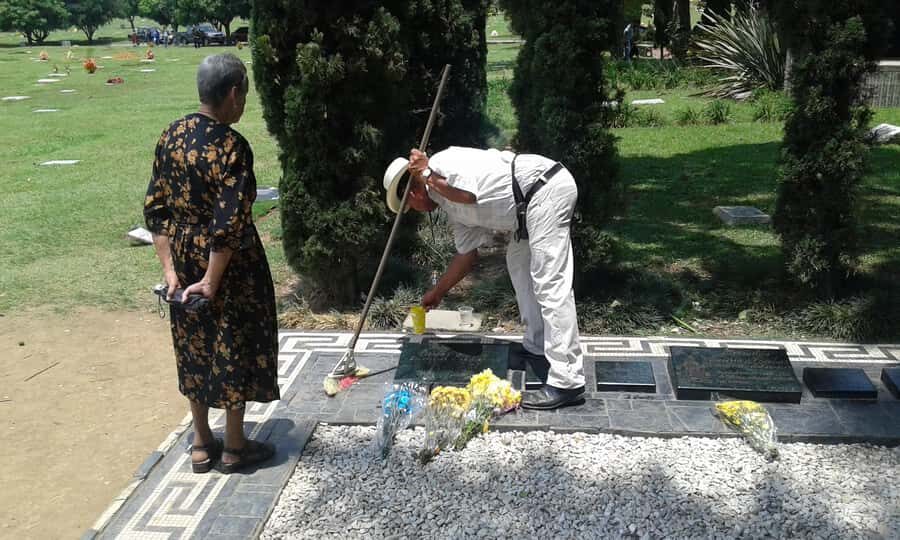
Another intense stop is the site where Escobar murdered several of his own associates. This is the part of the story that can feel stomach-churning because it breaks the simplest version of the myth.
The practical takeaway is this: cartel power often depends on internal control, and internal betrayal can be punished brutally. A guide who keeps it factual (without glamor) helps you see the mechanism rather than just the spectacle.
I appreciate tours like this when they don’t turn the violence into entertainment. The best guides treat it like what it is: a chain of decisions with real victims behind them. You may still feel unsettled, but you’ll understand more than you’ll remember as a single shocking scene.
Escobar’s rise and the numbers people cite: wealth and the debt claim
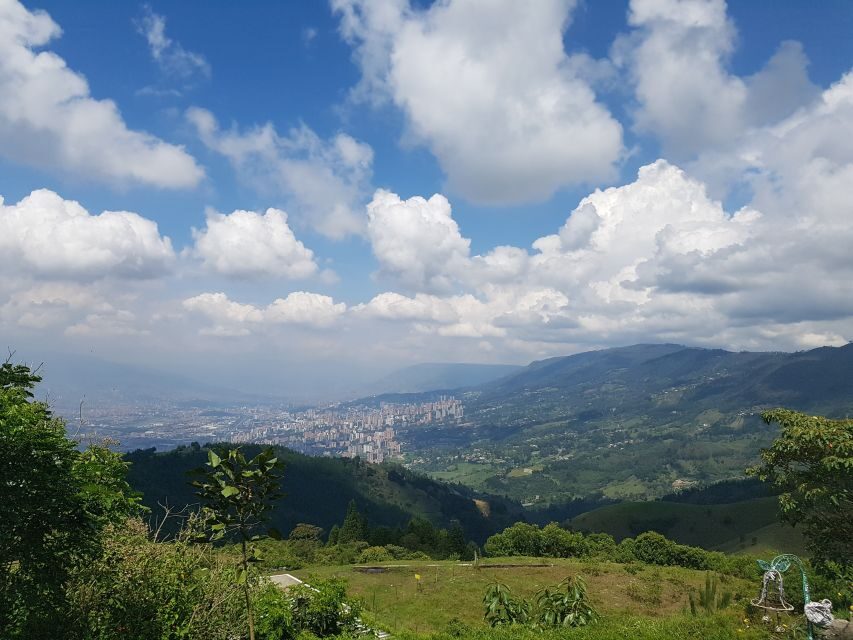
As you move through the sites, you’ll hear how Escobar went from being a common car thief to someone so rich he reportedly offered to pay Colombia’s debt of 13 billion dollars. Whether you already know the number, the guide’s job is to connect it to the bigger point: the way money can create influence, and influence can distort people’s view of justice.
This is also where you get the emotional rollercoaster effect described in the tour overview. You’ll hear about how he could be revered by some and targeted with hatred by others—especially by politicians and the families of thousands of victims.
Why does this matter for your visit? Because it changes how you look at the locations. If you only focus on the buildings, the story stays “cool” or “crazy.” If you focus on the human impact, the same buildings become proof that power can leave wreckage behind.
The last house where he lived and died: how the story ends
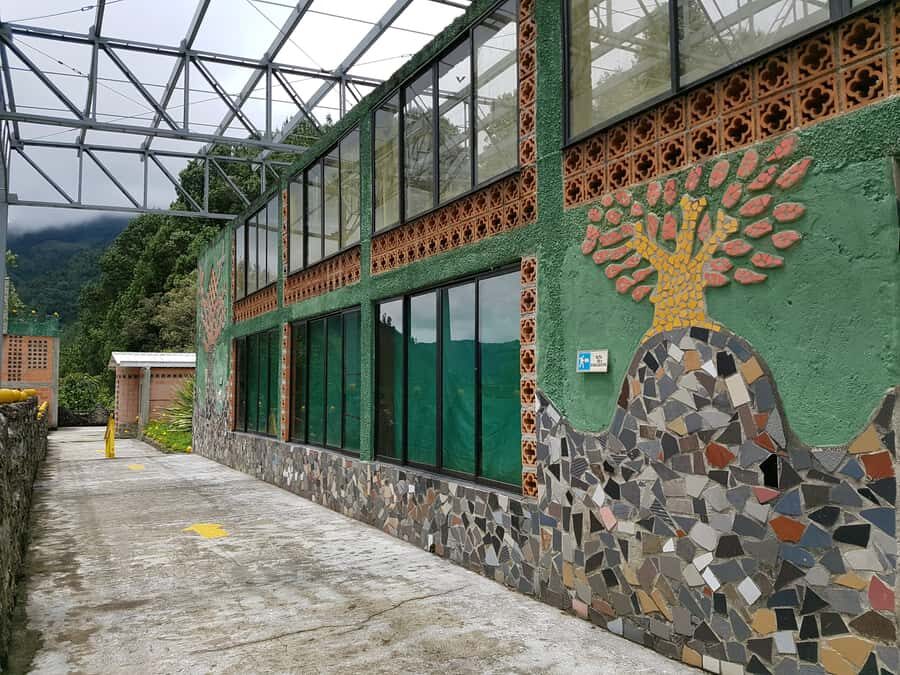
The final big stop is Escobar’s last house—where he lived and where he was killed. This is where the tour shifts from “how he built power” to “how it ended,” and that shift is important if you want the full lesson rather than a highlight reel.
The setting is likely to feel quieter than you expect, which can make it more unsettling. The point isn’t the scenery; it’s the contrast between myth and outcome. Escobar offered spectacle and control for years, and the end is still framed by violence and consequences.
If you’re the type of traveler who likes your history with moral clarity, you’ll appreciate the way the guide connects the final days to the broader chain of events. You’re not just seeing a location. You’re seeing the last page of a story that started with theft and grew into a political and social crisis.
What to expect from a 4-hour private run
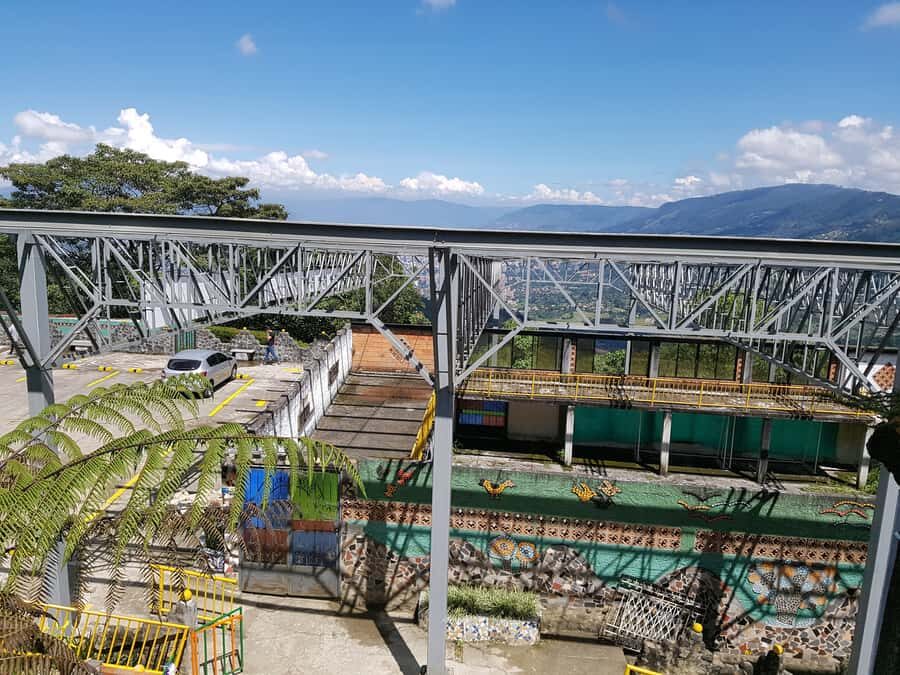
This is a tight timeline. In four hours, the tour has to cover the rise, the cartel rivalry, the prison concept, the violence tied to associates, and the ending at the last house.
So expect a brisk but not chaotic pace. Because it’s private, you can ask questions without holding up a big bus group. Also, it’s designed to be emotionally heavy without feeling like you’re stuck in a lecture the whole time. The guide uses each stop to explain what came before and what it meant after.
The tour is wheelchair accessible, and it’s run as a private group. That usually means fewer distractions and less waiting, which is a win for a tour with stops that feel intense even at close range.
Practical tips for visiting narco sites in Medellín
Bring a passport or ID card. You’ll want it on hand because the tour requires it for the experience.
Wear comfortable shoes. You’ll be outside and moving between locations, and you don’t want foot pain competing with a topic that’s already emotionally intense.
Also, plan your energy. No alcohol and no drugs are allowed, and that’s a good call for a tour like this. You’ll want a clear head to take in the story responsibly.
Food and drinks aren’t included, so either eat earlier or save a meal for after. When the tour ends, you’ll likely want normal life time—coffee, a walk, and a chance to let the details settle.
If you’re staying in El Poblado or Laureles, pickup is possible from hotels. If you’re elsewhere, you’ll need to contact the local operator after booking to confirm the meeting point.
Should you book the Medellín Pablo Escobar Jail Private Tour?
Book it if you want a focused, private way to understand Pablo Escobar’s life through real locations, with a live guide who can handle the heavy details and keep the story balanced. The strongest reason to choose this tour is the guide quality—Carlos and Sara are highlighted for professionalism, clear explanations, and solid Q&A.
Skip it (or at least rethink timing) if you know you don’t handle violent historical subjects well. This isn’t glorified entertainment, and that’s a plus, but it still centers on murders, cruelty, and victim pain.
If you’re on the fence, do this: pair it with a lighter plan afterward. Medellín has plenty of life beyond narco history. Let the tour teach you the hard parts, then give yourself a break so the day ends on your terms.
FAQ
How long is the tour?
It runs for 4 hours.
Is this a private tour?
Yes. It’s a private group experience.
What’s included in the price?
You get a guide, hotel pickup and drop-off, and the private tour itself.
What isn’t included?
Food and drinks aren’t included, and there’s no lunch provided.
Which languages are available for the live guide?
The guide is available in Spanish and English.
Where does hotel pickup happen?
Pickup is possible from hotels in El Poblado and Laureles. If you’re staying somewhere else, you’ll need to contact the local operator after booking for meeting point details.
Is the tour wheelchair accessible?
Yes, it’s listed as wheelchair accessible.
What should I bring?
Bring a passport or an ID card.
Are there any restrictions on alcohol or drugs?
Alcohol and drugs aren’t allowed.
How does the cancellation and payment flexibility work?
You can cancel up to 24 hours in advance for a full refund, and there’s a reserve now & pay later option.