REVIEW · MEDELLIN
Medellin: The Best Coffee Tasting Experience
Book on GetYourGuide →Operated by Coffeedenciales · Bookable on GetYourGuide
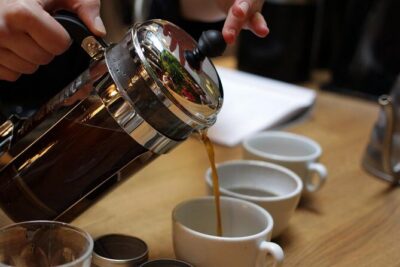
Coffee gets serious in Medellín. This is a fun, interactive coffee tasting led by Javier, where you compare Colombian cups using a professional sensory protocol in a private space near Parque Lleras. It’s the kind of class that makes coffee stop being a mystery and start being something you can actually taste and explain.
I also like that the session is structured but not stiff, and you get plenty of room to share what you’re noticing. The only real drawback: it’s not a casual hang with free drinks; it’s a focused workshop, with no alcohol allowed, and punctuality matters so the whole group experience flows.
In This Review
- Quick Highlights You’ll Feel in the Cup
- Medellín Coffee Tasting That Teaches You What to Taste
- Marquee Hotel by Parque Lleras: A Practical Starting Point
- The 90 Minutes: What the Session Really Looks Like
- 1) Welcome drink and a quick setup
- 2) Production standards and process in plain language
- 3) Sensory protocol: rate coffees like a pro
- 4) Extraction basics using Colombian samples
- 5) Fragrance, aroma, body, and aftertaste
- 6) Low vs high quality, then your own conclusions
- 7) Finish with a short brewing class and recommendations
- Tasting Like a Scientist (Without Losing the Fun)
- What You Gain for Future Coffee in Medellín and at Home
- Price and Value: Is $50 Reasonable?
- Who This Works Best For (And Who Might Skip)
- Tips to Make Your Tasting Day Easier
- Should You Book This Medellín Coffee Tasting?
- FAQ
- Where is the meeting point for the Medellín coffee tasting?
- How long is the coffee tasting experience?
- Is the session taught in English?
- What is the group size?
- What’s included in the price?
- What should I bring, and what is not allowed?
Quick Highlights You’ll Feel in the Cup
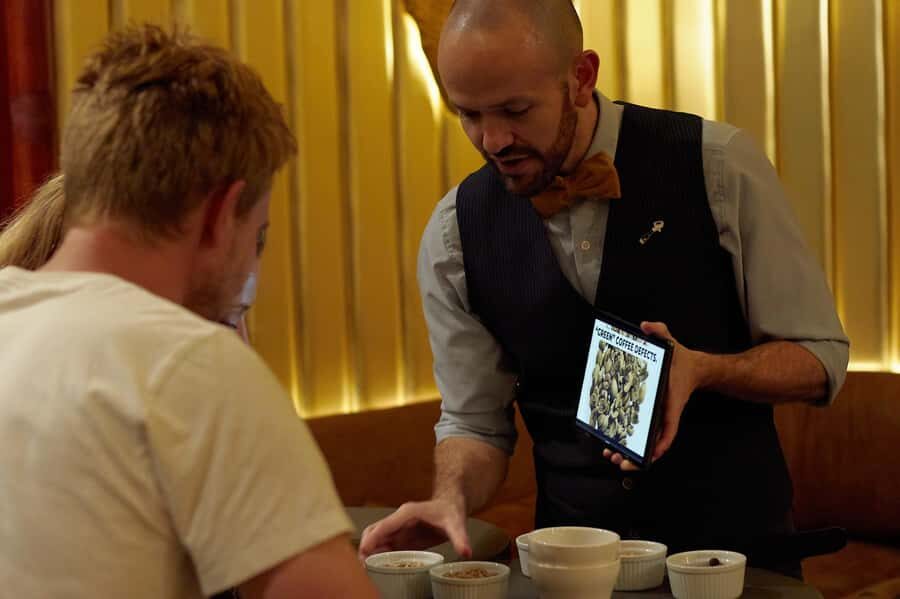
- Javier’s myth-busting teaching style turns coffee opinions into real flavor clues you can recognize
- Professional sensory scoring so you taste with intention, not just vibes
- A calm private space at Marquee Hotel so you can focus even if Parque Lleras is busy outside
- Smells, aroma, body, and aftertaste explained in plain language that sticks
- Short brewing class at the end with practical ideas for what to try next at home
- Small group size (max 10) that keeps the conversation going
Medellín Coffee Tasting That Teaches You What to Taste
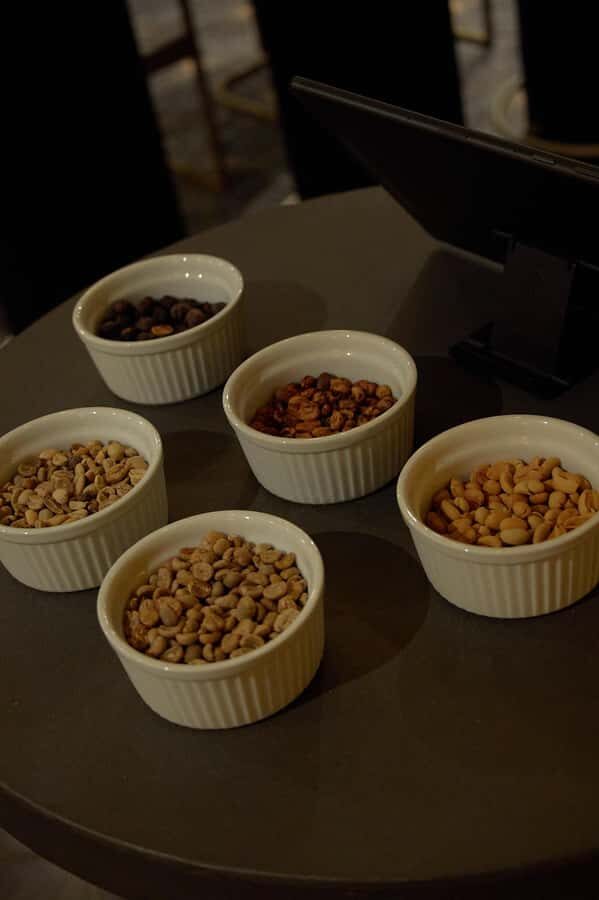
If you like coffee, you already know the basics: it’s bean + water + time. What you might not know is why two cups can feel totally different—same country, same day, different result.
That’s where this Medellín coffee tasting earns its keep. Javier guides you through what makes a cup taste good (and what makes it miss the mark), using a tasting process that feels almost like a game: you rate coffees, you compare them, then you connect those scores to real sensory words like aroma, body, and aftertaste. You end up with more than a new favorite drink. You get a reusable way to evaluate any coffee you buy next.
I also like how the class doesn’t talk down to you. You’re not forced into jargon. You’re guided into noticing. That’s especially helpful if you’ve tried coffee farm tours in the past—this gives you a different lens, closer to what’s happening in the cup.
Other food & drink experiences in Medellin
Marquee Hotel by Parque Lleras: A Practical Starting Point
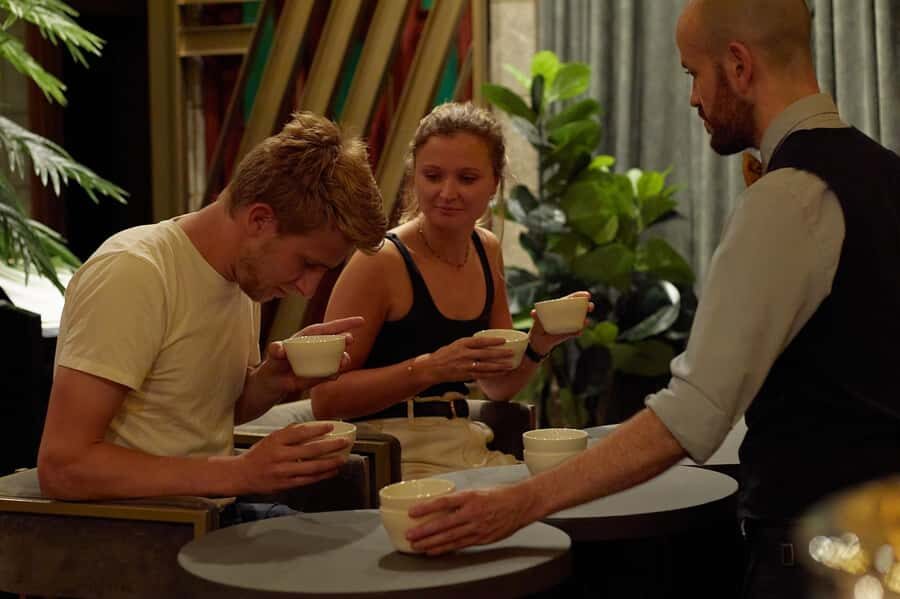
The meeting point is Marquee Hotel, Parque Lleras. This matters more than it sounds. Parque Lleras is convenient for getting oriented in Medellín, but it can also be loud. Starting at a hotel gives you a clean, easy-to-find base and a comfortable place to focus once you’re inside.
One nice perk is that you have access to the restaurant and rooftop bars as part of the experience. That means you can treat the tasting like a high-signal coffee lesson, then keep the evening going nearby without scrambling for a plan right after.
The location also fits the way this workshop is designed: it’s 90 minutes long, small-group paced, and built around one calm area where you can concentrate on smells and flavor.
The 90 Minutes: What the Session Really Looks Like
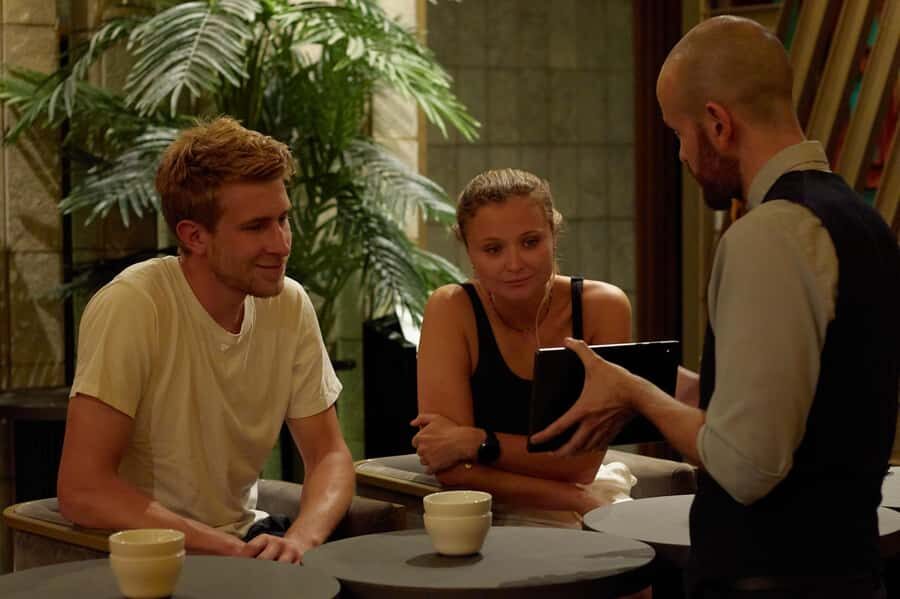
This is a 90-minute activity, limited to small groups of up to 10 participants. In practice, that small size changes everything. You’re not just tasting and waiting your turn—you’re talking. You’re comparing. You’re learning by doing.
Here’s the flow you can expect, step by step:
1) Welcome drink and a quick setup
You start with a free coffee welcome drink. It’s not only a nice courtesy; it also helps you get your brain into tasting mode early. Before you start comparing different coffees, you’re already holding a cup and paying attention.
2) Production standards and process in plain language
Then Javier gives a short introduction to high-quality coffee production standards and processes. You’re not getting a textbook lecture. You’re getting the key ideas that explain why the coffee in your cup exists the way it does—so when you taste differences, they don’t feel random.
This is also where the class turns into a little bit of Colombia context. One of the best things about this experience is that it’s taught by a Colombian expert who can share perspective on the industry and what “good” really means locally, not just for tourists.
A few more Medellin tours and experiences worth a look


3) Sensory protocol: rate coffees like a pro
Next you use a professional coffee sensory protocol to rate several coffees. You’re not only sipping and guessing. You’re scoring and comparing.
This is one of the most praised parts of the experience for a reason. It gives structure to tasting. After this, you’ll have a clearer way to describe what you like—rather than just saying it tastes good or it’s too bitter.
4) Extraction basics using Colombian samples
After that comes the fun practical part: learning the basics of coffee extraction. In coffee terms, extraction is how water pulls flavor from the grounds. If you’ve ever wondered why some coffee tastes harsh, watery, or flat, this section helps you connect those results to what’s going on in the cup.
You taste some of the best Colombian samples and practice noticing how those flavors shift.
5) Fragrance, aroma, body, and aftertaste
Then you build the language of taste. Javier helps you understand fragrance, aroma, body, and aftertaste—and how each one affects what you enjoy.
This is where coffee stops being one flavor and becomes a whole set of clues. Smell gives you early hints. Body tells you how it feels. Aftertaste is what lingers once the sip is gone.
If you’ve ever wondered why your favorite coffee tastes different from one café to the next, these sensory words are the map.
6) Low vs high quality, then your own conclusions
You also learn to appreciate the difference between low and high-quality coffee. You’ll see that quality isn’t only about being expensive. It’s about balance, clarity, and how the flavors show up.
The best part: you’re encouraged to make your own observations. The teaching approach isn’t about forcing a “correct” answer. It’s about helping you find your answer with better tools.
7) Finish with a short brewing class and recommendations
The experience ends with a short coffee-brewing class and recommendations for what to look for next. You’ll walk away with ideas you can actually use at home, not just memories of good coffee.
And since you’re in Medellín, you’re also given recommendations for the best coffee shops in town and other coffee activities nearby—useful if you want to turn one lesson into a whole coffee-focused itinerary.
Tasting Like a Scientist (Without Losing the Fun)
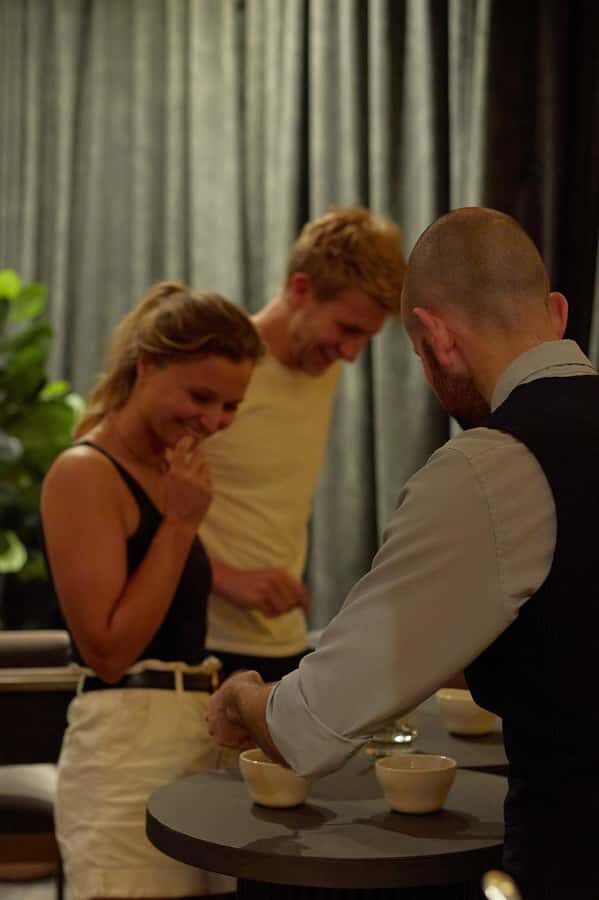
One of the surprises of this class is how “serious” it can feel while still staying light. You’re using a sensory protocol, sure. But the vibe is interactive.
That matters because coffee tasting is partly skill and partly personality. Everyone’s palate is different. People like brighter coffees. Some people love heavier, fuller cups. Some people want smooth and easy. This experience lets you talk about what you enjoy, then helps you explain why.
I like that Javier’s teaching style creates space for your own opinions instead of steamrolling them. You taste, you score, you compare, then you refine your taste words. It’s closer to guided practice than a performance.
If you enjoy puzzles, you’ll probably have fun here. You’re basically training your nose and palate to spot patterns fast.
What You Gain for Future Coffee in Medellín and at Home
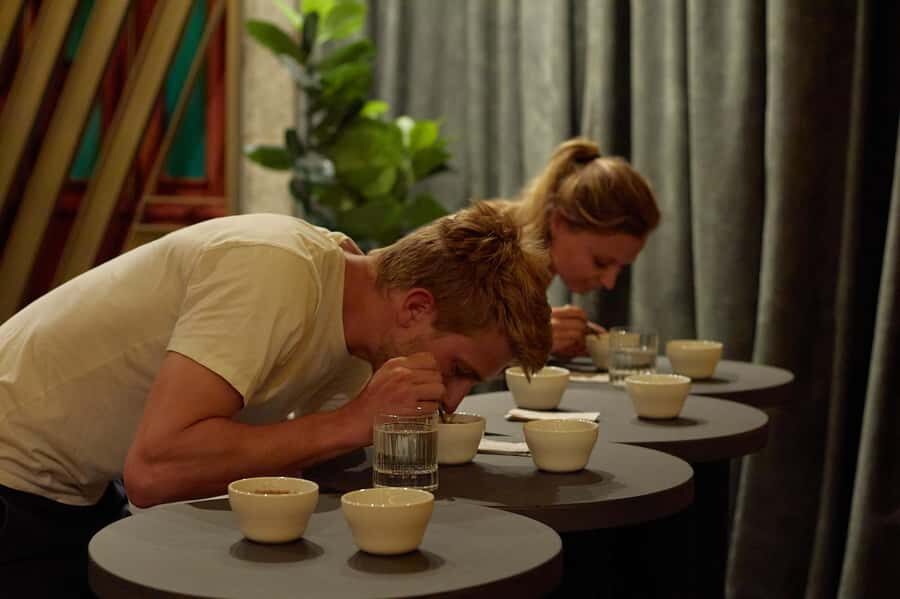
The practical value of a coffee tasting isn’t the one-time event. It’s what you can do after.
After this 90-minute workshop, you should be able to:
- Pick up on aroma and aftertaste differences more reliably
- Notice how body changes coffee perception, not just taste
- Understand the basics of extraction so you don’t blame your taste buds for everything
- Shop smarter for beans and roasts using sensory language, not guesswork
And the brewing segment helps connect what you learned to real-world choices. Even if you don’t have a perfect setup at home, the class gives direction on what to try next based on what you liked during tasting.
Price and Value: Is $50 Reasonable?
At $50 per person for about 90 minutes, this isn’t a budget “sip and smile” activity. But it’s also not priced like a private fine-dining tasting with endless courses.
What justifies the cost is the mix of:
- A guided workshop with an instructor (English-speaking)
- Small-group format capped at 10 participants
- A structured tasting method using a professional protocol
- A welcome coffee plus time for hands-on evaluation
- A short brewing class and recommendations for what to try next
In other words, you’re paying for skills. If you plan to keep drinking coffee seriously—at cafés in Medellín or at home—it’s a solid use of time and money.
If you only want to casually drink coffee and you have no interest in learning flavor basics, you might feel the price is higher than you expected. But if you’re the type who likes comparing experiences and figuring out what you truly like, this tends to feel like good value fast.
Who This Works Best For (And Who Might Skip)
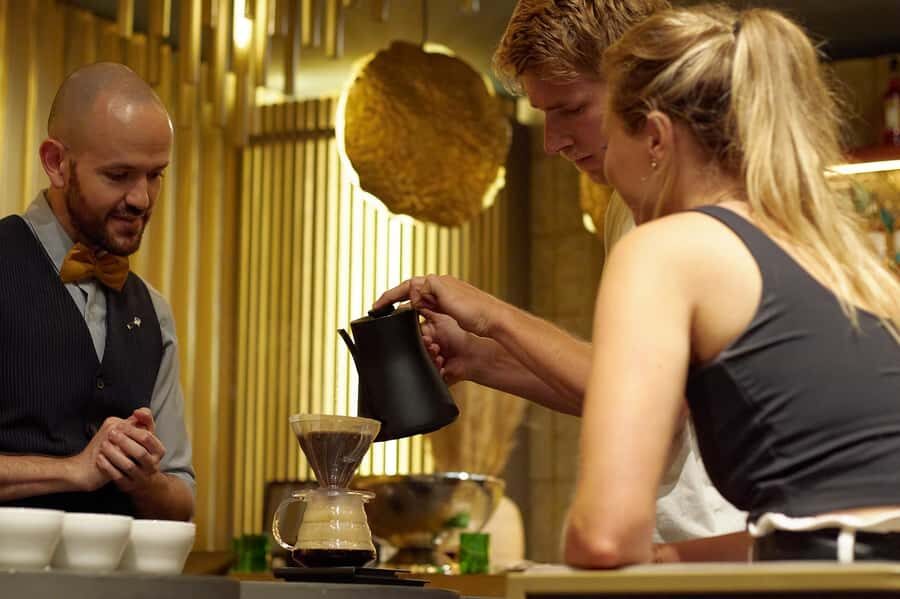
This is ideal if you:
- Love coffee and want a clearer method for tasting it
- Plan to visit multiple cafés in Medellín and want your palate to keep up
- Already did a coffee farm tour and want the other side of the story: what happens in the cup
- Prefer small-group teaching over big group demos
It’s also a good fit if you’re newer to coffee. The instruction is in English, and the learning is guided with sensory categories that don’t require prior expertise.
One practical note: it’s not suitable for children under 5. And the session has a clear rule that alcohol and drugs are not allowed, since the focus is tasting and learning.
Tips to Make Your Tasting Day Easier
You’ll get the most out of the workshop if you show up ready.
Bring:
- A charged smartphone
- Water
- Cash and/or a credit card
- Your own basic hydration needs
And arrive early when you can. The start time is agreed with the host based on space availability and other reservations, and punctuality helps everyone enjoy the full program.
If you come in hungry or distracted, coffee tasting can feel harder than it should. Give yourself a calm start and let your senses do their job.
Should You Book This Medellín Coffee Tasting?
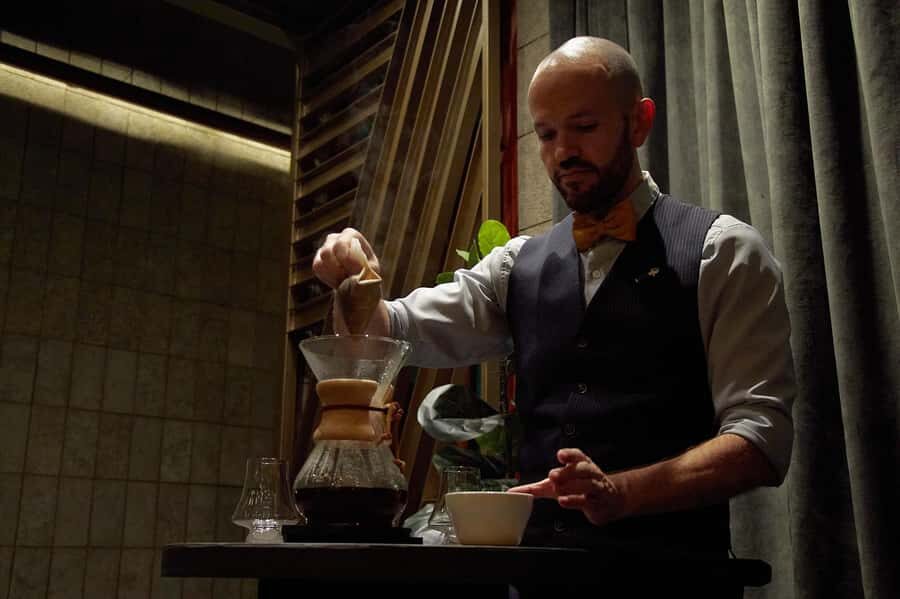
I’d book it if you want more than a drink. This is a guided coffee tasting experience where Javier helps you learn how to notice fragrance, aroma, body, and aftertaste—and how extraction affects what ends up in your cup.
Skip it only if you want a casual, unstructured café-style hang. This workshop is focused by design, and it rewards attention.
Also, if you’re the type who loves getting a usable skill on a trip—something that changes how you order coffee for the next week—that’s exactly what this delivers.
FAQ
Where is the meeting point for the Medellín coffee tasting?
You meet at Marquee Hotel, Parque Lleras.
How long is the coffee tasting experience?
The experience lasts 90 minutes.
Is the session taught in English?
Yes. The instructor communicates in English.
What is the group size?
It’s a small group, limited to 10 participants.
What’s included in the price?
You get a free coffee welcome drink, access to the restaurant and rooftop bars, and recommendations for the best coffee shops in Medellín and other coffee activities around.
What should I bring, and what is not allowed?
Bring a credit card, water, cash, and a charged smartphone. Alcohol and drugs are not allowed.
If you want, tell me when you’ll be in Medellín and what cafés you’ve already liked—I can help you plan a tight coffee day around this tasting.