REVIEW · MEDELLIN
New half day Pablo tour by cop Carlos
Book on Viator →Operated by Medellin City Services · Bookable on Viator
Escobar’s Medellín feels real, not reenacted. This half-day Pablo tour with cop Carlos turns dark history into clear, grounded stories as you move between Envigado, key sites tied to Pablo Escobar, and the prison-now-monastery at Monasterio Santa Gertrudis La Magna.
I especially like how Carlos mixes precise explanations with his own life experience, so the facts don’t feel like a script. I also like the comfort of hotel pickup and drop-off plus private vehicle transport, which keeps the day focused on the sights instead of map stress. One possible drawback: this is a heavy, crime-centered route, and there’s no food included—so you’ll want to plan for snacks and pacing.
In This Review
- Key moments worth marking on your mental map
- Who Carlos is, and why it changes the tone of the tour
- Envigado and the start of the story (Stop 1)
- Cementerio Jardines Montesacro: family, loss, and the black widow (Stop 2)
- Placita de Flórez: the final hideout area (Stop 3)
- Monaco from the road: how to see without forcing it (drive-by)
- Monasterio Santa Gertrudis La Magna: the private prison and the cathedral views (Stop 4)
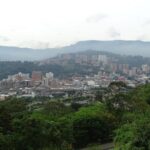
- Old Medellín vs new: what the city change tells you (Stop 5)
- Price and logistics: is $137.75 good value for Medellín?
- When this tour fits best (and when to rethink it)
- Should you book Carlos’s Pablo tour?
- FAQ
- How long is the Pablo tour by cop Carlos?
- What stops are included on the route?
- Is admission included for the sites?
- Does the tour include hotel pickup and drop-off?
- Is food and drinks included?
- What is the dress code?
- Is the tour private?
- Can I cancel for free?
Key moments worth marking on your mental map
- Cop guide Carlos: personal, first-hand context, not just dates and names
- Envigado hometown stop: 45 minutes to understand where the story started
- Jardines Montesacro Cemetery: learn about Pablo’s family and the black widow
- Placita de Flórez: a quick look at Pablo’s final hideout area
- Monasterio Santa Gertrudis La Magna: private prison visit plus views from the cathedral area
- Old Medellín vs new: time reserved for how the city changed after the era
Who Carlos is, and why it changes the tone of the tour
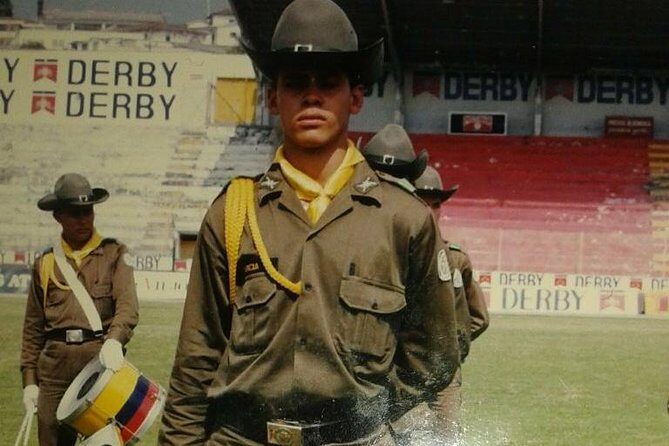
The biggest reason this Pablo Escobar tour works is the guide. Carlos comes at the subject from the angle of a cop, and that shows in how he explains what you’re seeing. Instead of talking in generalities, he connects dots with his own life story, which gives the whole experience a sharper feel—like you’re getting a briefing rather than hearing a lecture.
I like this approach because it makes the history easier to hold onto. When someone can say what mattered, why it mattered, and what it looked like in real life, you stop treating it like TV drama. You also tend to notice details you’d otherwise miss, like how a family’s choices and Medellín’s geography shaped the timeline.
Also, the tour is described as precise in how Carlos shares information. That matters when you’re moving through multiple stops in about four hours. If explanations are vague or overly broad, you just end up collecting photos. Here, you can expect the story to keep its shape from one location to the next.
Other Pablo Escobar history tours we've reviewed in Medellin


Envigado and the start of the story (Stop 1)
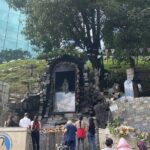
Your morning (or afternoon) begins in Envigado, Pablo Escobar’s hometown. You’ll have about 45 minutes here, with admission noted as free. Even in that short window, this stop does something important: it grounds the story in a place, not just a headline.
A lot of Pablo discussions jump straight to the violence and the mythology. Envigado pulls you back to the earlier context—where someone grows up, what the local environment feels like, and why roots matter when a life turns into something extreme. It’s also a practical way to start because the tour is arranged so you’re not bouncing around the city trying to find your first meeting point.
What to expect: a focused visit with time to look, listen, and ask questions. Since transfers are approximate and can shift with traffic, this first stop is one of the moments you’ll most likely want to treat as your “anchor.” If you’re the type who likes to understand a place before moving on, Envigado is where you’ll feel satisfied fastest.
Cementerio Jardines Montesacro: family, loss, and the black widow (Stop 2)
Next up is Cementerio Jardines Montesacro for about 35 minutes, again with free admission noted. This is the stop with the most emotional weight, because it centers on Pablo’s family and the figure often referred to as the black widow.
Even if you already know the name, a cemetery visit changes the mood fast. You’re not consuming a story from a screen. You’re standing in a real place where grief and history overlap. Carlos’s explanations are especially important here, because the setting can otherwise turn into just dark tourism. The better guides keep the focus on understanding—on how families were affected, on the human costs, and on the way public myths grow from private realities.
What to watch for: this stop is shorter than you might think in your head. Plan to listen closely and avoid rushing through it mentally. If you’re sensitive to crime-related history, this is where you’ll decide whether you’re comfortable with the subject matter.
Practical tip: if you tend to get chilled in cemeteries, a light layer is worth it. Smart casual dress fits the tour style, and being comfortable helps you stay present.
Placita de Flórez: the final hideout area (Stop 3)
Then the tour moves to Placita de Flórez, with about 20 minutes on the clock and free admission noted. Compared with the cemetery, this one feels faster and more location-based—an area visit tied to Pablo’s final hideout.
This stop can be easy to misunderstand if you go in expecting a dramatic museum-style presentation. Here, the point is connection: how a “place” can become part of a larger narrative, and how Medellín’s neighborhoods fit into the timeline. You’ll get context on why this area mattered, without losing time.
Since you’re on a half-day schedule, the short stop length actually helps. It keeps the tour moving and prevents it from turning into a single long emotional moment. Still, it’s worth staying mentally alert, because 20 minutes goes quickly once you start taking in what’s around you.
Monaco from the road: how to see without forcing it (drive-by)
Between major stops, there’s a drive near Pablo’s building called Monaco. The itinerary doesn’t list a specific walk-through time here—this is one of those moments where you get the visual reference, not a full deep-dive stop.
I like drive-bys when they’re done thoughtfully. They let you connect what you learn to what you see, but they also avoid wasting time for something you can’t fully experience at street level. If you’re the kind of traveler who loves structure, this helps you build a mental timeline: hometown, family context, key hideout area, a notable building reference, then the prison site.
This also underlines one advantage of the tour format: you aren’t left guessing how to get from place to place. You’re guided, transported, and brought back to the story at each stop.


Monasterio Santa Gertrudis La Magna: the private prison and the cathedral views (Stop 4)
The heart of the experience is Monasterio Santa Gertrudis La Magna for about 45 minutes, with free admission noted. This is where you visit Pablo’s private prison, and you’re also able to enjoy views from the area referred to as the cathedral.
This stop is powerful in two ways. First, it’s the kind of site where the building itself forces the questions: how was it designed, what did that control mean, and how did geography and power shape the system. Second, the views matter. Seeing the surrounding area from high ground gives you a sense of scale and offers a blunt lesson: control isn’t only about walls. It’s also about visibility and distance.
Carlos’s role here is huge. Without strong explanation, a prison-related stop can quickly become either sensational or numb. A guide who knows how to frame the story helps you hold both realities at once: the human suffering and the larger historical context.
Timing matters too. At 45 minutes, you’re not stuck forever, but you’re not rushed either. It’s enough time to get oriented, listen, and take in those cathedral-area views—while still keeping the tour moving toward the final part of Medellín.
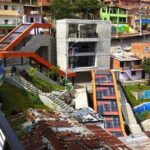
Old Medellín vs new: what the city change tells you (Stop 5)
After the prison site, the tour shifts into Medellín and focuses on old Medellín versus new. The itinerary lists this as about four hours total for the experience, so in practice this segment is how the day wraps up, with an emphasis on how the city evolved.
This part is more than sightseeing. It answers the question that hangs in your head after the darker stops: what happened next, and how did Medellín rebuild its identity? When you spend time only on crime history, you can end the tour feeling stuck in the worst chapter. The old-vs-new focus helps the story move forward.
Even if you’ve seen modern Medellín before, hearing the comparison framed by what came before changes what you notice. You’ll likely look at the streets and neighborhoods through a different lens: not just where people go today, but what the city had to overcome to become livable again.
If you’re the kind of person who values context over checklists, this is your payoff. You get to leave with a sense of direction instead of only a record of the past.
Price and logistics: is $137.75 good value for Medellín?
At $137.75 per person for about four hours, this tour costs more than a basic city walking tour. But it also includes what usually adds up in Medellín: hotel pickup and drop-off, private vehicle transport, a professional guide, and local taxes. On top of that, the itinerary lists free admission for the main stops.
So where does the value come from? You’re paying for efficiency and explanation. This route hits several distinct locations tied to Pablo Escobar’s life and Medellín’s 80s-era story, without you having to coordinate transport or piece together timing on your own. For a half-day, that can be a big deal—especially if you have limited time in the city.
Also, the tour is private, meaning only your group participates. In a tour built around sensitive, detailed topics, that privacy can make questions easier and keep the tone respectful.
Two practical notes to keep expectations realistic:
- Food and drinks are not included. Build in a snack plan before you start or after you finish.
- Transfer time depends on traffic, so the exact sequence timing can shift a little.
When this tour fits best (and when to rethink it)
This Pablo Escobar tour is a strong match if you want:
- A guided route that connects multiple key sites in a short window
- Clear explanations from someone with real-world experience
- A mix of hometown context, family context, hideout references, and the private prison site
- A closing look at how Medellín became different
It may be less ideal if you’re looking for a light, easygoing afternoon. The subject is violent by definition, and the cemetery and prison stops set the emotional tone quickly. You’ll get a lot out of the tour if you’re prepared for seriousness and you’re ready to listen.
Dress code is smart casual, and the tour is labeled as suitable for most people. That suggests it’s not built as an extreme physical challenge, but you’ll still be moving between locations and standing for views. If you have mobility concerns, you should ask how much walking is expected at each stop—especially around the prison and viewpoint area.
Should you book Carlos’s Pablo tour?
If your goal is to understand Medellín’s Pablo Escobar era with context, not just photos, I think this is a smart booking. Carlos’s police background plus his personal life story gives the tour credibility and clarity, and the itinerary keeps you from wandering or losing time. The stop mix also helps: hometown first, family context second, hideout reference third, prison site fourth, then the old-vs-new city wrap-up.
Book it if you can handle heavy history and you’re okay bringing your own snack strategy. Skip it if you want a carefree day or if crime-site visits tend to overwhelm you.
FAQ
How long is the Pablo tour by cop Carlos?
The tour runs for about 4 hours.
What stops are included on the route?
You’ll visit Envigado, Cementerio Jardines Montesacro, Placita de Flórez, Monasterio Santa Gertrudis La Magna, and you’ll also spend time learning about old Medellín vs new. There’s also a drive near Pablo’s Monaco building.
Is admission included for the sites?
Admission is listed as free for the stops in the itinerary.
Does the tour include hotel pickup and drop-off?
Yes. Hotel pickup and drop-off are included, plus transport by private vehicle.
Is food and drinks included?
No. Food and drinks are not included.
What is the dress code?
Dress code is smart casual.
Is the tour private?
Yes. It’s a private tour/activity, and only your group will participate.
Can I cancel for free?
Yes. You can cancel for a full refund if you cancel up to 24 hours in advance of the experience’s start time.