REVIEW · MEDELLIN
Pablo Escobar Tour with La Catedral Prison Visit and Art Book
Book on Viator →Operated by Medellín Up Close | Medellín de Cerca · Bookable on Viator
Medellín’s Escobar story hits hard. This Pablo Escobar Tour ties the man to places you can still see today—starting at a memorial tied to victims and ending at the grave—without turning it into pure shock value.
What I like most is the way the tour explains the pattern behind the headlines: family, neighborhood roots, then the prison complex. I also like that you’re not just shown a few photos—you get a structured walk through the locations tied to the case, led by bilingual guides such as Jairo, Oscar, and Feliciano.
One consideration: parts of La Catedral can have restricted access, and some areas reconstructed in the past may not be walkable anymore. So if you’re expecting to roam everywhere inside the prison grounds, keep your expectations to the public areas you’ll be visiting.
In This Review
- Key things to know before you go
- Parque Memorial Inflexion: the Monaco building turned memorial
- Inside the public side of La Catedral Prison
- A balanced way to think about La Catedral
- Envigado: the neighborhood where Escobar grew up
- Cementerio Jardines Montesacro: burial site and rituals
- Guides, pacing, and what your $65 includes
- Included, not included
- Logistics: where to meet and how to plan your day
- What to watch for: access limits and emotional weight
- 1) Physical access limits at La Catedral
- 2) Emotional weight across the route
- Who this tour fits best
- Should you book this Pablo Escobar Tour with La Catedral and the book?
- FAQ
- How long is the Pablo Escobar Tour with La Catedral and the art book?
- How much does the tour cost?
- What’s included in the price?
- Is the La Catedral visit part of the public area only?
- Where does the tour start and end?
- How big is the group?
- What is the cancellation policy?
Key things to know before you go
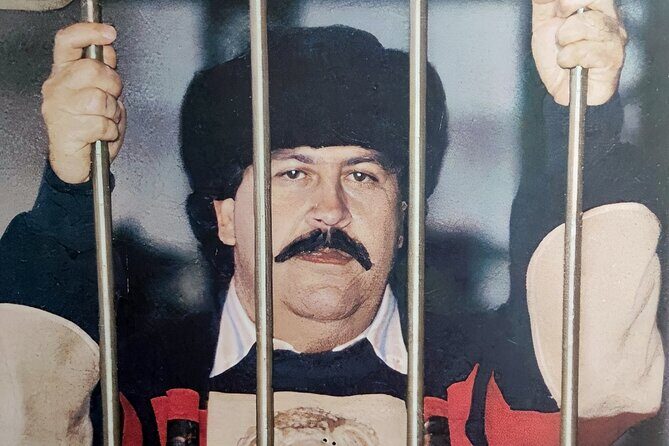
- La Catedral is the public-side visit, with parts of the complex shown from where you’re allowed to stand and walk
- Memorial-first tone at Parque Memorial Inflexion, focused on victims and the drug war impact
- Short stops, clear pacing across four areas in about 4 hours
- Small group size (maximum 10) helps questions land and answers stay relevant
- Includes a book (Medellín Up Close – Medellín de Cerca), so you leave with more than photos
Parque Memorial Inflexion: the Monaco building turned memorial
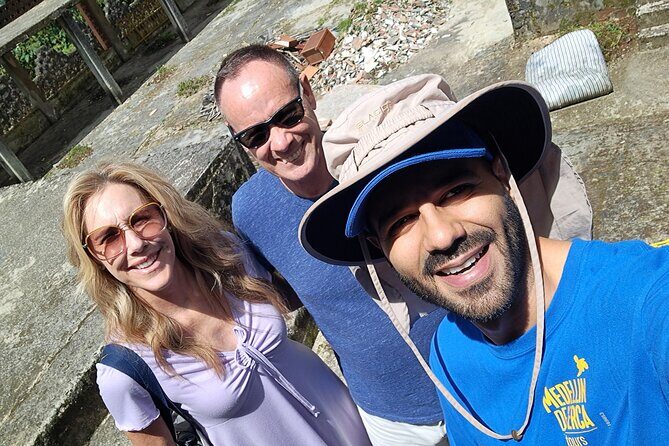
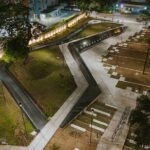
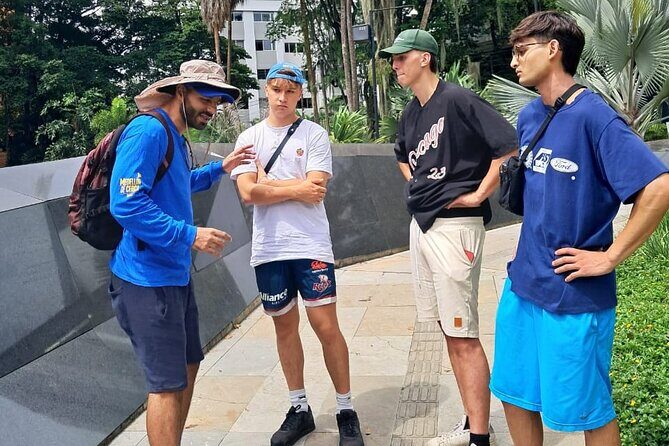
Your first stop is Parque Memorial Inflexion, set in the former Monaco Building, once used as the main residence for Pablo Escobar and his family. It’s a heavy concept on paper: a place linked to privilege and violence now framed as a memorial. But that shift matters, because it steers the visit toward the people affected—victims of Escobar’s criminal activities and the broader drug war.
You’ll have about 40 minutes here, and admission is free. That time window is important. You’re not stuck reading every panel for hours, but you still get a real sense that the site is meant for remembrance, not reenactment.
A practical note: memorials and former residential spaces can be emotionally draining. If you’re planning the rest of your day in Medellín, I’d schedule something calmer afterward. Your brain will need a moment to reset after this kind of context.
Other Pablo Escobar history tours we've reviewed in Medellin


Inside the public side of La Catedral Prison
The main event is the visit to La Catedral, Escobar’s prison complex. Your group will reach the section open to the public, and from there your guide shows the layout: where cells, a nightclub, lounges, a guard tower, tunnels, and Escobar’s escape route were located.
This is where the tour feels most like a real-world “how it worked” lesson. Instead of treating the story like myth, it turns the prison into a map: which spaces existed, what they were used for, and how the physical design connects to the escape narrative.
You’ll also hear about the soccer field site and claims that a mass grave and a cocaine lab were found there, according to the site’s administrators. Even if you don’t know the case details, this is one of those segments where your guide can connect the dots without drowning you in jargon.
Timing is about 1 hour 30 minutes, and admission is free. And here’s a key reality check: access can change. Some areas may be restricted without notice by local authorities or administrators, and some reconstructed sections may not be walkable. As of June 2025, authorities do not allow walking through certain areas that used to show up in older photos—so you’ll focus on what you’re allowed to see in the public zone.
A balanced way to think about La Catedral
La Catedral can be uncomfortable to visit, because it’s both physical evidence and a stage for a story that many people argue about. I like that this tour keeps the emphasis on the site’s layout and documented claims from administrators, instead of turning the experience into pure spectacle.
If you’re coming with family, it’s worth checking your group’s mood. This isn’t a casual outing.
Envigado: the neighborhood where Escobar grew up
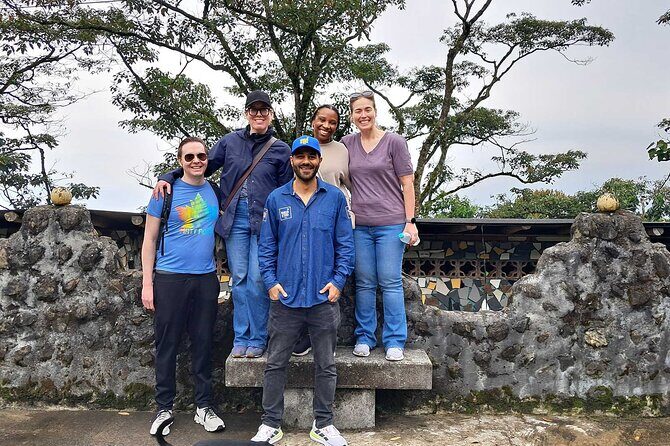
After the prison, you shift back to daily life with Envigado, the neighborhood where Escobar grew up. This stop runs about 50 minutes and is also free.
You’ll visit the Envigado area where Escobar’s house was located during his youth. That matters, because the story doesn’t start at gunpoint. It starts with place: a community where a person’s early environment helped shape later choices.
This is also where you’ll likely find the emotional tone changes slightly. Instead of tunnels and guards, you’re dealing with a real neighborhood. You’ll get a different kind of understanding: how local geography, social networks, and opportunity can become part of a larger crime story.
If you’re the type who hates vague tours, you’ll probably appreciate that this one keeps moving along specific locations tied to his timeline rather than offering general “Medellín was changing” talk.
Cementerio Jardines Montesacro: burial site and rituals
Next up is Cementerio Jardines Montesacro, where you’ll see Escobar’s burial site. This stop takes about 50 minutes and is free.
Cemeteries aren’t just where people visit; they’re where communities perform memory. You’ll see offerings, and talismans appear at different times of the year. That tells you something important about how the story lives on—how some people don’t just remember him as a criminal, but also as a figure wrapped into local folklore, grief, anger, or unresolved feelings.
I like this stop because it keeps the tour honest about legacy. The case didn’t end when the headlines stopped. It kept going, through visits, objects, and the need to make meaning.
If you’re sensitive to religious or ritual spaces, be respectful and follow your guide’s lead on how to behave. You’re in someone’s public and private world.



Guides, pacing, and what your $65 includes
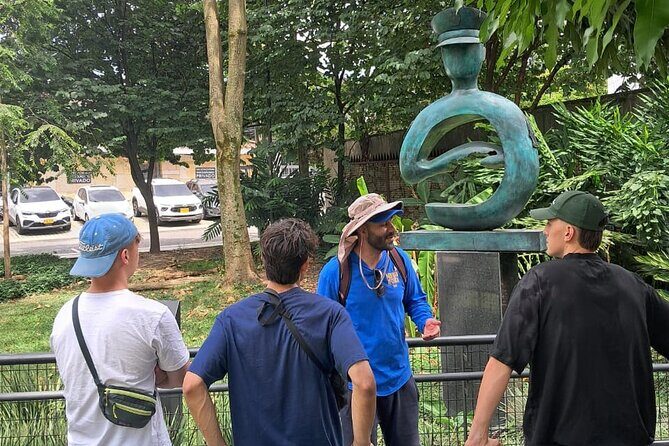
This tour runs about 4 hours and works well if you want a serious Medellín outing without losing the whole day. The group max is 10 travelers, which helps keep the tone focused and your questions from getting swallowed.
Your guide is bilingual English-Spanish and the tour includes an air-conditioned vehicle plus travel insurance for the tour. That’s practical value in Medellín’s heat, especially if your day is already packed.
One extra piece of value: you receive 1 original copy of the book Medellín Up Close – Medellín de Cerca. That turns the experience into a take-home reference. You can review details after you cool off and make sense of what you saw, instead of relying only on memory.
Included, not included
Tips are optional and voluntary. Admission is listed as free for the stops you visit, and the La Catedral visit is limited to the public area.
In other words, you’re paying for the guidance, the vehicle, the time, and the book—not a stack of extra “add-ons” you have to negotiate on the fly.
Logistics: where to meet and how to plan your day
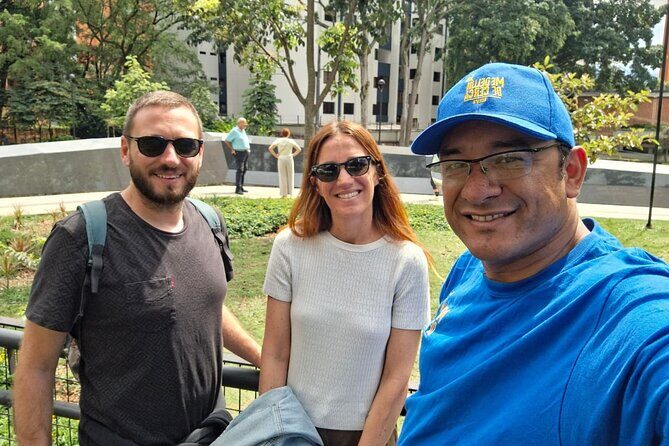
The tour starts at Parque Lleras in El Poblado, and it ends back near that meeting point. It’s near public transportation, which helps if you’re staying elsewhere in Medellín.
Because your time is tight (about four hours), plan around a simple goal: do something flexible after. You might want dinner with a clear head, a quick walk, or a view break. Avoid scheduling something intense immediately afterward.
If you’re wondering how popular it is: the tour is commonly booked about 17 days in advance on average. That doesn’t mean you’ll never get last-minute seats, but it’s smart to lock it in if you’re on a fixed itinerary.
What to watch for: access limits and emotional weight
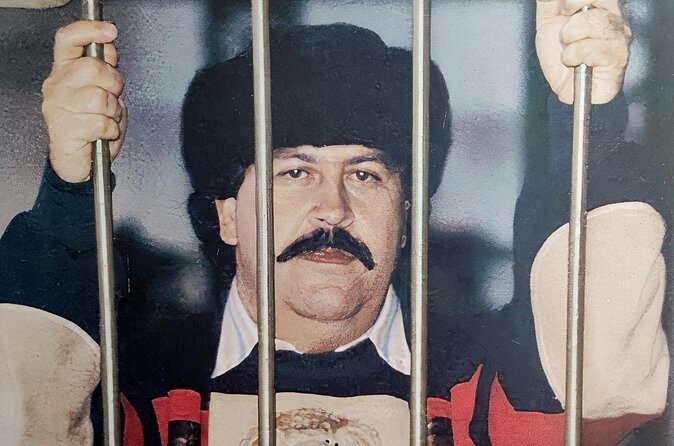
This tour has two kinds of “limits,” and it helps to know both.
1) Physical access limits at La Catedral
The prison visit is clearly framed as public-area viewing. Some reconstructed areas may not be accessible, and restrictions can happen without notice. Older photos online can tempt you into imagining routes you won’t be able to walk.
So focus on the sections you can actually access: the layout, the sites of key rooms and structures, and the escape route as explained where you’re permitted to stand.
2) Emotional weight across the route
You’ll move from a memorial space into a prison complex, then out into neighborhood origins and a cemetery. That’s a lot of emotional switching in one day.
If you’re traveling with friends who want a lighter agenda, consider pairing this with a different kind of Medellín experience on another day—maybe a viewpoint, a market, or a calm museum. You’ll enjoy both more.
Who this tour fits best
This works best if you want:
- A structured, place-based story in Medellín tied to real locations
- A guided approach that stays focused on facts and site information
- A small group setup so your questions get answered
It may not be your best match if:
- You only want sightseeing and don’t want a heavy subject matter on your schedule
- You’re expecting full unrestricted roaming inside La Catedral based on older images
- You prefer tours that focus on daily culture rather than the criminal legacy and its impact
Should you book this Pablo Escobar Tour with La Catedral and the book?
If you’re interested in how Medellín absorbed the Escobar era—its victims, its neighborhood roots, and the way the story lingers—this is a strong value at $65. You get a real guided route, free entry to what you visit, air-conditioned transport, and an included book you can read after.
Book it if you like guided structure and want the visit to make sense as a timeline. Skip it or change your expectations if you’re chasing only “inside” access at La Catedral. The tour gives you the public-area experience with a clear explanatory framework, not a permission slip to every corner.
If you want a single recommendation: plan it as your one serious, story-focused Medellín block of the trip.
FAQ
How long is the Pablo Escobar Tour with La Catedral and the art book?
It runs about 4 hours (approximately).
How much does the tour cost?
The price is $65.00 per person.
What’s included in the price?
You get a bilingual English-Spanish guide, an air-conditioned vehicle, travel insurance for the tour, 1 original copy of the book Medellín Up Close – Medellín de Cerca, and a visit to the public area of La Catedral.
Is the La Catedral visit part of the public area only?
Yes. The tour includes the section of La Catedral that is open to the public.
Where does the tour start and end?
It starts at Parque Lleras in El Poblado and ends back at the meeting point.
How big is the group?
The tour has a maximum of 10 travelers.
What is the cancellation policy?
You can cancel for a full refund up to 24 hours in advance of the experience start time. If you cancel less than 24 hours before, the amount paid is not refunded.