REVIEW · MEDELLIN
Pablo VIP Private Tour with Roberto Escobar Museum and Comuna 13
Book on Viator →Operated by Medellín Best Tours · Bookable on Viator
Pablo Escobar’s story gets complicated fast. This Pablo VIP Private Tour connects major sites tied to Pablo Escobar with a respectful visit to a victim-focused memorial and ends with Comuna 13 street art and culture, all in one private day. You’re looking at about 7 to 8 hours on the move, and the price is $128 per person with admissions, insurance, snacks, and bottled water included.
What I like most is the pacing and the way the day doesn’t treat this story like a movie montage. You start with a family-centered museum stop, then you move through places that force you to confront both the myth and the harm. Another big win: you’re not only walking streets—you also ride the Medellín cable metro from San Javier for an aerial look at Comuna 13’s layout and reality.
One consideration: this itinerary is emotionally heavy. Between memorials for bombing victims, the cemetery visit, and the discussion of how Escobar’s end unfolded, you’ll want to be ready for serious, unsparing history rather than casual sightseeing.
In This Review
- Key things that make this tour worth your time
- A full day in Medellín: why 7–8 hours works
- Price and value: what $128 includes (and what it doesn’t)
- Roberto Escobar Gaviria House: the brother’s perspective in 1 hour 40 minutes
- Barrio Pablo Escobar: a neighborhood museum and community-made meaning
- Parque Memorial Inflexion: the Monaco building site and bombing remembrance
- Montesacro Cemetery: short visit, heavy names
- Los Olivos: the place where he died and the police operation
- San Javier by cable metro: getting Comuna 13’s shape from above
- Comuna 13 tour: murals, graffiti, music, and community life
- Guide style and service: clear explanations, attentive support
- How to get the most from this tour (without burning out)
- Who should book it, and who might skip it
- Should you book this Pablo VIP Private Tour?
- FAQ
- How much does the Pablo VIP Private Tour cost, and how long does it take?
- Is this a private tour?
- What are the main stops on the tour?
- Are admission tickets included?
- What’s included in the tour price?
- Are drinks and food included?
- Can I cancel for a full refund?
Key things that make this tour worth your time
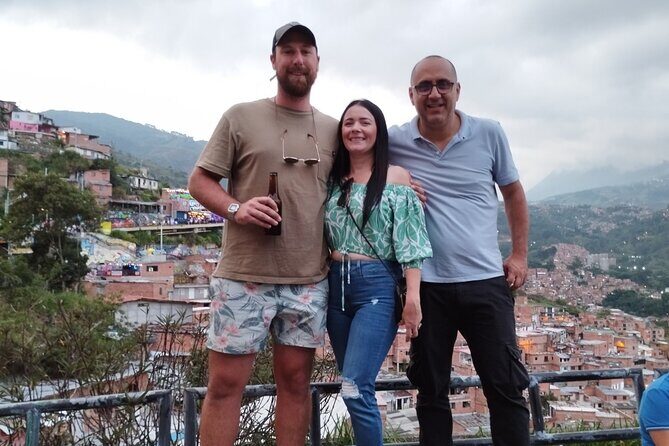
- Private, just your group: no crowds, more questions, and a smoother schedule.
- Roberto Escobar Gaviria House museum time: story told through Pablo Escobar’s brother, Roberto, nicknamed El peluche – el Osito.
- Memorial Inflexion with victim numbers: you’ll learn at the memorial park tied to the Monaco building site and bombing context.
- Montesacro Cemetery stop: a quick, focused visit to the tombs of Pablo Escobar, Gustavo Gaviria, and other family members.
- Medellín cable metro viewpoint: a short ride that gives you a clearer sense of Comuna 13 from above.
- Comuna 13 murals and culture: the tour emphasizes street art history plus music and community life, not just photos.
A full day in Medellín: why 7–8 hours works
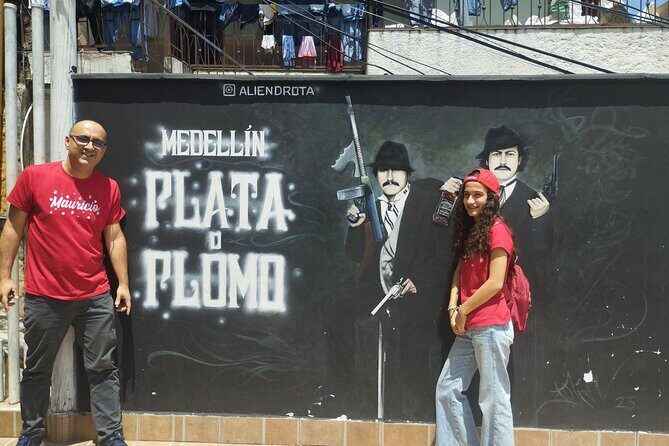
This is a true “one-day story” tour. You’re going from one site to the next—some are museums, some are neighborhoods, and some are remembrance spaces—so the time adds up quickly. The payoff is that you can connect themes: how power was presented to people, how communities were impacted, and how Comuna 13 has turned creativity into a public voice.
Because it’s private, you’re not stuck with a big group whose questions run ahead of the pace. That matters on a tour like this, where you might want clarity on names, timelines, and why each place is remembered.
If you’re someone who likes understanding context before taking photos, this format makes sense. If you prefer short, light stops, the length and subject matter may feel like a lot in one sitting.
Other Comuna 13 graffiti tours we've reviewed in Medellin

Price and value: what $128 includes (and what it doesn’t)
At $128 per person, the best way to judge value is by looking at what’s built in. You get admission tickets included for every major stop, plus insurance, bottled water, and snacks. You’re also covered for the Medellín cable metro portion (listed with admission ticket included), which is often the kind of cost that can creep upward on day tours.
What’s not included is simple: drinks and food. So you’ll want to plan on buying your lunch or snacks during gaps in the day. Since this tour includes water and snacks, you’re not starting empty, but you still shouldn’t assume a full meal is handled.
Also, it’s commonly booked around 20 days in advance. That’s not a must-follow rule, but it’s a clue: if you’re traveling in peak season or have tight dates, earlier booking keeps your options open.
Roberto Escobar Gaviria House: the brother’s perspective in 1 hour 40 minutes
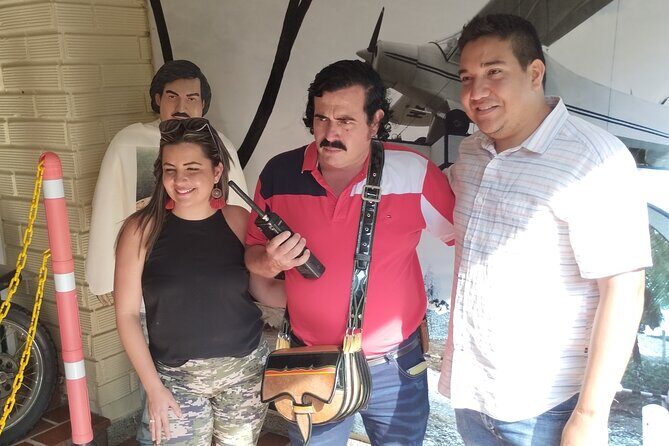
The first stop is the Casa Roberto Escobar Gaviria, focused on Roberto Escobar—Pablo’s brother—who is referred to with nicknames like El peluche – el Osito. This is where the day takes its first twist: the story isn’t only told through the public legend of Pablo. You’re looking at the family side and seeing how that era gets framed from another angle.
You can expect lots of era-related material—items and context that relate to the drug traffickers of the 1980s—then a narrative built around Pablo’s story from this different perspective. It’s a strong opening because it sets up a theme you’ll keep seeing later: the way people can justify, reinterpret, or mythologize events, even when the harm was real.
Time-wise, 1 hour 40 minutes is long enough to read carefully and ask questions without feeling rushed. It’s also a good buffer before you head into more intense memorial and cemetery stops.
Barrio Pablo Escobar: a neighborhood museum and community-made meaning
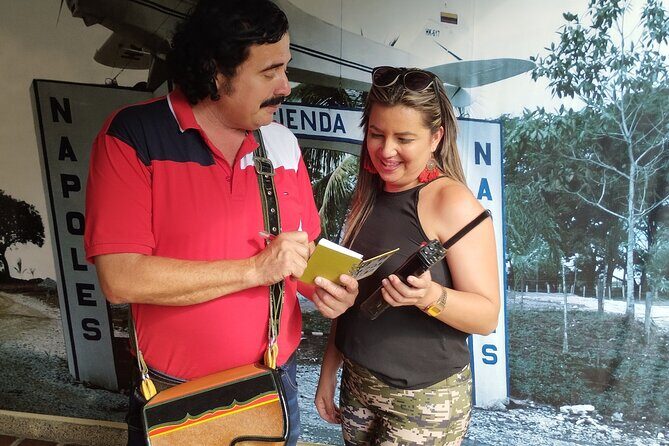
Next you visit a neighborhood known as Barrio Pablo Escobar—presented as a place Pablo built for low-income people. This stop is only 1 hour, but it’s structured around a key idea: you’re not just visiting a “set.” You’ll be able to see how residents have put together a museum of their own, and you can buy souvenirs.
That’s a subtle but important difference. You’re spending time inside a community-defined telling of place, not just collecting landmarks. It can also help you understand why symbols stick. Places like this often get interpreted through pride, grief, anger, or survival—sometimes all at once.
Practical note: because it’s a community setting, you’ll get the most out of it if you move respectfully and treat it like a real neighborhood, not a themed attraction.
Parque Memorial Inflexion: the Monaco building site and bombing remembrance
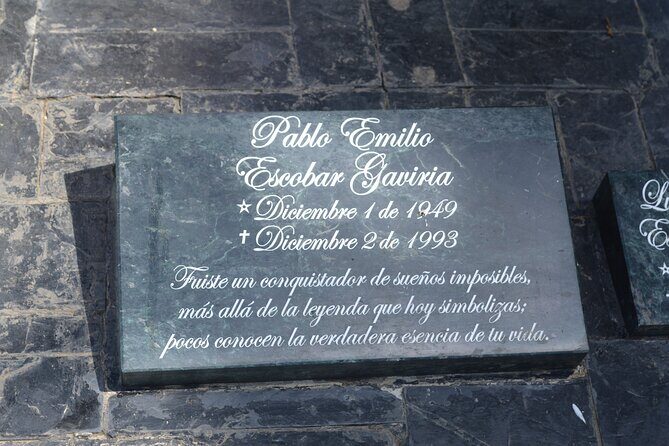
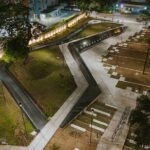
Then comes Parque Memorial Inflexion, tied to the old Monaco building that was owned by Pablo Escobar. Today, that location functions as a memorial park. The emphasis here is clear: remembering more than 47,000 victims and learning about the bombs placed during that time.
This is the kind of stop where you should slow down. The goal isn’t to “power through” content for photos. If you’re curious about how tragedy becomes public memory, this is where the tour helps you connect personal pain to public history.
You get about 1 hour here. That time length is enough to understand the basics without turning it into a quick drive-by. It’s also a moment where the tone changes from explanation to reflection.
Other Pablo Escobar history tours we've reviewed in Medellin



Montesacro Cemetery: short visit, heavy names
After the memorial park, you head to Montesacro Cemetery for about 35 minutes. This is described as the most visited tomb in the world, and it includes the tombs of Pablo Escobar, Gustavo Gaviria, and other family members.
Even with a short duration, this stop carries weight. You’re not staying long, but you’re also not skipping the most famous location tied to the Escobar story. The value here is the contrast: you’ve just been at a victims-centered memorial, and now you’re standing at a place that turns notoriety into a physical marker people travel to see.
If you’re sensitive to morbid tourism, you might want to think about why you’re visiting in the first place. For me, the meaningful approach is to treat the cemetery as part of a bigger conversation about harm, power, and how a country remembers.
Los Olivos: the place where he died and the police operation

The next stop, Los Olivos neighborhood, takes you to the house where Pablo Escobar died. You’ll learn the details of the operation that ended his life and how police got to the place.
This is 35 minutes and it’s focused. You’re not supposed to leave with a Hollywood version of events. Instead, you’re getting the mechanics of the operation—an explanation that helps you see how the end of Pablo Escobar became a real-world law enforcement process, not just a rumor or headline.
It’s also a useful pivot because it helps anchor the story in timeline logic: what happened, how it happened, and why it mattered beyond the legend.
San Javier by cable metro: getting Comuna 13’s shape from above
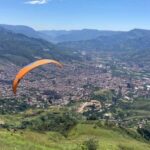
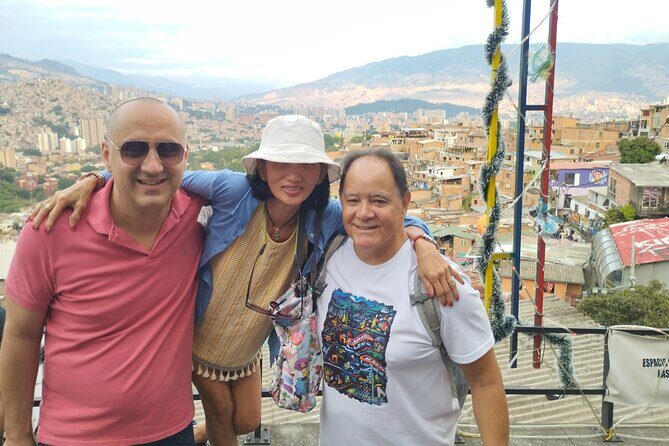
Next you go to Estación metro San Javier and take a tour on Medellín’s cable metro. This segment is about 30 minutes and it’s designed to give you a view of Comuna 13 from the air.
Aerial views change how you read a neighborhood. From the ground, you might feel like you’re just moving along streets. From the cable, you can often understand the layout and the way areas connect—plus you get a clearer sense of the conditions discussed during the day.
This is also a smart break from walking. Even if you’re okay on your feet, a short ride adds comfort and adds perspective. You’ll be ready for the final Comuna 13 portion with the bigger picture in mind.
Comuna 13 tour: murals, graffiti, music, and community life
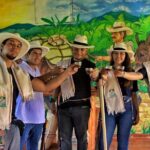
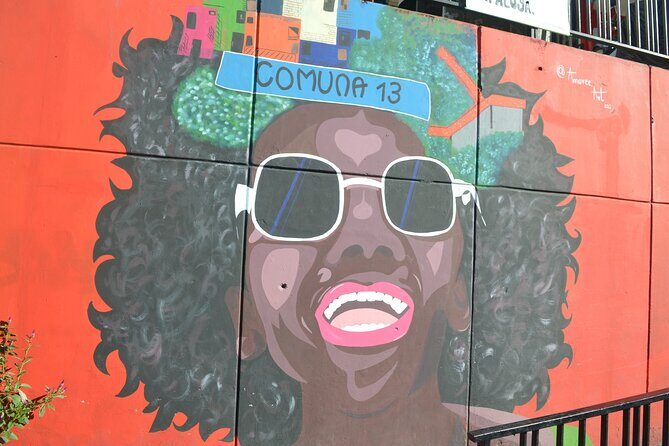
The last stop is the Comuna 13 tours part, which runs about 2 hours. Here the emphasis shifts from famous names to public creativity. You’ll learn the history of the murals and graffiti, and you’ll have direct contact with the culture, music, and art present in the area.
This is what makes the full itinerary feel balanced. You started with museums and memorials. You end with a neighborhood’s artistic voice—something people build and maintain even after violent chapters of the past.
If you enjoy walking tours that are more than checkpoints, this is where you’ll likely feel the most alive part of the day. The art helps explain local identity, and the music and cultural references make the history feel less like a lecture.
Guide style and service: clear explanations, attentive support
A tour like this rises or falls on how it’s explained. The experience is described as having very clear information and strong organization. One guide mentioned by name is Mauricio, with English described as outstanding and his approach as professional and attentive.
I also like that the tour is built for readability. The day is structured with distinct stops and set times, so it stays manageable even when the content is intense. And because it’s private, your guide can slow down when you need names, timelines, or context repeated.
On-the-ground support matters too: you get bottled water, snacks, and insurance. That’s not flashy, but it keeps the day from becoming stressful.
How to get the most from this tour (without burning out)
This isn’t a tour to schedule after a late night. Plan an earlier start, and bring an energy level that can handle emotional history and walking.
Here are a few practical moves that fit this exact day:
- Wear comfortable walking shoes. Cemeteries and neighborhood time add up.
- Bring a hat or sunscreen if it’s sunny. Water is included, but weather still happens.
- Keep your questions ready. The story works better when you ask about motivations, victims, and how places became symbols.
- Respect the tone. Memorials and cemetery stops aren’t photo ops first.
If you’re the type who prefers light chatter and quick stops, you might feel the contrast between memorial sites and cultural art stops. If you want context—both the painful kind and the hopeful kind—this contrast is the point.
Who should book it, and who might skip it
This tour is a great match if you:
- want a private day with admissions included
- care about understanding how Escobar’s story connects to Medellín’s real communities
- appreciate a mix of remembrance and art-based cultural expression
- like having a guide who explains clearly (English ability has been noted with a named guide)
You might hesitate if you:
- don’t handle heavy historical topics well
- want a purely sightseeing day with minimal intensity
- expect a long meal included (food and drinks aren’t included)
Should you book this Pablo VIP Private Tour?
I’d book it if you want one organized, end-to-end day that ties together Escobar’s legacy, victim remembrance, and Comuna 13’s street culture—without leaving gaps where you’d have to guess the context yourself. The value is strong because admission tickets are included throughout, and the day is designed to move logically from museum to memorial to community art.
I’d skip it if you’re seeking a relaxed itinerary or if the idea of cemetery and bombing memorial stops feels too much in one day. This isn’t a casual day out. It’s a guided way to understand what Medellín carries, and how people respond.
FAQ
How much does the Pablo VIP Private Tour cost, and how long does it take?
The tour costs $128.00 per person and lasts about 7 to 8 hours.
Is this a private tour?
Yes. It’s a private tour, so only your group participates.
What are the main stops on the tour?
You’ll visit Casa Roberto Escobar Gaviria, Barrio Pablo Escobar, Parque Memorial Inflexion, Montesacro Cemetery, Los Olivos neighborhood, Estación metro San Javier (cable metro), and the Comuna 13 tour.
Are admission tickets included?
Yes. Admission tickets are listed as included for each stop.
What’s included in the tour price?
Included items are bottled water, snacks, and insurance.
Are drinks and food included?
No. Drinks and food are not included.
Can I cancel for a full refund?
Yes. You can cancel up to 24 hours in advance for a full refund.