REVIEW · MEDELLIN
Private Half-Day Coffee Tour at Family Farm Close to Medellín!
Book on Viator →Operated by The Andes Adventure Travels · Bookable on Viator
Coffee starts on a small hillside. You’ll ride from Medellín to a family coffee farm near Sabaneta in about 20 minutes, then follow Colombian coffee from cherry picking to roasting in a tight 3 to 4 hour window.
I really like the hands-on, step-by-step way you learn what happens to the cherries and why each stage matters. You’ll also do a brew-method tasting that compares flavors using the same coffee and water, but different preparation styles. The one drawback to plan around: this tour needs good weather, and it’s time outdoors on farm paths (including areas with bugs), so dress accordingly.
In This Review
- Key Things That Make This Tour Worth It
- From Medellín to Sabaneta: A Fast Country Escape for Short Schedules
- Your Half-Day Flow: Pickup, Farm Time, and Hands-On Coffee Stages
- Picking and Depulping: Where the Coffee Journey Really Starts
- Fermenting, Washing, and Drying: The Flavor Timeline
- Threshing and Roasting: From Green Beans to Real Aroma
- Tasting Four Brew Styles With the Same Coffee and Water
- Price and Value: Is $80 Fair for 3 to 4 Hours?
- Practical Tips for the Farm Visit Outside Medellín
- Should You Book This Private Coffee Tour Near Medellín?
- FAQ
- How long is the private coffee tour near Medellín?
- How much does the tour cost?
- Do you pick up from my hotel or Airbnb in Medellín?
- Is this tour private?
- What coffee steps will I see during the visit?
- Do you include coffee tasting?
- Is there an admission ticket fee?
- What happens if weather is bad?
- Can I bring a service animal, and is cancellation free?
Key Things That Make This Tour Worth It
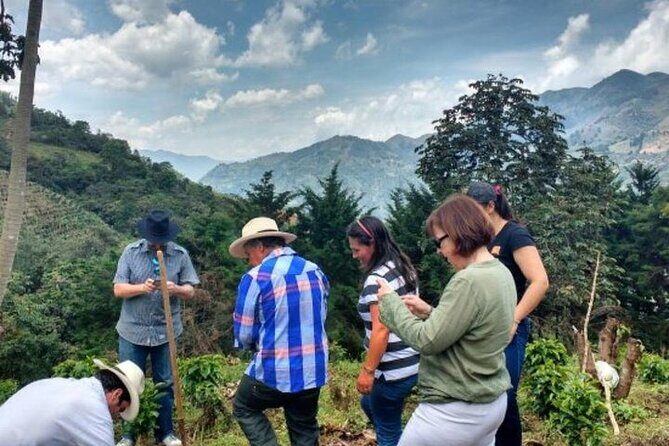
- Private pickup from Medellín: You avoid the long-drive hassle and go straight to the farm.
- You’ll see the full bean-to-cup process: Picking, depulping, fermenting, washing, drying, threshing, roasting.
- Hands-on coffee learning: You’re not just watching; you’re participating in multiple stages.
- Tasting that actually teaches: Same amount of water and coffee, different methods for different notes.
- Family farm feel close to the city: A real working place, not a far-away day trip marathon.
From Medellín to Sabaneta: A Fast Country Escape for Short Schedules
This is one of those Medellín experiences that makes sense even if you’re only here for a few days. You get picked up at your Airbnb or hotel in town, then head south to the countryside without losing half your day to traffic.
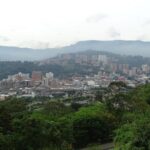
The farm setting is close enough that the tour still feels relaxed. You’re not starting your morning at 6 a.m. just to “reach the countryside.” Instead, you’ll get a clear change of pace in a short ride, with views over the Antioquia area as you go. That matters because coffee processing is physical and sensory, and you want enough time to actually notice what’s happening—smell the aromas, observe the methods, and ask questions.
Another practical plus: the tour is private. Only your group goes, so the guide can pace things for your questions rather than managing a larger crowd. That tends to make the whole half-day feel more personal.
Other coffee farm tours we've reviewed in Medellin

Your Half-Day Flow: Pickup, Farm Time, and Hands-On Coffee Stages
Your tour runs about 3 to 4 hours. After pickup, you’ll ride toward Sabaneta and arrive at a coffee family farm. The time in the countryside is long enough to feel like you left the city, but short enough that you’re back for lunch and still have the afternoon for Medellín.
Once you’re at the farm, the core of the day is the journey from cherry to cup. The tour is structured around seeing the stages in order, not jumping randomly between roasting and tasting. That’s how you build real understanding. When you learn that a flavor comes from a decision made earlier—like fermentation time or how the beans dry—you start tasting with purpose.
You’ll also get a chance to learn how coffee is part of daily life and pride in Colombia. The guide ties the farming steps to the bigger cultural picture, which helps you connect the “how” to the “why.”
A note on the pace: it’s an active farm visit. Even if you’re not doing heavy labor, expect walking and time outdoors. One reason this tour gets so much praise is that it stays practical—real processes, real explanations, and a clear path through the coffee-making chain.
Picking and Depulping: Where the Coffee Journey Really Starts
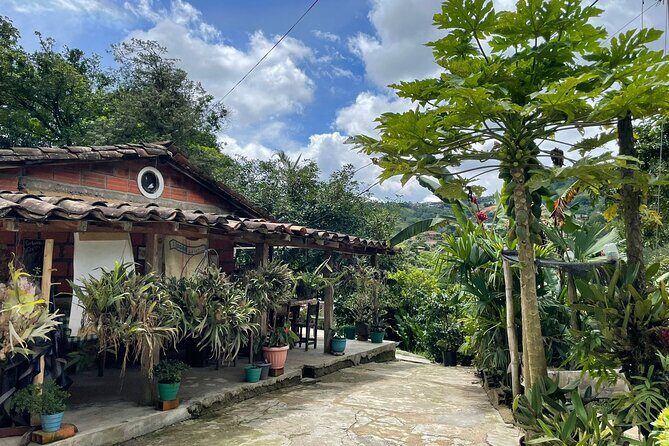
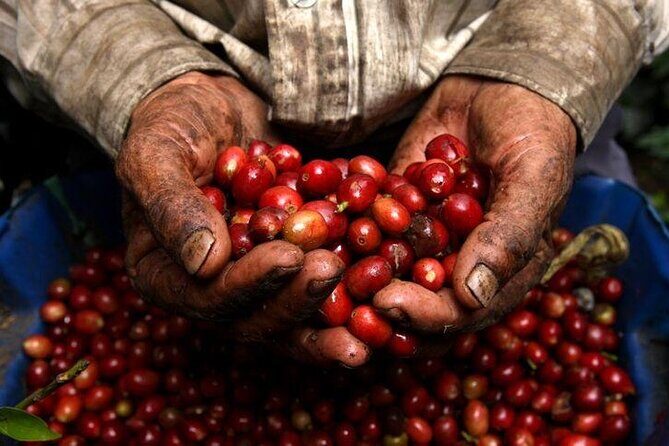
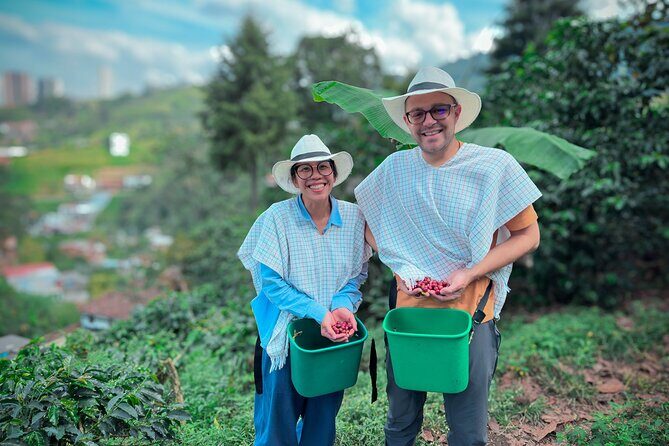
The first stages happen at the source: ripe cherries. You learn that picking isn’t random. Coffee pickers choose only the ripest cherries—those deep red ones that signal readiness. That one detail can change everything, because coffee cherries aren’t all at the same stage at once.
Next comes depulping. This is where the cherries get processed to separate what you want (the beans) from what you don’t (the outer fruit material). In simple terms, the cherries go into a machine that removes the outer skin and flesh, exposing the coffee beans inside.
This part of the tour is valuable because it shows the transformation right away. You start with something that looks like fruit, then you quickly move into the coffee world. The guide’s explanations help you understand that coffee isn’t just a plant product—it’s a sequence of handling decisions, and every decision leaves a flavor footprint.
Also, depulping matters because it sets up the fermentation stage that comes next. If you understand what’s left on the beans after depulping, fermenting makes more sense instead of sounding like a random step.
Fermenting, Washing, and Drying: The Flavor Timeline
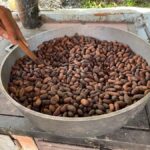
After depulping, you’ll learn fermentation. This step is about flavor development. The beans still have some fruit pulp attached, and enzymes naturally present in that pulp help break down remaining material. In the tour explanation, think of it like a controlled period where the beans pick up complexity as the fruit residue changes.
Then comes washing. Even after fermentation, the beans still have sticky residue called mucilage. Washing helps remove that coating so the beans can be cleaned and prepared for drying.
Both fermentation and washing are where many people’s coffee understanding suddenly becomes clearer. You start seeing that coffee flavor isn’t only about roasting. Roasting is huge, but earlier steps influence how the coffee behaves later—especially how it dries and how the final roast carries flavors.
Then you get drying. The beans are spread in thin layers on patios or raised beds. As they dry, they lose moisture and develop their unique characteristics. On a farm, drying isn’t just “waiting.” It’s a key step that affects consistency, aroma, and how the beans roast.
If you care about why coffee tastes one way vs another, this section is the turning point. You’ll likely find yourself thinking about coffee differently long after you leave the farm.
Threshing and Roasting: From Green Beans to Real Aroma
Once the beans are dry, they move into threshing. This removes the outer parchment layer that protects the beans. From there, you reach the final and most exciting step: roasting.
Roasting is where you get to see (and smell) the real transformation. Green beans turn brown, and aromas develop as temperature and timing control what happens inside the bean. In the tour explanation, roasting becomes an art that requires precise handling—because different roast levels change the end result.
This stage is also where the tour earns its emotional payoff. Even if you’re not a coffee expert, roasting has a show-and-tell element that you can’t fake. You watch color change and learn why roast decisions shape flavor.
And because you’ve already learned what came before—picking, depulping, fermentation, washing, drying—roasting isn’t just a finale. It becomes the last step in a chain of cause-and-effect you understand.
Other private tours in Medellin




Tasting Four Brew Styles With the Same Coffee and Water
The tasting part is a big reason this tour feels like more than a slideshow. You’ll try several preparation methods to compare flavors. The tour notes that the tastings use the same amount of water and the same amount of coffee beans—only the method changes.
That design is smart. It prevents the most common tasting confusion: people start comparing taste while accidentally changing dose or strength. Here, you’re comparing technique. That’s how you begin to notice how grind, contact time, and process style can bring out different notes from the same beans.
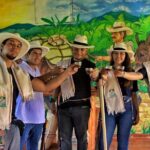
Guides on this route often add practical context. Names that come up in guide feedback include Carlos, Juan Carlos, Diego, and Laura, and they’re credited with making the process clear and encouraging questions. A guide named Diego, for instance, is praised for taking visitors through the full chain from growing to roasting and making the day feel welcoming and fun. Another guide, Juan Carlos, is repeatedly described as adding both coffee and Medellín context.
Whatever guide you get, focus on the method you like and ask why it works. This tasting is the moment you translate farm steps into your cup back in the city.
Price and Value: Is $80 Fair for 3 to 4 Hours?
At $80 per person, this tour is priced like a real guided private experience—not a low-cost group bus ride. The value comes from three things:
1) Private transport and pickup from your hotel or Airbnb, which saves time and reduces stress.
2) Hands-on access to multiple processing stages, not just a quick walk and a sip at the end.
3) A structured tasting comparison, where you learn how method changes flavor using the same coffee and water.
Also, admission is noted as free for the ticket portion. That means you’re not likely to feel surprise add-ons for entry.
If you’re the type who enjoys practical, sensory learning—especially if you care about how your coffee gets made—this price starts to feel reasonable. If you only want a quick taste and don’t care about process, you might feel it’s more than you need. But if you want coffee understanding you can take home, the money tends to translate into real value.
Practical Tips for the Farm Visit Outside Medellín
This is a farm. That means you’ll likely be outdoors for portions of the tour, and you should dress like it. One clear piece of advice from experience on this route: wear long pants and long sleeves. Mosquitos can be a factor.
Also think about comfort. Even with a private guide, farm paths can be uneven, and you’ll move between stations. Comfortable shoes help.
Because good weather is required, check your day’s plan. If conditions don’t cooperate, you may be offered a different date or a full refund, so don’t stack your schedule too tightly without buffer time.
One more practical note: bring a small curiosity mindset. The best moments usually come when you ask questions at each stage—why fermentation timing matters, what washing removes, how drying affects roast behavior.
Finally, this tour is private, and service animals are allowed. So if you need that kind of support, you’re in the right place.
Should You Book This Private Coffee Tour Near Medellín?
If you want a half-day plan that feels authentic and actually teaches you something, I’d book it. The tour is built for people who don’t want to spend hours traveling, but still want the full coffee-making story from cherry to cup. The private format is a real plus when you’re asking questions and want a slower pace.
I’d think twice only if you dislike outdoor farm conditions, hate walking, or you’re not interested in processing steps. This tour is not just about drinking coffee. It’s about seeing how coffee gets made and learning how each stage changes what ends up in your glass.
If you’re short on time in Medellín, this is one of the most logical ways to use it.
FAQ
How long is the private coffee tour near Medellín?
It runs about 3 to 4 hours.
How much does the tour cost?
The price is $80.00 per person.
Do you pick up from my hotel or Airbnb in Medellín?
Yes. The tour includes pickup from your Airbnb or hotel, using a comfortable private transportation.
Is this tour private?
Yes. It’s a private tour/activity, and only your group participates.
What coffee steps will I see during the visit?
You’ll see the process from picking cherries through depulping, fermenting, washing, drying, threshing, and roasting.
Do you include coffee tasting?
Yes. You’ll try several coffee preparation methods, using the same amount of water and the same amount of coffee beans, while changing the method.
Is there an admission ticket fee?
The tour lists admission ticket free.
What happens if weather is bad?
This experience requires good weather. If it’s canceled due to poor weather, you’ll be offered a different date or a full refund.
Can I bring a service animal, and is cancellation free?
Service animals are allowed. There is free cancellation, and you can cancel up to 24 hours in advance for a full refund.