REVIEW · MEDELLIN
Coffee Tour in Medellin, Transportation, Snack and Lunch.
Book on Viator →Operated by Viaja Medellin · Bookable on Viator
Coffee, ponchos, and the smell of real farms.
I love the hotel pickup/round-trip transport and the way you get moving fast from Medellín into a working coffee landscape. I also love the coffee tastings and production lessons, especially with guides like David and Amelia who explain what you are seeing in plain, human terms.
The main catch is physical: expect steep, slippery paths, so you need sturdy shoes and a decent baseline of comfort walking uphill.
In This Review
- Key highlights worth planning for
- Medellín pickup to the coffee hills: how the day starts
- San Sebastián de Palmitas: what you actually learn about coffee production
- Tastings and snacks: why this is more than a coffee story
- Lunch at Fiambre: what to expect and how it fits the day
- Poncho, hat, and the Diploma de Arriero: the cultural fun part
- Sturdy shoes are non-negotiable: terrain and the optional horseback ride
- How long, how big, and what the $74 covers
- Practical planning: what to pack and what to watch
- Is the farm visit for you? (A balanced reality check)
- Should you book the Medellín coffee tour with lunch and transport?
- FAQ
- How long is the coffee tour from Medellín?
- Is round-trip transportation included?
- What food and drinks are included?
- Does the tour include the horseback ride?
- What should I wear for the farm visit?
- Is the tour okay for people with mobility problems?
Key highlights worth planning for
- San Sebastián de Palmitas finca visit with a guided look at how coffee gets from fruit to cup
- Dress-up as an arriero (poncho, hat) plus a Diploma de Arriero you can take home
- Hands-on moments like picking coffee beans and learning what happens after
- Tastings beyond coffee including tea and lemonades made from parts of the coffee fruit
- Lunch at Fiambre with snacks and coffee or tea included
- Round-trip hotel transportation so you spend less time figuring out logistics
Medellín pickup to the coffee hills: how the day starts
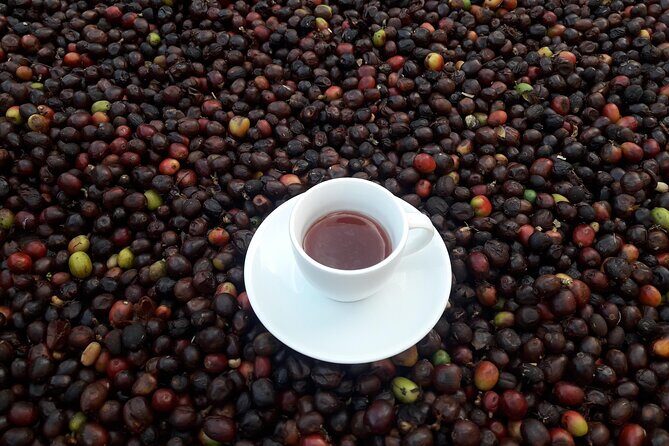
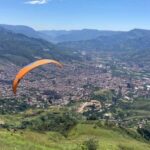
This tour runs from Medellín with a morning start around 9:00 am, and it is designed to feel smooth from the first minute. You get pickup from your hotel, and you do the full day without having to rent a car or manage transfers on your own. It’s also one of those trips where the drive matters: you are leaving the city behind and heading into the hills where coffee farms actually live.
You can think of the morning as a warm-up. You’ll learn coffee culture as you go, and then you transition into the finca experience itself. Even if you are not a hardcore coffee nerd, you’ll have enough context by the time you arrive to connect the dots: farming choices lead to processing choices, which lead to what ends up in your cup.
On the timing side, plan for about 5 to 6 hours total. If your schedule is tight later in the day, keep some buffer. The day moves at tour pace, not city-sightseeing pace.
Other coffee farm tours we've reviewed in Medellin
San Sebastián de Palmitas: what you actually learn about coffee production
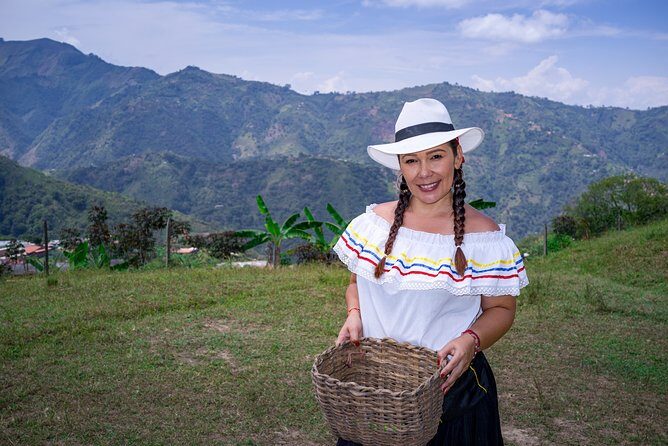
The heart of the experience is a visit to a local coffee farm in San Sebastián de Palmitas, where you learn what coffee workers do during their typical day. This is not just a slideshow. You are guided through the coffee process end-to-end, with stops that explain what each step is for.
Here’s the flow you should expect to hear about:
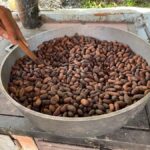
- Coffee picking: you learn what the beans/fruit look like at harvest time, and you may get hands-on with picking
- De-shelling and early processing: the work that happens right after picking is explained in a way that makes sense, even if you have never seen it before
- Washing and drying: these steps matter for flavor, and your guide ties them to quality
- How good coffee forms: you practice recognizing what makes a cup better, not just what tastes strong
Guides on this tour include people like Mateo, Lorena, Isabella, Guillermo, and Valentina, and their style shows a pattern: they teach with real agriculture context, not coffee shop trivia. Amelia and David in particular get called out for making the learning fun and interactive.
One practical note: the tour is a farm visit, but it is also a guided program with a set rhythm. So while you are on the property, you should expect a guided walkthrough rather than free roaming for hours.
Tastings and snacks: why this is more than a coffee story
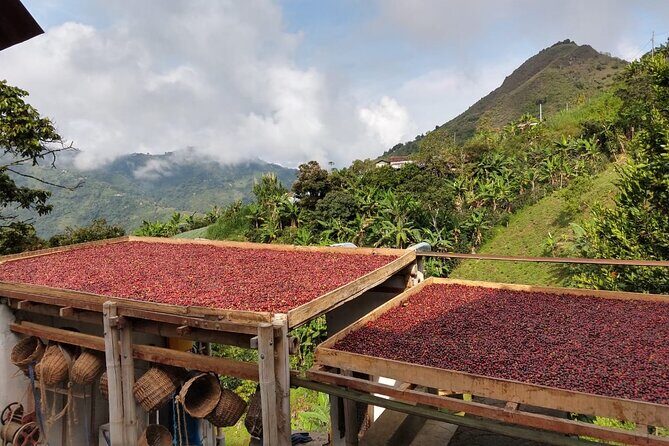
Coffee tours can sometimes become one long sip parade. This one does it better by adding food and coffee-adjacent tastings that help you understand the whole coffee fruit.
Expect to try:
- Multiple coffee drinks during tastings (often several options, not just one basic cup)
- Coffee and/or tea included as part of the program
- Snacks along the way
- Sometimes an early cold coffee drink to get you started
- Items made from parts of the coffee fruit outside the bean, such as lemonade and tea
You also have moments that make the learning stick. You might taste things like raw coffee beans, and you’ll hear why flavor changes as processing changes. If you roast your own coffee at home, you will likely pick up ideas for thinking about sourcing and processing, not just brewing.
And then there is the food. A solid coffee tour should let you keep your energy up, and this one does. Plantains and dessert options come up in the experience as well, so you are not just grazing.
Lunch at Fiambre: what to expect and how it fits the day
The lunch is included, and it happens at Fiambre. The point is simple: you need real food after walking uphill and tasting lots of drinks.
From what you can expect in practice:
- Lunch is Colombian-style, and people call it delicious
- Dessert may be offered as part of the meal options
- You’ll get snacks and coffee or tea during the program, so you are not running on espresso alone
This matters for value. At $74, lunch being included is a big deal because a typical Medellín day out can turn expensive once you add transport and meals. Here, the cost is bundled around your day: guide + tastings + food + transport.
Poncho, hat, and the Diploma de Arriero: the cultural fun part
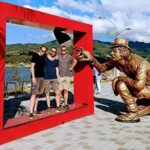
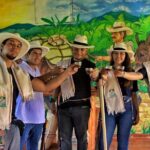
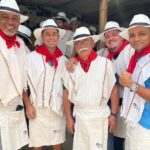
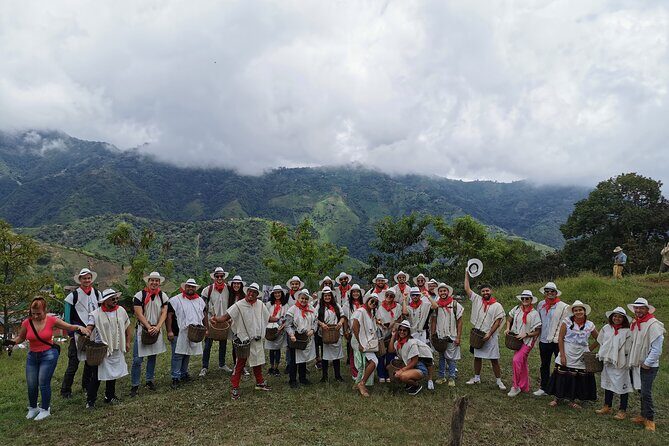
This tour adds a surprisingly memorable, very visual element: you get dressed up with a poncho and hat and play the role of a local arriero. It is not just for photos. Your guide uses the costume moment to connect coffee farming to regional life and history of transport and labor.
At the end, you receive a Diploma de Arriero. It’s the kind of small souvenir that feels fitting here, because it comes out of the day’s theme instead of being a random paper trinket.
If you like hands-on cultural touches, this is one of those details that makes the day feel less like a checklist and more like an experience.
A few more Medellin tours and experiences worth a look


Sturdy shoes are non-negotiable: terrain and the optional horseback ride
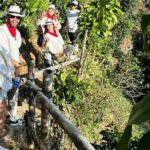
Here is the part you should plan around: the finca paths can be steep and slippery. Multiple guides and safety notes point to the same message—wear shoes with grip. Avoid shorts and flip-flops, and bring sunscreen. If you have any concern about balance, pick stability over style.
One reason this matters is that the day includes climbs and descents. Even people who love the views emphasize that you need the right footwear. If you are visiting with older family members, or anyone with walking limits, this may not be a comfortable match.
There is also an optional horseback ride through the scenery. The tour includes the option, but you should treat it as a choose-your-moment add-on rather than something everyone will do. If you opt in, you’ll want to wear appropriate clothing and expect timing to fit into the group flow.
A small practical heads-up: on some days, the coffee tour can run alongside other horseback-related schedules. That can mean short waiting time while other parts of the group finish. It is not a dealbreaker, but it’s good to expect it so you don’t feel like your time is slipping.
How long, how big, and what the $74 covers
The price is $74 per person, and it includes more than many coffee tours. Your money goes toward:
- Professional guide
- Hotel pickup and drop-off
- Travel insurance
- Lunch at Fiambre
- Tour and coffee process instruction
- Coffee tasting at the finca
- Snacks
- Coffee and/or tea
- Poncho and hat
- Diploma de Arriero
For me, the value comes down to the bundle. You get transport from Medellín, you get your meal, and you get guided production lessons plus tastings. You’re not cobbling together separate activities.
Group size is capped at up to 70 travelers. That doesn’t mean you’ll spend all day packed, but it does mean the tour can be busy. It’s usually run as a structured experience with set activities, so arrive ready to follow the guide’s pace.
Language can vary. The info notes basic English, and the tour may be operated by a multi-lingual guide. If English is important for you, it’s worth confirming that your day has an English-speaking guide.
Practical planning: what to pack and what to watch
This tour lists a bunch of real-life details, and they matter because the day happens outdoors with uneven ground.
Bring:
- Comfortable clothes and good footwear
- Sunscreen
- Mosquito repellent (the guidance calls for it)
- Anything you need for personal comfort in humid outdoor conditions
Avoid:
- Shorts and flip-flops (the terrain can be slippery)
- Any plan that assumes you can walk in a casual sandal
Also, bring your identification document. An ID is necessary for travel insurance coverage linked to the tour. If you forget it, the tour provider notes they are not responsible for eventualities.
One more heads-up: photos and videos may be taken for promotional purposes. If you are privacy-sensitive, consider that when deciding whether to wear your most camera-ready look.
Weather-wise, it operates in all weather conditions. So pack like you might get damp, and plan on slick ground even when it looks dry.
Is the farm visit for you? (A balanced reality check)
This tour shines when you want a guided look at coffee—from fruit to processing to cup—with food and tastings built into the schedule. It is also a great fit if you enjoy learning from specific people. Guides like David, Amelia, and Mateo get praised for clear explanations and making the experience interactive.
But it is not a “wander the whole farm at your own speed” type of visit. One thing to expect: the farm component is guided and structured, with walking that can be limited in distance but still steep in places. If you want long, open-ended exploration, you might feel the time on certain farm areas is shorter than you hoped.
If you accept that it’s a program, not a free roam, you’ll probably enjoy it much more.
Should you book the Medellín coffee tour with lunch and transport?
Book it if:
- You want a full day lesson on Colombian coffee production with tastings and a real included meal
- You prefer a hotel pickup setup over navigating rural transport
- You like farm culture details, including dress-up and the arriero diploma
- You can handle steep, slippery paths with solid shoes
Skip or reconsider if:
- Mobility is an issue. This tour is not recommended for people with mobility problems.
- You are not comfortable walking uphill on uneven, slippery terrain.
- You expected hours of free farm exploring instead of a guided program.
If you fit the first list, this is a strong value day out of Medellín. You leave with practical coffee thinking plus the kind of cultural details you remember long after the last cup is gone.
FAQ
How long is the coffee tour from Medellín?
The experience lasts about 5 to 6 hours.
Is round-trip transportation included?
Yes. The tour includes hotel pickup and drop-off from Medellín.
What food and drinks are included?
You get snacks, lunch at Fiambre, and coffee and/or tea, plus part of the tour tasting experience.
Does the tour include the horseback ride?
Horseback riding is optional.
What should I wear for the farm visit?
Wear comfortable clothes and shoes made for slippery terrain. The guidance specifically recommends avoiding shorts and flip-flops, and it also suggests sunscreen and mosquito repellent.
Is the tour okay for people with mobility problems?
It is not recommended for people with mobility problems. The terrain can be steep and slippery.