REVIEW · MEDELLIN
Commune 13 graffiti tour food Panoramic street and cable car
Book on Viator →Operated by amazing tours in medellin · Bookable on Viator
Graffiti and cable cars in the hills. This Comuna 13 outing uses the Metrocable to get you sweeping views while a local guide connects today’s street art to the neighborhood’s big changes. You’ll also get the Electric Stairs moment, plus time to take in the streets on foot.
I love the mix of views and walking: you ride high for panoramas, then drop into the streets where the art and stories make sense. I also like the maracumango ice cream stop at Cremas Doña Alba, a simple, local reward that keeps the energy up. Main drawback: plan for a lot of steps and uneven hill walking, and expect the route can feel louder and more touristy than you might hope, especially if you’re trying to hear every detail.
In This Review
- Key highlights you should care about
- Why this Comuna 13 tour is such good value
- Getting oriented at San Javier (and why the Metrocable matters)
- Juan XXIII station and the viewpoint you’ll actually use
- Cremas Doña Alba: the maracumango food stop that hits the spot
- The guided graffiti walk (where the stories do the heavy lifting)
- Electric Stairs: short climb, big meaning (and sore legs)
- The final walk in Comuna 13: art, music, and movement
- Price, time, and how hard it really is
- Guides and what to expect from them
- Where it starts and how to get ready
- Should you book this Comuna 13 tour?
- FAQ
- How long is the Comuna 13 graffiti tour with food and cable car?
- What does the tour cost?
- How big is the group?
- Where does the tour start and end?
- What’s included with the tour stops?
- Is the tour physically demanding?
- What is the cancellation policy?
Key highlights you should care about

- Metrocable + viewpoint time: You start at San Javier and pass through Juan XXIII for big skyline views and photo stops.
- Maracumango break: Cremas Doña Alba is a classic local stop, and passion fruit + mango tastes exactly like the name sounds.
- Graffiti with context: You’re not just seeing murals; your guide explains what each message means.
- Live street energy: Expect cultural presentations during the walk, not a museum-style script.
- Electric Stairs as a symbol: The climb is short on paper and long on legs, with art along the way.
- Small group (max 10): Easier pace and better attention from the guide.
Why this Comuna 13 tour is such good value
At $17 per person for about 4 hours, this is one of those Medellín tours that hits several targets at once: transport, guided history, major landmarks, and included food. What makes it good value is that you’re paying for more than a photo stop. You’re paying to get oriented fast—how the neighborhood looks, how it works, and why the murals and performances matter.
The group size is small (up to 10), which usually means less chaos. You can hear your guide better, move with the group through narrow streets, and actually have a moment to wander instead of being herded like a stampede.
The tour also covers a classic set of Comuna 13 highlights: Metrocable rides, a viewpoint at Juan XXIII, a local ice cream stop, a guided graffiti walk, and the Electric Stairs. That combination is practical, especially if it’s your first time in Medellín and you don’t want to figure out transit and timing while also trying to understand the place.
Other Comuna 13 graffiti tours we've reviewed in Medellin
Getting oriented at San Javier (and why the Metrocable matters)
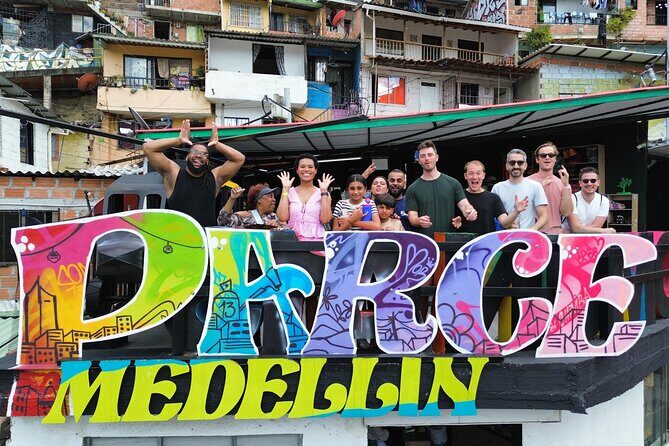
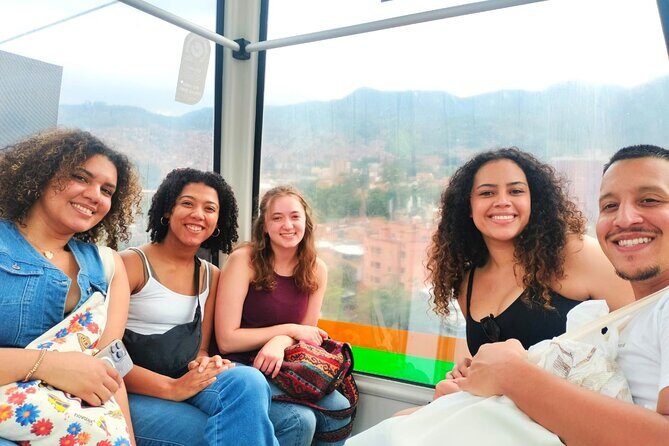
You begin at Estación metro San Javier, a smart start because it gets you into Comuna 13 access without guessing routes. From there, the tour takes you onto the Metrocable, and this is where the whole experience clicks: Comuna 13 is easier to understand when you first see how the hills and streets layer onto the city.
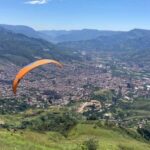
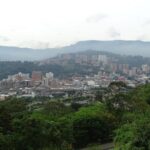
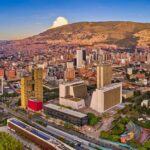
You’ll get panoramic views of Medellín from the cable car as you move toward the area’s higher points. Even if you’re not a scenery person, the ride gives you a real sense of distance and elevation—why the streets feel steep and why the neighborhood’s “access” story is tied to change.
One practical point: cable cars and metro rides mean you’ll be standing at points, so wear shoes that won’t punish you after 20 minutes. If you’re the type who gets tired easily on public transit, consider doing this earlier rather than later in the day.
Juan XXIII station and the viewpoint you’ll actually use
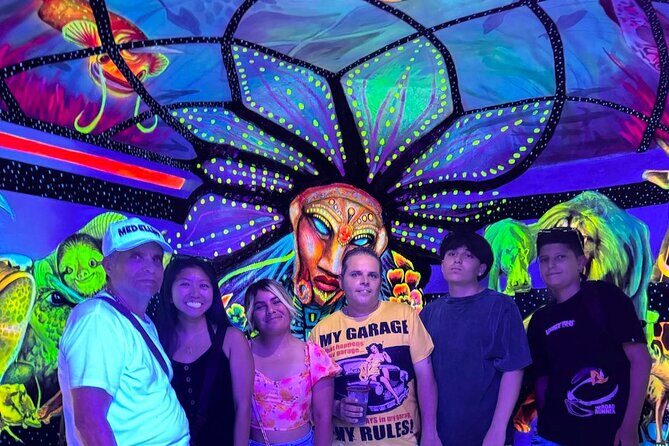
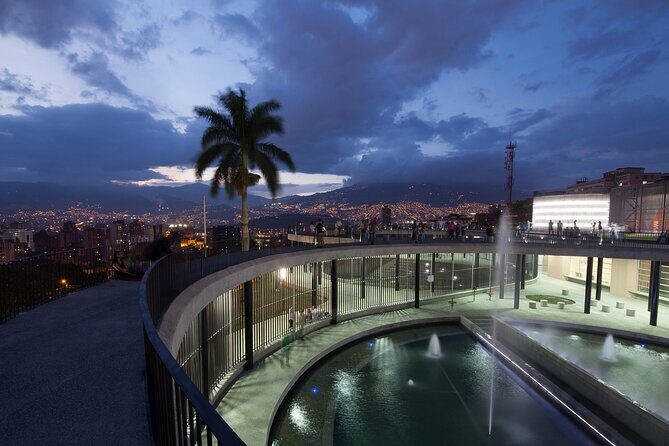
Next comes Estación Metrocable Juan XXIII, and the tour uses this stop to do two useful things: it places you right in the right zone for photos and it gives you time at a viewpoint near John XXIII.
That viewpoint time is more than “look at the city.” It helps you connect what you’ll see down below: the density of the streets, how the art is placed on walls and slopes, and the way the community uses public space. When your guide later points out specific murals, those earlier views make the explanations click instead of sounding abstract.
It’s also the best place to slow down and take pictures without feeling rushed. The tour sets aside about 30 minutes here, which is enough time to grab your shots and still keep pace with the group.
Cremas Doña Alba: the maracumango food stop that hits the spot
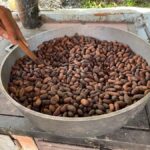
Halfway through, you’ll stop at Cremas Doña Alba, where you’ll get a typical ice cream made in an artisanal way. The local favorite is maracumango, a passion fruit and mango flavor combination. If you like fruity, creamy desserts, this is an easy win.
I like food stops like this because they do two jobs. First, they keep your energy up when the walking starts stacking up. Second, they’re a low-pressure way to taste local life without needing a sit-down restaurant or a long detour.
Time here is about 15 minutes, so you won’t lose half the afternoon waiting for dessert. Also, if you’re sensitive to crowds, this is usually a calmer stretch compared with the art-walk parts of Comuna 13.
The guided graffiti walk (where the stories do the heavy lifting)
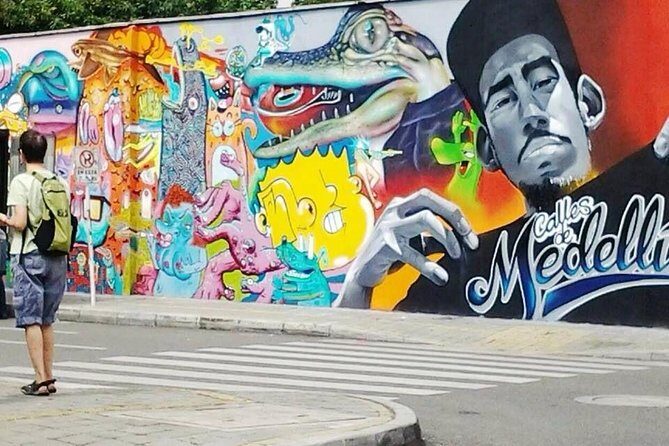
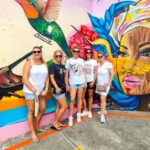
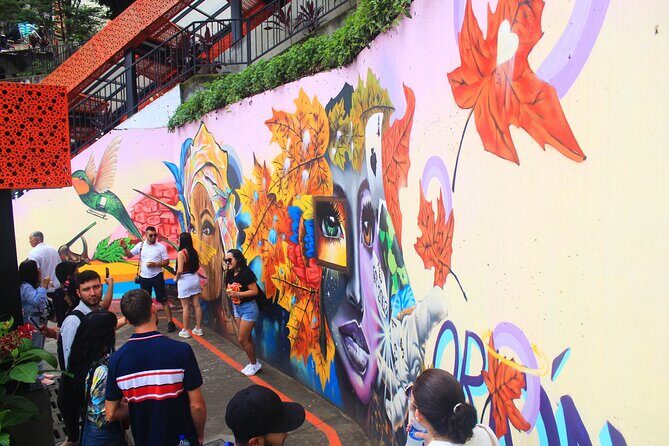
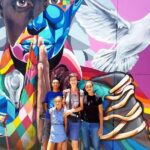
The main art portion is the Graffiti tour in Comuna 13, lasting about 2 hours. This is where you’ll explore colorful streets and murals created by local artists—many with messages tied to resistance and hope.
The key value here isn’t the graffiti itself (you’ll see plenty of it anywhere in Medellín). The value is the way your guide explains why the work exists and what it reflects about the neighborhood’s past and its transformation. You’ll also see how the art connects to community voice rather than being treated like a random tourist backdrop.
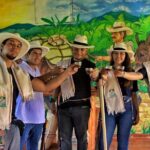
Another thing I appreciate: the tour isn’t just silent wandering. It includes live cultural presentations as you move through the area. Some guides coordinate music and performance moments—think street dance and rap-style energy—so the history feels less like a lecture and more like something alive.
Downside? This part can be noisy at times, and some areas of Comuna 13 feel busy. If you’re trying to pick up every word, keep your ears open and don’t be afraid to ask your guide to slow down when you need it.
Other cable car and Metrocable rides we've reviewed in Medellin
Electric Stairs: short climb, big meaning (and sore legs)
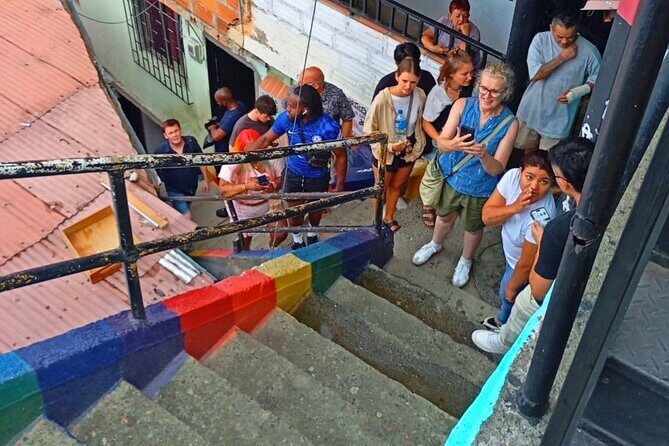
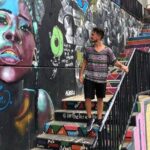
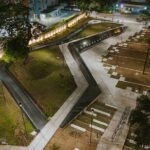
After the graffiti walk, you’ll head to Escaleras Electricas de la Comuna 13, the iconic Electric Stairs. This section is only about 15 minutes, but it’s the kind of “15 minutes” that can turn into a workout if you rush it. Expect a climb alongside the guide, with murals and urban art along the way.
Why this matters: the stairs are more than an attraction. They’re a symbol of social transformation—proof that infrastructure can change daily life. When you see how art has been placed across the climb, it also becomes clear why people keep using the same spaces for expression.
Photo tip: don’t just shoot the top. Look down the stair path too. The angles tell you how the neighborhood rises and where the art is meant to be read—up close, on the way up.
The final walk in Comuna 13: art, music, and movement
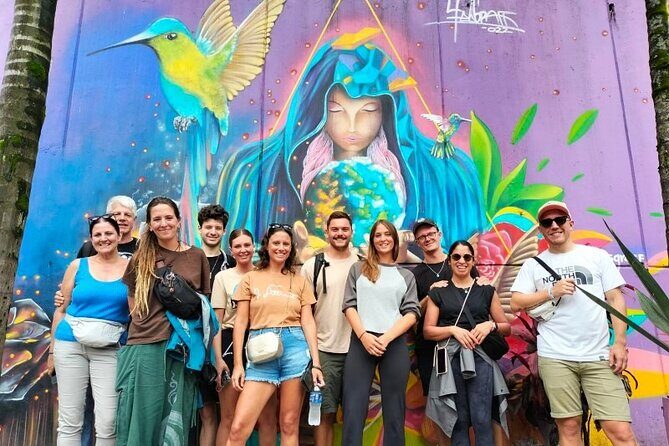
The last stretch is about 50 minutes in Comuna 13, a walk through streets full of explosive color and murals that tell stories. Your guide leads you through the area with a focus on transformation, and you’ll also have moments where urban dance shows or similar performances bring the energy up.
This is also where you may get a little time to wander more freely, especially if your guide’s pace is comfortable for the group. Multiple guides are described as taking time with people, pausing when needed, and making sure you don’t feel like you’re sprinting from one wall to another.
A balanced expectation: this final walk is where the tour feels most like a real neighborhood and less like an “attraction loop.” That’s the good part, but it also means you’ll notice traffic noise, voices, and general street bustle. If you’re hoping for quiet and perfectly timed commentary, pick a moment to step aside, regroup, and then rejoin.
Price, time, and how hard it really is
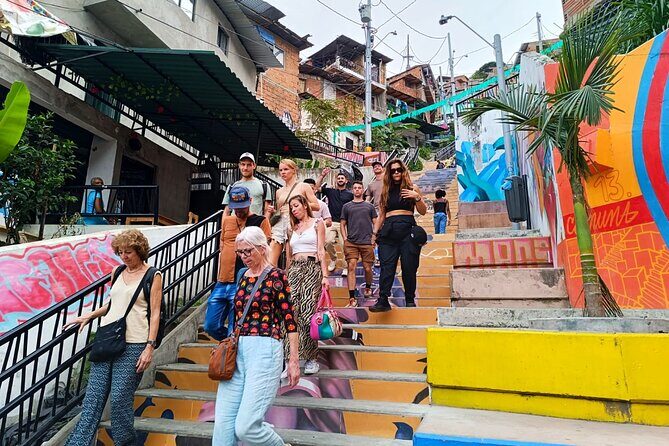
The tour runs about 4 hours, but in real life you should expect it could stretch toward 5 hours, mainly because walking pace, photo stops, and the timing of performances can vary.
The biggest physical factor is that this is not a flat stroll. You’ll deal with hills, steps, and narrow streets, and you’ll also spend time on transit. The tour asks for moderate physical fitness, so if stairs make you uncomfortable, wear shoes with grip and plan to take breaks without shame.
This is also why the small group size matters. When you’re in a group of 10, it’s easier to keep people together if someone needs to pause or slow down.
Guides and what to expect from them
This tour is run by a Medellín team, and the guide quality seems to be a major reason for the high rating. You may encounter guides such as Andres, Samuel, Yurley, Adrian, Luis, Hector, or Roger—and the common thread is that they share the neighborhood’s history with care and attention.
A few examples from the experience descriptions: Andres is noted for reaching out early and going the extra mile to help the group feel safe; Samuel is praised for clear explanations and good group attention; Luis is recognized for professionalism when handling reservation issues; Roger is appreciated for snacks and information even if the noise level can be a letdown for some. The point isn’t that every guide will match every detail, but that the company seems to put real effort into guide craft.
If you want the best match for your trip style, choose an afternoon slot. One smart tip that comes up often: an afternoon tour can give you the chance to see the light shift toward sunset during the Comuna 13 time.
Where it starts and how to get ready
Meet at Rico Rincón, Cra 48C #6-333, El Poblado, and the tour ends back at the same meeting point. Since it’s near public transportation, it’s usually easier to connect to other Medellín plans after you return.
What to bring:
- Comfortable walking shoes (seriously)
- A light layer (cable cars and transit can feel cooler than you expect)
- Water (the tour includes ice cream, but it doesn’t replace hydration)
- A phone with enough space for photos, because the viewpoints are worth it
What to plan around:
- Expect walking through narrow streets
- Expect crowds and street noise in parts of the neighborhood
- Be ready for a pace that mixes transit, short stops, and some sustained walking
Should you book this Comuna 13 tour?
I’d book it if you want a guided, organized introduction to Comuna 13 that includes the practical transit (Metrocable), the major visual moments (Juan XXIII viewpoints and Electric Stairs), and a real local taste (maracumango ice cream). At $17, it’s priced like a budget-friendly tour, but it covers several “big-ticket” experiences in one flow.
I wouldn’t choose it if you need a quiet, minimal-walking experience or if stairs are a deal-breaker. Also, if you get stressed by lively street environments, you may find the graffiti and performance parts louder than you want.
If you’re flexible, wear good shoes, and go in expecting a real neighborhood (not a staged show), you’ll likely come away with the sense that the art is not decoration—it’s communication.
FAQ
How long is the Comuna 13 graffiti tour with food and cable car?
It’s about 4 hours in total, though it can feel closer to 5 hours depending on walking pace and time for views and performances.
What does the tour cost?
The price is $17.00 per person.
How big is the group?
The tour has a maximum group size of 10 travelers.
Where does the tour start and end?
It starts at Rico Rincón, Cra 48C #6-333, El Poblado, Medellín, and ends back at the same meeting point.
What’s included with the tour stops?
Admission tickets are included for the tour’s metro/cable car segments and the paid components of the stops. The food included is ice cream at Cremas Doña Alba (maracumango).
Is the tour physically demanding?
It requires moderate physical fitness. Expect hills, steps, and walking through narrow streets.
What is the cancellation policy?
Free cancellation is available. You can cancel up to 24 hours in advance for a full refund, and cancellations within 24 hours are not refunded.