REVIEW · MEDELLIN
Medellin downtown: History and culture through fun stories
Book on GetYourGuide →Operated by Sebastian Santamaria · Bookable on GetYourGuide
Downtown Medellín has hidden layers. This 3-hour walking tour uses storytelling to connect city landmarks to real local history, starting around Alpujarra and working your way through the center. You’ll get a local rhythm for the streets, not just a list of stops.
I love the hands-on feeling of the route: you’re not only looking from outside. You’ll have entry to the Train Station and palaces, plus a guide who keeps details clear in both English and Spanish. I also like the art-and-views combo at Plaza Botero and the Palace of Culture terrace.
One watch-out: it’s typically done in the morning, so sun matters, and you’ll want to budget for metro tickets since they’re not included. If you’re sensitive to heat, bring a hat and sunscreen.
In This Review
- Key things I’d plan around
- Entering Medellín’s Old Center Through Stories
- Alpujarra Metro Start: The Route Begins with the Past
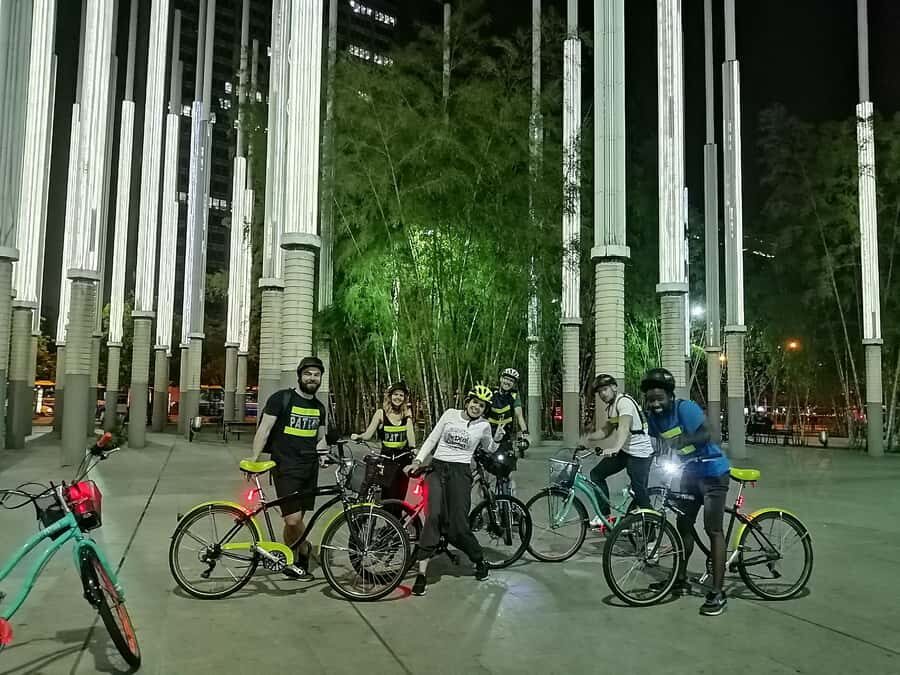
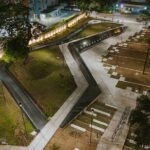
- Parque de las Luces: A Short Stop with Big-City Energy
- Cisneros Square and Carabobo Street: Linking Landmarks to Meaning
- Plaza Botero: Art in Public Space, No Museum Ticket Needed
- Palace of Culture Rafael Uribe Uribe: Terrace Views That Make Sense
- Junín Street or Traditional Food: Choose Your Downtown Ending
- What’s Included, What’s Not, and How to Get Good Value
- Who This Tour Fits Best
- Helpful Tips Before You Go
- Should You Book This Medellín Downtown Walk?
- FAQ
- How long is the Medellín downtown tour?
- Where do we meet for the tour?
- Where does the tour end?
- What languages is the guide available in?
- Is entry to the main attractions included?
- Do I need metro tickets?
- What should I bring?
Key things I’d plan around
- Old downtown power spots: Alpujarra area includes the Train Station plus City Hall and the Administrative Center
- Two “palace” stops: the train-station complex feel and the Palace of Culture with its photo-ready terrace
- Plaza Botero on foot: a public art stop you can actually walk around and enjoy at your own pace
- Former Palace of Justice area: you’ll pass by on Carabobo Street for context about how the city changed
- A real choice at the end: Junín Street traditional market vibes or a simple plan for local snacks and meals
Entering Medellín’s Old Center Through Stories
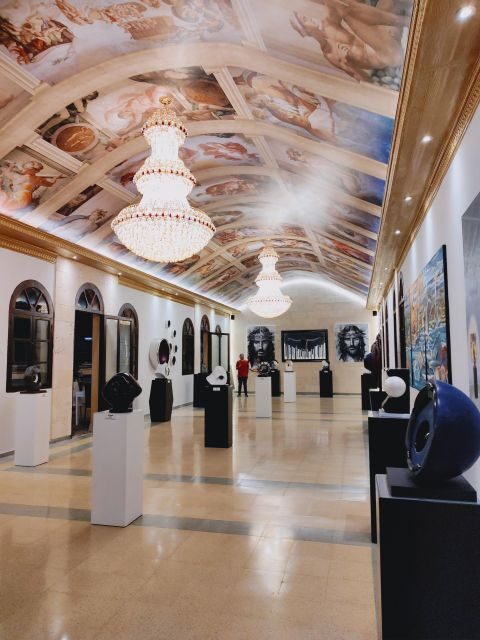
This tour works because it treats downtown like a living timeline. Instead of only pointing at buildings, your guide ties together why the city built certain landmarks where it did, and what those places mean in everyday Medellín life.
You’ll get that “oh, that’s why” feeling at multiple stops. And because the group is small (up to 10 people), you’re not stuck in a noisy herd with no chance to ask questions when something clicks.
Other historical tours in Medellin

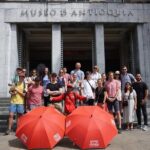

Alpujarra Metro Start: The Route Begins with the Past
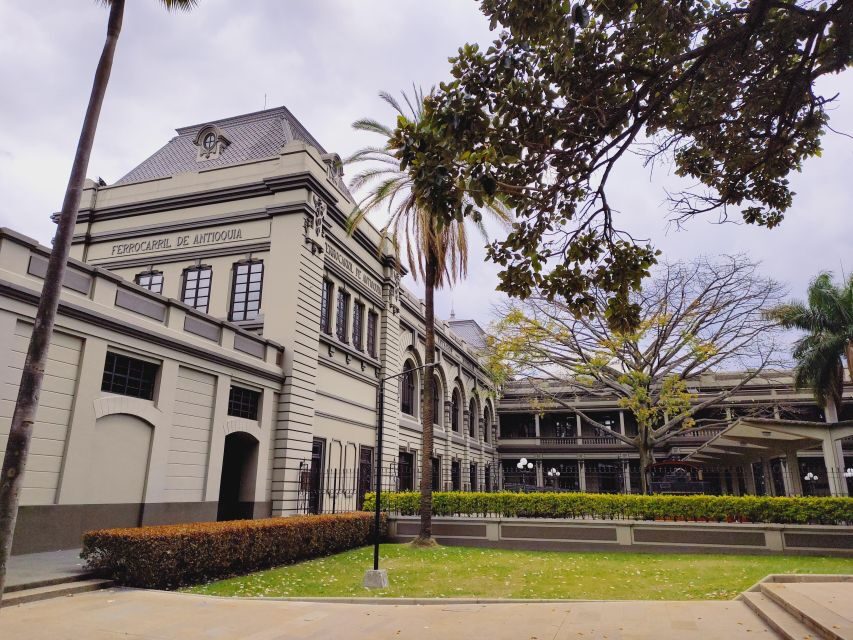
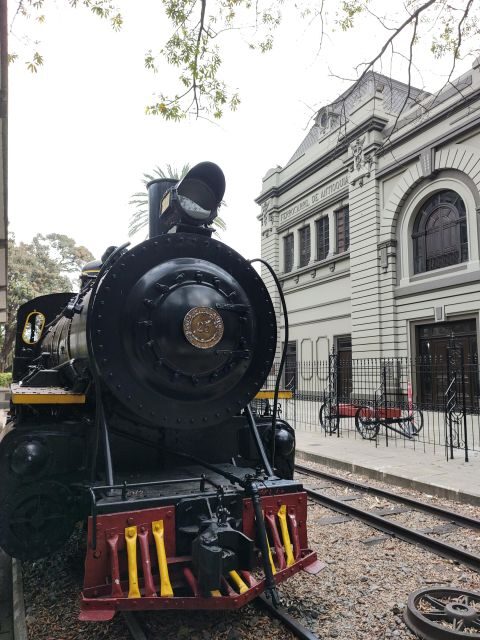
You meet at the north exit by the turnstiles at Metro station Alpujarra. From there, the plan starts with the center’s older identity—beginning at the area around the Train Station, plus the City Hall and the Administrative Center nearby.
What I like here is the way the tour frames the train station as more than architecture. Even if you’re not a rail nerd, it helps you understand why Medellín grew, shifted, and kept rebuilding its public spaces. And since entry is included for the train station and palaces, you’re seeing more than just a photo spot.
Practical note: because this is a walking experience with a morning tilt, wear shoes you trust. Downtown Medellín is very doable on foot, but it’s still a lot of streets in a few hours.
Parque de las Luces: A Short Stop with Big-City Energy
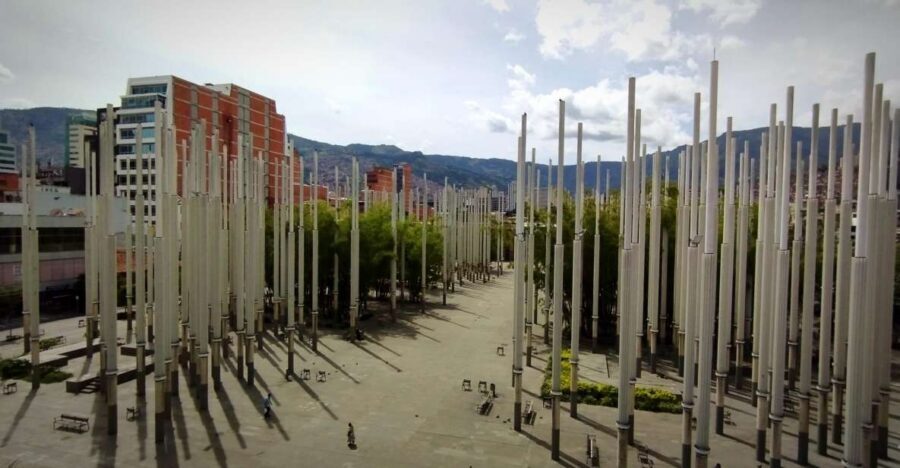
Next up is Parque de las Luces (about 45 minutes). This is one of those stops where you slow down just enough to reset your eyes and your brain.
Why it matters: you’re not only learning facts. You’re learning how people move through this part of town—where they linger, where they cut across, and how the space fits the neighborhood. That’s what makes the later landmarks land better, because you already have a mental map of the area.
If you’re taking photos, this is a good time to do it. You’ll be walking again soon, and light conditions can change as you head toward major squares.
Cisneros Square and Carabobo Street: Linking Landmarks to Meaning
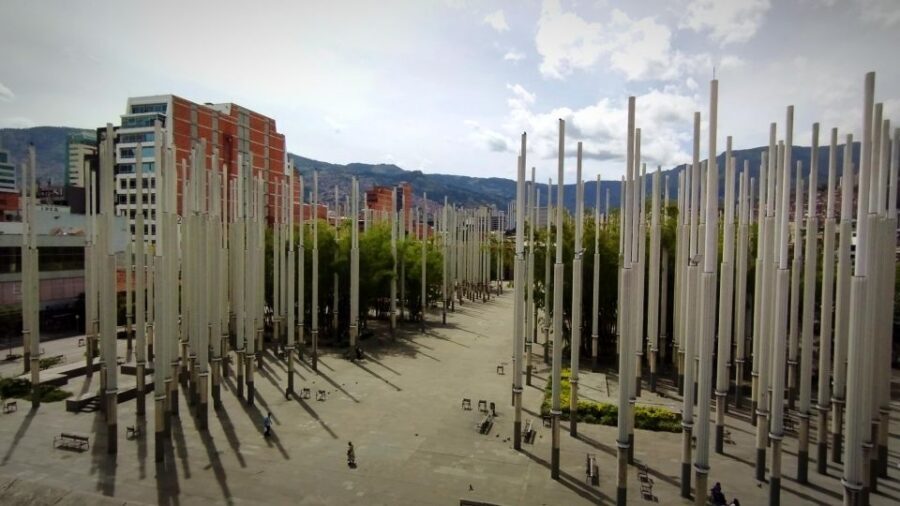
From the main open space, the walk continues toward Cisneros Square and along Carabobo Street. This stretch is where the tour’s “fun stories” style really earns its keep, because the guide is connecting building names to the city’s turning points.
Carabobo Street includes an opportunity to visit the former Palace of Justice. Even without going heavy on legal history, the site gives you context for how Medellín has transformed and repurposed big downtown spaces over time.
This is also where you’ll probably appreciate walking with a guide rather than doing it solo. The route is manageable, but the meaning of what you’re seeing is much easier to grasp when someone explains the link between past and present.
Plaza Botero: Art in Public Space, No Museum Ticket Needed
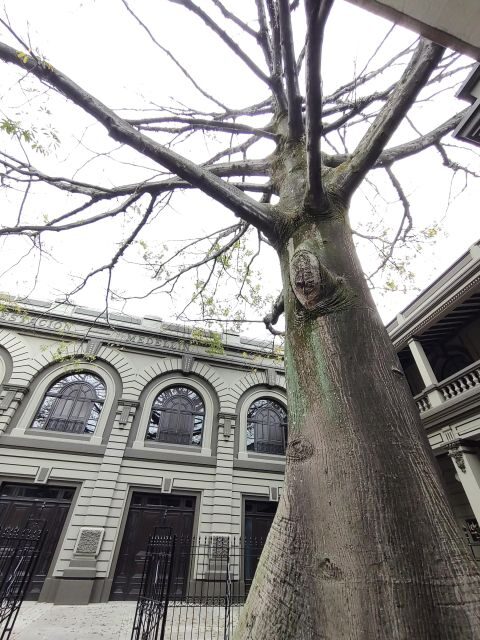
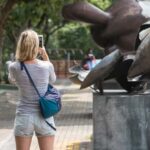
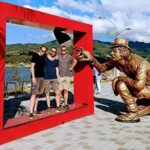
Then comes one of the most famous stops: Plaza Botero. You’ll have about 30 minutes here, which is enough to look carefully, not just snap a single wide-angle photo.
The key value of Plaza Botero is that the art is in your everyday path. It doesn’t feel like a museum chore. You can stand, walk around the sculptures, and read the story at your own pace while staying in the flow of downtown.
I also like this stop because it breaks up the heavier “institutions and past events” vibe. It’s a reset—color, scale, and humor in public space. And it gives your guide a chance to connect the art scene to the wider idea of Medellín’s identity.



Palace of Culture Rafael Uribe Uribe: Terrace Views That Make Sense
After Botero’s Square, you visit the Palace of Culture Rafael Uribe Uribe (about 30 minutes). This is your second major palace stop, and it adds a totally different dimension: the view.
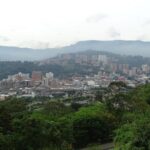
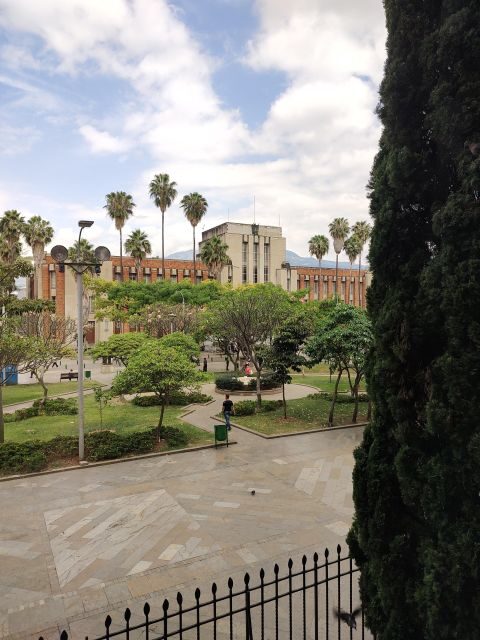
You’ll explore the terrace, which is one of those places where the skyline suddenly makes sense. From here, you get a better mental picture of why the city’s downtown landmarks feel connected—because you can see the city’s layers and direction.
If you love photos, this terrace is the moment to be intentional. Take your time. Look around first, then do a couple of angles. It’s also a good spot to ask your guide a quick question, since you’re stationary for a moment and you’ll have better listening.
Junín Street or Traditional Food: Choose Your Downtown Ending
Once you’re done with the Palace of Culture, the tour gives you two directions for the final stretch:
1) Continue exploring downtown and visit Junín Street, the most traditional market street
2) Or go to traditional restaurants to try local food, like empanadas, buñuelos, and arepas
This choice is smart for travelers because it matches your travel style. If you want street energy and local commerce, Junín Street makes sense. If you’d rather sit down, eat, and keep the tour’s context from turning into more walking, the food option is a solid move.
Either way, you’ll finish at a metro station—Estación Parque Berrío—so you’re positioned to keep exploring Antioquia or Medellín without having to retrace your whole route.
What’s Included, What’s Not, and How to Get Good Value
Even though the price shows as $0.00 per person, what matters is what you actually receive. Your experience includes entry to the Train Station and palaces and a bilingual guide (English and Spanish). That’s the core value: access plus interpretation.
What’s not included:
- Metro tickets
- Entry to the Museum of Antioquia (about 6 USD if you decide to add it)
- Food
Here’s how I’d think about value: if you already plan to use the metro and you want someone to explain what you’re seeing, free guided access to key indoor/outdoor landmarks is a great trade. The only real costs come from optional add-ons (like the Museum of Antioquia) and meals.
Who This Tour Fits Best
This is a strong choice if you:
- Want an efficient 3-hour downtown orientation
- Like history told in stories rather than lecture mode
- Prefer a small group experience where the guide can answer questions
- Want a mix of architecture, public art, and a terrace view
It may be less ideal if you:
- Hate walking in the sun (the morning schedule makes hat + sunscreen more than a nice idea)
- Expect a long food crawl with lots of included tastings (food isn’t included)
- Want museums as the main focus (the Museum of Antioquia entry is not included)
Helpful Tips Before You Go
Bring sunscreen and a passport-sized photo. Since the tour tends to run in the morning, a hat is a smart move too.
Also, pack small. You’ll be moving between squares and streets, and you’ll want your hands free for photos and quick questions.
Finally, plan on paying for metro tickets yourself. It’s easy enough once you’re there, but it’s one of the few items you need to account for.
Should You Book This Medellín Downtown Walk?
I’d book it if you want a simple, high-impact introduction to Medellín’s downtown without feeling like you’re rushing through a checklist. The mix of Alpujarra’s train-station complex, Plaza Botero, and the Palace of Culture terrace gives you variety, and the bilingual guide style seems to be a standout for many people.
If you’re the type who enjoys learning while walking, and you’re okay adding your own metro and meal plan, this tour is a strong value. And with a small group limit, you’re more likely to get the kind of explanation that actually helps you enjoy the city afterward.
FAQ
How long is the Medellín downtown tour?
It lasts about 3 hours.
Where do we meet for the tour?
You meet at the north exit of Metro station Alpujarra, by the turnstiles.
Where does the tour end?
The tour ends at Estación Parque Berrío.
What languages is the guide available in?
The guide is bilingual: English and Spanish.
Is entry to the main attractions included?
Yes. Entry to the Train Station and palaces is included. Entry to the Museum of Antioquia is not included (about 6 USD).
Do I need metro tickets?
Yes. Metro tickets are not included.
What should I bring?
Bring sunscreen and a passport-sized photo. A hat is also recommended since the tour is usually in the morning.