REVIEW · MEDELLIN
Pablo Tour with Cathedral
Book on Viator →Operated by city vibes tours · Bookable on Viator
Pablo’s Medellín story is heavy, but well paced. I like the air-conditioned transfers and the free bottled water that keep the day comfortable and easy. You’ll also walk through several real places tied to his life and death, led by a guide—often described as Andres—who brings a friendly, grounded explanation of Medellín and the context around what you’re seeing. One consideration: this is not a light sightseeing loop, so be ready for serious subject matter as you visit memorial- and prison-related sites.
What makes the format work is the time design. This is roughly 3 hours, with a long first stop and then quick, focused segments: 1 hour at Monasterio Santa Gertrudis La Magna, then 30 minutes each at Montesacro Cemetery, Los Olivos Antioquia–Chocó, and Cancha El Dorado. And since the stops listed are marked as free admissions, you’re paying mostly for the guide and the experience flow, not museum ticket fees.
It’s also a private tour, so you’re not packed into a big group or stuck listening through headphones. That said, it’s still a short tour, so if you want deep, hour-by-hour background lectures, you’ll need to do a bit of reading before you go—or treat this as the “orientation” piece that helps you know what to look up next.
In This Review
- Key highlights to know before you go
- A 3-hour Pablo Tour with Cathedral that respects your schedule
- Transfers and timing: why the “easy logistics” part matters
- Stop 1: Monasterio Santa Gertrudis La Magna and the jail Pablo built
- Stop 2: Montesacro Cemetery in 30 minutes
- Stop 3: Los Olivos Antioquia–Chocó, the house where Pablo died
- Stop 4: Cancha El Dorado, the football field in his neighborhood
- The guide (Andres) is where the story becomes clear
- Price and value: does $70 make sense for this route?
- Who should book this tour, and who should skip it
- Should you book the Pablo Tour with Cathedral?
- FAQ
- How long is the Pablo Tour with Cathedral?
- Is the Pablo Tour with Cathedral private?
- What stops are included on the tour?
- Are admission tickets included for the stops?
- Does the tour include hotel transfer and water?
- Can I cancel for a full refund?
- Is it suitable for most people and are service animals allowed?
Key highlights to know before you go
- Private tour format means it’s only your group, so questions land fast and pace stays flexible.
- Air-conditioned vehicle transfers keep the 3-hour route comfortable in real Medellín heat.
- Bottled water included so you don’t lose time buying snacks or hunting for water.
- Short, timed stops (1 hour + three 30-minute visits) make it easy to fit into a packed itinerary.
- All listed admissions are free, which makes the $70 price feel more straightforward.
- Andres-style guiding is described as welcoming and friendly, with city-and-history context tied to what you’re seeing.
A 3-hour Pablo Tour with Cathedral that respects your schedule
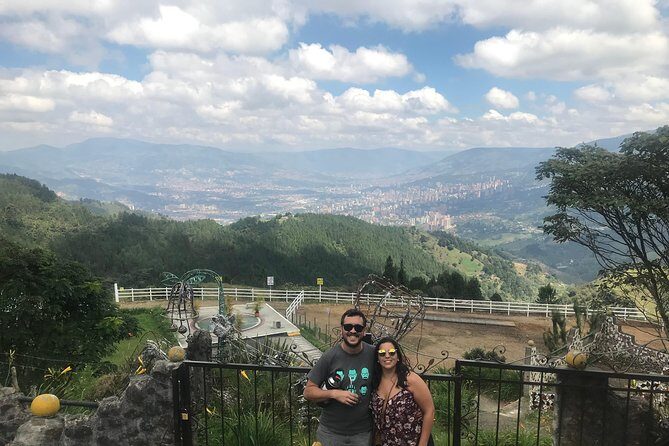
This is the kind of tour that works when you want a “story route” without turning your whole day into a history seminar. The timed structure helps you move from one location to the next without getting stuck in a single site too long. If you like compact itineraries—just enough time to understand what you’re looking at and then keep living your day—this fits.
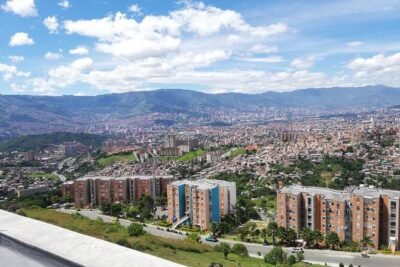
Also, notice how the stop mix is designed. You’re not only visiting one type of place. You go from a monastery setting linked to his confinement to a cemetery stop, then to the house connected to his death, and finally to a football field tied to his neighborhood roots. That variety gives you a fuller sense of the geographic sweep of his story, rather than a single-theme experience.
One small detail in the name: Pablo Tour with Cathedral. The schedule you follow focuses on the four Pablo-linked locations listed, so think of the tour title as more of a brand label than a promise that the cathedral itself will be the main timed attraction. You’ll know where your time is going once you’re on the ground and the guide is walking you through the route.
Other Pablo Escobar history tours we've reviewed in Medellin


Transfers and timing: why the “easy logistics” part matters
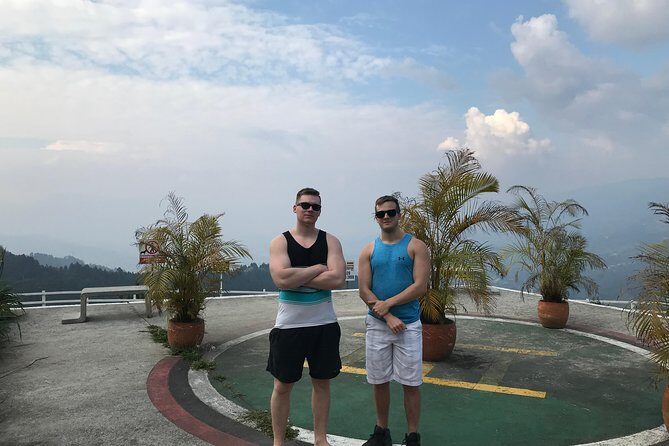
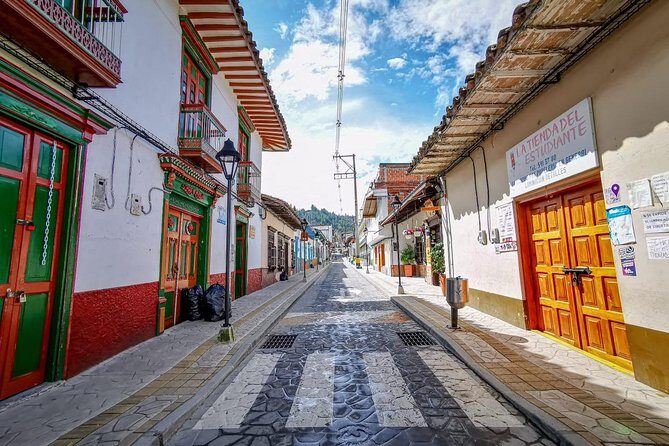
You get hotel transfers in an air-conditioned vehicle. In Medellín, that can be the difference between enjoying the route and spending your energy calculating how to beat traffic. It also helps if you’re not staying right next to major transit lines. The tour notes it’s near public transportation too, which is reassuring if you want a backup plan.
The timing is also clear enough to plan around. It’s about 3 hours, not half a day. That means you can do this in the morning or afternoon and still have time for other sights, meals, or a second neighborhood walk after you’re back.
And because bottled water is included, you don’t have to treat hydration like an extra chore. It’s a small thing, but small things matter when you’re visiting four locations in a row.
Stop 1: Monasterio Santa Gertrudis La Magna and the jail Pablo built
Your first stop is Monasterio Santa Gertrudis La Magna, with 1 hour on site. The listing describes it as the jail Pablo built for himself, and that alone sets the tone. This is a place you’ll approach more like a site of confinement and control than a typical tourist building.
In a tour like this, the value of the first stop is that it gives you a foundation. By the time you move on, you’re not just seeing random locations—you’re starting to understand how power, fear, and personal control shaped the spaces connected to him. A longer first segment helps you absorb the basics before the tour becomes more of a “hit the next location” rhythm.
What I’d watch for here: how the physical setting changes the way you imagine the story. Even if you think you know the headlines, being in the space where that confinement happened tends to make the narrative feel less like distant news and more like lived reality.
Practical tip: use the full hour. This is not a quick photo-stop first location. Treat it like the main anchor point of the whole 3-hour route.
Stop 2: Montesacro Cemetery in 30 minutes
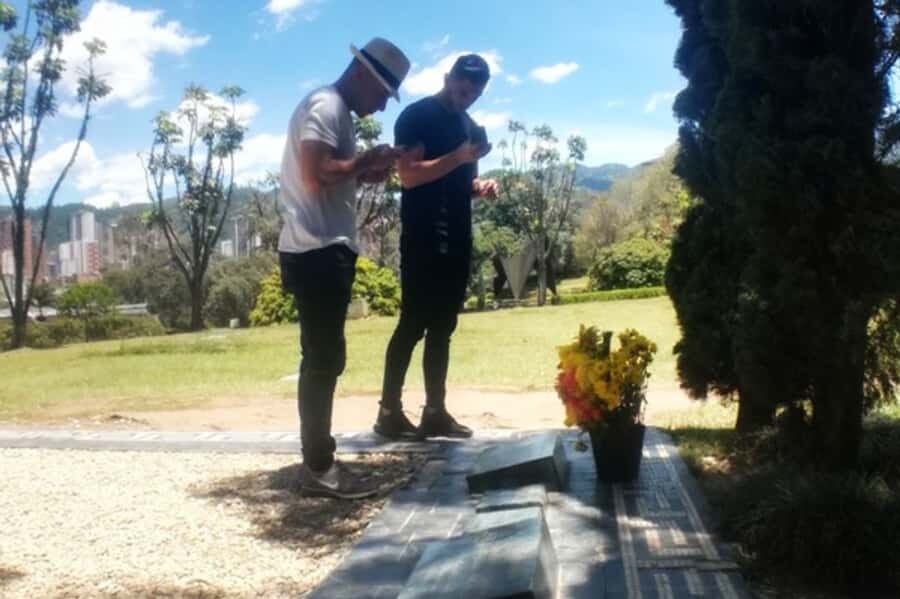
Next up is Montesacro Cemetery for about 30 minutes, with admission listed as free. Cemetery visits can feel abrupt when they’re squeezed into short tours, so the best way to use this segment is with intention: slow down, look at the setting, and let the guide’s explanation land.
Why this stop matters in the overall story route: cemeteries connect the personal aftermath to the geography. You’re moving from confinement to commemoration. Even with limited time, that change in mood helps the tour feel complete instead of one-note.
A consideration here is pacing. Thirty minutes can be enough for understanding and a quiet look, but it won’t cover every question you might have. If you want to ask follow-ups, this is the time to do it while you’re still at the emotionally focused stop.
Stop 3: Los Olivos Antioquia–Chocó, the house where Pablo died
The third location is Los Olivos Antioquia–Chocó, described as the house where Pablo died, with 30 minutes and free admission listed. This stop often hits differently because it’s tied to the end of the story rather than the middle. And when a tour shifts to “the last chapter” spaces, your brain tends to ask different questions.
In practical terms, this is the moment where you’ll likely notice contrasts: the home setting versus the jail-type setting you saw first. Even if the tour keeps things respectful and factual, the contrast helps you understand how the story moved through different kinds of spaces—some built for restraint, some for living, and some for public remembrance.
Since it’s 30 minutes, go in ready to focus on what the guide points out. If you come with a few targeted questions—like how the setting is understood today—you’ll get more out of the stop than if you try to absorb everything on your own at once.


Stop 4: Cancha El Dorado, the football field in his neighborhood
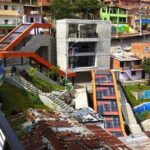
The final timed stop is Cancha El Dorado, a football field that Pablo built in the neighborhood where he grew up. Like the other later stops, it’s listed at 30 minutes, with admission free.
This is the stop that most people remember because it breaks the pattern. Up to now, the tour has strong themes of confinement, death, and aftermath. A football field tied to neighborhood roots adds a different angle—community space, youth culture, and the way legends are also built through local identity.
Is it a “light” stop? Not exactly. It’s still part of the same story, so keep your tone respectful. But the setting itself can change how you process the information. Instead of only thinking about what happened, you’re also looking at why certain narratives take hold where people live and play.
Practical tip: wear comfortable shoes. Even if you’re not walking long distances, you’ll be standing and moving around enough that your feet will notice if you chose fancy footwear.
The guide (Andres) is where the story becomes clear
The tour’s quality comes down to the guide’s ability to make sense of what you’re seeing, and the feedback here is strongly consistent around Andres. The comments describe him as welcoming, friendly, and well versed in explaining the city and its history.
That matters because you can visit places tied to famous names and still leave confused—or worse, leave with only what you already believed before you arrived. A good guide helps you connect location to context. You learn what you’re looking at, why it’s significant, and how the story fits into Medellín without turning it into gossip or spectacle.
One of the best things you can do is come with two or three questions in mind. For example: what’s the local context for this site today, and how does the location connect to the larger story you hear in media? If you ask those, you’ll get more than photos and facts.
And yes, that friendliness matters more than it sounds. When the subject is heavy, a guide who sets a calm tone helps the experience feel safe and respectful.
Price and value: does $70 make sense for this route?
At $70 per person for about 3 hours, the value is pretty solid because the tour includes the things that usually add up: private guiding plus hotel transfers plus bottled water, and the listed admissions are free.
If you’ve ever booked tours that advertise “guided experience” but then add ticket fees at every stop, you’ll appreciate how straightforward this one is. Here, the cost is focused on the logistics and the guide’s work—so you’re not hunting for cash every time you reach the next location.
It’s also private, so that matters if you’re traveling with a partner or small group. You’re not splitting time with strangers who might not want to talk or might keep turning the tour into a photo sprint. In a story route, better control over pace usually means you get more understanding per minute.
The only “value” caution is that it’s short. You’re not buying an all-day, multiple-museum deep dive. You’re buying a tight route through key sites, and it’s up to you to decide whether that’s what you want right now.
Who should book this tour, and who should skip it
This tour is a good match if:
- You want a focused story walk rather than a long bus-and-barnacles day.
- You like guided explanations that connect sites to Medellín’s context.
- You prefer short timed visits with room to keep exploring after.
It may not be ideal if:
- You’re looking for light, low-emotion sightseeing.
- You want extensive time at each location to unpack everything you’ve learned from books or documentaries.
The tour also notes most travelers can participate, and it allows service animals. If you’re comfortable with the general subject matter and you can handle standing and short walking segments, it should work well.
Should you book the Pablo Tour with Cathedral?
I’d book it if you want a short, well-managed route that mixes four specific locations tied to his story, with air-conditioned transfers, free admissions, and a guide who can explain the city and history in a friendly way. It’s also a strong choice if you like getting oriented quickly so you know what to research afterward.
Skip it if you want a purely uplifting day, or if you’d be frustrated by the fact that each stop is time-boxed. This tour gives you the key locations and guided context. It doesn’t try to do everything.
FAQ
How long is the Pablo Tour with Cathedral?
The tour is about 3 hours long (approx.).
Is the Pablo Tour with Cathedral private?
Yes. It’s a private tour/activity, and only your group participates.
What stops are included on the tour?
The tour includes: Monasterio Santa Gertrudis La Magna (the jail Pablo built for himself), Montesacro Cemetery, Los Olivos Antioquia–Chocó (the house where Pablo died), and Cancha El Dorado (a football field Pablo built).
Are admission tickets included for the stops?
Yes. The stops listed show admission tickets as free.
Does the tour include hotel transfer and water?
Yes. Hotel transfers are included in an air-conditioned vehicle, and free bottled water is provided.
Can I cancel for a full refund?
Yes. Free cancellation is allowed up to 24 hours in advance for a full refund.
Is it suitable for most people and are service animals allowed?
The tour states that most travelers can participate and that service animals are allowed. It also notes the experience is near public transportation.