REVIEW · MEDELLIN
Post-conflict Shared Tour (Paul) and Violence Medellin
Book on Viator →Operated by Beyond Colombia Free, Group & Private Tours · Bookable on Viator
Post-conflict lessons hide in Medellín streets. This 3-hour shared walk uses parks, squares, and art-filled corners to explain how the city moved from violence toward peacebuilding. It’s not just about dates and headlines; it’s about how everyday places became part of the recovery.
I like the certified guide format and the way the storytelling stays clear, even when the topic is heavy. I also like the route’s mix of education, culture, and human rights, tied to real stops you can actually see, with guides such as Paul, Miguel, Daniel, Alejandro, Sebastian, and Manuel often praised for keeping questions grounded.
One possible drawback: a few stops are more about ideas than scenery, so you have to lean into the story to get full value.
In This Review
- Quick reasons this post-conflict walk is worth your time
- Violence and post-conflict Medellín: what this tour actually helps you understand
- Price and value: what $14 buys in Medellín
- The route pace: eight stops, about 22 minutes each
- Parque San Antonio: a starting point for a city in transition
- Plazuela San Ignacio: education as a peacebuilding tool
- Comfama San Ignacio: culture, programs, and strengthening community ties
- Torres de Bomboná: when modern architecture becomes a recovery symbol
- Pasaje Cervantes: street art that tells a message
- Boston Park and Simona Duque Park: reflection and human rights
- Bicentenario Park: finishing with the future of Medellín
- How the guide shapes the experience (and why these names keep coming up)
- What kind of traveler should book this?
- Before you go: small logistics that affect comfort
- Should you book the Post-Conflict and Violence Medellín tour?
- FAQ
- Where does the tour start?
- Where does the tour end?
- How long is the tour?
- What does the $14 price include?
- Are admission tickets included?
- What time does the tour start?
- How many people are in the group?
- Is it near public transportation?
- Are service animals allowed?
- What if I need to cancel?
Quick reasons this post-conflict walk is worth your time
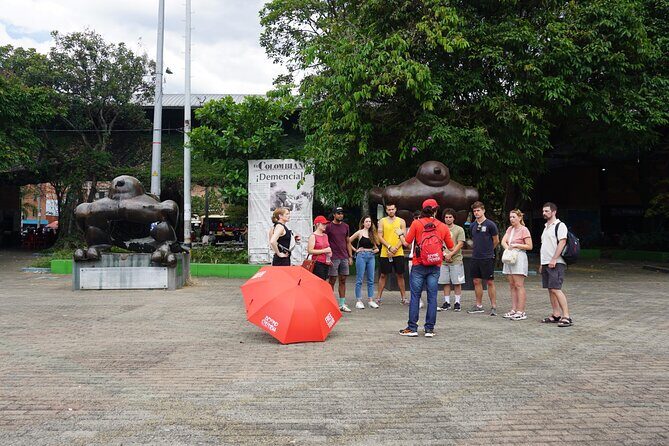
- Short, focused stop times keep the lesson moving and make it easier to stay engaged for the whole route.
- Education and peacebuilding are the thread that connects multiple squares and cultural spaces.
- Art in public space is treated as more than decoration, with murals used to explain messages and community change.
- Architecture and urban design show up as part of the recovery story, not just as a photo opportunity.
- Human rights spotlight at Simona Duque Park gives the tour a personal, values-based center.
- Small group size (up to 10) helps keep the walk interactive.
Violence and post-conflict Medellín: what this tour actually helps you understand
This tour is built around a simple idea: when a city is trying to recover after violence, it changes the way it teaches, remembers, designs neighborhoods, and makes space for people. You’ll move through places tied to education, cultural support, human rights, and the physical rebuilding of Medellín.
The best part is how the tour treats the past as something you can read in the present. A park isn’t only a park here. A square isn’t only a square. Each stop becomes a lens for understanding why peace takes work, and why it shows up in institutions and public space.
Other social transformation tours in Medellin

Price and value: what $14 buys in Medellín
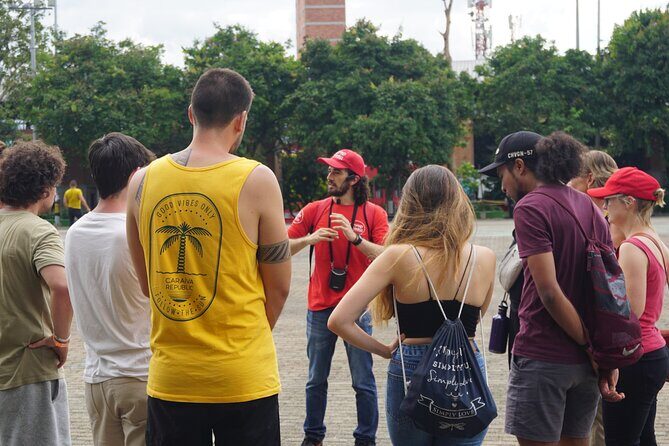
At $14 per person for about 3 hours, this is a value-heavy option for two reasons. First, you get a certified guide, which is usually the difference between a casual wander and a meaningful city lesson. Second, the amount you pay in advance is positioned as the suggested tip for the guide’s work, so you’re not just buying a ticket—you’re funding the person doing the explaining.
You do still need to budget for personal choices like snacks and meals, since those aren’t included. And you should expect possible admission costs at two specific stops, so it’s smart to bring a little cash just in case.
The route pace: eight stops, about 22 minutes each
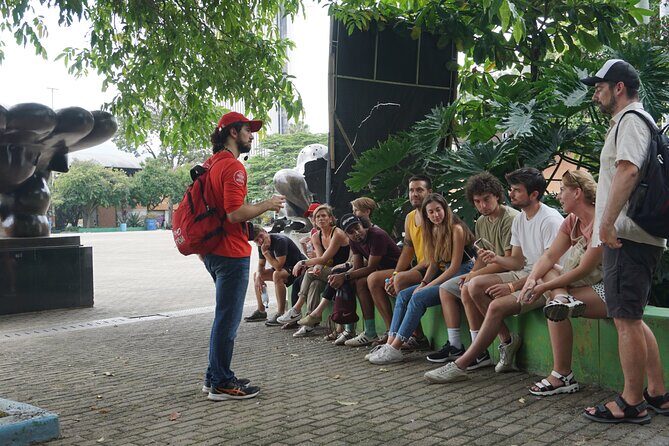
You’ll walk a course with multiple brief lessons rather than one long lecture. Each stop is timed at roughly 22 minutes, which means you’ll get a steady rhythm: look, listen, connect, then move on.
That pacing matters in Medellín, where neighborhoods can feel different from one block to the next. Short segments help you absorb the context without losing your energy. It also makes the tour easier to follow if you’re arriving with only a basic understanding of the country’s conflict and transition.
Group size stays capped at 10 travelers, which is a real plus for questions. And because it’s near public transportation, you can usually plan your day around it without too much hassle.
Parque San Antonio: a starting point for a city in transition
You begin at Parque San Antonio, an emblematic place in Medellín where the tour connects local history to the park’s changing role in everyday life. The focus isn’t just on what happened in the past. It’s on what the park represents now, and how public space mirrors a city’s shifts over time.
This stop works best if you pay attention to the “in-between” details—how the park functions as a social space, and how its meaning has evolved. Even if you’re not a history person, starting here helps you understand why later stops matter.
If you prefer only iconic viewpoints and minimal context, this might feel a bit slow at first. But it sets the foundation for the rest of the walk, where the ideas start clicking into place.
Plazuela San Ignacio: education as a peacebuilding tool
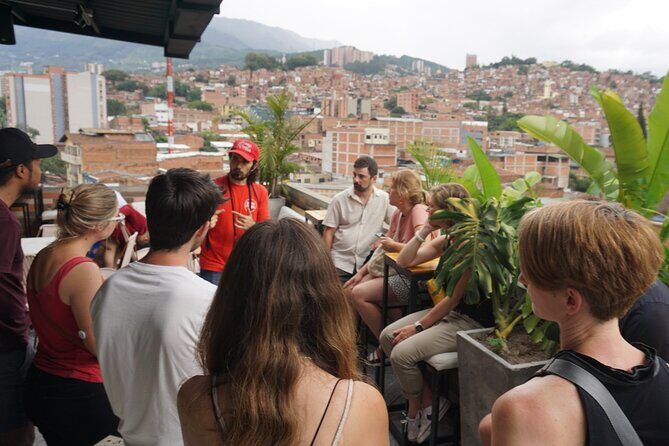
Next is Plazuela San Ignacio, where the tour emphasizes why education has mattered in Medellín’s transformation process. This is one of the tour’s core themes: peace doesn’t only come from ceasefires. It also comes from building futures through learning, support, and opportunity.
What I like about framing education this way is that it moves the conversation beyond trauma. It lets you see recovery as something active—something done with institutions and daily choices.
You don’t need to know Colombian education history in advance. The guide’s job here is to connect the dots between schooling and social change, and that’s exactly what this stop is designed to do.



Comfama San Ignacio: culture, programs, and strengthening community ties
From the square, you continue to Comfama San Ignacio, a cultural center focused on art, culture, and education. Here, the tour explains how programs implemented through social support systems helped strengthen the social fabric and encourage peaceful coexistence.
This stop is valuable because it shifts from theory to real-world support. Art and culture can sound soft compared to conflict history, but the tour presents them as tools for community connection and resilience.
The practical takeaway for you: if you’re the kind of traveler who likes to understand how societies rebuild after harm, this is a strong part of the route. It’s also a good moment to ask questions, since cultural programs often lead to practical discussions about how community support works.
Torres de Bomboná: when modern architecture becomes a recovery symbol
The walk then heads to Torres de Bomboná, described as a symbol of modern architecture in Medellín. The tour treats buildings as more than background. It uses architecture to explain urban transformation—how the city’s physical shape can signal new priorities and a different direction.
This is a stop for people who like to think about cities as systems. Even a quick look at the towers can make the point clearer: development decisions don’t only change skylines; they change how people move, live, and feel about the future.
If you’re hoping for dramatic interiors, this part is more about observation and interpretation. Still, it’s a smart counterweight to the more emotional themes earlier in the tour.
Pasaje Cervantes: street art that tells a message
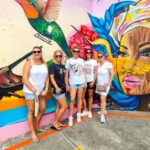
At Pasaje Cervantes, the tour highlights how urban art can transform a public space. You’ll look at colorful murals and learn about the artists and the messages they convey.
This stop works because street art is instantly legible even when you don’t know the full background. You can enjoy the visuals, then let the guide translate the meaning behind the images. The result is a more grounded understanding of how communities express identity and hope in public.
If you love photography, this is the most likely place to slow down on your own after the guide finishes their explanation. If you prefer quiet spaces, the passage can still be enjoyable, just stay focused on the message, not only the colors.
Boston Park and Simona Duque Park: reflection and human rights
You pause at Parque de Boston, described as a place to rest and reflect. This is the tour’s emotional reset. Up to now, you’ve been absorbing information about institutions, architecture, and art. Boston Park gives you space to connect the dots in your own head.
Then you move to Parque de Simona Duque, a park dedicated to Simona Duque and the fight for human rights. The tour explains her story and legacy, bringing the theme back to values and real people.
One practical note: admission at Simona Duque Park is not included, so keep that in mind when budgeting. Even if you’re short on cash, try to plan for the possibility rather than hoping it’s free.
Bicentenario Park: finishing with the future of Medellín
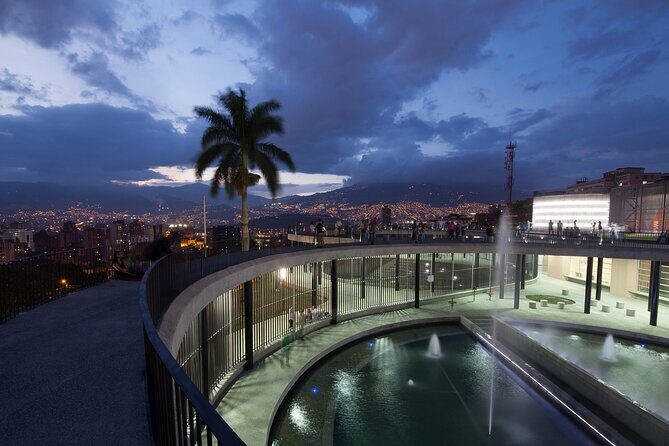
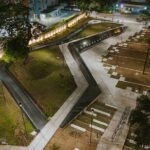
To wrap, the tour ends at Bicentenario Park, a modern and sustainable space meant to represent Medellín’s future. The guide uses this final stop to reflect on the challenges and opportunities facing the city on the road to peace.
This ending matters. After walking through education, art, and human rights, you finish with forward-looking ideas instead of only historical context. It gives you a last mental image that feels like a direction, not just a timeline.
Admission at this final park is not included, so again, plan a small buffer if you want to go inside or access anything that charges a fee.
How the guide shapes the experience (and why these names keep coming up)
A walking tour about violence and post-conflict change needs a guide who can handle emotion without turning it into theater. The strongest versions of this tour are led by people who explain social dynamics clearly, stay honest, and answer questions without dodging hard parts.
In the feedback you’ve got here, guides named Miguel, Daniel, Manuel, Paul, Alejandro, Sebastian keep showing up with praise for clarity, passion, and the ability to connect local Medellín history to wider Colombian context. One write-up even called out how a guide handled questions well while walking you to places you might not find on your own.
So my advice is simple: show up on time, ask questions early, and let the guide do what they’re trained to do. This tour rewards engagement.
What kind of traveler should book this?
This tour is best for you if you want a meaningful, practical introduction to Medellín’s post-conflict reality through everyday places. It suits people who enjoy guided context, want to understand how education and human rights fit into peacebuilding, and like art and urban change.
It’s also a good first serious activity in Medellín if you’re trying to get your bearings quickly, because the route connects the dots in a compact 3-hour chunk.
You might want something else if you strongly prefer scenery-heavy sightseeing with minimal discussion. Since some stops are straightforward and depend on interpretation, you’ll get less out of it if you only want postcard views.
Before you go: small logistics that affect comfort
- The start time is 2:00 pm.
- It’s a shared tour with a maximum group size of 10.
- You should have a strong physical fitness level, since it’s a walking experience.
- It’s near public transportation, which helps if you’re combining it with other plans.
- Service animals are allowed.
Also, don’t plan on meals during the walk. Snacks and lunch aren’t included, so bring something if you need it. If you’re coming straight from lunch, you’ll be fine. If you’re running on empty, this tour will feel longer than it is.
If plans change, you can cancel up to 24 hours in advance for a full refund.
Should you book the Post-Conflict and Violence Medellín tour?
Yes, if you want one guided afternoon that connects Medellín’s recovery to what you can actually see—education, culture, architecture, murals, and human rights. The $14 price is low for a certified-guide experience, and the stop-by-stop pacing helps keep the story digestible.
Book it especially if you’ve only got a day or two in the city and you want more than basic sightseeing. For the best experience, arrive ready to listen, bring questions, and expect that a few stops will feel ordinary until you understand the meaning behind them.
If you’re the type who likes looking at places and immediately moving on, you may find parts of the tour less visual than you hoped. In that case, consider pairing this with another activity afterward that gives you your scenery payoff.
FAQ
Where does the tour start?
The meeting point is San Antonio Park, Cl 44 #50, La Candelaria, Medellín, Antioquia, Colombia.
Where does the tour end?
The tour ends at the Memory House Museum area in Parque Bicentenario, Cl. 51 #36-66, La Candelaria, Medellín, Antioquia, Colombia.
How long is the tour?
It lasts about 3 hours.
What does the $14 price include?
It includes a certified guide. Snacks, lunch, and tips are not included, and the amount you pay in advance functions as the suggested tip for the guide’s job (minus Viator commission).
Are admission tickets included?
Admission is free at the first six stops. Admission is not included at Simona Duque Park and Bicentenario Park.
What time does the tour start?
The start time is 2:00 pm.
How many people are in the group?
The tour has a maximum of 10 travelers.
Is it near public transportation?
Yes, it is near public transportation.
Are service animals allowed?
Yes, service animals are allowed.
What if I need to cancel?
You can cancel for free up to 24 hours before the experience’s start time for a full refund.