REVIEW · MEDELLIN
Shared Tour Medellin’s Violence & Post-conflict after Pablo
Book on GetYourGuide →Operated by Beyond Colombia · Bookable on GetYourGuide
Medellín’s streets teach hard lessons gently. This Violence & Post-conflict walk connects the narcos war period to today’s memory culture, and I really like how the guide stays objective while still making the stories human. One thing to keep in mind: it’s not a light, casual tour, so bring an open mind for heavy history.
You start at Parque San Antonio, by the Botero birds, and you finish at Museo Casa de la Memoria. Along the way, the focus is the shift from bullets for words and ideas and how Medellín carried the conflict into everyday urban life. Guides like Miguel and Sebastian have a careful, engaging way of turning complex history into something you can actually follow.
Plan for about 150 minutes (roughly 3 hours) and around 5 km on foot with listening stops. The upside is strong value at $13 with no entry tickets added, but you’ll want comfortable shoes and a rainproof layer since umbrellas/capes aren’t part of the plan.
In This Review
- Key points you’ll care about
- Why This Violence & Post-conflict Walk Works in Medellín
- Parque San Antonio Start: Botero birds and the first context jump
- Downtown Walking Stops: how the war urbanized (and stayed there)
- A practical drawback to flag here
- Museo Casa de la Memoria Finish: why the ending matters
- From bullets to words: the peace shift in an urban context
- Donbernabilidad: the post-cartel meaning you’ll likely hear explained
- Price and value: $13 for an English guide and context you can use
- Who this tour suits best (and who may want to skip)
- Helpful packing tips and on-the-street rules
- How the guides keep it fair and understandable
- Should you book this Medellín violence & post-conflict tour?
- FAQ
- How long is the Violence & Post-conflict tour in Medellín?
- Where do I meet the guide?
- Is this tour in English?
- Is this a Pablo Escobar tour?
- What’s the walking distance and difficulty?
- Are museum tickets included?
- Can I record video or audio during the tour?
Key points you’ll care about
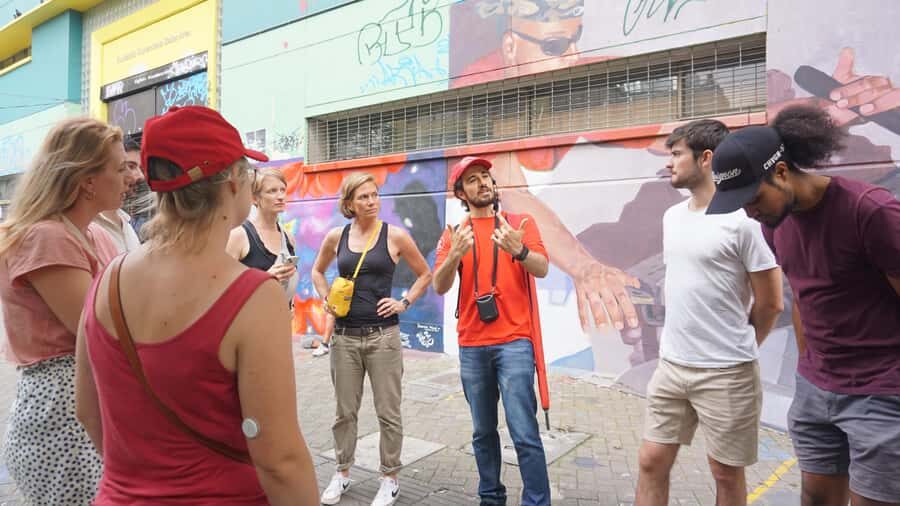
- Not a Pablo Escobar tour: the story is Medellín and the wider conflict, before and after the cartel era.
- Urban war, up close: you’ll connect guerrillas, paramilitarism, and drug traffic to how neighborhoods changed.
- Words over bullets: the tour tracks how people pushed for dialogue, rights, and community survival.
- Memory has a location: you end at Museo Casa de la Memoria, where remembrance is part of public life.
- Good English, serious framing: the guide’s job is clear, accurate context without taking sides.
Why This Violence & Post-conflict Walk Works in Medellín
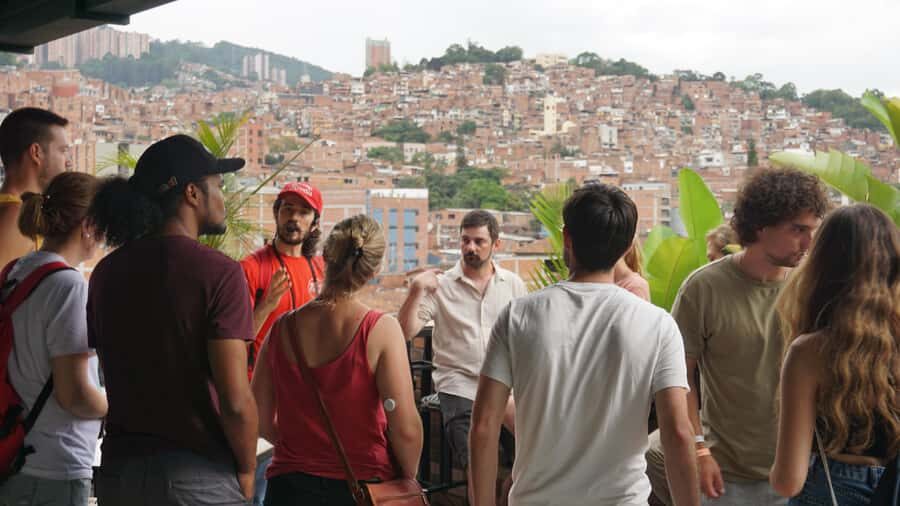
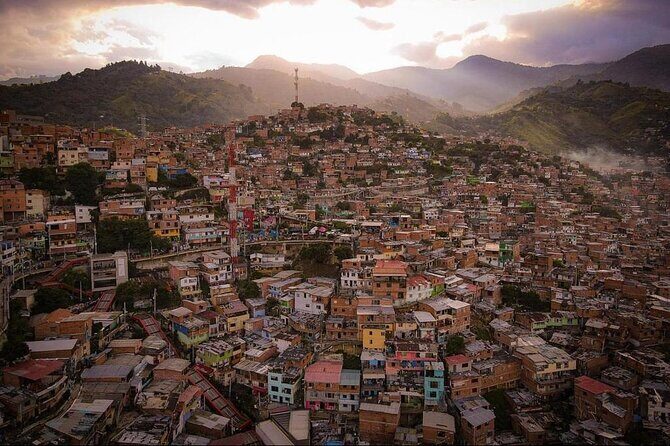
If Medellín is known for views and coffee-brown streets, this tour adds a second layer: the city is also a place where violence shaped daily decisions. The value here is that the tour doesn’t treat conflict like a distant TV plot. Instead, it explains the conditions that helped the narcos war grow, and then it follows what that did to culture, society, and the economy.
You’ll learn why Medellín has such a complicated role in Colombia’s conflict. The city was both a major stage of the war and also filled with urban victims who had to keep living anyway. That mix is why the tour feels so grounded: the history is tied to real public spaces and the way residents remember.
What makes this outing practical is the format: a shared English walking tour through the center, built around key story stops. It’s designed to help you understand the big timeline—what changed from 1982 to 2015—without requiring you to already know every political name.
Other Pablo Escobar history tours we've reviewed in Medellin


Parque San Antonio Start: Botero birds and the first context jump
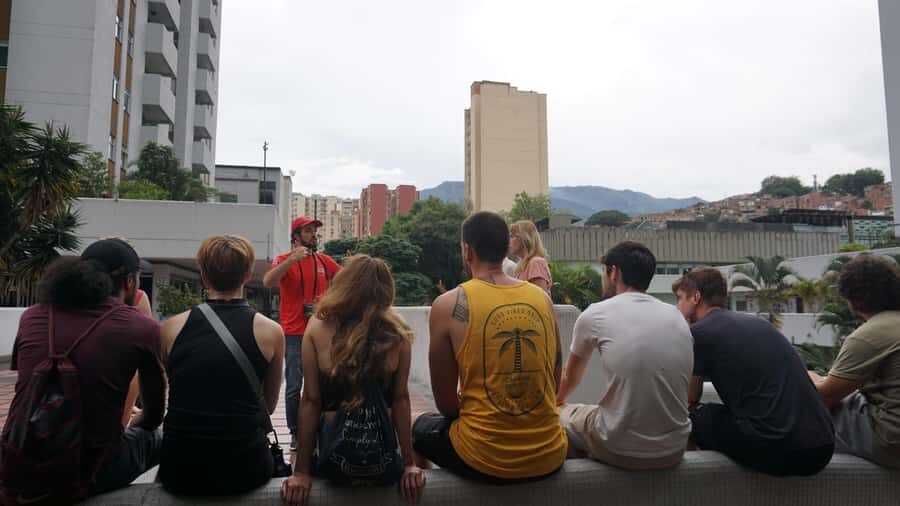
You begin at Parque San Antonio, near the Botero birds with Beyond Colombia’s red umbrellas. This matters more than it sounds. Starting in a busy central park gives you a baseline: you’re looking at a normal city scene, then the guide slowly layers in how that same city became a war-shaped environment.
Right at the start, you can expect the tour to set the rules of the conversation: the guide shares accurate, objective knowledge, and the goal is to explain dynamics without picking sides. That framing helps you stay oriented when topics get difficult—because the tour is explicitly about violence and post-conflict, not a feel-good story.
Also, pay attention to how the guide explains the “conditions of emergence” of the narcos war period. That concept is key: the tour is not only about who fought. It’s about why the conflict found space to grow—cultural expectations, social pressures, economic openings, and the push-and-pull of power in urban life.
Downtown Walking Stops: how the war urbanized (and stayed there)
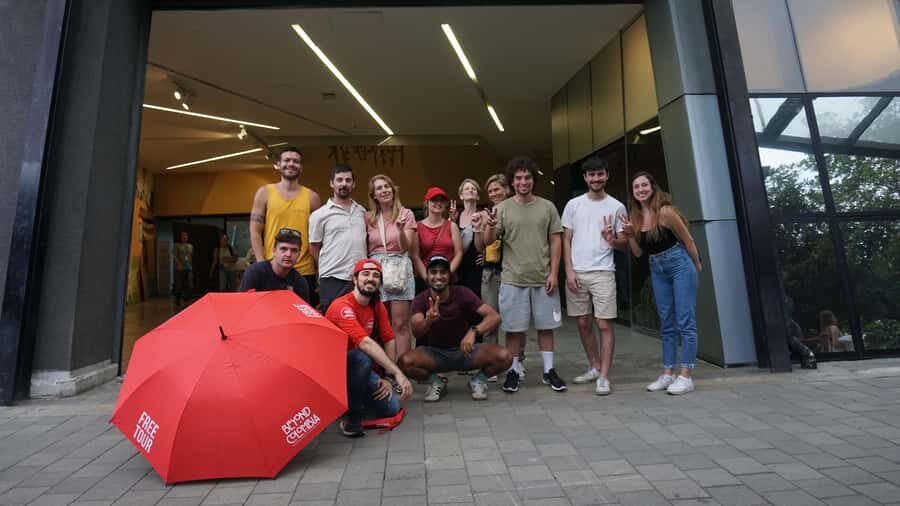
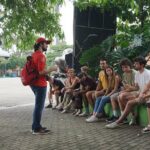
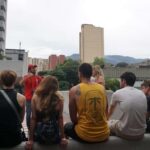
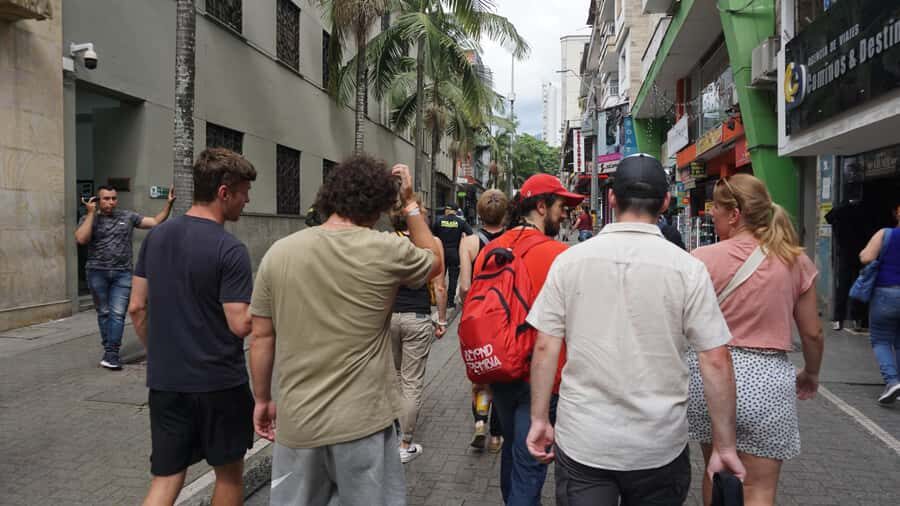
After Parque San Antonio, you head through downtown and make multiple listening stops at important central places. Even without ticketed museum time along the route, those pauses do real work. They give you time to connect what you see—streets, movement, central gathering points—to the guide’s explanation of how conflict became urban.
Here are the core themes you’ll hear tied to the city’s layout and day-to-day life:
1) The urbanization of war
The tour treats the conflict as something that moved into neighborhoods and everyday routines. You’ll hear how guerrillas, paramilitaries, and drug traffic each shaped the city in different ways, and how these forces didn’t stay “over there.” They influenced who felt safe, where people could work or travel, and what local power looked like.
2) Social and economic consequences
The narcos war period isn’t just violence as an event. The guide links it to broader consequences—how livelihoods changed, how institutions were pressured, and how people adapted to survive. If you’ve ever wondered why certain places in Medellín feel like they carry both hardship and normalcy at the same time, this is where the tour starts to answer that.
3) Strategies, heroes, and community struggle
This part is important for balance. The tour doesn’t reduce the story to armed groups. It highlights strategies, community resistance, and everyday “heroes” who helped create social struggle pathways—ways people tried to push for a better future even while the conflict was ongoing.
And yes, you’ll also hear the tour’s name-phrase logic: the process of changing bullets for words and ideas. In plain terms, it’s about transformation—how conflict gradually made room (sometimes slowly, sometimes painfully) for dialogue, organizing, and political language rather than pure force.
A practical drawback to flag here
Because this is a walking tour through central areas, you’ll be on your feet for a long stretch. If you don’t handle walking well, this could feel like a strain, especially when the conversation gets intense and you want to fully follow along.
Museo Casa de la Memoria Finish: why the ending matters
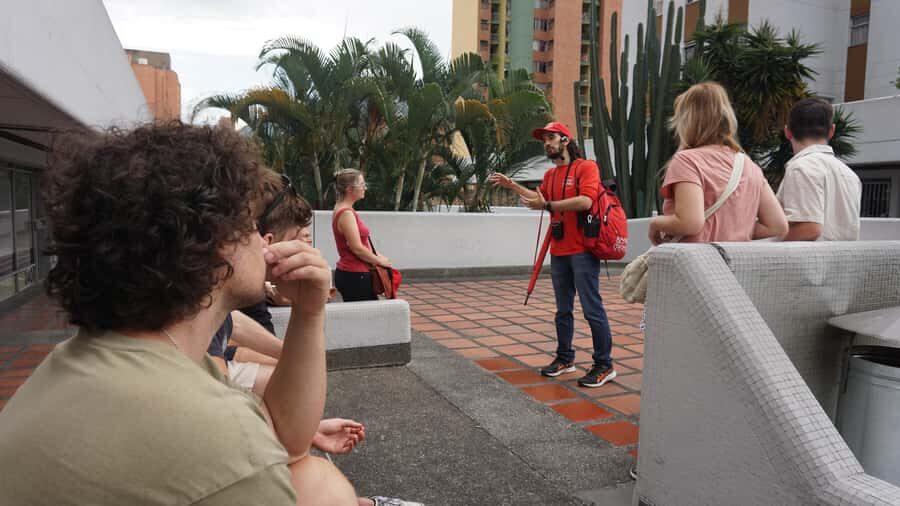
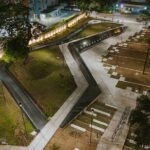
The tour ends at Museo Casa de la Memoria, and that finish isn’t just ceremonial. Museums can sometimes feel like a final homework page, but here the museum functions like a turning point: it shows how remembrance becomes part of public life.
Earlier in the walk, you’re learning mechanisms—war urbanization, consequences, transitions after the cartel era. At the museum, the story shifts toward memory and resistance: how people keep the past visible and how that visibility feeds ongoing work toward peace.
This ending is especially relevant because the tour connects conflict to a timeline that goes far beyond one dramatic period. It references changes across decades, including what happened after the Medellín Cartel and how the past remains present today. That’s why the museum ending feels like closure while still leaving you with questions for real life.
Other social transformation tours in Medellin


From bullets to words: the peace shift in an urban context
One of the most useful parts of this tour is that it doesn’t treat peace like a switch that flips at the end of a war. Instead, it presents peace as a messy process that shows up in cities.
You’ll hear about twentieth-first-century peace agreements and reconciliation in an urban context. The guide’s job is to connect those official ideas to what happens on streets and in communities. In Medellín, that means reconciliation isn’t just a political headline. It’s something residents have to practice while memory, fear, and social change are all still active.
This is also where the tour’s emphasis on “strategies” and “communities” becomes more than a slogan. You start to understand why local organizing and social struggle mattered, even when the conflict was still shaping everyday life. You’re learning the mechanics of resilience—not just celebrating it.
Donbernabilidad: the post-cartel meaning you’ll likely hear explained
The tour specifically mentions what came after the Medellín Cartel, including the idea of Donbernabilidad—and why that concept matters. Even if you don’t know the term going in, the guide’s approach helps you grasp the underlying problem: after big cartel power structures weaken, violence doesn’t automatically disappear. Control can fragment, new patterns can appear, and communities may still have to deal with threats in daily life.
What makes this part valuable is that it helps you avoid a common mistake: thinking the story ends when the cartel era ends. In Medellín, the timeline continues, and the tour points you to what changed and how the city carried the conflict’s legacy forward.
Price and value: $13 for an English guide and context you can use
At $13 per person for about 150 minutes, this is one of the better “history plus walking” values you’ll find in Medellín—especially because the tour includes:
- An English-speaking guide
- Accurate, objective historical framing (no sides)
- Sightseeing through important central places
- Recommendations for what to read or check next
- Cultural offer suggestions tied to the visited areas
What you should think about, though, is what’s not included: drinks, food, souvenirs, transportation to/from your hotel, and tickets/entrances. The guide also doesn’t take you to places where sudden extra charges appear, so you’re less likely to get surprised mid-day.
So the real value isn’t just the low price. It’s that you’re buying structure and interpretation: someone connecting decades of conflict to the streets you’re walking.
Who this tour suits best (and who may want to skip)
This tour is clearly aimed at adults who can handle serious topics and want a clear framework for understanding violence and post-conflict in Medellín. It’s not positioned as family-friendly, and it’s also not suitable for everyone.
Based on the rules, it is not suitable for:
- Wheelchair users
- Children under 18
- People over 70
So if mobility is an issue, or if you’re traveling with young kids, this may not be the right fit.
It’s also not a good match if you want to record everything on your phone. Video and audio recording aren’t allowed, and the tour also prohibits alcohol/drugs and party groups. That’s not being fussy; it’s about keeping the conversation respectful and focused.
Helpful packing tips and on-the-street rules
This is a walking tour, and the tour language is practical: you’ll want comfortable shoes and water. You’ll walk about 5 km while also taking listening stops, so hydration is not optional if it’s warm.
Bring also:
- Sunblock
- A rainproof coat (umbrellas or capes aren’t allowed)
- Mosquito repellent if you’re visiting in the rainy season (March to June)
One more tip: keep your belongings secure in crowded central areas. The tour explicitly warns to keep friends close and belongings closer. That kind of common-sense advice is worth taking seriously.
And if you’re unsure how to handle heavy material, the tour also tells you how to succeed: come with an open mind and plan to ask questions.
How the guides keep it fair and understandable
You’re not getting a one-note “crime story.” The guide’s stated promise is objective knowledge and balanced context. That doesn’t mean it will feel neutral emotionally, but it does mean you’ll get structure: what happened, why it happened, how different actors affected the city, and what changed during the transition toward peace.
The English delivery is part of the experience design. And based on the guide styles connected to this tour—Miguel’s thorough walkthrough and Sebastian’s engaging, fun way of explaining complex material—you can expect the explanations to be clear enough to follow even if your starting knowledge is limited.
Should you book this Medellín violence & post-conflict tour?
Book it if you want more than a surface-level Medellín story. This is ideal when you’re curious about how the conflict shaped the city from the narcos war era through post-cartel years, and when you want that knowledge tied to real places in the center.
You might skip it if:
- You can’t do a 5 km walking tour
- You prefer tours that avoid heavy topics
- You need to record everything with video/audio (that’s not allowed)
If you’re the type who likes asking questions and learning the reasons behind what you see on the street, this one delivers value fast. For $13, you’re not paying for entertainment—you’re paying for clarity.
FAQ
How long is the Violence & Post-conflict tour in Medellín?
It lasts about 150 minutes, roughly 3 hours.
Where do I meet the guide?
Meet at Parque San Antonio next to the Botero birds, with Beyond Colombia’s red umbrellas.
Is this tour in English?
Yes, it’s an English-speaking tour guide.
Is this a Pablo Escobar tour?
No. The tour is not a Pablo Escobar tour. It focuses on Medellín’s violence dynamics before, during, and after the cartel period, with emphasis on post-conflict.
What’s the walking distance and difficulty?
You’ll walk about 5 km on foot with resting stops.
Are museum tickets included?
No. Tickets or entrances are not included, and the tour says it won’t take you to places with sudden extra charges.
Can I record video or audio during the tour?
No. Video recording and audio recording aren’t allowed. Alcohol and drugs are also not allowed.