REVIEW · MEDELLIN
Private City Tour in Medellin: An off-the-beaten-path Experience
Book on Viator →Operated by MedellinDayTrips · Bookable on Viator
Medellín makes sense faster when you ride it like a local. This private 5 to 6 hour tour connects you with history, food, and architecture across the city, using trams and an aerial cable line to reach areas most people skip.
Two things I really like: the day includes entrance fees and food tasting, so you’re not constantly pulling out your wallet, and the guide can shape the pace to your interests. Guides like Erika and Andrés are especially praised for taking their time and explaining what you’re seeing in plain language.
One consideration: lunch isn’t included, and you’ll be on the go between stops. Plan to eat before or after, and treat the fruit tasting as a snack, not a full meal.
In This Review
- Key highlights at a glance
- A Medellín day that strings landmarks into a story
- Price and value: what you’re really paying for
- Memory House Museum: history from the people who lived it
- Placita de Flórez: fruit tasting and why it matters
- La Sierra by tram and aerial cable line: views plus real context
- Salón Málaga: downtown’s 1950s mood and why it changed
- Palacio Nacional: the courthouse-turned-mall twist
- Iglesia de la Veracruz: a colonial church with archaeological context
- Plaza Botero and the Cultural Palace: art outdoors, then inside
- The guide can make or break the day
- Transportation notes: mixing car, tram, and aerial ride
- Who this tour suits best
- Who might want a different plan
- Should you book this Medellín private city tour?
- FAQ
- How long is the Medellín private city tour?
- What does the tour cost?
- Do I get hotel pickup and drop-off?
- Are entrance fees included?
- Is lunch included?
- What food is included?
- Is this tour private?
- What kind of fitness level is needed?
- Is good weather required?
Key highlights at a glance
- Private, hotel round-trip transport that keeps the day low-stress
- Memory House Museum for a human, victim-centered view of Colombia’s armed conflict
- Placita de Flórez for fruit tasting plus a look at medicinal herbs
- La Sierra tram and the aerial car line for views and context about displacement
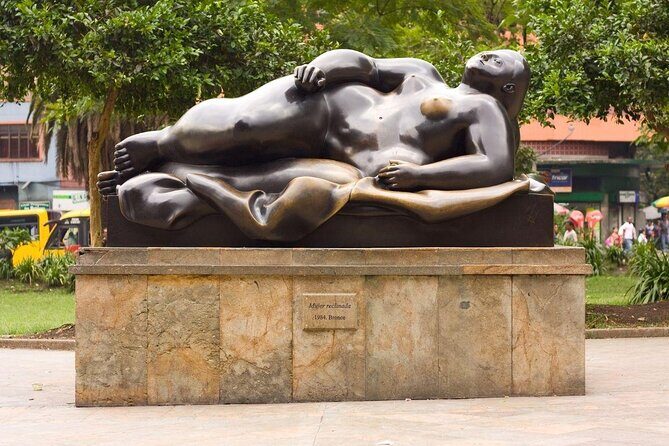
- Plaza Botero with 23 sculptures, followed by an interior visit to the Cultural Palace
- Entrance fees included (and some stops are free anyway)
A Medellín day that strings landmarks into a story
If you only have a couple of days in Medellín, it’s tempting to grab the postcard version and call it done. This tour is different. Instead of bouncing between random photo stops, I like how it builds cause-and-effect: why neighborhoods look the way they do, why the city invested in transport, and how culture shows up in food, art, and old buildings.
You start with places that explain the past. Then you move into food markets and working-class viewpoints. After that, you land in the classic downtown hits—churches, public art, and a surprising former courthouse turned mall. The result is a day where Medellín feels less like a collection of sights and more like a place with momentum.
And because it’s private, you’re not stuck moving at someone else’s speed. If you want slower photos or more explanation, you can ask.
Other city tours we've reviewed in Medellin

Price and value: what you’re really paying for
At $105 per person for about 5 to 6 hours, the math works best if you care about the whole package: guide + transportation + ticketed stops. Here, the basics are included: a professional guide, driver/guide support, hotel pickup and drop-off, private vehicle transport, and food tasting. Entrance fees are included too, which matters in Medellín because even small charges add up when you’re booking city stops one by one.
Also, the route uses public-style transit in the mix—tramway and an aerial car line—so you’re not just getting a car tour. You get a sense of how the city moves, which is often the missing piece for visitors who stay only in taxis.
The only thing you’re missing is lunch. That’s the trade-off. If you’re the kind of traveler who wants every meal solved for you, you’ll want to plan a restaurant for afterwards.
Memory House Museum: history from the people who lived it
Your first stop is the Museo Casa de la Memoria, focused on Colombia’s armed conflict from the victims’ perspective. It doesn’t ask you to memorize a timeline. Instead, it frames the conflict in terms of what different groups did, how the violence started, and how the country is trying to move toward the future.
Even if you’ve read about Colombia before, this kind of setting changes how the information lands. You’re not just learning about dates. You’re seeing why the conflict shaped communities and why Medellín’s modern identity includes strong social programs and public investment.
The visit is short—about 20 minutes—which is useful if you have limited time. It’s enough to set context for the rest of the day without turning the tour into a lecture marathon.
One practical tip: go in with a calm mindset. This stop is emotional by nature, so it’s not the place to treat everything like a quick selfie stop.
Placita de Flórez: fruit tasting and why it matters
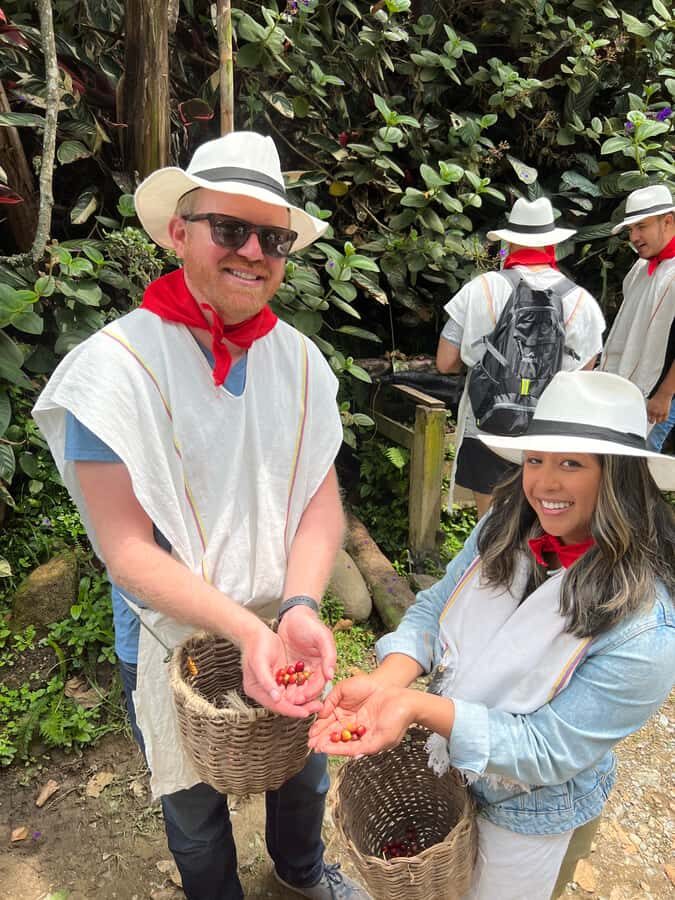
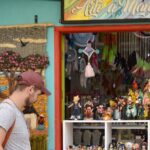
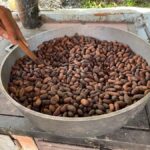
Next you head to Placita de Flórez, one of Medellín’s oldest food markets. This is where the tour turns from history to everyday life—through exotic fruit tasting and a look at medicinal herbs.
I like this stop because it helps you understand that culture isn’t only museums and churches. It’s also what people buy, what they cook, and what they believe helps the body. You’ll walk through kiosks and fruit stands while your guide points out items and explains what to try.
There’s also a neat detail to know going in: Colombia is described as the most diverse country per square meter for fruits. That means you’ll probably taste things you’ve never seen in your home market. It’s not just novelty; it’s an edible map of the country’s climate and agriculture.
The stop is about 20 minutes, so you’ll likely try a few items and keep moving. It’s perfect as a snack pause before the transit section of the day.
La Sierra by tram and aerial cable line: views plus real context
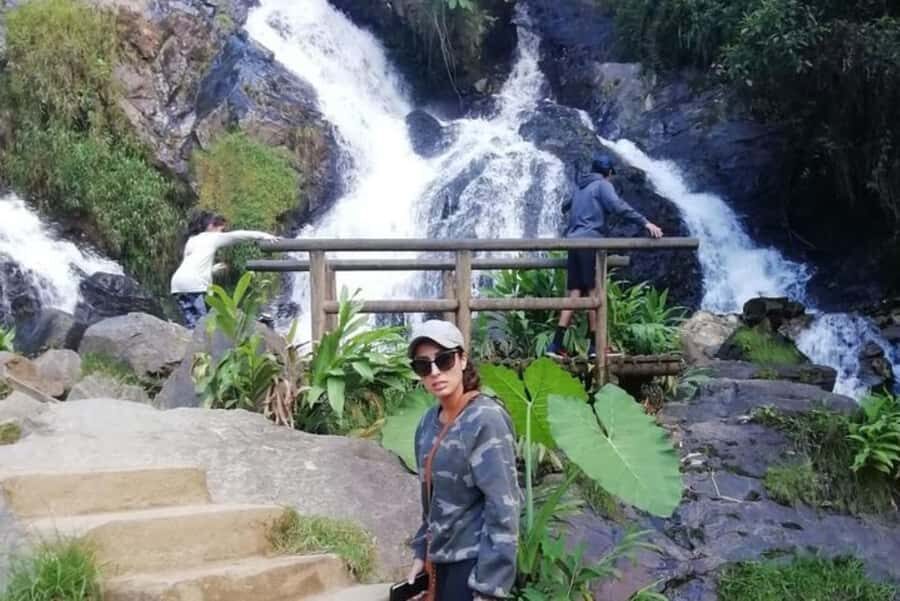
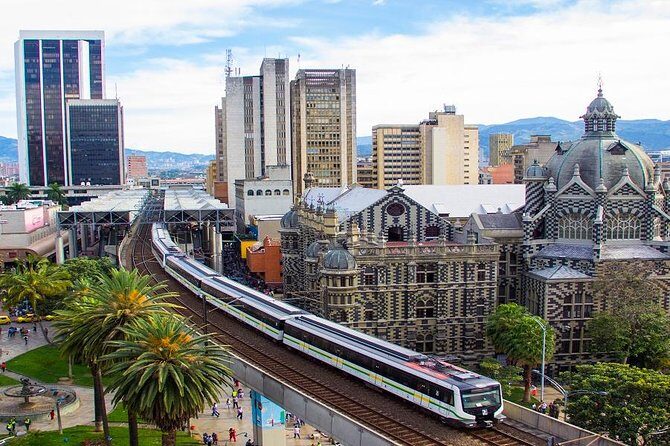
From the market, you take the tramway toward La Sierra. This is one of the tour’s best “move through the city” moments because you don’t just look down from a viewpoint—you travel there.
The tour explains the tram’s lineage, including the fact that Medellín had a mule-pulled tramway back in 1887. The more modern tram you ride is described as finished in 2015, and it’s framed as beneficial to communities in the east sector of the city.
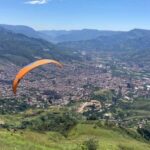
Then comes the aerial car line, which flies over hundreds of houses. From the passenger seat, you see how neighborhoods stack on steep terrain—something that’s hard to grasp from street level alone.
Most importantly, your guide connects the ride to a larger story: displacement in Medellín and Colombia, and how the social and health care system works. It’s a rare pairing of “wow, look at the view” with “here’s why people live like this.”
This segment lasts around 50 minutes, and admission is free for this stop. The ride may feel active depending on how you handle stairs and platform movement, so if you have mobility limits, mention it early when you’re meeting the guide.
Other city tours we've reviewed in Medellin




Salón Málaga: downtown’s 1950s mood and why it changed
After the ride, you land in Salón Málaga—a space designed to feel like you’re back in the 1950s. The music, colors, decoration, and photos help your guide tell the story of downtown Medellín: its golden age, its period of decadence, and the programs meant to revive it.
This is where the tour slows down just enough for reflection. You’re in an indoor setting that functions like a living timeline. And since the stop is short—about 15 minutes—you get the feel without losing too much time.
Admission here is free, which is nice. Even better, the stop works as a bridge between what you learned in the history museum and what you’ll see in the modern downtown.
Palacio Nacional: the courthouse-turned-mall twist
Next comes Centro Comercial Palacio Nacional, the former courthouse now used as a shopping mall. It’s described as unusual even by world standards, and the reason is part of the building’s dark past: condemned people were said to have committed suicide there, so the authorities changed the location and repurposed the structure.
That doesn’t mean the building feels grim all the time. In fact, walking through it gives you a strange, real-life contrast between architecture meant for justice and a space now meant for everyday purchases.
This is also your practical souvenir moment. You’ll have about 10 minutes, and admission is included. The guide points you toward shopping options, and this is a great place to test your bargaining skills if you enjoy negotiating.
One caution: because it’s a mall environment, keep an eye on your belongings. It’s not the tour’s most “photo-friendly” stop, but it’s useful if you want local clothing and small gifts without hopping to multiple stores.
Iglesia de la Veracruz: a colonial church with archaeological context
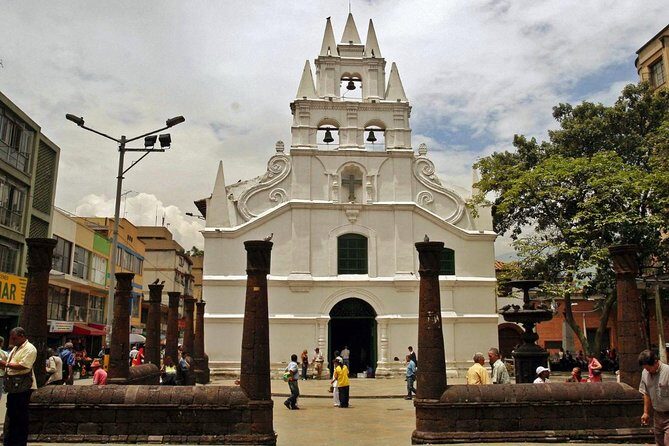
Then you visit Iglesia de la Veracruz, described as the second church built in Medellín in 1712, with help from European immigrants. This stop adds depth in a different direction: not the conflict narrative, but the colonial layers underneath the city.
You’ll also be introduced to an archaeological find from colonial times nearby, and your guide shares details about the church and its surroundings. Even if you’re not a history person, I like this stop because it’s specific. You’re not being asked to guess what’s important—you’re shown why the location matters.
Admission is included, and the stop lasts about 15 minutes. It’s a good pace: enough time to admire architecture and absorb the explanation, without turning the day into a museum crawl.
Plaza Botero and the Cultural Palace: art outdoors, then inside
The tour finishes with two big downtown hits that fit together nicely.
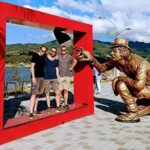
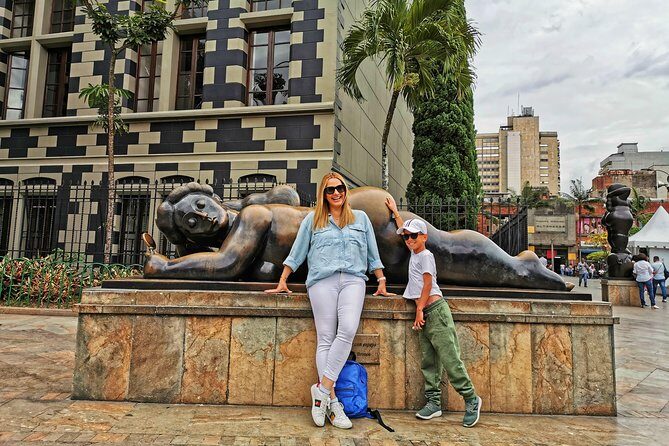
First, Plaza Botero, an open-air museum-like space with 23 sculptures by Fernando Botero, Medellín’s famous son. This is a fun stop because Botero’s style is instantly readable—your eyes catch the shapes before your brain catches the story.
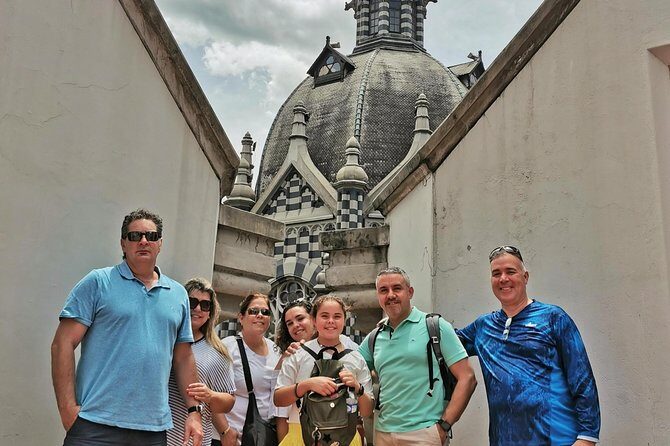
Then you head to the Cultural Palace, a neo-Gothic style building connected to the plaza area. Your guide explains the building’s story while you admire the architectural beauty from inside. This part is about 30 minutes, and admission is included.
I like ending here because it returns the focus to culture as a living force. You’ve spent the morning on conflict context and daily market life, and now you see how a city puts identity into public art and landmark architecture.
The guide can make or break the day
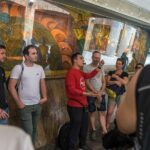
A consistent theme in the way this tour is run is pacing and personalization. Private means the guide can adjust when you linger, when you want more context, or when you’d rather cut a stop to spend longer on another.
That flexibility shows up in how guides like Erika and Andrés are described: they’re careful with timing, explain clearly, and tailor the day so it feels like your Medellín, not a preset schedule.
If you’re the kind of traveler who loves stories that connect places—why certain areas exist, how the city has responded, how people live—this tour is built for you. If you just want a checklist of photos, you can still get them, but you’ll get more value if you lean into the explanation.
Transportation notes: mixing car, tram, and aerial ride
One of the smartest parts of the itinerary design is that it uses multiple modes. Hotel pickup and drop-off are handled by private vehicle, which keeps your start and finish easy.
Then you transition into the tramway and aerial car line. That’s a different experience than riding in a car because it gives you a sense of slope, density, and how transportation knits neighborhoods together.
You’ll also be doing some walking between stops. The tour asks for a moderate physical fitness level, so if you have trouble with stairs or long standing periods, plan accordingly. If you’re unsure, message your provider before you go and ask what the day typically feels like for step count and time on foot.
Who this tour suits best
This is a great match if you:
- want a complete Medellín orientation in a short time
- like your city history tied to real places and real systems
- enjoy food and want to try things you might not pick on your own
- prefer a private guide who can slow down or speed up
It’s also a solid choice if you’re staying near a hotel area where pickup is convenient. Since the tour is private and uses a mix of transit, being close helps the day run smoother.
Who might want a different plan
If you don’t like guided history at all, this may feel like too much context early in the day. Likewise, if you’re determined to have lunch solved during the tour, you’ll need to plan a meal on either end.
And if weather is bad, the tour can be affected, since it requires good weather to operate as planned. In that case, you may be offered a different date or a full refund.
Should you book this Medellín private city tour?
I’d book it if you want your Medellín experience to make sense fast. The strongest value is the blend: a museum that explains the country’s conflict context, a market stop that teaches through taste, and transport rides that show how the city works on steep terrain. Finish with Botero and downtown architecture, and you leave with a clearer picture of what Medellín is and how it changed.
Skip or reconsider if you want a fully meal-managed day, or if history-driven stops stress you out. In those cases, a lighter photography-focused route might fit better.
If you’re on the fence, here’s my simple rule: if you can handle a few short visits with meaningful explanations, this tour is worth the money because a lot is included—and you get to ride the city, not just look at it.
FAQ
How long is the Medellín private city tour?
It runs about 5 to 6 hours.
What does the tour cost?
The price is $105.00 per person.
Do I get hotel pickup and drop-off?
Yes. The tour includes hotel pickup and drop-off.
Are entrance fees included?
Yes. Entrance fees are included as part of the tour.
Is lunch included?
No. Lunch is not included.
What food is included?
Food tasting is included, with a stop at Placita de Flórez for fruit tasting.
Is this tour private?
Yes. It’s a private tour/activity, and only your group participates.
What kind of fitness level is needed?
It requires moderate physical fitness, since the day includes walking and transit between stops.
Is good weather required?
Yes. The experience requires good weather, and if it’s canceled due to poor weather you’ll be offered a different date or a full refund.