REVIEW · MEDELLIN
The “not polite to use his name” City Tour
Book on Viator →Operated by Top !0 Tours in Medellin · Bookable on Viator
Medellín’s Escobar story is hard to ignore. This 3 to 4 hour city tour connects four real places tied to the rise and fall of Pablo Escobar, and it does it with a serious, human-focused tone. I like that it’s built around memorials and meaning, not just photos, but one drawback is the subject matter is heavy and can feel uncomfortable.
Two things I especially liked: the roundtrip transport from Lleras Park makes it easy to fit into a busy day, and the guide’s approach is clear, lively, and question-friendly. You’ll hear the story in English and Spanish, with time to ask anything you’re curious about. Just know this isn’t a light party tour.
In This Review
- Key things to know before you go
- Why this Pablo Escobar sites route feels different in Medellín
- Price and logistics: $44.99 for a 3–4 hour plan that runs from Lleras Park
- Stop 1: Parque Memorial Inflexion and the transformation into a victim’s memorial
- Stop 2: Monasterio Santa Gertrudis La Magna, the jail-cathedral story
- Stop 3: Cancha El Dorado and Escobar’s politics-by-speech theater
- Stop 4: Cementerio Jardines Montesacro and the weight of names
- How the guide keeps the day clear, fair, and question-friendly
- What to wear and how to make the best use of your 3–4 hours
- Who should book this tour, and who might skip it
- Should you book the Not Polite to Use His Name City Tour?
- FAQ
- Is the tour price $44.99 per person?
- How long does the Medellín city tour take?
- Where does the tour start, and where does it end?
- What stops are included?
- What’s included in the ticket price?
- Are entrance fees included?
- How many people are in the group?
- Do I get a guide in English or Spanish?
- What if the weather is bad?
- FAQ
- Can I cancel for free?
- Are service animals allowed?
- What’s the confirmation process?
- Is the tour near public transportation?
- Who can participate?
Key things to know before you go
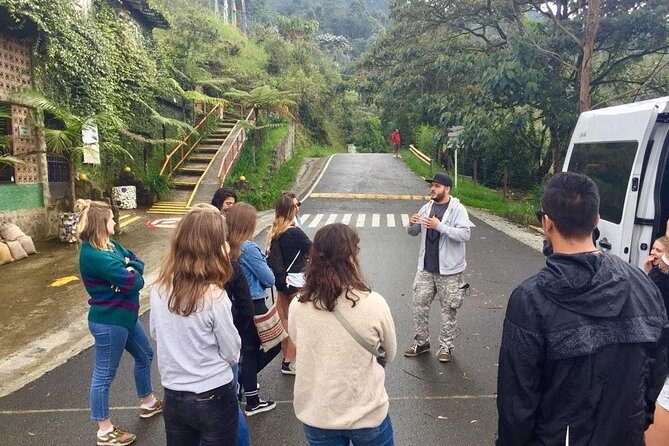
- Small group limit (10 travelers): More time for questions and a calmer pace.
- Built-in transport from Lleras Park: Less hassle, more time looking at the sites.
- Four emotionally different stops: Memorial park, jail-cathedral, soccer field, and a major cemetery.
- Entrance coverage where it matters: Monasterio stop and cemetery admission are included.
- English and Spanish guide: You’ll have support even if your Spanish is basic.
- Weather matters: The route requires good weather, with an alternate date or refund if it’s canceled.
Why this Pablo Escobar sites route feels different in Medellín
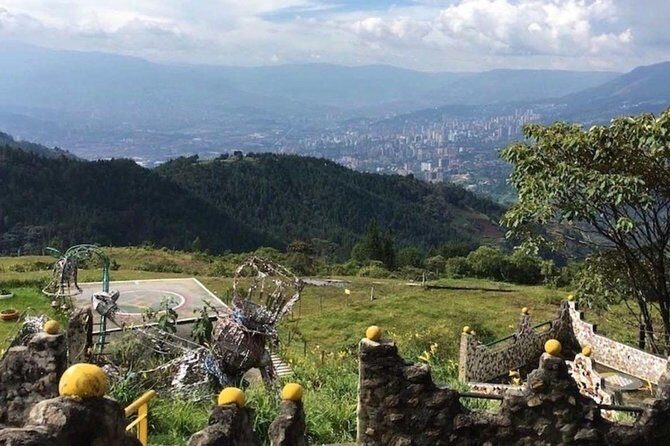
This tour is about places people actually lived through—or lost people to. You’re not doing a trivia walk. You’re moving through four locations that show how one man’s choices rippled into Medellín and Colombia.
You’ll also notice the tone stays careful. Even when the story gets blunt, the guide keeps the focus on impact: how victims were targeted, how communities were shaped, and how later generations tried to make sense of it all. If you’ve read about drug-war history online, this is the “standing in the real place” version.
The best part is that you’re not sent rushing between random viewpoints. Each stop has a different purpose, from commemorating victims to explaining how Escobar tried to brand himself as a political figure. The potential downside is simple: if you want your Medellín days to be purely upbeat, you might find this one heavy.
Other Pablo Escobar history tours we've reviewed in Medellin


Price and logistics: $44.99 for a 3–4 hour plan that runs from Lleras Park
At $44.99 per person, the value is tied to what you don’t have to manage yourself: roundtrip transportation from Lleras Park, a guide who handles the flow, and included admission at key stops. You’re also getting insurance, which is a nice safety net for a tour that crosses several sites.
Timing is also realistic. Expect about 3 to 4 hours total, with short on-site visits that keep the pace moving. The itinerary is structured so you can learn without burning half a day, then still enjoy the rest of your Medellín evening.
The meeting point is in El Poblado, at Cl. 9A #37-16. The tour ends back at the meeting point, which helps you plan dinner or a quick walk afterward. With a maximum of 10 travelers, the group stays small enough that you’re not just another face in a bus.
Stop 1: Parque Memorial Inflexion and the transformation into a victim’s memorial
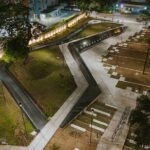
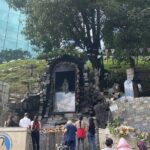
Your first stop is Parque Memorial Inflexion, tied to Escobar’s former home. The story here isn’t about how big the house was or how flashy the location felt. It’s about what happened after: Escobar hid his family there, and there’s also mention that enemies planted bombs to kill him.
What makes this stop valuable is the shift from private life to public remembrance. You’ll see how a site connected to violence became a memorial park for victims of Colombia’s drug war. That transformation matters. It’s the difference between visiting ruins and understanding why people feel compelled to mark a place and tell the truth about it.
This is also where you’ll likely feel the emotional tone set for the whole day. If you’re the type who absorbs history best by walking through the exact space it happened in, this one tends to land. And if you’re prone to getting overwhelmed quickly, go in knowing the theme is grief and harm.
Admission here is free, and the stop is about 20 minutes, so you’re not stuck for hours. You’ll get enough time to take it in and ask questions without turning it into a long, draining session.
Stop 2: Monasterio Santa Gertrudis La Magna, the jail-cathedral story
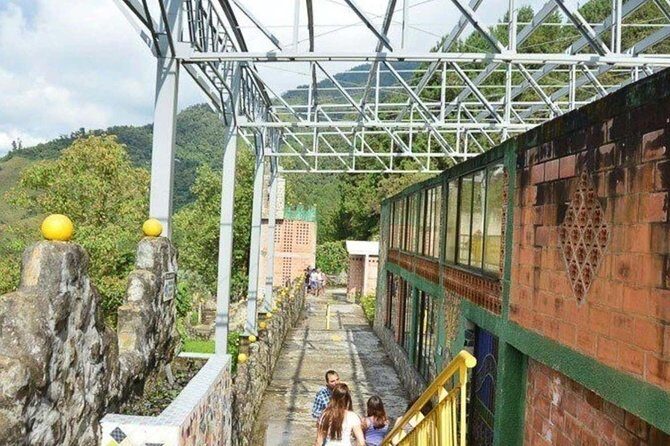
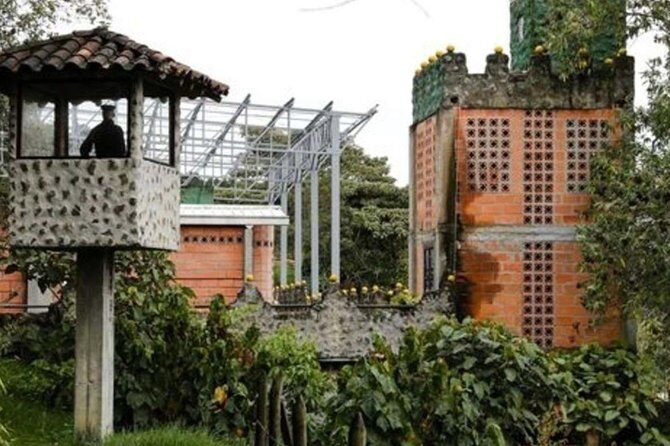
Next is Monasterio Santa Gertrudis La Magna, sometimes described as a cathedral-like jail Escobar built for himself. The key detail is that it was connected to an agreement with the government, and later he escaped.
This stop works because it flips the script. Earlier you’re hearing about violence and hiding. Here, you’re seeing how Escobar tried to control his narrative and comfort—even while confinement and conflict surrounded him. The guide’s job is to connect the building to the political and legal reality of the era, not just the architecture.
Admission is included at this stop, and there’s also a note about a new entrance fee included. In practice, that means you’re not scrambling for cash or tickets mid-day. The stop runs around 45 minutes, which is long enough to understand the story and get context for why the place has become part of public memory.
One practical tip: this kind of stop can be visually and emotionally dense. Wear comfortable shoes and keep your questions handy. If anything feels confusing—like how an agreement could lead to a dramatic escape—this is the time to ask.
Stop 3: Cancha El Dorado and Escobar’s politics-by-speech theater
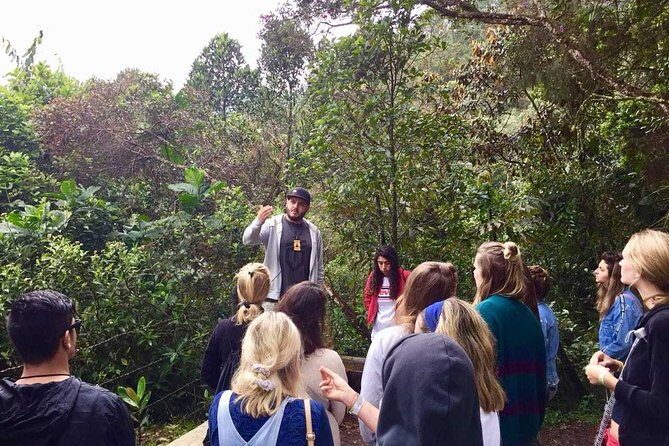
Then you head to Cancha El Dorado, the soccer field Escobar built. It’s known for a visionary design, but the story isn’t just about sports. It’s about what he did there: he gave speeches in an attempt to enter Colombian politics.
Why this stop matters is that it shows a different side of the same influence. Even if you disagree with every conclusion about him, you can still see the strategy: build legitimacy through public performance. A soccer field is communal. Speeches are persuasion. Put them together and you get a glimpse into how he tried to shape public image.
The stop is shorter—about 15 minutes—and admission is free. That quick hit is good. You get the main idea without losing momentum, then you move on to the cemetery, where the human cost becomes impossible to avoid.
If you like tours that connect culture to politics, this is the one that tends to surprise people. It’s not just crime history. It’s how messaging and spectacle intersect with real life.
Other city tours we've reviewed in Medellin




Stop 4: Cementerio Jardines Montesacro and the weight of names
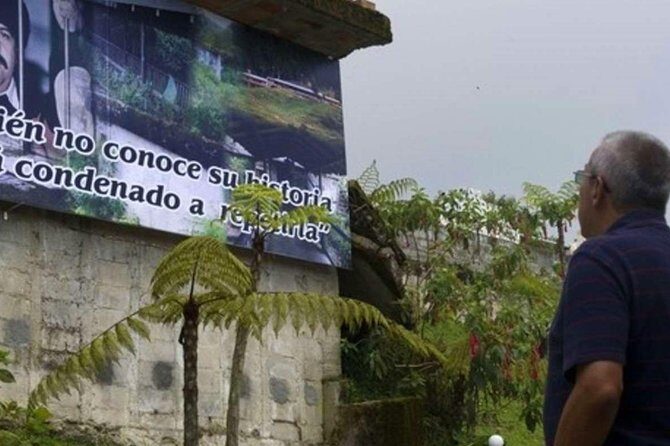
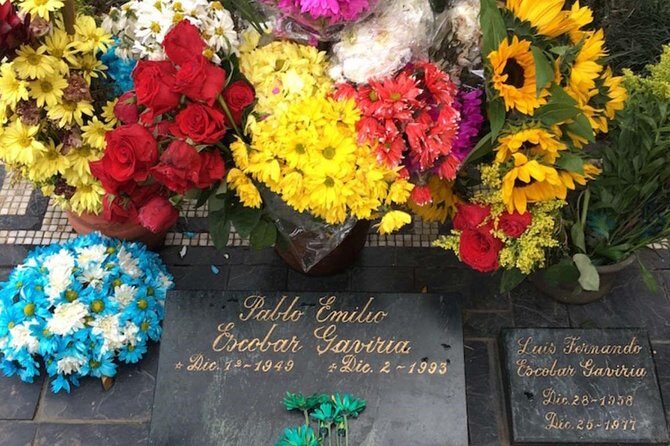
The final stop is Cementerio Jardines Montesacro, where Escobar is buried with his family and other members of his gang, including Griselda Blanco. This is the emotional climax of the tour.
The way this stop is handled is crucial. The goal isn’t to turn graves into a spectacle. It’s to leave you with a clearer understanding of the negative impact Escobar had on the country and on the lives of Colombian people. You’re reminded that this wasn’t distant violence. It affected families, neighborhoods, and everyday safety.
Admission for this stop is included, and the visit is about 30 minutes. That’s long enough for the guide to explain the context without rushing, but not so long that it becomes a numb marathon.
Practical consideration: if you’re sensitive to intense topics, you may want a moment before this stop to steady yourself. Bring a little water, pause to breathe, and let the guide lead. This is one of those places where listening closely matters more than taking photos.
How the guide keeps the day clear, fair, and question-friendly
The tour lives or dies by the guide, and this one has a strong reputation for exactly that. Daniel, for example, is praised for his passion and deep knowledge of the subject. More than that, he’s described as accommodating, enthusiastic, and friendly—meaning you can ask questions without worrying you’ll ask something silly.
That matters because drug-war history can feel messy. Dates, events, motivations, and legal details can blur together fast. A good guide doesn’t just recite facts. They connect the dots between each site so you end the day understanding a timeline instead of collecting disconnected stops.
You also get bilingual support, with English and Spanish-speaking guidance. That helps a lot if you’re traveling with mixed language comfort. Even if you speak English, having the option of Spanish explanations can reduce confusion and keep you engaged.
With a max of 10 travelers, you’re more likely to actually hear the guide clearly and get answers. For me, that’s one of the biggest value drivers in a tour like this. It’s not about quantity of stops; it’s about clarity.
What to wear and how to make the best use of your 3–4 hours
This tour asks for a calm, respectful mindset. It’s not long, but it is concentrated. Think comfortable footwear and clothes you can move in for a few hours of hopping between sites.
I’d also plan for weather. This experience requires good weather, and if it’s canceled due to poor weather, you’ll be offered a different date or a full refund. On a hot or humid day, bring a small water bottle and a hat. Don’t overpack. The goal is to stay comfortable so you can focus on the story.
If you’re worried about being bored at any point, don’t be. The stops alternate between different themes—memorial, confinement and escape, public performance through sports and speeches, then the cemetery. That variety keeps the tour from turning into one long lecture.
And bring questions. The best tours are interactive, and this one is set up for it.
Who should book this tour, and who might skip it
This tour is a great fit if you want real, on-the-ground context for Medellín’s drug-war era. You’ll get a site-by-site explanation rather than vague generalities. It also helps if you like tours that treat the topic seriously and explain consequences, not just sensational details.
You might want to choose a different type of Medellín activity if you’re looking for a light overview of the city with minimal emotional weight. This day ends in a cemetery tied to gang members, including Griselda Blanco, so it’s not designed to be uplifting.
It also suits people who value small groups. A limit of 10 travelers is the difference between hearing the guide and getting swallowed by noise.
Should you book the Not Polite to Use His Name City Tour?
If you’re curious about how Medellín processed the legacy of drug-war violence, I think this is a strong choice. It’s not just a list of famous locations. The memorial focus, the jail-cathedral story, the politics-by-speech angle, and the cemetery all connect to a single theme: the human cost.
The price is reasonable for what you get—transport from Lleras Park, a bilingual guide, insurance, and included entry where it counts. The main caution is emotional: this isn’t a casual stroll. If you can handle serious history with a respectful tone, it’s worth booking.
If you want Medellín to feel mostly cheerful today, skip it and save this kind of tour for a day when you can slow down.
FAQ
Is the tour price $44.99 per person?
Yes. The tour is listed at $44.99 per person.
How long does the Medellín city tour take?
It runs about 3 to 4 hours.
Where does the tour start, and where does it end?
It starts at Cl. 9A #37-16, El Poblado, Medellín, and ends back at the meeting point.
What stops are included?
The tour includes four stops: Parque Memorial Inflexion, Monasterio Santa Gertrudis La Magna, Cancha El Dorado, and Cementerio Jardines Montesacro.
What’s included in the ticket price?
Roundtrip transportation from Lleras Park, a guide who speaks English and Spanish, cemetery entrance, and insurance.
Are entrance fees included?
The cemetery entrance is included, and admission is listed as included for Monasterio Santa Gertrudis La Magna. Admission at Parque Memorial Inflexion and Cancha El Dorado is listed as free.
How many people are in the group?
The tour has a maximum of 10 travelers.
Do I get a guide in English or Spanish?
Yes. The guide is English and Spanish-speaking.
What if the weather is bad?
The experience requires good weather. If it’s canceled due to poor weather, you’ll be offered a different date or a full refund.
FAQ
Can I cancel for free?
Yes. You can cancel up to 24 hours in advance for a full refund.
Are service animals allowed?
Yes, service animals are allowed.
What’s the confirmation process?
You’ll receive confirmation at the time of booking.
Is the tour near public transportation?
Yes, it is near public transportation.
Who can participate?
Most travelers can participate.