REVIEW · MEDELLIN
Cacao Tour from Medellín
Book on Viator →Operated by Aventura San Francisco · Bookable on Viator
That first cocoa scent hits fast in the morning. This 8-hour cacao trip from Medellín takes you to San Francisco, about 2.5 hours away, to see how peasant families grow, collect, transform, and serve chocolate. I really like the focus on everyday farm life and the way you get to taste what you learn, not just hear about it.
Two things made it especially appealing: the cacao-to-chocolate process on working farms, and the waterfall stop for a calm reset at the end. One thing to consider is that it runs on an early start (6:00 am) and depends on good weather, so plan for a day that moves with the outdoors.
In This Review
- Key highlights you’ll actually use
- Cacao in San Francisco: why this area matters
- The 6:00 am start and an 8-hour rhythm
- From cacao tree to chocolate: what you’re really learning
- Sidewalks, farms, and peasant-farm life
- Tasting and chocolate therapy: the sweet part (with a purpose)
- The waterfall walk for a reset
- Pickup, private format, and how the $190 price feels
- Who should book this cacao tour (and who might not)
- Should you book the Cacao Tour from Medellín?
- FAQ
- What time does the tour start, and how long is it?
- Where is the meeting point in Medellín?
- How far is San Francisco from Medellín?
- Is pickup available, and is the tour private?
- What language is the tour offered in?
- What happens if the weather is poor or you cancel?
- Are service animals allowed?
Key highlights you’ll actually use
- Real farm walking time around San Francisco, not just a quick photo stop
- Cacao variety + farm practices explained through peasant families’ collection and transformation process
- Tasting and chocolate therapy built into the experience, so learning lands on your palate
- A crystalline waterfall walk where you refresh and finish the day relaxed
- Private tour setup (only your group), with English offered and pickup available
Cacao in San Francisco: why this area matters
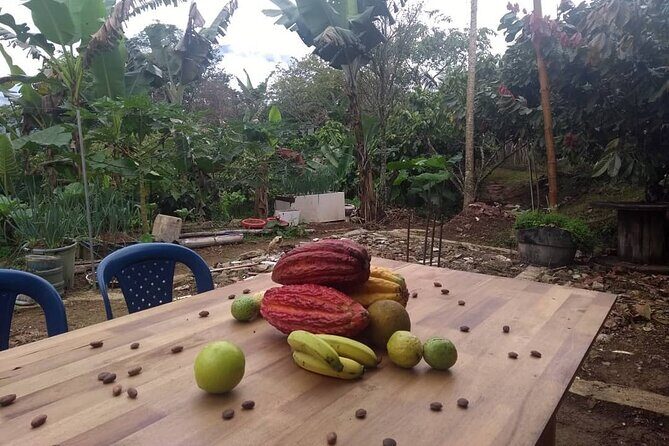
This tour’s base is the municipality of San Francisco, two and a half hours from Medellín. That distance matters because it shifts you away from city life and into the farming world where cacao actually grows and gets processed.
Cacao is described here as a plant native to the Americas—something many people know only as chocolate. What I like about the framing is that it doesn’t treat cacao like a novelty crop. It treats it like a real plant with a real origin story, a plant you can walk among and understand.
The best part is that you’re not just visiting a single point. The day is built around “sidewalks and farms” style exploring, so you get a more complete sense of how a peasant farm works, beyond one attraction.
If you’re the type who wants your food learning to come with context—hands, tools, crops, and routine—this location and format are a strong fit.
Other chocolate and cacao tours in Medellin
The 6:00 am start and an 8-hour rhythm
The tour meets at Parque de El Poblado in Medellín, with a 6:00 am start. The total day runs about 8 hours, and because San Francisco is a drive of roughly 2.5 hours each way, the schedule feels purposeful rather than rushed.
Early mornings can be rough if you’re used to late wake-ups. Still, I like that this kind of cacao experience usually works best when it starts with cooler air and more active farm energy. The timing also gives you enough daylight to do the farm learning and the waterfall without feeling like the day gets cut short.
Bring realistic expectations: this is not a “lie down and snack” outing. You’re walking around farms and later taking a walk to a waterfall. The day is designed to be active enough that you feel like you did something meaningful, not just sat in a vehicle.
If you hate early starts, you might find this one a bit demanding. If you can handle mornings, you’ll likely enjoy the day more because you’re fully awake by the time the farm stops begin.
From cacao tree to chocolate: what you’re really learning
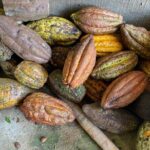
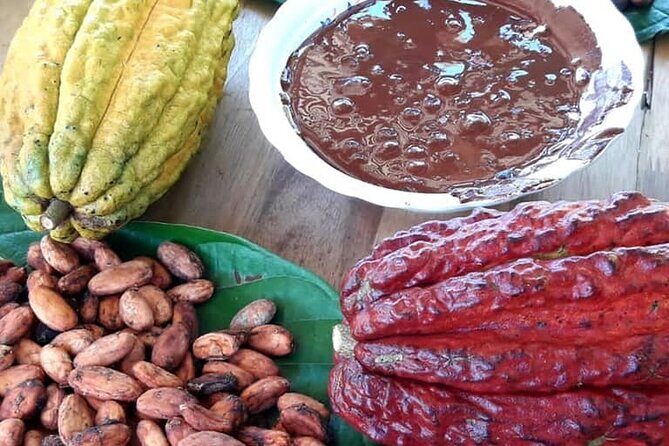
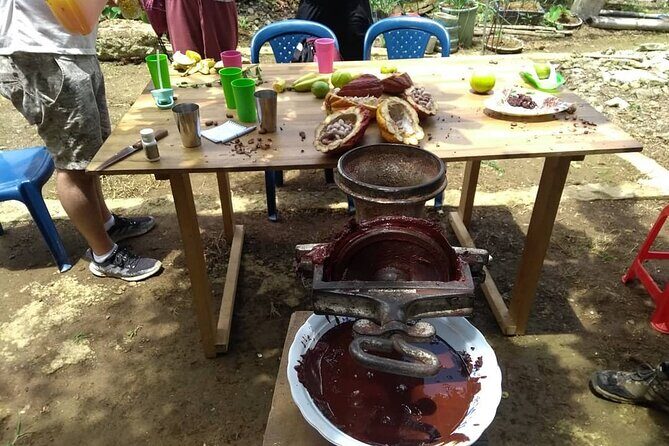
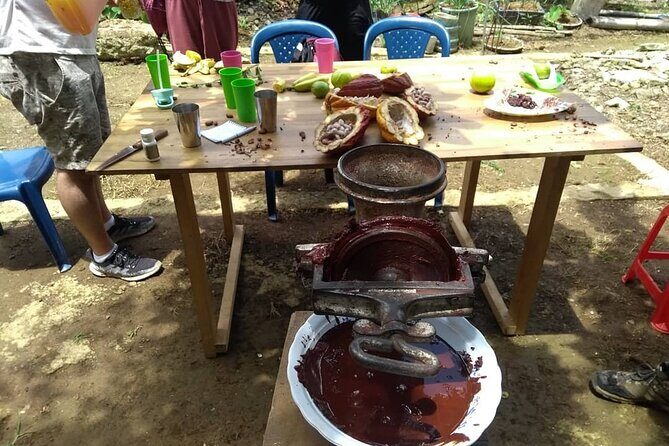
The core idea is simple: cacao from the bean to delicious chocolate. The tour explains that many people recognize chocolate but don’t know the tree, the seed, or where it comes from.
On the farm side, you’ll learn about:
- the crops and different types of cacao
- their history and uses
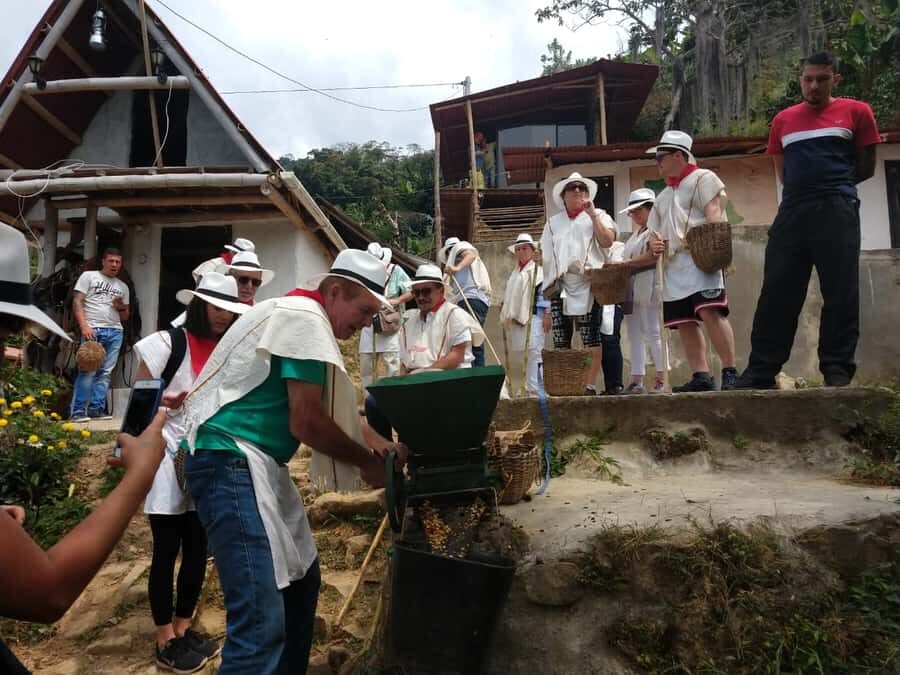
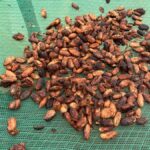
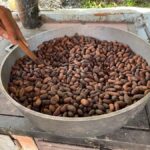
- how cacao is collected and transformed by peasant families
This matters because cacao isn’t one product; it’s an agricultural process. Different cacao types can behave differently, and the way the beans are handled affects the final flavor. Even without getting too technical, you’ll walk away with a much clearer mental picture of how chocolate is made.
One of the stand-out themes from strong feedback is the quality of interaction with local farmers. People specifically appreciated the chance to see day-to-day life and have the guide stay with them throughout the journey. That full-time presence is important. If a guide only joins you for a quick segment, the story stays shallow. Here, the emphasis is on staying with you as you move from learning to tasting.
Also, because the tour highlights “everything that is part of a peasant farm,” you get a broader view of how a working farm functions—not just the cacao plants themselves. That tends to make the chocolate lesson feel more grounded and less like a demo.
Sidewalks, farms, and peasant-farm life
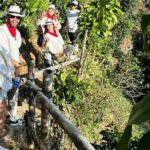
You’re going through the municipality experience, including walking around farms and learning how peasant families manage cacao alongside other farm elements. The wording here is intentional: you’re not just seeing a plantation; you’re seeing a way of life.
For me, that’s the value. Chocolate tours can sometimes feel like a scripted show. This one is built around what’s on the farm and the people working it. You get to see the collection and transformation process at the hands of local families, which is exactly the sort of “real-world” learning that makes food travel stick with you.
There’s also something calming about a farm-paced itinerary. Even when you’re walking, the pace tends to feel human-scale—time to ask questions, notice details, and connect what you’re seeing to what you’ll taste later.
You should also know what this kind of day implies: you’ll likely spend time on uneven or rural paths. Wear shoes that won’t scare you if the ground turns a little muddy or dusty. Pack light, but bring what you need to stay comfortable in the morning.
Tasting and chocolate therapy: the sweet part (with a purpose)
The tour doesn’t end with education. It includes tasting and something they call chocolate therapy.
I like this pairing because it solves a common problem on food tours: people learn a lot but forget it right after. When you taste the end product during the same day, your brain connects the story to real flavor and texture.
Even if you’re not a “chocolate person,” cacao tasting often helps you understand the plant’s personality. Chocolate can range from mild and aromatic to deeper and more intense depending on how cacao is handled. If the tasting includes different forms or preparations, you’ll likely notice differences that your guide can tie back to what you saw in the collection and transformation steps.
About the phrase chocolate therapy: you’re not being sold a medical promise. It’s framed as a relaxing, feel-good moment that matches the farm learning. Expect a guided, calming break rather than a rush to the finish line.
Plan to savor it. If you treat tasting like a checkbox, you’ll miss the point. If you slow down and pay attention, the cacao lesson will land harder.

The waterfall walk for a reset
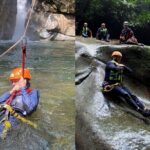
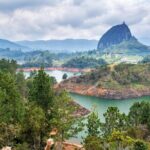
After the farm learning and tasting, the day continues with a walk to a waterfall of crystalline water. This is where the tour shifts gears from “learn and taste” to “breathe and refresh.”
This stop matters because cacao days can feel heavy—rich aromas, lots of questions, and steady activity. The waterfall gives you a physical break and a change of scenery, and it’s specifically described as a refreshing moment to finish the tour in a relaxed state.
What to think about here:
- you’ll be walking, so comfortable shoes help
- you may get mist or cool air near the water
- good weather is especially important, since the tour requires it
If you’re traveling with friends who love photos, this part will deliver. If you’re traveling solo, it’s still a good emotional payoff: you’ll feel like you completed a loop, not just visited spots in a line.
Pickup, private format, and how the $190 price feels
The price is $190.00 per person, and the duration is about 8 hours. For that cost, you get a full day of guided farm learning, tasting, and the waterfall stop, plus transportation from Medellín.
Value-wise, the strongest points are:
- pickup is offered, so you’re not stuck figuring out rural logistics
- it’s private, meaning only your group participates
- pickup + long drive + guide time typically add real cost to rural tours
- you’re not just entering a venue; you’re touring farms and seeing the process
I also like that it’s booked regularly (often about 5 days in advance on average). That usually signals the operator has a stable routine for pickups and timing.
One pricing consideration: if you’re a big group, ask about group discounts. The tour specifically notes group discount availability, and that can make a $190 ticket feel much easier to justify.
For couples or solo travelers, $190 is still reasonable if you care about food learning with real people behind it. If you only want a quick chocolate sample, there are cheaper options out there—but this one is built as a full, structured day in cacao country.
Who should book this cacao tour (and who might not)
This tour is a great fit if you:
- like agritourism and want to connect chocolate to the living plant
- enjoy guided walks where you can ask questions while you move
- want a day trip that blends learning with tasting and a nature finish
- prefer a private format where the guide can pace the group
It might not be ideal if you:
- can’t do a 6:00 am start
- hate walking on rural paths
- are traveling during a period when rain is likely (the tour requires good weather)
One more practical note: it’s offered in English, and most travelers can participate. Service animals are allowed, and the meeting point is near public transportation, which helps if you’re not planning to hire a taxi for the start.
Overall, this feels like a day designed for curious travelers who want something more human than a tasting room.
Should you book the Cacao Tour from Medellín?
If you want a chocolate experience that explains cacao as a plant and shows how local families collect and transform it, I’d book this. You’re paying for a full morning start, a guided farm day in San Francisco, tastings, and a waterfall walk at the end.
I’d especially recommend it if you like learning that stays practical: seeing crops, understanding uses and history at a farm level, then tasting what you learned the same day.
Skip it only if you’re strictly “no early mornings” or you know weather won’t cooperate. With good weather and an open mind, this is the kind of food day that leaves you with more than a sweet memory.
FAQ
What time does the tour start, and how long is it?
The tour starts at 6:00 am and runs for about 8 hours.
Where is the meeting point in Medellín?
The meeting point is Parque de El Poblado in Medellín. The activity ends back at the same meeting point.
How far is San Francisco from Medellín?
San Francisco is about two and a half hours from Medellín.
Is pickup available, and is the tour private?
Pickup is offered, and the tour is private. Only your group will participate.
What language is the tour offered in?
The tour is offered in English.
What happens if the weather is poor or you cancel?
The experience requires good weather. If it’s canceled due to poor weather, you’ll be offered a different date or a full refund. You can also cancel for free up to 24 hours in advance for a full refund.
Are service animals allowed?
Yes. Service animals are allowed, and most travelers can participate.