REVIEW · MEDELLIN
Chocolate Farm Private Tour in Medellin: Real Genuine Experience
Book on Viator →Operated by MedellinDayTrips · Bookable on Viator
Cacao grows where Medellín’s fog meets the Andes. This private, bilingual chocolate day takes you from cacao trees to a finished bar, with real farm steps and plenty of tasting along the way.
I really like how the tour starts with round-trip pickup from El Poblado or Laureles, then settles into the slower rhythm of a family cacao farm. I also love that you don’t just watch— you walk the plantation, pick cacao pods, and learn what happens after harvest.
One consideration: the farm walk can include steep ground and you’re higher up in the mountains, so bring comfortable shoes and plan for a bit of uphill effort.
In This Review
- Key highlights to look for
- From hotel pickup to Andes views: what makes this day work
- The drive there: time well spent (not just getting there)
- Stop One (Medellín): the cacao farm welcome and the big-picture lessons
- Stop Two (Santo Domingo): picking cacao pods, tasting raw fruit, and seeing the whole farm
- Fermenting and drying: the stages that shape flavor
- Stop Three (Santo Domingo): roast, hull, grind, and build flavor with real add-ins
- Wood fire roasting and manual hulling
- Grinding until it melts, then customizing the final chocolate
- The best part: making your own chocolate bar (and hot chocolate with cheese bread)
- Taking fair trade chocolate home: taste now, budget smart
- Price and value: is $129 worth it?
- Who this tour is best for (and who might want another option)
- Quick packing list for a smoother cacao day
- Should you book the Chocolate Farm Private Tour in Medellín?
- FAQ
- How long is the Chocolate Farm Private Tour in Medellín?
- Where does the tour pick up and drop off?
- How much does the tour cost?
- Is the tour private?
- Is the guide bilingual?
- What’s included in the price?
- What’s not included?
- What activities do you do during the tour?
- Can you buy chocolate to take home?
- Is weather important for this experience?
- Cancellation policy and timing
Key highlights to look for
- Convenient hotel pickup/drop-off from El Poblado or Laureles in an air-conditioned vehicle
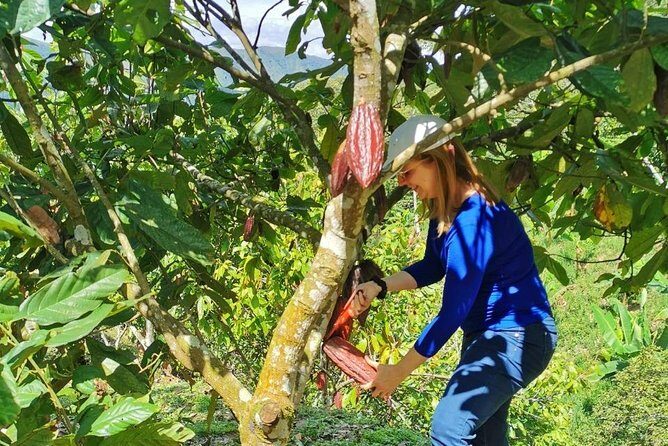
- Hands-on cacao picking in the plantation, using tools and spotting cacao in its natural form
- Full chocolate lifecycle in plain language: plantation care, fermentation, drying, roasting, and grinding
- Artisanal roasting and grinding (wood fire roasting and manual separation before grinding)
- Make-and-taste moment: custom mix-ins, mold, chill, and enjoy hot chocolate with cheese bread
From hotel pickup to Andes views: what makes this day work
This is the kind of tour that fits well into a Medellín trip because it’s private, timed, and comfortable. You start with pickup from your place in El Poblado or Laureles, then ride out in a clean, air-conditioned vehicle for about an hour. The road is described as safe and well-maintained, which matters when you’re leaving the city for a farm.
What I think makes the whole day feel good is the pacing. You get a mix of education, walking, and hands-on chocolate making, all in roughly six hours. It’s not a half-day where you feel rushed through everything, and it’s not a long commitment that crowds out other Medellín plans.
Other chocolate and cacao tours in Medellin
The drive there: time well spent (not just getting there)
The farm is outside Medellín, higher in the Andean mountains, so the drive is part sightseeing and part getting you in the right mood. You’re trading city noise for clean air and mountain views.
During the ride, you also get a preview of what you’ll learn later. The tour includes a fully bilingual guide, and past guests have specifically praised guides like Erica and Laura for connecting the farm story to the wider context of Medellín and Colombia. That kind of storytelling helps you remember what the farm steps mean, not just what happens at each station.
Stop One (Medellín): the cacao farm welcome and the big-picture lessons
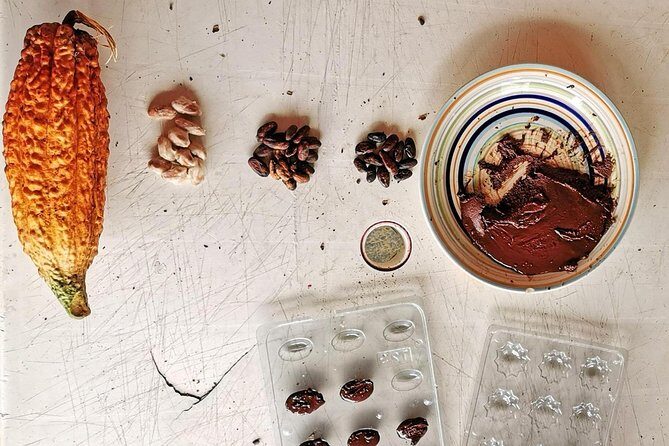
When you arrive, you’re greeted warmly by the farmer family, with something simple but memorable: fresh organic mandarin juice. It’s a nice reset after the drive, and it signals the farm vibe—practical, friendly, and rooted in what they grow.
Then the tour begins with the foundation: chocolate history and how cacao fits into the real world. You’ll cover how cacao plantations are maintained, and you’ll learn about natural enemies of cacao fruits and how farmers control them. This is useful even if you only care about chocolate. It explains why good cacao doesn’t come from magic— it comes from attention to the tree and its environment.
A private tour really matters here. You can ask the questions you actually have, instead of waiting for a group pause.
Stop Two (Santo Domingo): picking cacao pods, tasting raw fruit, and seeing the whole farm
This part is where the day turns from listening to doing. You’ll walk through the plantation and see cacao plants in their natural setting, along with other local crops like mandarin trees, coffee plants, and plantain trees. Seeing these together helps you understand cacao as part of a working farm system, not a single isolated product.
You’ll also get to use tools to pick ripe cacao pods from the trees. That’s a small thing, but it makes a huge difference. It’s one thing to read about harvest; it’s another to handle the pods and learn how farmers know when fruit is ready.
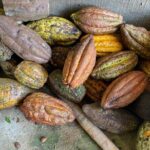
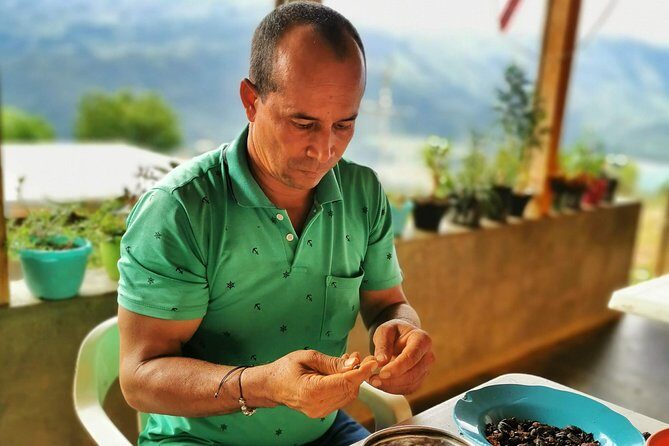
Then you move into the seed work. After picking, you head back to start fermenting. You’ll cut the cacao fruit, extract the seeds, and even get a chance to try the raw cacao fruit flavor—described as sweet. That taste alone helps you grasp why fermentation is such a big deal for the final chocolate profile.
Fermenting and drying: the stages that shape flavor
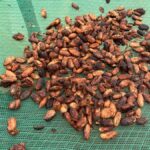
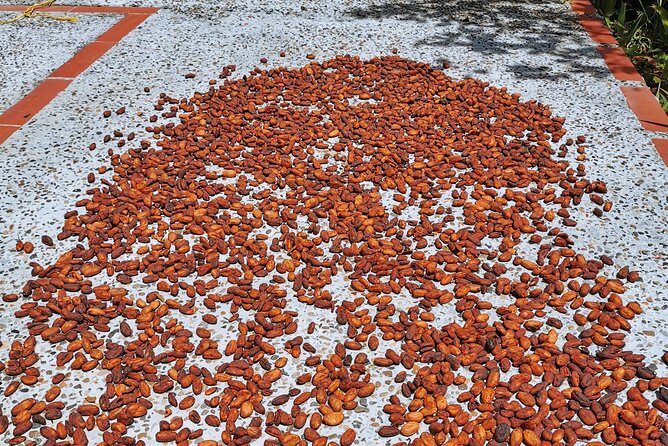
Here’s the practical reality: fermentation and drying take time on the farm. The process is described as fermenting in wooden containers for six days, followed by drying either in a greenhouse area (called a Marquesina) or by sun-drying on the ground. Weather determines how drying unfolds, and it’s noted as typically 2–4 days depending on conditions.
Your tour experience doesn’t require you to sit and wait through those days. Instead, you learn what farmers do, why they do it, and what each stage changes. That makes the chocolate you taste later feel earned.
Other private tours in Medellin



Stop Three (Santo Domingo): roast, hull, grind, and build flavor with real add-ins
Once the cacao seeds are dried, it’s time for the classic transformation—roasting, then the hands-on steps that turn beans into chocolate.
Wood fire roasting and manual hulling
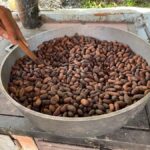
The roasting is described as artisanal: a simple pot on wood fire, stirred for about 30 minutes. After roasting, the husk is removed and the beans are manually separated. These details matter because they explain why fresh chocolate can taste different from what you’re used to from factory bars.
Grinding until it melts, then customizing the final chocolate
After roasting and hulling, the beans go to grinding and melting. The tour notes that the friction from the artisanal grinder helps the cacao melt, leaving you with the base for final chocolate.
This is also where the flavor choices get fun. You might add natural ingredients like mandarin skin, rice, sugar cane, chia, quinoa, and peanuts. The guide also experiments with new combinations, so if you have an idea, you can ask what might work.
From a value standpoint, this stop is one of the best reasons to choose this tour. A lot of chocolate tours stop at tastings. Here, the process is explained and connected to what you’ll actually eat next.
The best part: making your own chocolate bar (and hot chocolate with cheese bread)
By the final section, you’re not just consuming chocolate—you’re building it.
You’ll use superb quality cocoa to make either hot chocolate or chocolate bars. Then comes the hands-on moment: you mix your freshly ground chocolate with available ingredients such as powder milk, vanilla essence, green pepper, salt, sugar, ginger, lemon skin, and more. The ingredient list is broad enough that you can create something that feels like your own flavor profile, not just a demo recipe.
After you make your invention, the mixture is molded and placed in the fridge. In the meantime, you get a snack: delicious cheese bread paired with hot chocolate from the farm. And yes, you eat with a view, since the farm sits up high.
Once it’s chilled, you receive your own-made chocolate that has already solidified. Then you can buy more if you want to take extra gifts home.
Taking fair trade chocolate home: taste now, budget smart
The tour emphasizes fair trade handmade chocolate, and it notes you shouldn’t have customs problems when bringing it home. That’s a nice reassurance if you’ve ever worried about food gifts crossing borders.
What you should plan for is payment at the shop. One of the most practical notes from recent visitors: bring Colombian pesos, because credit cards and US dollars may not be accepted there. This isn’t the kind of detail you want to learn at the checkout counter, so plan ahead.
Also, this is one of those experiences where buying a few items isn’t just souvenir behavior. Your chocolate is tied to what you did earlier—picking pods, learning fermentation, and tasting at different stages. That makes the purchase feel like part of the story, not an afterthought.
Price and value: is $129 worth it?
At $129 per person for about six hours, this isn’t a bargain-basement activity. But the value makes sense if you break it down:
- It’s a private tour, so you get personal attention instead of sharing guide time with strangers.
- You get round-trip transfers from El Poblado or Laureles, which cuts hassle.
- It includes a hot chocolate snack plus cheese bread, so you’re not left starving.
- You get hands-on work across multiple stages: picking, fermenting/drying education, roasting/hulling/grinding demonstrations, and making your own chocolate with mix-ins.
The tour is also said to be booked around 30 days in advance on average, which suggests demand. In Medellín, that often means people have found it to be a reliable, high-satisfaction experience rather than a one-off.
If you love food experiences that are real and practical—where you actually touch ingredients and learn what changes the flavor—this price is easier to justify.
Who this tour is best for (and who might want another option)
This tour is a strong fit for:
- Couples and small groups who want a personal day with a guide
- People who prefer hands-on farm learning over museum-style tastings
- Chocolate lovers who want to understand fermentation, drying, and roasting— not just eat sweets
It may be less ideal if:
- You dislike walking on uneven or steep ground
- You want a guaranteed very flat, stroller-friendly stroll (the plantation walk can involve steep hills)
Quick packing list for a smoother cacao day
If you want the day to feel comfortable, don’t overthink it—just prepare for farm terrain and mountain air:
- Comfortable shoes or boots for walking (especially if you’re sensitive to slopes)
- Water, since you’re higher up in the mountains
- Long pants if you want extra comfort on the farm
- Bug spray is a smart idea in nature areas
If you do this, the tour feels like a fun adventure instead of a sweaty obstacle course.
Should you book the Chocolate Farm Private Tour in Medellín?
I’d book it if you want a chocolate experience with substance. The big win is that the day treats chocolate like a real agriculture process—trees, harvest, fermentation, drying, roasting, grinding—then turns it into something you can actually make and take home.
If you’re the kind of traveler who likes food, views, and learning from locals, this has a lot going for it. And the private guide format—especially with praised guides like Erica, Laura, Alejandro, and Sara—helps the day feel tailored rather than generic.
If you hate walking on steep ground or you’re only interested in tasting without caring about how it’s made, you might feel like you’re doing too much work for the chocolate payoff. But for most people who love genuine farm-to-cup experiences, this is an easy yes.
FAQ
How long is the Chocolate Farm Private Tour in Medellín?
The tour lasts about 6 hours.
Where does the tour pick up and drop off?
Pickup and drop-off are included for hotels in El Poblado or Laureles.
How much does the tour cost?
It costs $129.00 per person.
Is the tour private?
Yes. It is a private tour, and only your group participates.
Is the guide bilingual?
Yes. The tour includes a private fully bilingual guide.
What’s included in the price?
Included are round-trip transfers (pickup and drop-off in El Poblado or Laureles), an air-conditioned vehicle, a private fully bilingual guide, and snacks including hot chocolate with cheese bread.
What’s not included?
Lunch and breakfast are not included.
What activities do you do during the tour?
You visit the cacao farm, receive an introduction to cacao and chocolate production, pick cacao in the plantation, learn about fermenting and drying, watch roasting/hulling/grinding and flavor add-ins, and make your own chocolate mix that is molded and chilled.
Can you buy chocolate to take home?
Yes. The tour offers fair trade handmade chocolate for you to buy and take home.
Is weather important for this experience?
Yes. This experience requires good weather. If it’s canceled due to poor weather, you’ll be offered a different date or a full refund.
Cancellation policy and timing
Free cancellation is offered up to 24 hours in advance for a full refund. If you cancel less than 24 hours before the start time, the amount paid is not refunded.