REVIEW · MEDELLIN
Chocolate tour near the Medellín
Book on GetYourGuide →Operated by Tourguides Medellin · Bookable on GetYourGuide
Cacao turns a Medellín day trip into real food education. You leave town and head into Antioquia farm country, where you’ll learn how cacao fruit becomes chocolate, then taste the results in several forms. I especially liked the small, personal feel, with the farm family showing you how they work every day.
My other big favorite is the hands-on process that goes beyond tasting. You’ll help with stages from picking through steps like fermenting, drying, roasting, grinding, and molding, and you’ll get to make your own chocolate to take home. One thing to plan for: there’s no lunch, and the experience involves walking and farm conditions, so bring water and wear long pants.
In This Review
- Key things that make this chocolate tour worth your time
- Why a cocoa farm tour beats a chocolate shop
- Getting there from Medellín: pick-up areas and the countryside drive
- On arrival in Barbosa: meet the people behind the cacao
- The cacao farm process: picking through fermentation, drying, roasting, and grinding
- Seeing and tasting other farm crops along the way
- Hands-on chocolate making: your own molded chocolate bar
- Tastings you’ll actually remember: hot chocolate, nibs, and cocoa paste
- How long it really takes and what the timing feels like
- What’s included (and what you’ll need to plan for)
- What to bring and what to wear on a working farm
- Who this tour is best for (and who should skip it)
- Price and value: does $126 make sense?
- Should you book this Medellín chocolate tour near Barbosa?
- FAQ
- How long is the chocolate tour?
- Where are the pick-up and drop-off locations in Medellín?
- Is lunch included?
- What languages is the tour guide available in?
- Do you get to make chocolate or just taste it?
- What should I bring to the farm?
- Is this tour suitable for kids or wheelchair users?
Key things that make this chocolate tour worth your time
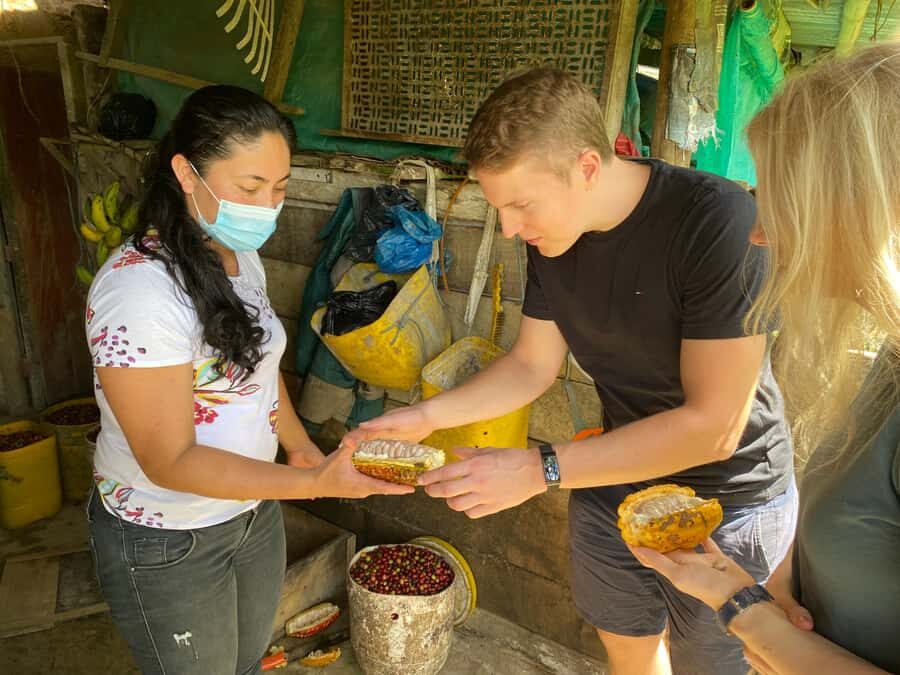
- Bean-to-bar stages you can actually see: picking, peeling, fermenting, drying, roasting, grinding, and molding
- A family farm feel: you meet the people who grow and process cacao, not just a shop that sells chocolate
- Tasting variety that makes the flavors click: hot chocolate, cocoa nibs, and cocoa paste
- Fruit from the farm too: you’ll sample other produce like coffee, avocado, yuca, fruits, and flowers (when available)
- A guided, bilingual experience: English and Spanish with a guide who keeps things clear
- Scenery on the way: the ride through countryside near Medellín is part of the day’s charm
Why a cocoa farm tour beats a chocolate shop
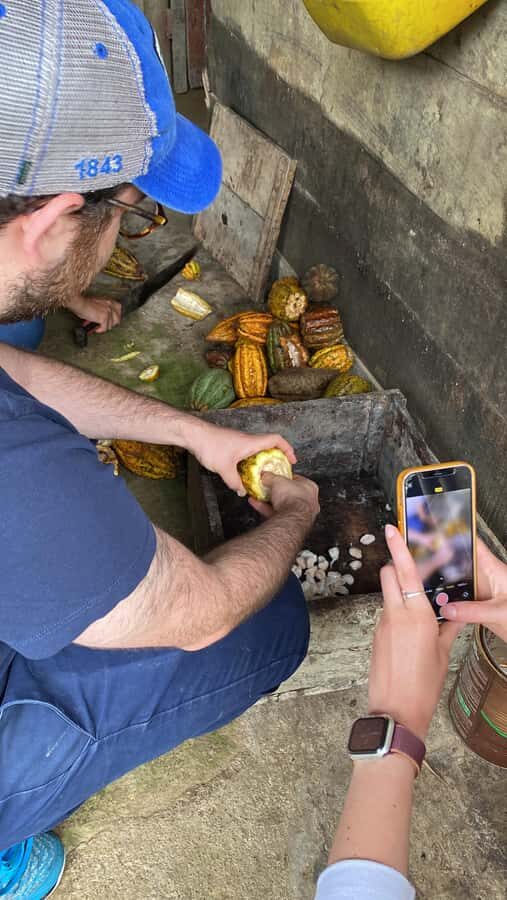
If you love chocolate, this tour changes the way you think about it. A city tasting can be fun, but it’s mostly about flavors. Here, the focus is how the flavor happens: cacao fruit is handled carefully, fermented, dried, then roasted and ground into paste before it ever becomes the bar you buy.
What you’re really paying for at $126 per person isn’t just a snack. It’s a guided look at how a Colombian countryside farm works, plus tastings and a true make-it moment. You also get pickup and drop-off from the Medellín areas of Laureles (Estadio) and El Poblado, which saves you from figuring out transport to a working estate.
And it stays grounded. This is not a theme park version of cacao. It’s the rhythm of a real farm.
Other chocolate and cacao tours in Medellin
Getting there from Medellín: pick-up areas and the countryside drive
The tour starts with pickup in either Laureles (near Estadio) or El Poblado. You’ll ride in an air-conditioned vehicle with a bilingual guide, and the countryside portion takes you toward the cacao region around Barbosa in Antioquia.
The road is steep and narrow in places, so if you get motion sick easily, it’s smart to sit where you feel most comfortable and keep water handy. Once you’re out of the city, you’ll start seeing why the farm experience feels different: the day becomes slower, quieter, and more focused on what’s happening around you.
This also matters practically. You’re only gone about 6 hours total, so the timing is tight enough that you feel like you get a full day trip without losing your whole afternoon.
On arrival in Barbosa: meet the people behind the cacao
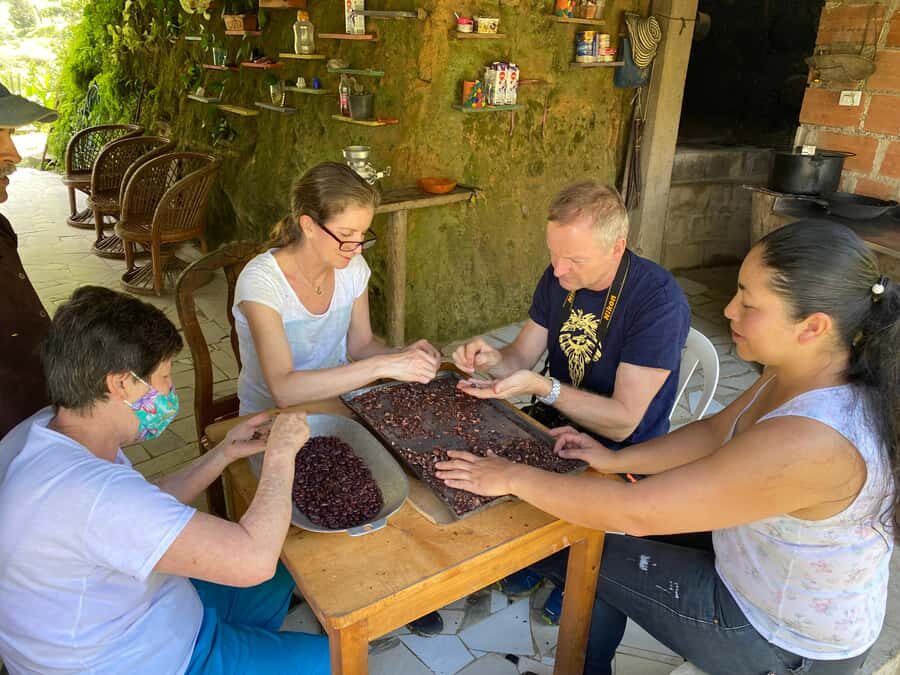
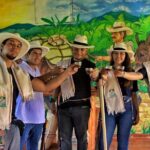
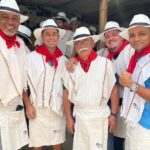
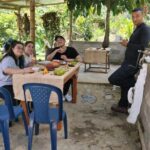
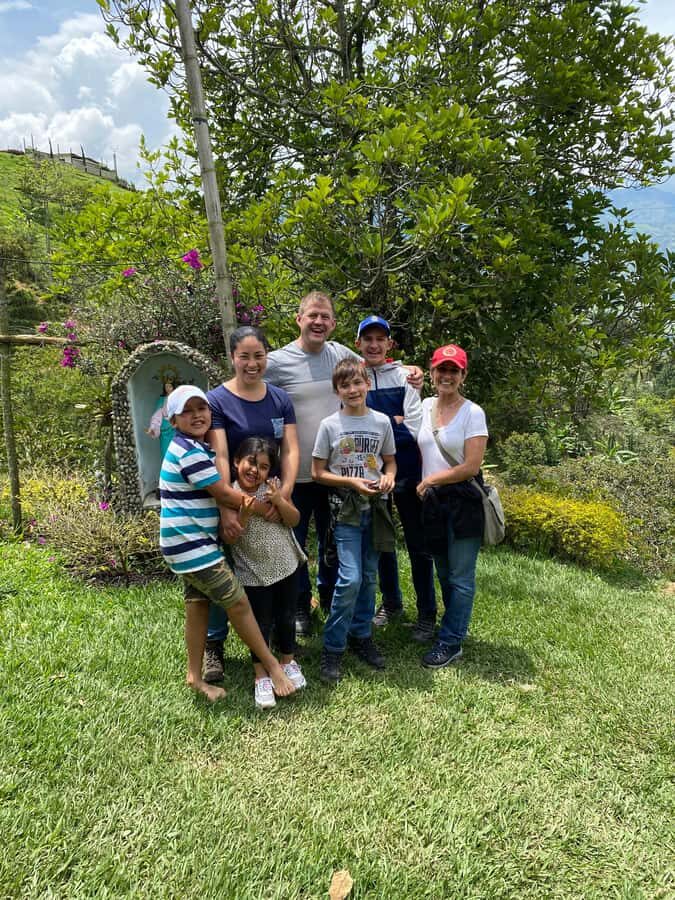
When you reach the farm, you’re not just shown a process. You’re welcomed into how the family lives and works. The hosts are the heart of the experience, and they explain the journey from the cacao tree to the final chocolate.
In my notes from the experience, the tour team can include guides such as Sara, who helps translate and keeps the day running smoothly. You may also spend time with farm owners like Efrem, Alicia, and Sandra—and the tone is personal, not salesy.
You’ll likely get small welcome touches too, like drinks and fruit. Some visitors also mention anti-mosquito soap being offered, which is a small detail but a useful one when you’re spending time outdoors.
And if you’re the type who loves learning little “why does it taste like that?” facts, this is where it starts. You’ll hear how the farm manages cacao alongside other crops.
The cacao farm process: picking through fermentation, drying, roasting, and grinding
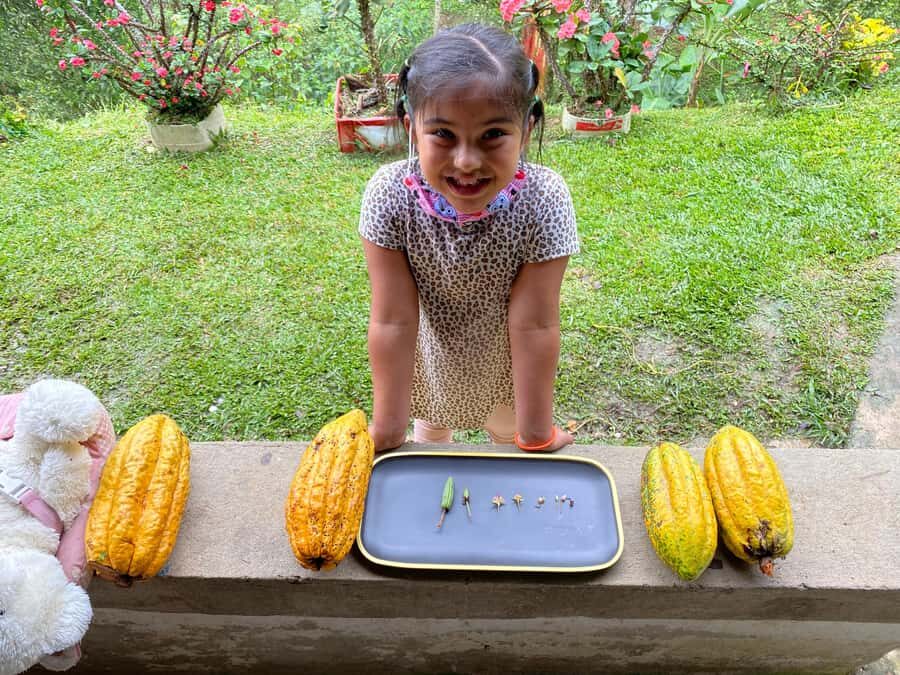
This is the core of the tour, and you’ll spend time seeing the steps that many people never think about.
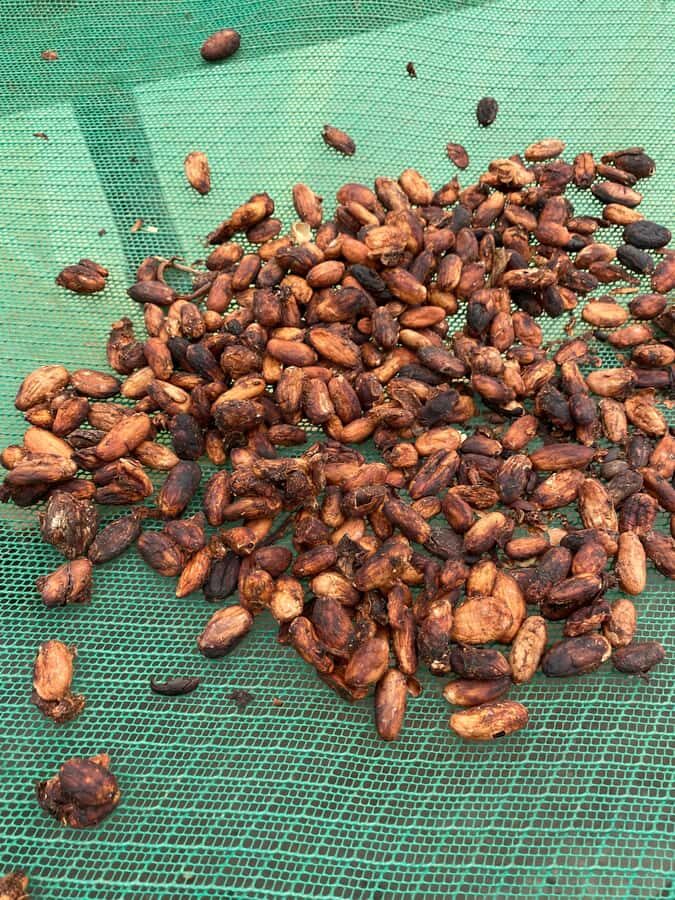
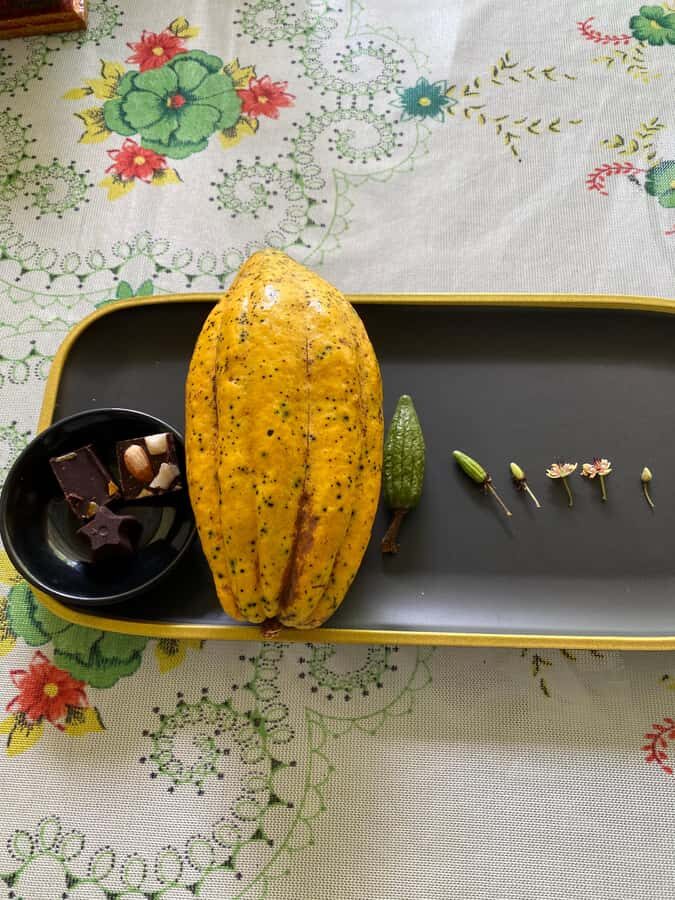
You’ll begin at the cacao grove, where you learn how cacao fruit is handled. Then the work continues through the stages of transforming it:
- Picking ripe cacao pods
- Peeling to access the beans
- Fermenting (a key step for developing chocolate flavor)
- Drying the beans
- Roasting
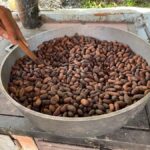
- Grinding into paste
The experience is hands-on, meaning you’re not just standing around watching someone else do everything. The tour is designed so you take part through steps from picking to molding, which is where the day becomes a lot of fun.
One smart takeaway: cacao doesn’t taste “good” or “bad” on its own. The way it’s processed changes the outcome. When you later taste hot chocolate, cocoa nibs, and cocoa paste, you’ll understand what each step is trying to achieve.
You may also hear specifics about cacao tree varieties. One visitor notes learning about three different cacao tree species grown on the estate and picking ripe fruit with the group. Even if your version focuses more on the process than the botany, you’ll still come away with a clearer picture of what cacao farmers actually manage in the field.
Seeing and tasting other farm crops along the way
The chocolate part is the headline, but the farm is bigger than cacao. You’ll be shown how the family grows other products, and you’ll often taste fruit during the visit.
Based on what’s shared, you can expect to see or learn about crops like:
- Coffee
- Avocado
- Yuca
- Other fruits
- Flowers (when growing season lines up)
This matters because it explains the farm’s real-life economics. A cocoa estate is not a single-crop operation in many cases. It’s a system. When you understand that, cacao feels less like a product and more like part of a working landscape and a household economy.
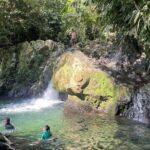
Also, if you like birdwatching and quiet moments, you might get a chance to slow down after the work—some visitors describe watching birds and enjoying the scenery around the property.
A few more Medellin tours and experiences worth a look

Hands-on chocolate making: your own molded chocolate bar
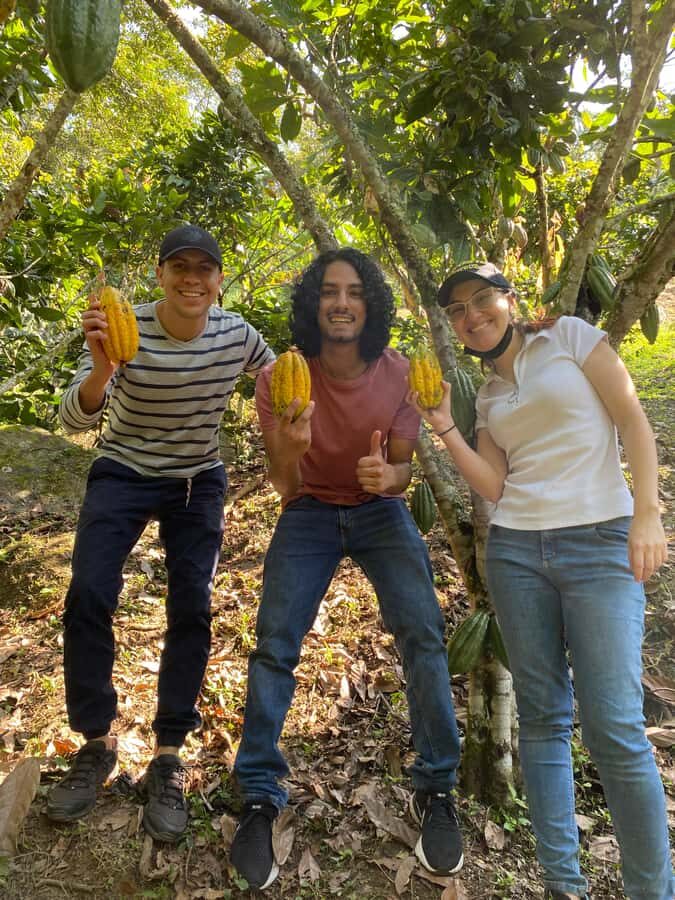
The best part of any food tour is the moment you do something yourself. Here, you’ll join the process that leads to chocolate you can take home.
By the time you reach the chocolate making portion, you’ll understand the logic of each step. Once the cacao is roasted and ground into paste, it becomes the ingredient for the chocolate forms you’ll taste and shape.
Then comes the hands-on stage: molding. This is where the tour shifts from learning to making. You’ll leave with chocolate you produced as part of the experience—exactly the kind of souvenir that feels worth it.
One practical tip: during hands-on food work, it helps if you wear clothes that you don’t mind getting a little farm-dust on them. This isn’t a spotless kitchen demo. It’s a real process in real environments.
Tastings you’ll actually remember: hot chocolate, nibs, and cocoa paste
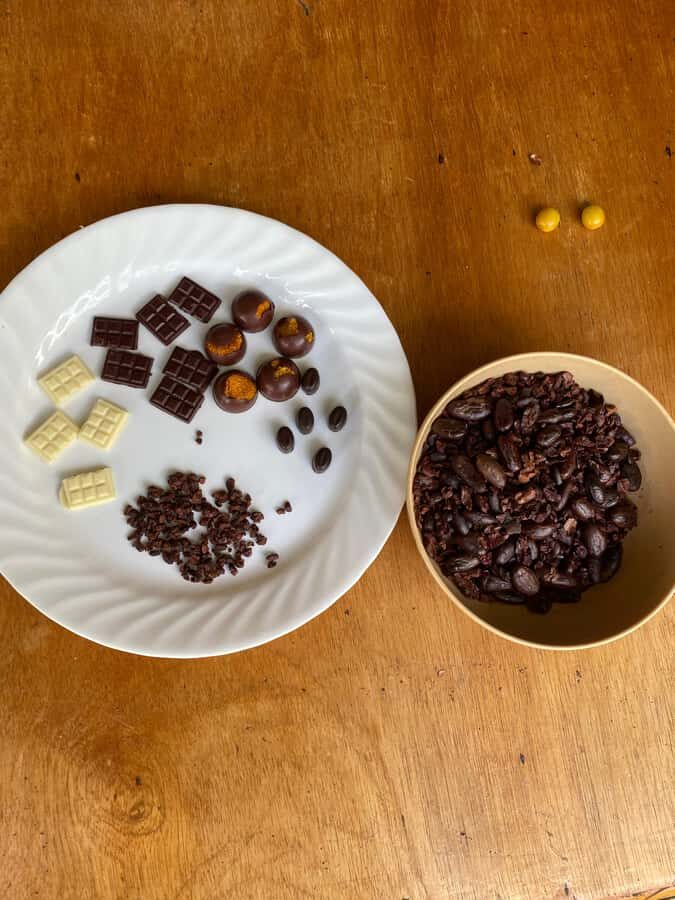
The tasting is built to connect the process to the product. Instead of only tasting a sweet bar, you get multiple cacao presentations:
- Hot chocolate
- Cocoa nibs
- Cocoa paste
That combo is smart. Cocoa nibs are more raw and textured, hot chocolate shows how heat and mixing change perception, and cocoa paste gives you a closer look at how cacao tastes before it becomes fully sweetened or refined.
And the farm fruit tastings help round it out. It turns the day into something you can enjoy in pieces: learn first, taste second, then make.
If you’re coming from Medellín expecting purely chocolate, you’ll still be happy. But if you’re curious about how ingredients behave and why fermentation matters, you’ll likely enjoy it even more.
How long it really takes and what the timing feels like
Total duration is 6 hours, with about 3.5 hours focused on the Barbosa farm experience after pickup. That structure is useful if you don’t want a full day lost to transit.
It’s also a good pace for people who don’t want to spend hours in a long line or in one room. You’re moving through steps, looking at equipment, walking around the farm, and then returning to tastings and hands-on making.
The day can feel active. If you want a relaxed tour, bring the right expectations: this is part farm walk, part process lesson, part workshop.
What’s included (and what you’ll need to plan for)
Included:
- Guided cocoa farm tour
- Hands-on chocolate making
- Tasting of different cocoa products
- Tasting fruits from the farm
- Pickup and drop-off from Laureles (Estadio) and El Poblado
- Bilingual guide (English/Spanish)
- Air-conditioned vehicle
Not included:
- Lunch
That last point is the one you should not ignore. If you book this, plan to eat before you go or after you return. Since you’ll be outdoors, snacks can also help. The tour notes recommend bringing water and snacks, and that’s a good idea for comfort.
What to bring and what to wear on a working farm
This is a farm visit, not a museum visit. The right outfit makes the day smoother.
Bring:
- Hat
- Camera
- Sunscreen
- Water
- Comfortable clothes
- Long-sleeved shirt
- Insect repellent
- Long pants
Wear comfortable walking shoes. Avoid items that don’t work well on uneven ground, and skip anything that might get in the way during hands-on work. The tour also lists restrictions like no pets, no smoking, and no short skirts or sleeveless shirts.
If you’re sensitive to insects or you tend to run warm, long pants and repellent aren’t just suggestions. They’re part of making sure the experience stays pleasant.
Who this tour is best for (and who should skip it)
You’ll likely enjoy this most if:
- You love learning about how food is made, not only how it tastes
- You want a hands-on activity you can bring home
- You’re comfortable walking on farm paths and spending time outdoors
It may not be a fit if:
- You have back problems (the farm environment and activity level can be demanding)
- You need wheelchair accessibility (it’s not suitable for wheelchair users)
- You have food allergies
- You’re traveling with children under 5
For couples and small groups, this kind of tour often hits the sweet spot because it stays personal. The experience also notes a minimum of 2 passengers to run, which usually supports a small-group feel.
Price and value: does $126 make sense?
Let’s talk value in practical terms.
At $126 per person you’re getting:
- Round-trip transport with pickup/drop-off from central Medellín areas
- A bilingual guide focused on the cocoa process
- A guided farm visit that covers multiple processing stages
- Hands-on chocolate making where you mold your own chocolate
- Tastings of cocoa products (hot chocolate, nibs, cocoa paste)
- Fruit tastings from the farm
What’s not included is the one predictable thing: lunch. So factor in a meal plan and maybe snacks.
When food tours are only about a tasting, they can feel pricey because you’re paying for flavors without context. Here, you’re paying for context plus a real workshop component. That’s why the cost can feel justified, especially if you’re staying in Medellín for a few days and want one memorable “food and culture” day trip.
Should you book this Medellín chocolate tour near Barbosa?
Book it if you want a cacao-to-chocolate experience that feels personal and practical, not just a quick tasting stop. You’ll come away with a clearer understanding of fermentation and processing, plus the fun satisfaction of making chocolate yourself.
Skip it (or pick another activity) if you need an easy, seated day, because this is an active farm visit with outdoor walking and hands-on work. Also, since lunch isn’t included, plan your meals so you don’t feel stuck mid-day.
If your idea of a great day trip is learning by doing—walking through the process and tasting what the farm produces—this is the kind of tour that tends to leave people thinking about chocolate long after they’ve packed it in their bags.
FAQ
How long is the chocolate tour?
The tour lasts 6 hours total.
Where are the pick-up and drop-off locations in Medellín?
Pickup and drop-off are available in the Laureles (Estadio) and El Poblado areas. If you don’t see your lodging listed, you’re asked to let the provider know where you’re staying.
Is lunch included?
No, lunch is not included.
What languages is the tour guide available in?
The tour guide is bilingual, with English and Spanish.
Do you get to make chocolate or just taste it?
You take part in the process of making chocolate, including steps from picking through molding, and you’ll also taste several cocoa products.
What should I bring to the farm?
Bring a hat, camera, sunscreen, water, comfortable clothes, a long-sleeved shirt, insect repellent, and long pants.
Is this tour suitable for kids or wheelchair users?
It’s not suitable for children under 5 years old, and it’s not suitable for wheelchair users. It’s also noted as not ideal for people with back problems and for people with food allergies.