REVIEW · MEDELLIN
Coffee & Chocolate Private Tour in Medellin: Genuine Experience
Book on Viator →Operated by MedellinDayTrips · Bookable on Viator
Coffee and cacao start looking very different here. This private 8.5-hour farm outing pairs hands-on processing with mountain views and a guide who stays with you all day. Along the way, you get to see how Colombian coffee moves from tree to cup, and how chocolate becomes more than a bar.
What I like most is the pace and access: you’re not shuffled around. You get undivided attention during the farm time, and guides like Lau, Laura, and Sara are repeatedly described as patient, warm, and agriculture-focused, which makes the whole day feel personal. The other big win is the structure: coffee first, then lunch with lemonade, then cacao step-by-step, finishing with your own chocolate creation.
One consideration: the coffee part includes an 800-foot steep uphill hike on a natural trail with no road access. You can stop to catch your breath as needed, but you’ll want solid shoes, and you should expect it to feel like a hike, not a stroll.
In This Review
- Key highlights you’ll feel in your day
- A private coffee-and-cacao day outside Medellín that feels like real farm life
- Hotel pickup and the Santo Domingo start: countryside views with zero hassle
- The 800-foot coffee hike: short, real, and worth dressing for
- Picking beans and learning traditional coffee processing up close
- Lunch with a view and farm-made lemonade (and a chance to buy beans)
- Chocolate on the farm: history, cacao health, pests, and sustainability basics
- From cacao pods to your own chocolate bar: ferment, dry, roast, grind, mold
- Price and value: $179 is about access, not just snacks
- What to pack and how to prepare (so the day stays fun)
- Who this tour suits best in Medellín
- Should you book this Coffee & Chocolate Private Tour?
- FAQ
- How long is the coffee and chocolate private tour in Medellín?
- Where does the tour pick up and drop off?
- Is this a private tour?
- What food is included?
- Are entrance fees included?
- Is there hiking during the tour?
- What language will the guide speak?
Key highlights you’ll feel in your day
- Private farm access with a bilingual guide who stays with your group
- Coffee from picking to depulping/fermenting/drying, plus tasting what you helped make
- Regional lunch with a view and farm-made lemonade
- Cacao pod-to-bar workshop, including tasting raw seeds and crafting your own flavored chocolate
- Wood-fire roasting and grinding for that smoky, tactile chocolate process
- Steep trail heads-up: plan for the uphill segment and wear grippy shoes
A private coffee-and-cacao day outside Medellín that feels like real farm life
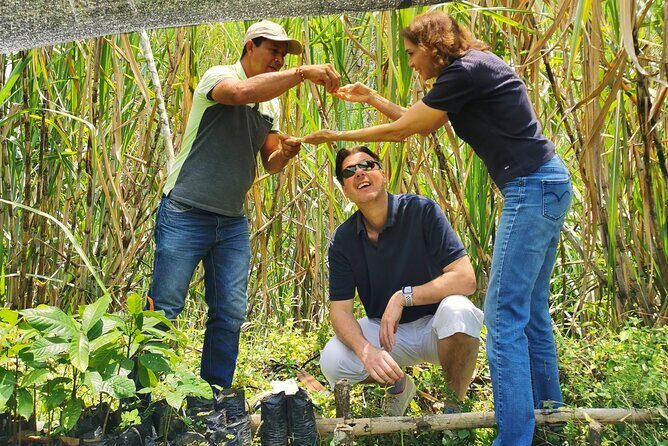
This is one of those Medellín days that changes your habits at home. Instead of tasting coffee and chocolate as finished products, you watch the real work behind them, from how the beans are handled to how cacao gets fermented, dried, roasted, and ground.
The private setup matters. With hotel pickup and drop-off (in El Poblado or Laureles), you don’t waste energy figuring out meeting points or sorting logistics. And because it’s just your group, your guide can slow down when you want questions answered, not when a schedule says you should move on.
At the heart of the experience is two-part learning. First you focus on Colombian coffee culture through farm-based processing. Then you shift into chocolate, where you learn how to keep cacao healthy, how pests are managed in a sustainable way, and how each step affects the final flavor.
And yes, you’ll eat well. Lunch is included, plus you have multiple chances to sample coffee and raw cacao along the way.
Other coffee farm tours we've reviewed in Medellin
Hotel pickup and the Santo Domingo start: countryside views with zero hassle
Your day begins with pickup right from your place in El Poblado or Laureles. Then you head north about an hour toward Santo Domingo, where you’re met by cacao farmers.
This first drive is not just transportation. It sets the tone: you’re moving from the city edge into working countryside. Once you arrive, you leave the vehicle at the cacao farm and start the day’s first hike toward the coffee farm.
The value here is simple. The tour takes care of the hardest part for many visitors: getting out to the farms. You can focus on the scenery and the day, not on navigation.
The 800-foot coffee hike: short, real, and worth dressing for
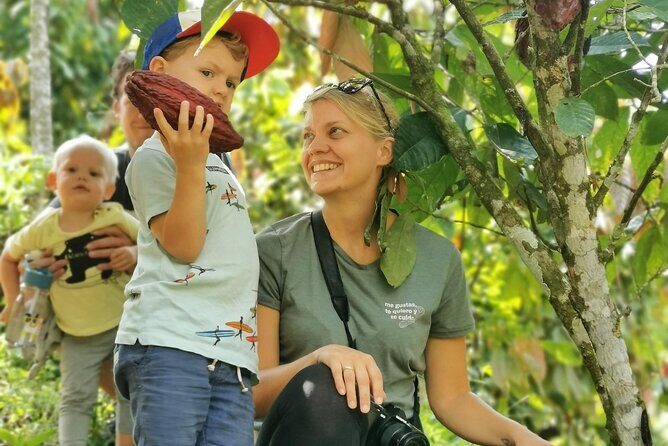
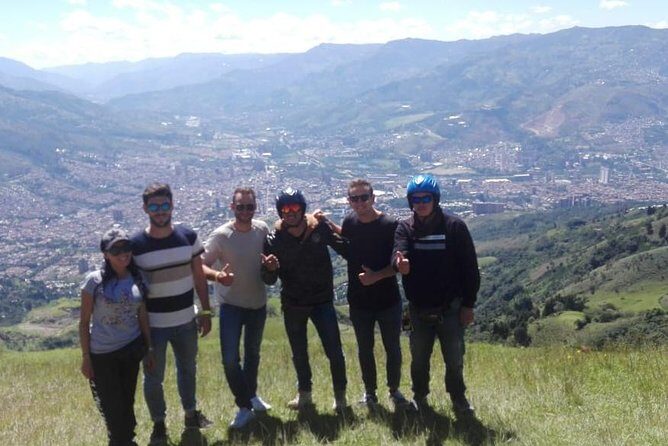
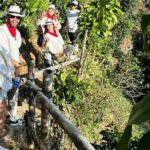
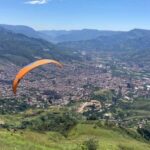
Here’s the part to respect: you’ll do an uphill hike of about 800 feet (around 250 meters). The ascent is roughly 10–15 minutes, and the descent is usually 8–10 minutes. It’s on natural terrain with no road access, so it can be steep.
You can take breaks as often as you need to catch your breath and appreciate the views. Still, don’t treat it like a casual walk. If it’s been wet, the ground can be slippery, so plan accordingly.
What to wear: trekking boots or shoes with good grip. If you only pack sneakers that slide, you’ll wish you had traction. If you’re traveling with limited mobility, this is the one segment that could affect comfort.
Once you reach the coffee farm, the work becomes hands-on fast. You’re welcomed with a cup of premium Colombian coffee, then a coffee expert explains coffee culture in a practical way, not just a history lesson.
Picking beans and learning traditional coffee processing up close
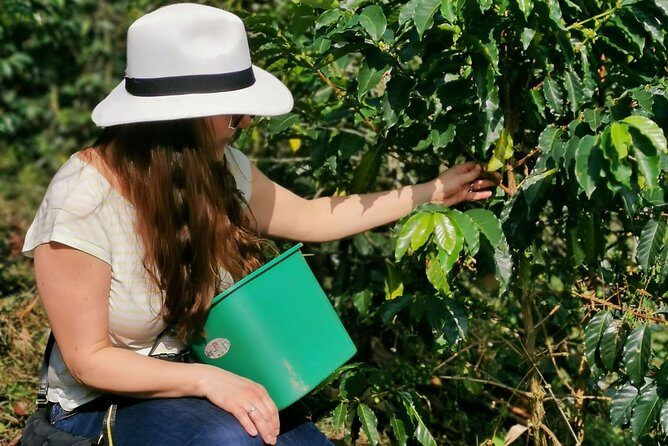
At the coffee farm, you’re not stuck watching. You pick coffee beans by hand and learn how the process works: depulping, fermenting, and drying using traditional artisanal methods.
Even if you love coffee already, this is where the day gets interesting. You start noticing that coffee flavor doesn’t appear out of nowhere. It’s shaped by handling and timing—fermentation and drying especially. The tour gives you the sequence so the cup at the end has a story.
Then you move into the next stage: brewing.
After the coffee processing segment, you’ll brew coffee using two traditional methods. It’s included as part of the experience, and it’s a great chance to compare what you learned with what you taste. The guide’s explanations help you connect sensory impressions to real steps in the farm process.
Lunch with a view and farm-made lemonade (and a chance to buy beans)
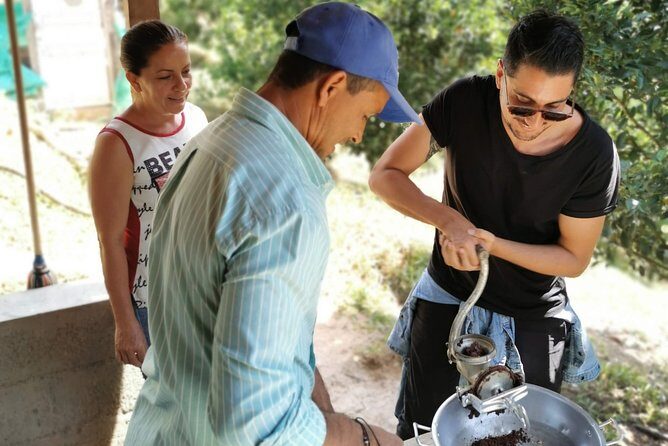
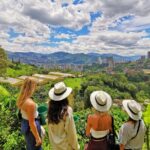
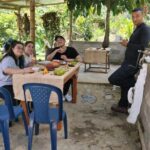
Next comes one of the best parts of any farm tour: you get to slow down and eat. You’ll enjoy a regional lunch with a stunning view and fresh farm-made lemonade.
This matters because farm work is physical and weather-dependent. A well-timed meal turns the day from a schedule into a relaxed experience where you can actually absorb what you saw. The lunch also tends to feel more local than restaurant food, since it’s tied to the farming rhythm rather than a menu designed for tourists.
After lunch, there’s time to purchase freshly roasted coffee if you want to take something home. That’s a smart add-on for two reasons:
- You’ll know what you’re buying because you saw the process.
- The coffee is coming from the same farm network you visited, not a generic product store.
Then you walk to the cacao segment and shift gears again.
Other chocolate and cacao tours in Medellin
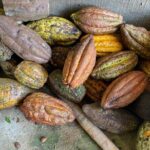

Chocolate on the farm: history, cacao health, pests, and sustainability basics
The cacao portion starts with a structured introduction. You cover:
- the global history and production of chocolate
- how to maintain a healthy cacao plantation
- common cacao pests and sustainable control methods
This isn’t heavy theory. It’s the kind of practical farming context that helps you understand why farmers do what they do. Once you see cacao as a living plant system—affected by pests, soil, and care—it’s easier to appreciate the final taste.
Then you move into the plantation walk. You explore cacao plants in their natural environment, alongside other local crops. This part gives the farm a sense of place. You stop thinking about cacao as a product and start seeing it as an orchard that farmers manage daily.
If you’re the kind of person who asks questions about agriculture, this segment is where your guide can shine, because you can connect farming choices to real outcomes.
From cacao pods to your own chocolate bar: ferment, dry, roast, grind, mold
This is the “wow” section, because you get both learning and making.
Back at the farm, you open cacao pods to extract the sweet, raw seeds. You can taste the raw cacao, which is a moment I recommend you take seriously. Raw cacao tastes different from chocolate—more intense, less sweet in the typical bar sense—so tasting it helps reset expectations.
Then you learn the processing timeline:
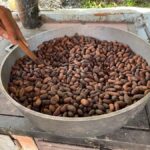
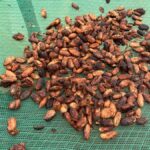
- fermentation for six days in wooden boxes
- drying for 5–10 days in a solar greenhouse called a marquesina
Drying length affects texture and flavor development, so the fact that the tour gives you the actual time range is useful. You’re not just hearing generalities; you’re getting a real schedule.
Next is roasting and grinding:
- beans are roasted over a wood fire, which adds a subtle smoky flavor
- after cooling, husks are removed by hand
- then the beans are ground until the texture changes from grainy to something closer to melted chocolate
Finally comes the most fun part: crafting your own chocolate.
You mix your freshly ground chocolate with ingredients provided, such as powdered milk, vanilla, green pepper, salt, lemon zest, or ginger—whatever you feel like combining. Then you mold the chocolate and place it in the fridge to set.
This is a rare kind of souvenir. It’s not just a packaged bar. It’s the edible proof that cacao is a multi-step craft.
And if you like the idea of supporting small farms, this tour tends to focus on real, non-mass-production work. That’s part of why it feels special.
Price and value: $179 is about access, not just snacks
At $179 per person, the price is fair when you think about what’s included. You get:
- private transportation in an air-conditioned vehicle
- hotel pickup and drop-off (El Poblado or Laureles)
- a private bilingual guide
- entrance fees for the coffee and cacao farms
- lunch, plus coffee and chocolate experiences across the day
The biggest value driver is the private access to working farms. This is not a drive-by photo stop. It’s time at the farms plus guided explanations during the key steps. That’s why a private format can make more sense than a cheaper group tour: you’re paying to spend longer where it counts.
If you’re the type who wants to maximize quality over quantity, this is a strong deal. You’ll come away with a clear understanding of processing and a chocolate you personally made, not just a tasting flight you forget next week.
If you’re price-sensitive and don’t care much about how things are made, you might find you’re paying for experience depth rather than food quantity.
What to pack and how to prepare (so the day stays fun)
This tour is outdoors enough that preparation matters. Based on the hike requirements and common farm-day advice:
- wear trekking boots or grippy shoes for the steep uphill segment
- bring sunscreen and insect repellent
- dress for warm mountain sun, plus cool spots if weather shifts
- expect to walk on natural ground, not paved paths
Also, plan your day so you’re not arriving hungry. Breakfast isn’t included. You’ll have lunch later, plus coffee and samples, but you’ll start the morning off better if you eat before pickup.
Finally, keep an eye on weather. The experience requires good weather, and if it’s canceled due to poor conditions you’ll be offered a different date or a full refund.
Who this tour suits best in Medellín
This is a great fit for:
- couples who want a meaningful day outside the city
- friends who like hands-on activities and don’t mind some walking
- solo travelers who enjoy guided context and a calm, private pace
- families with older kids who can handle a short steep hike
It’s especially good if you love coffee and want to understand why it tastes the way it does. And it’s equally good if you’re a chocolate fan who wants to learn fermentation, drying, and grinding steps, then turn that knowledge into an actual bar you can eat.
If you want a low-effort day with minimal walking, the hike is the main thing to consider. Everything else is structured and timed, but the terrain is still terrain.
Should you book this Coffee & Chocolate Private Tour?
Book it if you want a farm day that’s actually about process, not just tasting. The private guide time, the included lunch, and the step-by-step coffee and cacao work make it feel like a real connection to Colombian agriculture.
Skip or at least rethink if:
- the idea of a steep 800-foot uphill hike on natural ground makes you nervous
- you’re only looking for a quick stop or primarily want a city experience
- you don’t care about learning how coffee and chocolate are made and would rather spend the day doing something else
If you do book, prepare for the hike, wear good shoes, and come ready to ask questions. That’s when this kind of tour pays off the most—because you’ll notice what most people miss: the craft behind the flavor.
FAQ
How long is the coffee and chocolate private tour in Medellín?
It runs about 8 hours 30 minutes (approx.).
Where does the tour pick up and drop off?
The tour includes pickup and drop-off at your place in El Poblado or Laureles.
Is this a private tour?
Yes. It’s a private tour/activity, so only your group participates.
What food is included?
The tour includes lunch. Breakfast is not included.
Are entrance fees included?
Yes. Entrance fees for the coffee and cacao farms are included.
Is there hiking during the tour?
Yes. There’s an approximately 800-foot steep uphill hike on a natural trail to reach the coffee farm.
What language will the guide speak?
You get a private bilingual guide.