REVIEW · MEDELLIN
Graffiti Tour comuna 13 and cable car (made by local guides)
Book on GetYourGuide →Operated by World Lion VIP Tours Medellin · Bookable on GetYourGuide
Comuna 13 hits you fast: cable car views, then street art with a real story behind it. I like how this tour blends big Medellín viewpoints with hands-on creativity, because the graffiti experience isn’t just photo ops—it’s tied to the neighborhood’s transformation. I also like the energy of the local performances, with rap and breakdance that make the culture feel present, not museum-like.
One thing to plan for: this is a walking-and-stairs kind of outing. Expect steps up and down, and the route includes multiple levels and escalators, so if you’re not comfortable with uneven steps, think twice and pace yourself.
Key Points to Know Before You Go
- Cable car first: you get aerial Medellín views before you even reach Comuna 13
- Graffiti isn’t only sightseeing: you’ll do a graffiti experience, not just look at walls
- Street performances included: breakdance and rap shows are part of the flow
- Multiple cultural stops: Casa 3D / Casa Neon, art galleries, and a soccer pitch scene
- Historical context is explicit: the armed conflict (1990–2002) is addressed directly
- Escalators + viewpoints: you’ll end with major city views and transformation talk
In This Review
- Why This Comuna 13 + Cable Car Tour Feels Different
- The Starting Point: San Javier Metro, Exit B (Find the Red)
- Cable Car Time: Views You’ll Remember Longer Than Photos
- Getting to Comuna 13: Bus Transfer, Then Walking the Sectors
- The History Lesson (1990–2002) and Why It Matters for the Art
- Graffiti, Murals, and the Local Artist Perspective
- Breakdance and Rap Shows: Culture as Living Performance
- The Soccer Pitch Stop: Pop Culture Meets Place
- Casa 3D / Casa Neon and the Art-Gallery Feel
- Escalators and Views: The Medellín Panorama Moment
- Mass Grave Mountain: Where the Gravity Lands
- Ending With Social Transformation (and a Final View)
- Price and Value: Is $33 Worth Three Hours?
- Rain or Shine: What Weather Changes (and What It Doesn’t)
- Who This Tour Suits Best
- My Booking Recommendation: Should You Do It?
- FAQ
- How much does the tour cost and how long is it?
- Where do I meet the guide?
- What language options are available?
- What’s included in the tour?
- Is it canceled if it rains?
- What items aren’t allowed during the tour?
Why This Comuna 13 + Cable Car Tour Feels Different
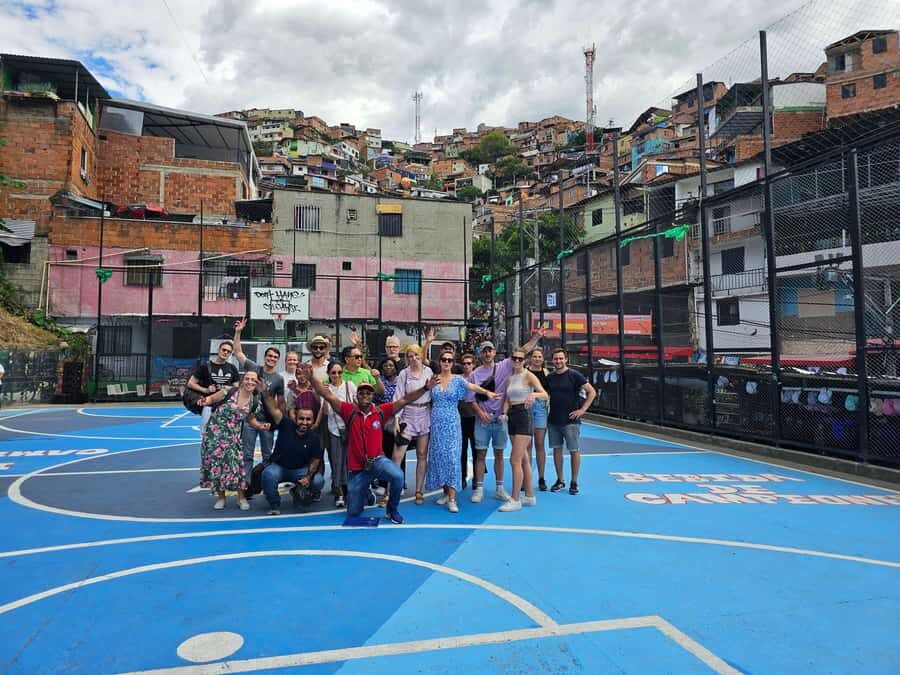
If you want Medellín’s “pretty postcard” side, you can find it. If you want the Medellín that people built—step by step, brick by brick, wall by wall—this tour gives you that angle.
You start at the San Javier metro station, then take the cable car and later move through Comuna 13 by bus and on foot. That sequencing matters. The cable car shows you the city from above, and when you later climb and look out again from the top, the transformation feels physical. You’re not only learning about change—you’re riding through it.
The graffiti part also changes the vibe. This isn’t just a guided walk where the guide points and you photograph. You’ll actually have an experience doing graffiti, and it’s framed alongside murals, artists, and the wider story of what the neighborhood went through.
Just as important: you’re not dodging the hard parts. The tour includes an introduction to the armed conflict in Comuna 13 from 1990 until 2002. You should show up ready to listen, not just to collect images.
The Starting Point: San Javier Metro, Exit B (Find the Red)
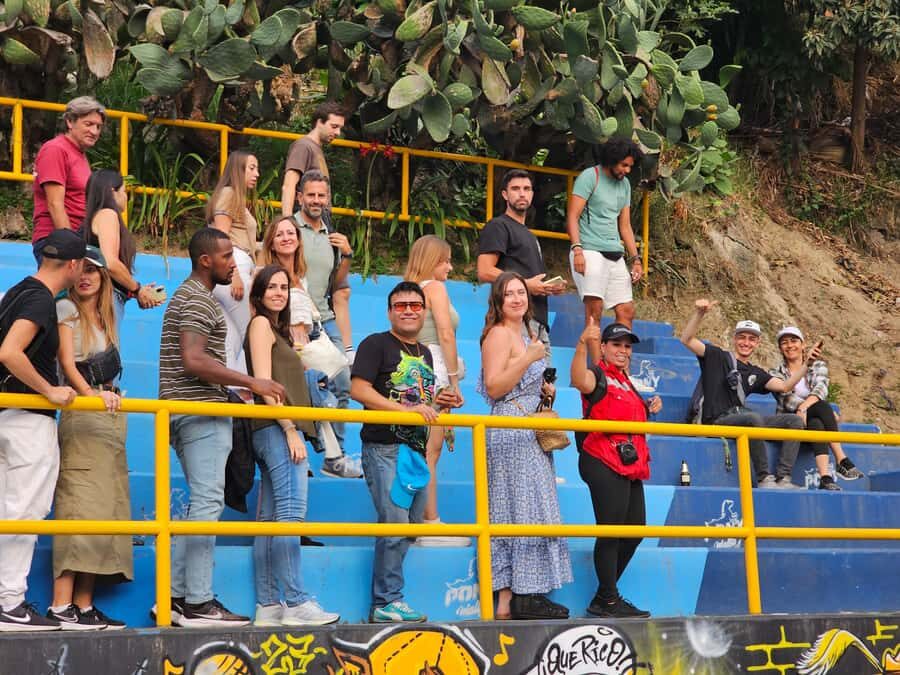
Meeting is outside Estación metro San Javier, near exit B. Your best move is to arrive a few minutes early and look for the person coordinating the group—wearing a red T-shirt or red jacket close to the red public phones.
This matters because Comuna 13 tours often involve a quick transition between transport modes. If you’re late, you can lose time and end up sprinting to catch the cable car.
Also, you’ll be doing introductions right after meeting. That sounds small, but it sets the tone. Local guides run these tours like conversations. You’ll likely feel comfortable asking questions as the day moves along.
Other Comuna 13 graffiti tours we've reviewed in Medellin

Cable Car Time: Views You’ll Remember Longer Than Photos
The cable car ride is included, and for good reason. It’s not filler.
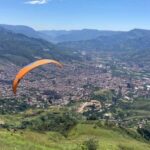
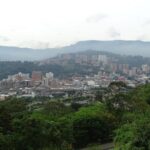
From up high, you get a Medellín overview that’s hard to replicate from street level. Later, when the tour brings you to more viewpoints (including after the escalators), those earlier images snap into place. You start understanding the geography—how neighborhoods sit on hillsides, how movement and access shaped daily life, and how people use transportation to connect.
One practical tip: cable cars are short, but you’ll want to keep your phone or camera accessible without fumbling. You’re dealing with steps, crowds, and moving groups—so keep your gear secure and your hands free.
Getting to Comuna 13: Bus Transfer, Then Walking the Sectors
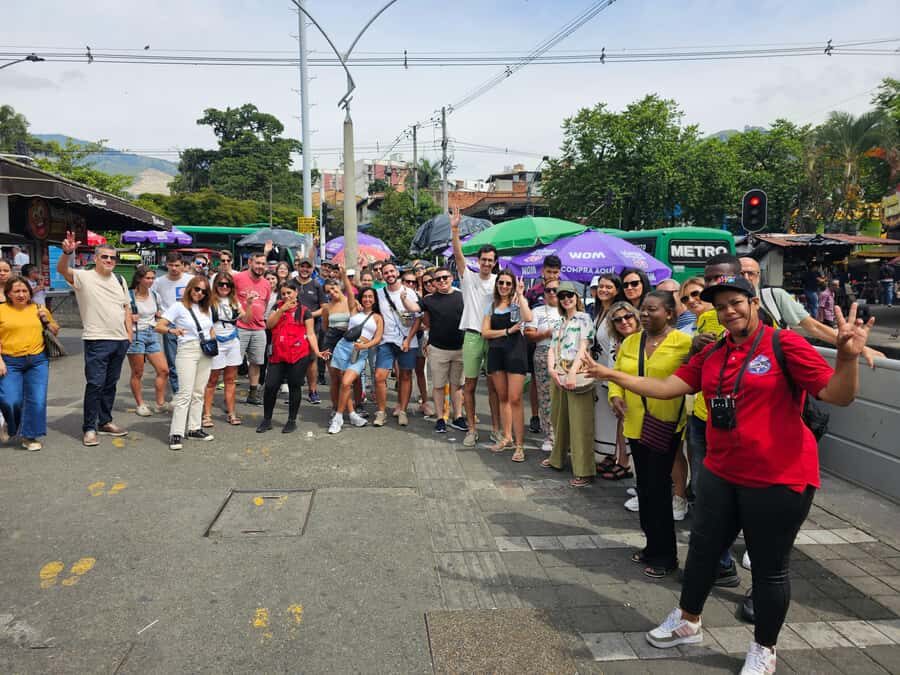
After the cable car, you head to the 20 de Julio neighborhood by bus. Once you arrive, you walk through sectors Independence 1, 2, and 3. That walk is where the tour really becomes a cultural route instead of a transport route.
You’re moving through areas that many visitors never see without local guidance. And because the tour is structured around history and art, the walking makes sense. You’re not wandering randomly; you’re following a story.
If you’re someone who gets tired easily, here’s what to watch for: Comuna 13 involves steps up and down. Even with escalators later, the day can still feel active. The people who enjoy this most tend to be the ones who slow down, drink water, and accept that your legs will be part of the experience.
The History Lesson (1990–2002) and Why It Matters for the Art
The tour provides an introduction to the armed conflict Comuna 13 faced from 1990 until 2002. You’ll learn how the neighborhood was affected, and then you’ll connect that context to what you’re seeing in murals and graffiti.
This is the difference between street art as decoration versus street art as communication. When you understand the pressure the community lived through, the murals stop being “cool visuals” and start reading as messages—about survival, identity, grief, pride, and rebuilding.
A balanced approach also helps: the tour doesn’t only dwell on tragedy. It frames social transformation, and you’ll notice that the route includes creativity and performances alongside the historical context.
You should expect the story to be direct. If you dislike topics like armed conflict, you might find this part heavy. For most people, though, it’s exactly what makes the tour feel honest.
Graffiti, Murals, and the Local Artist Perspective
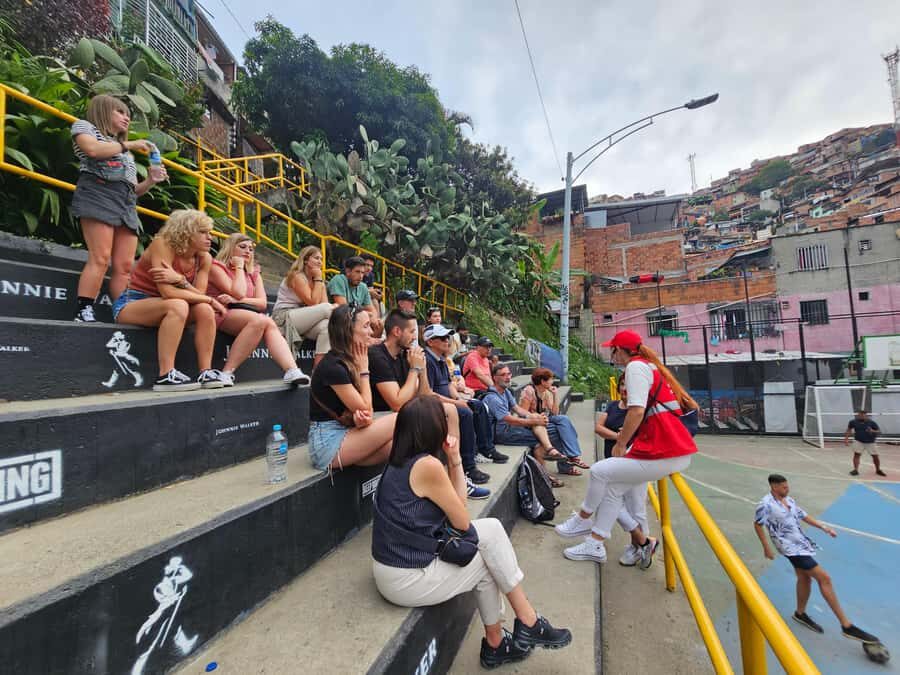
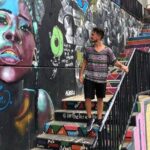
Once the tour sets the historical stage, you move into the art itself—graffiti and murals by different artists from Comuna 13.
Here’s what I think you’ll appreciate most: the guide’s job isn’t to sell you art as a trend. It’s to explain it as a language. You’ll see how murals function as memory and as a public statement, and you’ll learn how the neighborhood’s artists use walls to speak where formal structures may have been absent or unsafe.
Then comes the best part for hands-on types: you get to do an experience of graffiti. Even if you’re not an artist, doing it yourself makes the tour stick in your head. You’ll understand what artists have to control—space, surface, and the intent behind marks—without needing to be skilled.
Other cable car and Metrocable rides we've reviewed in Medellin

Breakdance and Rap Shows: Culture as Living Performance
After the graffiti and mural explanation, you’ll watch breakdance and a rap show.
This is one of the most praised parts of the experience. Guides often bring the shows into the timeline of transformation: the performances aren’t separate entertainment islands; they’re part of how the community channels energy, creativity, and identity.
From the feedback on the guides, names like Laura, Samuel, Fernanda, Jonathan, and Leandro come up repeatedly, often described as engaging, warm, and quick to answer questions. That matters because if a guide can connect the performance to place and history, it stops feeling like a staged show and starts feeling like the neighborhood’s voice.
If you’re sensitive to loud environments, be prepared for a lively atmosphere. Bring a mindset of participating in a moment, not only observing it from the sidelines.
The Soccer Pitch Stop: Pop Culture Meets Place
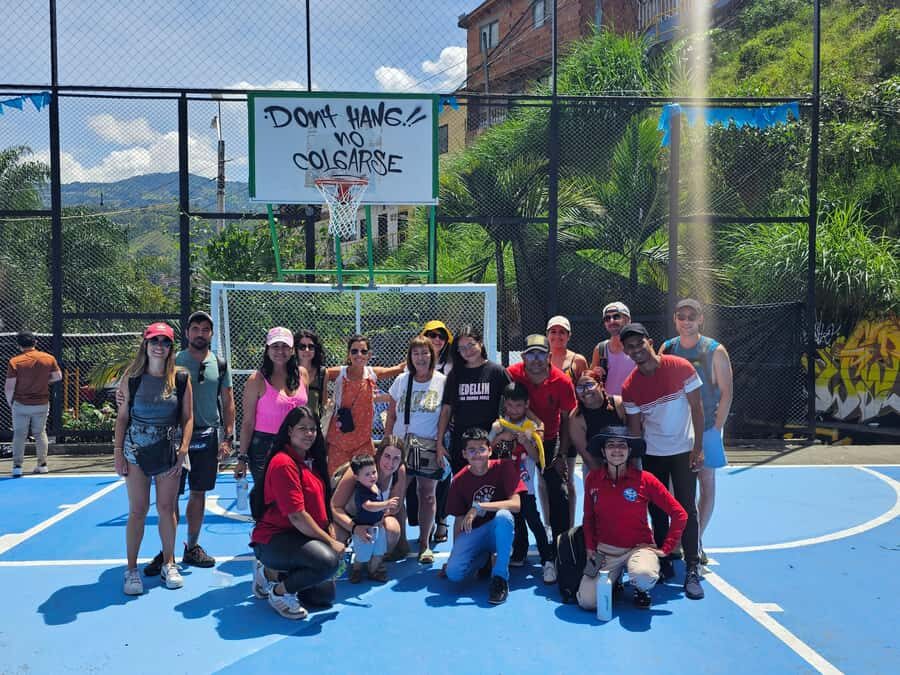
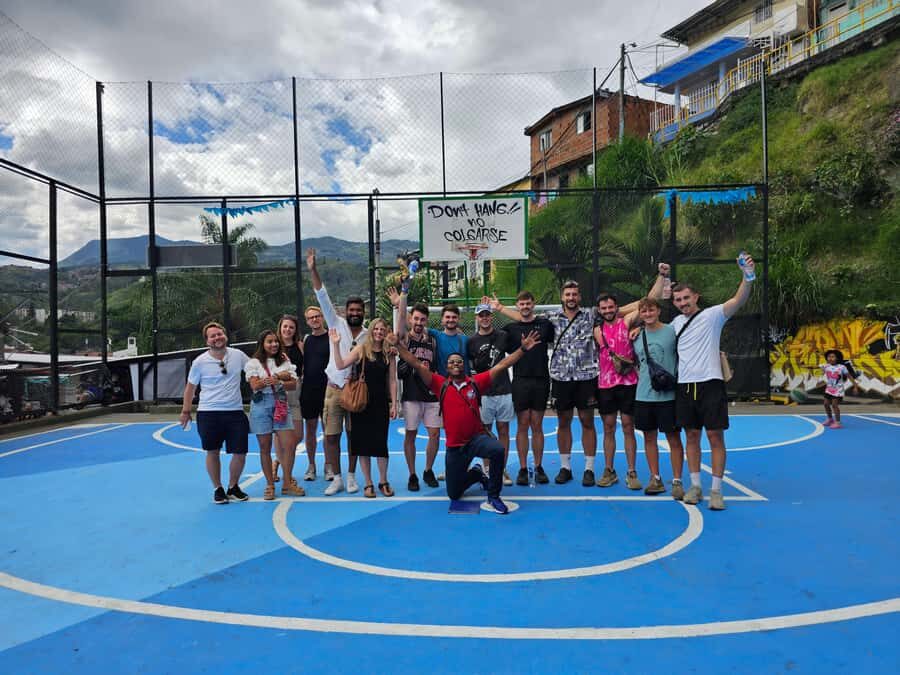
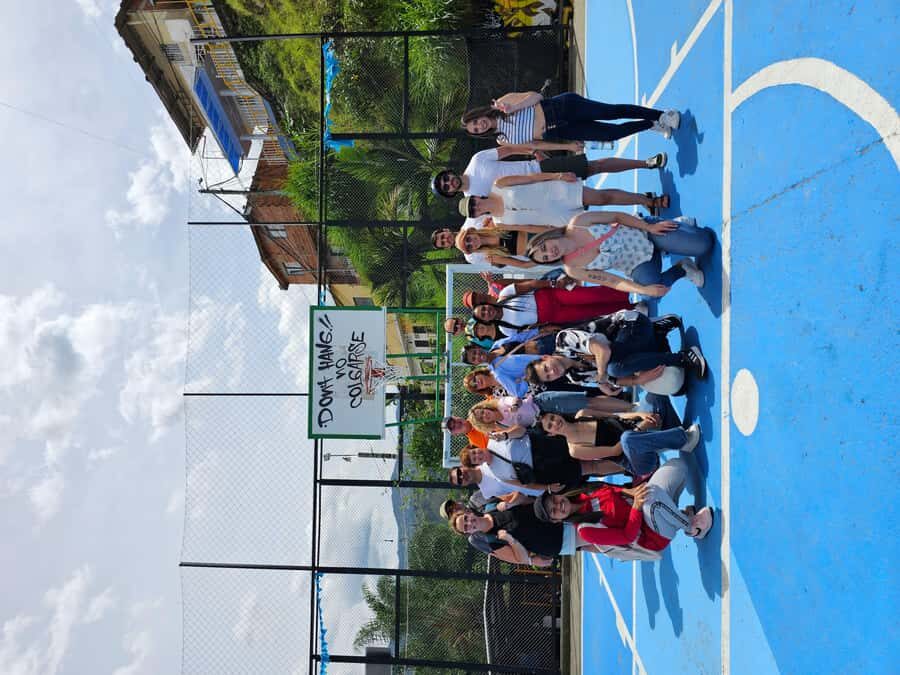
You’ll visit a famous soccer pitch where some celebrities recorded video clips. This stop is a reminder that Comuna 13 isn’t trapped in the past. People come here for sport, entertainment, and the energy the neighborhood carries.
It’s also a good reset point. The tour shifts from murals and performances into an open space where you can take photos, look around, and regroup before the higher climb and escalator moments.
Casa 3D / Casa Neon and the Art-Gallery Feel
Next up is Casa Neon or Casa 3D (you’ll see the creative structure and photo-friendly interior style). After that, you’ll spend time with art galleries as part of the route.
This section can be a little different in tone from the conflict-history part—more playful and visual. That balance works. It prevents the tour from becoming only heavy information, and it shows how creativity takes many forms, from murals to interactive art spaces.
If you love photography, this is one of your easiest segments to enjoy. Just don’t let the camera distract you from listening to the guide explain why these creative spaces matter locally.
Escalators and Views: The Medellín Panorama Moment
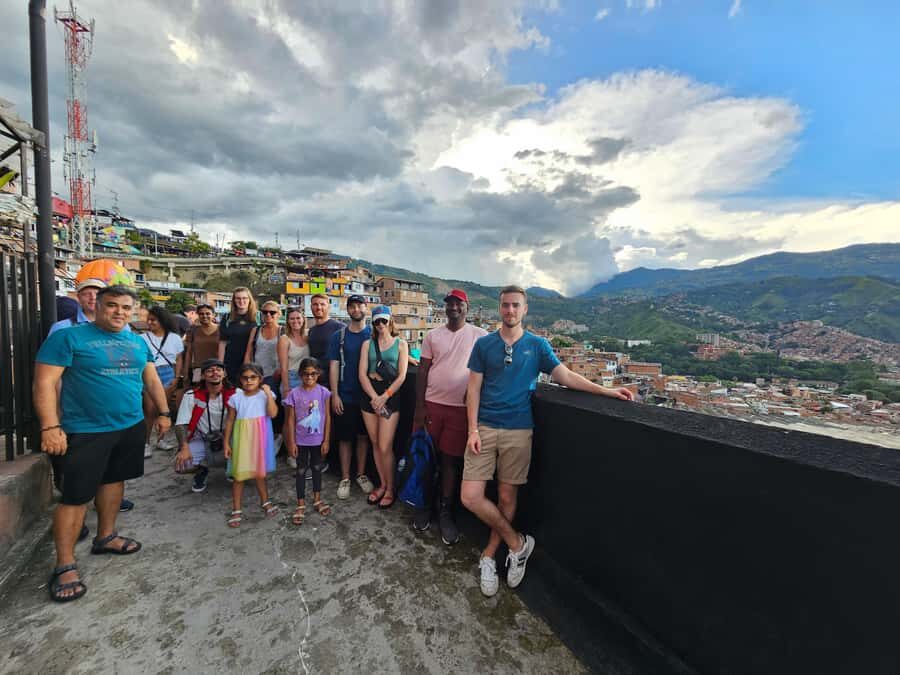
Then you take the escalators to reach the top and enjoy major views of Medellín, including emblematic places.
This is the “wow, I get it now” segment. Escalators in a hillside neighborhood aren’t just transportation—they’re a symbol of access and modernization, and they’re a visible piece of transformation. Standing high up and looking out, you can connect the dots between history, rebuilding, and daily movement.
In practical terms, treat this as your photo-and-rest zone. You’ll likely get short breaks, and it’s the best time to slow down, breathe, and take in the scale of the city below.
Mass Grave Mountain: Where the Gravity Lands
One of the most serious stops is the mass grave mountain, described as one of the biggest in South America.
This is where the tour becomes emotionally weighty. If you want an experience that stays upbeat the whole way, this isn’t it. But if you want understanding—real understanding—this stop is part of making the whole story coherent.
My advice: don’t rush it. Give yourself a few minutes to take in what’s there, and then let the guide’s closing discussion help you reflect on what the community has done since then.
Ending With Social Transformation (and a Final View)
After the mass grave mountain, the tour finishes in a place with a good view where the guide talks about social transformation. This ending is intentional: you’ve heard about pain, you’ve seen creativity, you’ve watched performances, and now you return to the broader theme.
Then you head back to the metro station, which keeps the day manageable.
If you’re deciding whether this belongs on your Medellín list, I’d frame it like this: the tour doesn’t treat Comuna 13 as a theme park. It treats it as a community with memory and momentum.
Price and Value: Is $33 Worth Three Hours?
At $33 per person for about 3 hours, the value is strong if you care about more than just a “view + photo.” You’re getting transportation (cable car and bus), a guided route, and multiple included activities: graffiti experience, rap and breakdance shows, escalators, plus stops like Casa 3D / Casa Neon and galleries.
When you add in the included ice cream and refreshing drink, it feels like an afternoon that’s planned for you instead of cobbled together on your own. The biggest value, though, is the guide’s role in connecting what you see to why it matters—history to art, hardship to creativity.
The main reason someone might feel it wasn’t worth it? If you only want lightweight sightseeing and you aren’t comfortable with the conflict-history component. Otherwise, this is one of the better “structured experience” deals in Medellín for the time.
Rain or Shine: What Weather Changes (and What It Doesn’t)
This tour runs rain or shine, so you’ll want a rain layer. Weather can change how slippery steps feel and how long you’ll want to stay outside, but it doesn’t change the route’s core idea.
Bring footwear you’re happy to walk on uneven ground with, and keep an eye on your footing around stairs and narrow paths.
Who This Tour Suits Best
This experience fits best if you:
- want Medellín that’s grounded in real neighborhood life
- like street art that has a political and social backbone
- enjoy performances and don’t mind lively group energy
- appreciate guides who tell stories and answer questions
It’s less ideal if you:
- need a fully low-stairs route
- prefer only upbeat, distraction-free sightseeing
- strongly dislike direct discussion of armed conflict
My Booking Recommendation: Should You Do It?
Yes, I’d book it—especially if you’re spending only a few days in Medellín and want one afternoon that does more than scratch the surface. The combination of cable car views, hands-on graffiti, and rap/breakdance performances makes it more engaging than most “just art walks.”
Before you go, do yourself a favor: mentally prepare for the emotional seriousness of the history segment and the mass grave stop. Then pair that readiness with practical comfort—good shoes, water, and a calm pace on the steps.
If that sounds like your kind of travel, this tour is one of the most meaningful ways to understand Comuna 13 without treating it like a postcard.
FAQ
How much does the tour cost and how long is it?
It costs $33 per person and lasts about 3 hours.
Where do I meet the guide?
Meet outside Estación metro San Javier, at exit B. Look for someone wearing a red T-shirt or red jacket near the red public phones.
What language options are available?
The live guide offers Spanish and English.
What’s included in the tour?
Inclusion covers the cable car, bus, ice cream and a refreshing drink, rap and dance show, escalators, graffiti experience, Casa 3D / Casa Neon, art galleries, views, and a tour guide with history context.
Is it canceled if it rains?
No. The tour runs rain or shine.
What items aren’t allowed during the tour?
Alcohol and drugs, and explosive substances are not allowed.