REVIEW · MEDELLIN
Medellin: Empanada Cooking Class by Local Chef in Comuna 13
Book on Viator →Bookable on Viator
Empanadas taste better with street-level context. This hands-on class in Comuna 13 pairs a short walk from MetroCable Juan XXIII with a focused cooking session led by a local chef, so you’re not just eating Colombian comfort food—you’re making it. I like that the class is kept small (max 6), which makes it easier to ask questions while you cook. I also like that you start with dough and fillings and end by sitting down to eat what you made with a soda.
One thing to consider is that this is a short, tight format (about 1 hour 30 minutes), so it’s not a long, slow “food tour” with lots of extra stops. If you want a big day of sightseeing, you’ll likely want to pair it with other plans.
In This Review
- Key Points You’ll Care About
- Empanadas in Comuna 13: What You’re Really Signing Up For
- Getting There: Juan XXIII Pickup and the Comuna 13 Walk
- Inside the Workshop: Dough, Fillings, and Golden Empanadas
- Market Stop Details: Yuca and a Cartagena-Style Twist
- Eating What You Cook: Soda/Pop, Conversation, and Local Hospitality
- Price, Group Size, and When to Book
- What’s not included (so you can plan)
- Language and Comfort: English Class Style and Practical Expectations
- Who This Is Best For (and Who Might Skip)
- Should You Book This Empanada Class?
- FAQ
- Where is the meeting point for the empanada cooking class?
- How long is the class?
- What’s included in the price?
- Is the class offered in English?
- How many people are in the group?
- What is the cancellation policy?
Key Points You’ll Care About
- Small group size (max 6): more hands-on time and easier conversation.
- Pickup near public transport: MetroCable Juan XXIII is the anchor point.
- Hands-on empanada making: dough, filling, and cooking, not just watching.
- A market-style ingredient moment: you may stop to pick up yuca for the filling.
- Cartagena-style mention in the class: you might learn a style twist beyond the most basic version.
- Fresh meal included: you’ll eat your own empanadas with a drink (soda/pop).
Empanadas in Comuna 13: What You’re Really Signing Up For
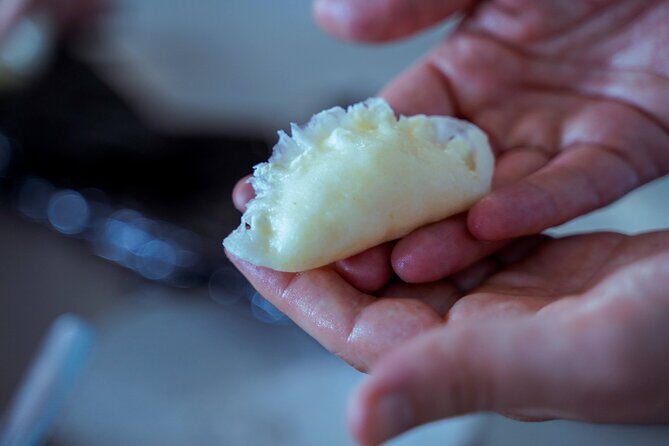
This is a cooking class, but it’s also a taste of how food fits into everyday local life. In Medellín, empanadas are a street-food classic, and learning to shape and fry them teaches you the part most people skip: why the dough behaves the way it does and how fillings need balance.
I like that the experience is built around one clear goal—making empanadas—instead of trying to cover five cuisines in one session. You’re guided through dough, filling, and cooking so you leave with something practical you can repeat at home.
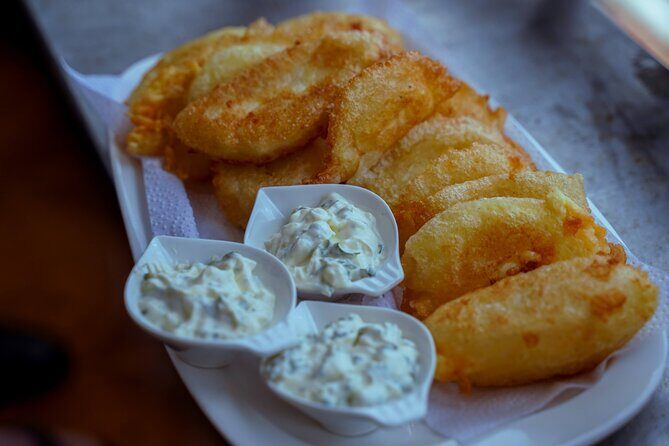
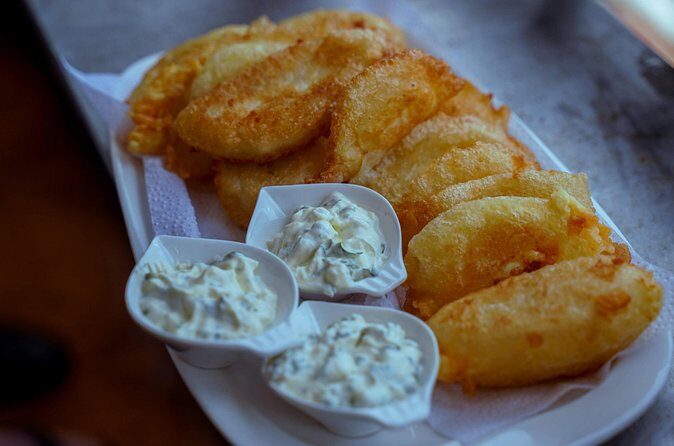
The best part is the “make it, then eat it” loop. Instead of a plate arriving and disappearing, you get the satisfaction of turning your work into golden, freshly cooked empanadas right there.
Other Comuna 13 graffiti tours we've reviewed in Medellin
Getting There: Juan XXIII Pickup and the Comuna 13 Walk
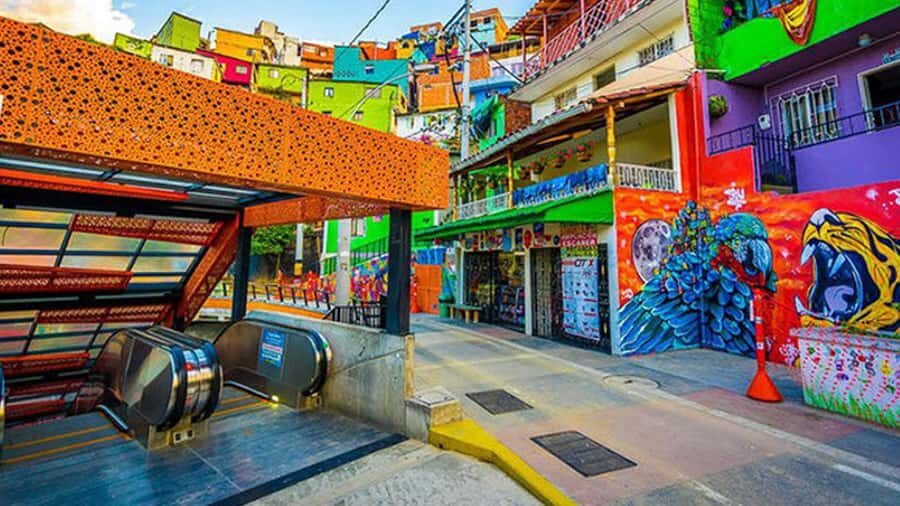
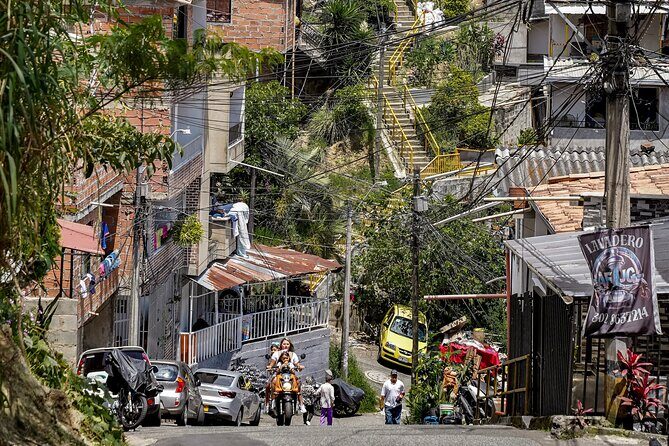
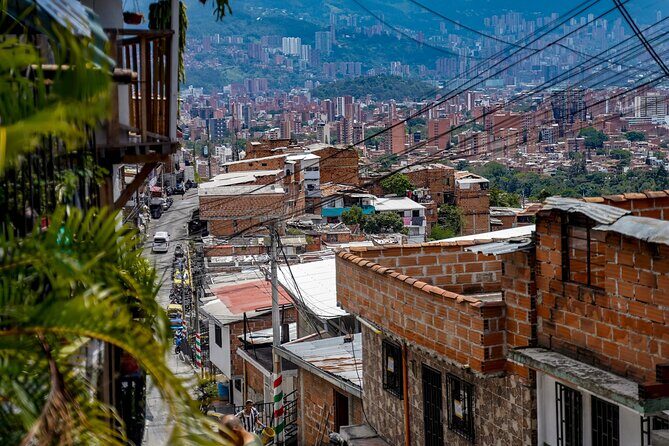
The day starts with pickup at Estación Metrocable Juan XXIII (San Javier area). From there, you’ll walk through an area that’s often less visited, heading to the workshop space. This walk matters because it sets the tone: you’re moving through the neighborhood rather than hopping from one car-window viewpoint to the next.
The meeting point address is listed on the tour page, and the session starts from that exact Juan XXIII MetroCable stop area. If you’re using maps, plan to arrive a bit early so you don’t end up racing in a crowded station.
One practical tip: wear shoes you’re happy to walk in. The class includes walking time before cooking starts, and you’ll also want stable footing once you’re in the kitchen area. This isn’t a “one-stop dining” thing. It’s a small outing that includes movement.
Inside the Workshop: Dough, Fillings, and Golden Empanadas
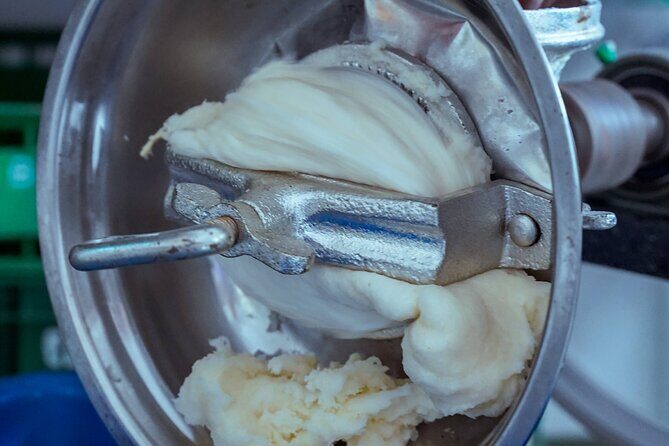
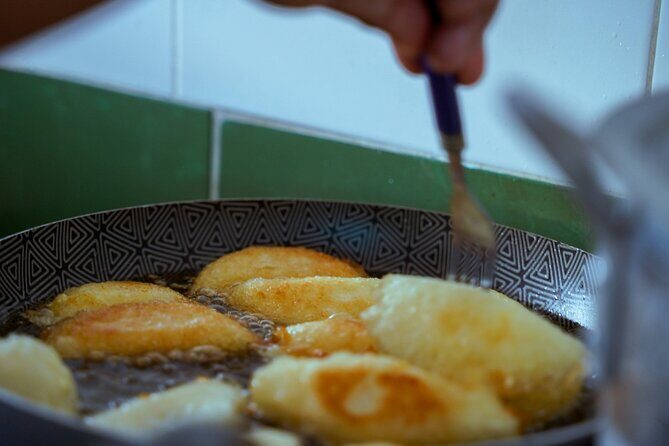
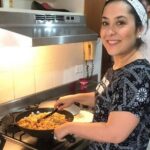
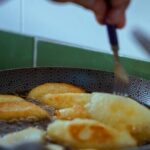
Once you reach the workshop, the focus tightens. You’ll learn how to prepare empanada dough, build flavorful fillings, and cook them until they’re crisp and golden.
Even if you’ve never made dough before, the format helps you because you’re not responsible for the whole process alone. The chef-style instruction keeps you on track, and the small group size (max 6) means you’re less likely to get lost in a crowd.
Here’s what you should pay attention to while you cook:
- Dough consistency: how it feels before it’s rolled or shaped.
- Filling amount: too much makes sealing harder; too little can leave you with less flavor.
- Cooking time: empanadas go from pale to perfect fairly quickly once oil is hot.
The class doesn’t ask you to do fancy culinary tricks. It teaches the core technique. That’s what makes it one of those experiences where you remember the lesson, not just the meal.
Market Stop Details: Yuca and a Cartagena-Style Twist
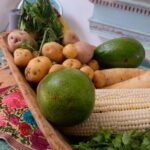
One of the most memorable parts (from the feedback I saw) is a quick ingredient stop. In particular, a walk to the market to pick up yuca came up, and that adds a nice layer of context to the cooking.
When an ingredient gets named like that, it signals something useful: you’re not only making empanadas, you’re learning which ingredients actually drive the flavor. Yuca is a clue that the filling may lean toward a style that’s different from the most basic versions people assume.
The class is described as teaching Cartagena style empanadas in at least some sessions, and that’s a meaningful detail. Cartagena-style often points to regional spice and filling character, so you’re likely to come away with a clearer sense of how Colombian empanada varieties can differ.
If you like food that has a regional identity, this is the part you’ll appreciate most. It turns cooking into a small culture lesson without turning it into a lecture.
Eating What You Cook: Soda/Pop, Conversation, and Local Hospitality
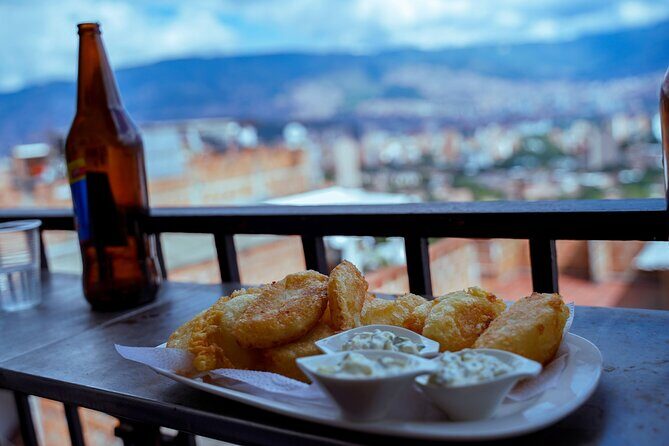
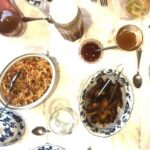
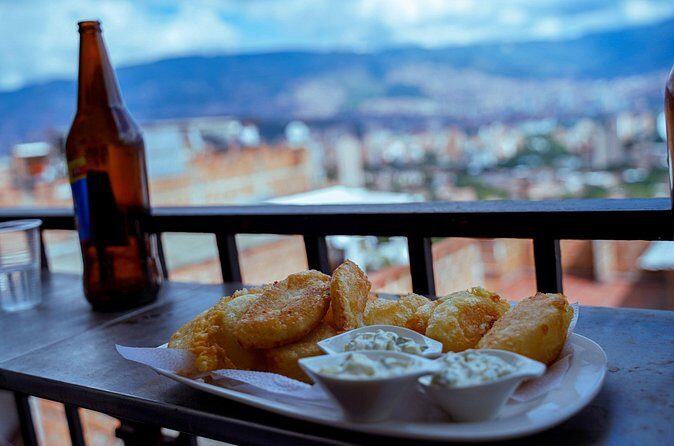
After the cooking, you sit down to eat your empanadas. The included meal is simple but satisfying: you’ll get the empanadas you made plus soda/pop to drink.
This is where small-group classes shine. You get to enjoy your food while your chef or host can answer follow-up questions, and you’re not rushing through a rigid restaurant schedule. The “conversation and Colombian hospitality” vibe shows up in the feedback, and it matches the structure of the class: people tend to chat when they’re waiting for dough steps to finish.
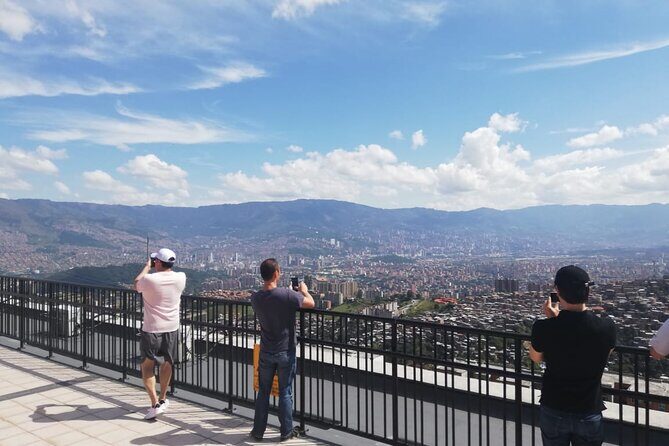
You should also expect the setting to be part of the experience. One piece of feedback mentioned a lovely view from the host’s place. Even if you don’t know the exact scenery in advance, it’s a reminder to bring a relaxed mindset. This isn’t just about the final bite. It’s also about where that bite happens.
Other cooking classes in Medellin

Price, Group Size, and When to Book
At $21.45 per person, this class is priced in the “good value for a real activity” zone. You’re paying for instruction, ingredients used in class, and the meal. In other words, you’re not just buying empanadas—you’re buying the chance to learn a technique and then eat it.
The max 6 travelers detail is a big part of why the price feels fair. For a cooking class, small groups reduce “stand and watch” time. You’ll likely spend more time shaping and cooking and less time waiting for someone else to finish.
Timing matters too. The experience is noted as commonly booked about 12 days in advance on average. If your schedule is tight, don’t wait until the last minute. Also note that confirmation is received within 48 hours of booking, subject to availability, so build in a little patience after you reserve.
What’s not included (so you can plan)
- Alcoholic beverages are not included, though extra drinks are available.
So if you want beer or something stronger, plan to pay separately.
Language and Comfort: English Class Style and Practical Expectations
The class is listed as offered in English, which is a big deal for an activity that involves instruction and technique. Empanada dough and filling steps can have specific language for texture and consistency, so having instruction in your comfort language makes the learning stick.
Service animals are allowed, and the experience is near public transportation. That helps if you’re planning day-by-day logistics around Medellín’s transit network. The pickup point is also fixed at Juan XXIII, which makes it easier to plan what to do before and after.
One more practical consideration: you’ll be walking at least briefly. If you’re sensitive to uneven sidewalks or prefer to avoid neighborhood walks, this might feel like a lot compared with a cooking class that’s all inside one restaurant kitchen. The tradeoff is authenticity and context, which seem to be the point here.
Who This Is Best For (and Who Might Skip)
I’d recommend this class if you want:
- Hands-on food learning instead of a sit-down tasting.
- A compact activity that still feels local, not touristy.
- A small-group setting where you can ask questions while cooking.
- A Colombian street-food staple with a regional twist (yuca and Cartagena-style were mentioned).
I’d maybe skip it if you want a long itinerary with lots of separate sites. This is one cooking session, not a full half-day exploration. It’s also not positioned as a party-style event, so if you want nightlife energy, you’ll want a different plan for after.
Should You Book This Empanada Class?
If you’re choosing between a casual meal and an activity, I’d lean booking this. For $21.45, you get instruction, cooking practice, and a real meal outcome—plus the neighborhood walk starting at MetroCable Juan XXIII.
The deciding factors for me are the small group size and the way the experience is built around one skill: dough, filling, sealing, and cooking. If you want to come home with something you can replicate (and not just a photo), this fits.
Book it if you can handle a short walk and you like learning through doing. Skip it if you’re only in Medellín for a quick bite and prefer zero walking and zero instruction—because the whole point here is hands-on cooking.
FAQ
Where is the meeting point for the empanada cooking class?
The start point is Estación Metrocable Juan XXIII, near the listed address details in San Javier, Medellín, Antioquia, Colombia. The activity ends back at the meeting point.
How long is the class?
The duration is listed as about 1 hour 30 minutes.
What’s included in the price?
The price includes meals and soda/pop. Alcoholic beverages are not included.
Is the class offered in English?
Yes, the class is offered in English.
How many people are in the group?
The experience has a maximum of 6 travelers.
What is the cancellation policy?
You can cancel for a full refund up to 24 hours in advance of the experience start time. If you cancel less than 24 hours before, the amount paid is not refunded.