REVIEW · MEDELLIN
Historical Tour in Pablo Escobar
Book on Viator →Operated by Medellín Best Tours · Bookable on Viator
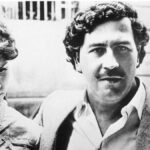
Pablo Escobar’s story lives in plain sight. What makes this tour compelling is the private guide pace and the Medellín cable metro view that ties violence and consequence to real neighborhoods. You get a structured route without feeling like you’re sprinting through dark history.
I especially like how the itinerary moves from everyday life to aftermath, not just name-dropping. Starting with a community museum in Barrio Pablo Escobar and ending with memorial sites, you see how the city has tried to remember and rebuild. Admission tickets are part of the price, so you’re not stuck deciding on the fly.
One thing to consider: this is a heavy subject route, and drinks and food aren’t included, so you’ll want to plan for both emotional and practical needs.
In This Review
- Key Highlights You Should Know
- Medellín’s Escobar Route: Why This 4–5 Hour Plan Works
- Price and Value: What $47 Really Buys
- Stop 1: Barrio Pablo Escobar and the Meaning of a Neighborhood Museum
- Stop 2: Parque Memorial Inflexion—Monaco, Bombs, and 47,000 Victims
- Stop 3: Montesacro Cemetery and the Tombs You’ll Recognize
- Stop 4: Los Olivos Neighborhood—The House Where He Died
- Stop 5: San Javier Cable Metro—Comuna 13 From Above
- The Private Guide Factor: What You Gain With Small Groups
- What to Expect in Real Time (and How to Prepare)
- Should You Book This Pablo Escobar Historical Tour?
- FAQ
- Where is the tour meeting point and what time does it start?
- How long does the historical tour last?
- How much does the tour cost?
- What’s included in the tour price?
- What is not included?
- How many people are in the group?
- What stops will I visit?
- Is the tour suitable for most people?
- Is free cancellation available?
Key Highlights You Should Know
- Private, personalized guiding with local storytelling and a calmer tempo
- Community-built neighborhood history at Barrio Pablo Escobar, plus a museum and souvenirs
- Parque Memorial Inflexion to understand the Monaco building link and the bombing context
- Montesacro Cemetery visit including the most visited tombs tied to Escobar and family
- Los Olivos final-moments stop with the police operation explained on site
- San Javier Cable Car ride for an aerial view of Comuna 13 and today’s reality
Medellín’s Escobar Route: Why This 4–5 Hour Plan Works
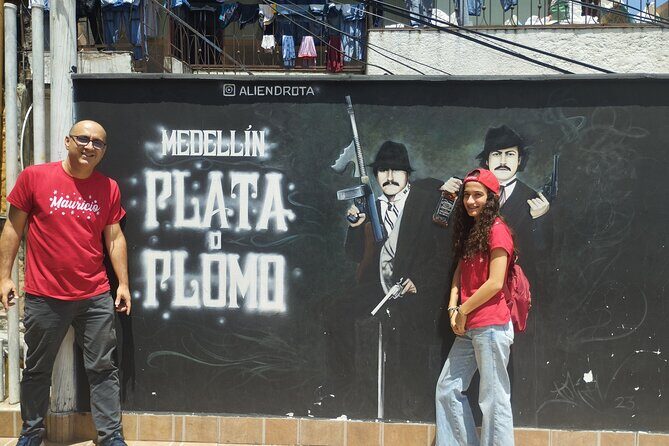
If you want to understand Escobar beyond headlines, you need places—not just facts. This tour gives you a tight loop through the city’s memory: where people lived, where tragedy happened, and where the story ended. It also mixes “learning” with “seeing,” using the cable metro so you get an overhead look at Comuna 13 rather than only street-level views.
The experience is built for a small group (up to 15 people) and a private guide style, which matters in a subject like this. You’ll get time to ask questions and to follow the reasoning behind what you’re seeing. In the feedback I’ve read, guides like Mauricio, Jonathan, and Catalina were praised for speaking clearly, not rushing, and keeping the explanations organized.
Other Pablo Escobar history tours we've reviewed in Medellin


Price and Value: What $47 Really Buys
At $47 per person for about 4 to 5 hours, the value comes from what’s included. You’re not just paying for a guide—you’re also getting admission tickets included for the stops along the way, plus insurance.
Here’s how the “included” pieces add up in real life:
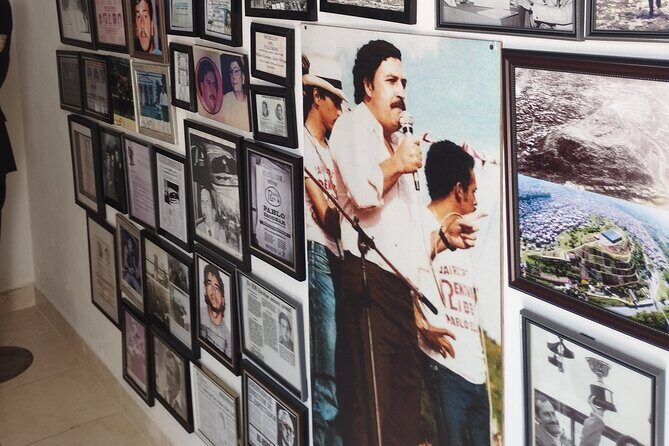
- Barrio Pablo Escobar: museum time with admission included, and you can browse locally made souvenirs.
- Parque Memorial Inflexion: ticket included so you can spend meaningful time there.
- Montesacro Cemetery: admission included for a focused cemetery visit.
- Los Olivos area: the stop is structured around the final events and the police operation, with admission included.
- Estación metro San Javier: the route includes the cable metro segment, with admission included.
Not having drinks and food included is the one practical gap. So if you’re doing this after a morning out, I’d plan to eat beforehand and bring a small snack or be ready to purchase water on your own.
Stop 1: Barrio Pablo Escobar and the Meaning of a Neighborhood Museum
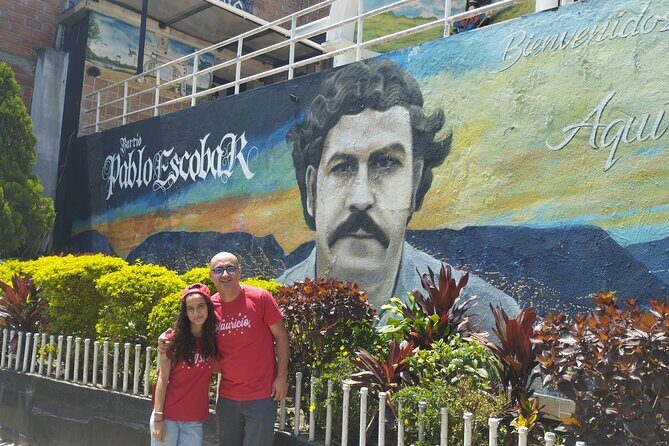
Barrio Pablo Escobar is more than a name on a map. This is the neighborhood where Escobar built housing for low-income residents, and the tour frames it as a place where history is lived, not archived.
Expect a visit to a museum run by the neighborhood’s inhabitants. That detail matters. It’s not just an outside exhibit explaining the story; you’re seeing how local people choose to present the past and what they’ve decided to keep visible. You’ll also have a chance to buy souvenirs—useful, because it turns your visit into direct support for local work.
What I like here is the shift in perspective: it’s easy to talk about Escobar as an abstract criminal figure, but neighborhoods force you to confront the human layer—how money, power, and violence can reshape day-to-day life.
A practical tip: this stop sets the tone, so wear comfortable shoes. You’ll be walking and you’ll want your head clear enough to take in what the museum emphasizes.
Stop 2: Parque Memorial Inflexion—Monaco, Bombs, and 47,000 Victims
Next comes Parque Memorial Inflexion, and the emotional weight ramps up. You’ll see the spot connected to the old Monaco building, which was owned by Escobar. Today it functions as a memorial park that remembers more than 47,000 victims.
This isn’t a quick photo stop. The way the tour is timed (about 2 hours here) gives you room to read, reflect, and understand the scale. You’ll also learn about bombs that were placed during that period, which connects the memorial aspect to the specific kind of harm that scarred Medellín.
Why this stop is valuable: it teaches you how a city holds trauma. Memorials like this aren’t just about the past. They’re about shaping public memory so people don’t reduce the story to a single dramatic scene.
If you’re the kind of person who needs a mental breather during heavy material, this is where you’ll want it most. Take your time. If you feel overwhelmed, pause for a minute and look at the space around you before continuing.
Stop 3: Montesacro Cemetery and the Tombs You’ll Recognize
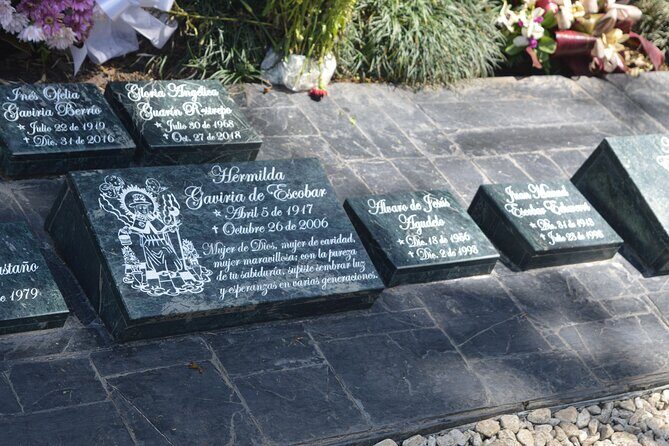
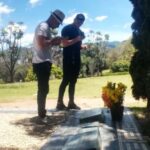
Then you head to Montesacro Cemetery, where you’ll visit the most visited tombs linked to Escobar, Gustavo Gaviria, and other members of his family.
This stop is shorter (around 35 minutes), but it hits a different angle: you’re in a place of remembrance where the story becomes physical—stone, names, and the idea of legacy. For some people, the cemetery visit can feel uncomfortable because it’s easy to confuse attention with approval. The key is to see it as a site of consequence, not celebration.
What you should do here: keep your focus on the context your guide gives you. With the short time window, it helps to treat this as a guided “read,” not a wander-and-guess situation.
Other historical tours in Medellin


Stop 4: Los Olivos Neighborhood—The House Where He Died
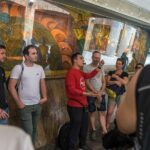
The next stop is Los Olivos, centered on the house where Escobar died. The tour uses this location to explain the police operation that ended his life—details laid out in a way meant to make the sequence understandable, not just dramatic.
This is one of the most important stops for answering your biggest question: how did the story end in real time? The tour frames the final moments at the site and then walks through how police reached the area, so the ending isn’t a blur.
Because this part is only about 35 minutes, it also stays focused. If you want a deeper version, ask your guide questions while you’re there. In the feedback, guides were praised for paying attention and giving people time to understand what they were seeing—exactly what you’ll want in this section.
Stop 5: San Javier Cable Metro—Comuna 13 From Above
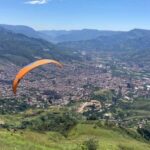
The final piece is Estación metro San Javier, where you take a ride on the Medellín cable metro. From the air, you’ll see part of Comuna 13 and get a view of the community’s living conditions from a different angle than street-level tours.
This is a smart ending for a grim story. Even though the tour has heavy content earlier, the cable car adds perspective. You’re not just stuck in the shadow of the past; you’re seeing what the city looks like now, and how daily life continues alongside memory.
The time here is about 30 minutes. That’s just enough for a real view without turning the ride into dead time. It’s also a good moment to regroup mentally—look outward, notice the shape of the neighborhood, and remember that these are real communities, not just “settings.”
The Private Guide Factor: What You Gain With Small Groups
A big reason people rate this tour highly is the human pace. Private historical routes work best when the guide can slow down and explain, and the feedback I’ve seen repeatedly points to that.
Guides named Mauricio, Jonathan, and Catalina were highlighted for:
- clear explanations
- not rushing through the stops
- being attentive to questions and needs
- keeping the story grounded in local experience
One particularly useful idea from the guide approach: the story is presented as violence with consequences in Medellín, not as a tourist-made spectacle. That shift helps you learn without turning tragedy into entertainment.
What to Expect in Real Time (and How to Prepare)
This is a tight itinerary. With stop times of roughly 1 hour, 2 hours, 35 minutes, 35 minutes, and 30 minutes, you’ll move through the city in a focused way for about 4 to 5 hours.
For a smoother experience, I’d prep like this:
- Wear closed-toe shoes. You’ll do multiple walking segments in different kinds of spaces.
- Eat before you go. Drinks and food aren’t included.
- Bring a small layer. Medellín weather can shift, and parks/cemetery areas can feel cooler than you expect.
- Plan your attention span. The memorial and cemetery stops require focus.
Also note the meeting point: you’ll start at Landmark Hotel, Cl. 14 #43D 85, El Poblado, Medellín with a start time of 1:30 pm. If you’re staying outside El Poblado, build extra travel time so you arrive relaxed.
Should You Book This Pablo Escobar Historical Tour?
Book it if you want:
- a structured route that connects community sites, memorials, and the police ending
- admission included across major stops
- a private guide style that takes time with explanations
- a final cable metro ride that adds today’s neighborhood perspective
Skip or reconsider if you:
- don’t handle heavy subject matter well, since the route includes memorial content and discussions tied to violence
- want long breaks and lots of downtime (the stops are packed into 4–5 hours)
My take: this is good value for the money, mainly because you’re buying an organized learning path with admissions and insurance—not just a walking escort.
FAQ
Where is the tour meeting point and what time does it start?
The tour starts at Landmark Hotel, Cl. 14 #43D 85, El Poblado, Medellín, and the start time is 1:30 pm.
How long does the historical tour last?
It lasts about 4 to 5 hours.
How much does the tour cost?
The price is $47.00 per person.
What’s included in the tour price?
Admission tickets are included for the stops, and insurance is included as well.
What is not included?
Drinks and food are not included.
How many people are in the group?
The tour has a maximum of 15 people.
What stops will I visit?
You’ll visit Barrio Pablo Escobar, Parque Memorial Inflexion, Montesacro Cemetery, Los Olivos (the house where Escobar died), and then ride the cable metro from Estación metro San Javier.
Is the tour suitable for most people?
Most people can participate.
Is free cancellation available?
Yes. You can cancel up to 24 hours in advance for a full refund. If you cancel less than 24 hours before the start time, the amount paid will not be refunded.